
Aluminium or Steel: Which Pergola Material Works Long Term?
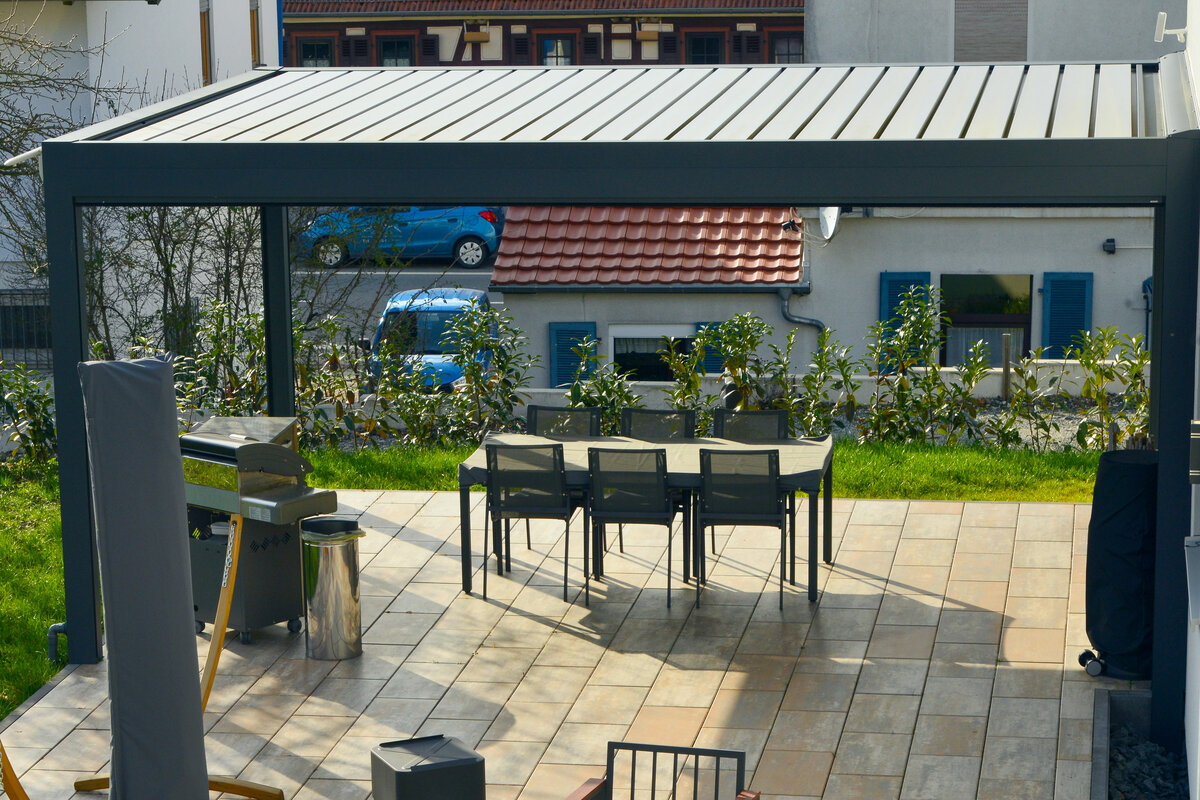
Material choices for terrace planning
Aluminium or steel: which pergola material will suit your outdoor space over time?
A pergola’s material affects more than its appearance: it influences installation, maintenance needs and how the structure ages at its location. This practical comparison of aluminium and steel helps you match your choice to the architecture, intended use and long-term plans.
Quick answer: choose material around your intended use
An aluminium pergola can suit a contemporary, comparatively lightweight structure with manageable day-to-day maintenance. Steel may suit striking designs or particularly slim structures, but requires a consistent corrosion-protection plan and regular visual inspections.
The material alone is not the long-term answer. Consider profile design, coatings, fixings, drainage and the site itself. Have the planned structure and its base assessed professionally before finalising the material, specification and installation.
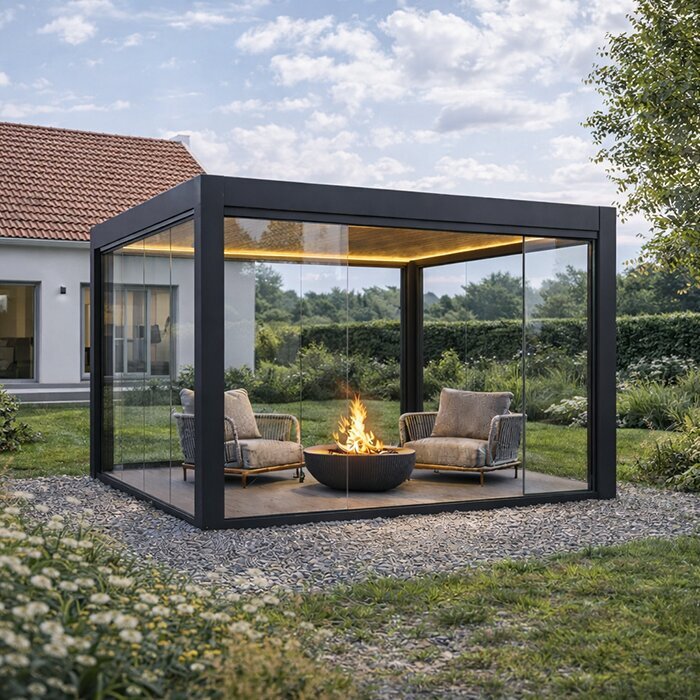
01
Aluminium
Suitable for modern pergola concepts where weight, easy-care finishes and a clear architectural expression are priorities.
02
Steel
An option for individual designs and load-bearing structures when surface protection, detailing and future inspections are planned from the outset.
03
Location
Damp corners, splashwater, salt-laden air and leaf build-up often influence the material decision more than a general preference for one metal.
A comparison of construction, corrosion, maintenance and use for well-informed decisions.
When comparing an aluminium pergola with a steel pergola, look beyond colour and first impressions. Material, profile design, coating, connection methods and professional installation work together. The key question is not which material wins generally, but what your property, home and everyday routine actually require.
Aluminium is widely considered for modern outdoor structures because it is lightweight and has corrosion-resistant properties. Steel can also be structurally compelling, but demands close attention to protective finishes, cut edges and later inspection. Both materials can work well when the structure is matched to its setting.
In Malta, assess moisture, shade, leaf fall, coastal exposure and transitions to the façade carefully. Roof type, area size and who will later clean and inspect the installation matter just as much. This turns a material comparison into a sound basis for selecting a specific product.
Inspection 01 · Review sheet 01
Understand weight and construction
Aluminium has a considerably lower density than steel. This can affect handling of components, base planning and the visual weight of the structure on a terrace. It does not automatically make every aluminium option simpler to plan: profile sections, spans, roof system and fixings determine the actual structural task.
Steel is often associated with high strength and can enable slender designs. Outdoors, however, the complete construction matters rather than the material name alone. Load-bearing connections, screw joints and transitions must be coordinated. A professional assessment of the foundation and existing building provides clarity before selection.
Construction also shapes how calm and coherent a pergola appears. Wide posts, concealed drainage or visible connectors change the effect as much as the roof form. Review drawings not only for dimensions, but also for access and understandable details. Wall connections and fixing points particularly reveal whether the solution suits the existing building and terrace use.
Also consider the installation sequence: large components, lifting operations and access to the terrace can affect which structure can sensibly be installed at the existing home.
- Do not compare individual profiles in isolation; always assess the complete system of posts, beams, roof and fixings.
- For existing terraces, check whether the base, falls and connection points can properly accommodate the chosen structure.
For a modern roof concept with adaptable use, explore bioclimatic aluminium pergolas as a distinct system category for the terrace.
Inspection 02 · Review sheet 02
Assess corrosion at the real site
For a pergola, corrosion is not an abstract material issue but a matter of location and details. Under normal conditions aluminium forms a protective oxide layer. Steel needs effective surface protection so moisture cannot attack damaged or unprotected areas. Pay particular attention to transitions, drill holes, edges and places where water can stand.
A sheltered courtyard has different demands from an open terrace exposed to driving rain. Planters, leaves, cleaning agents and splashwater can also affect finishes. Near the coast or heavily used roads, the environment may be especially relevant. Ask specifically about the intended surface finish and care guidance for your site.
Look at areas permanently covered by objects or planting too. Moisture and dirt can remain there longer without becoming obvious. Space around planters and easy access for cleaning make inspection easier. The aim is not to eliminate every exposure, but to allow signs of concern to be noticed early through sensible planning and maintenance.
Also consider contact points between metal, fixings and adjacent materials. Properly designed separating layers and accessible details make inspection, cleaning and consistent care easier.
- Inspect areas where water can remain for longer or organic material can collect.
- Avoid unassessed material combinations at fixings, as different metals may need particular detailing.
If you prefer an open, clearly structured cover, discover classic aluminium pergolas for terraces for different garden design settings.
Inspection 03 · Review sheet 03
Finishes and everyday maintenance
A well-kept finish does not last through material choice alone. Remove dust, pollen, bird droppings and deposits at suitable intervals using mild, appropriate products. With aluminium, a coated surface is often central to the overall appearance; abrasive tools or aggressive cleaners can impair it. Follow the manufacturer’s care guidance routinely.
For steel, regular visual inspection is particularly important because scratches or chips in the protective layer may need attention. If found early, minor issues can be assessed properly rather than missed over time. Plan cleaning and checks realistically: an accessible structure is more likely to be carefully maintained than one that is difficult to reach.
Care also includes movable parts, seals and water routes where these form part of the chosen design. Do not use products or tools whose suitability for the relevant surface is unclear. Following heavy leaf fall or prolonged damp weather, a brief visual check is worthwhile so deposits can be removed before settling in joints, gutters or concealed areas.
A fixed care routine need not be demanding. What matters is checking water routes, transitions and visible surfaces regularly, without leaving small concerns unattended.
- Clean gutters, transitions and concealed ledges carefully so moisture and dirt cannot act over long periods.
- Photograph noticeable areas and discuss suitable action with a qualified professional.
For terraces where shade and airflow should work together, consider bioclimatic aluminium pergolas as a practical design option for outdoor spaces.
Inspection 04 · Review sheet 04
Design between house and garden
Aluminium often supports a restrained, precise line and can sit well alongside modern façades, window profiles or terrace furniture. Steel can look deliberately industrial, crafted or very slender. Which appearance remains convincing depends on proportion and detail: post locations, frame thicknesses and the relationship to the architecture matter more than an isolated material trend.
Allow time to assess the spatial effect. A pergola should not unnecessarily interrupt sightlines or make the terrace feel either cramped or exposed. Dark finishes can look very different as light changes. Samples or reference surfaces help you judge colour and texture at your own home through the day.
The view from indoors also deserves attention. Look through frequently used windows and doors towards the planned structure, since posts, roof edges and shading will be seen daily. A pergola can deliberately frame the transition to the garden, but should also consider important views and natural light. On-site markings help assess heights, passageways and future spatial depth.
Include the movement of shade and evening light. They affect how prominent posts and roof edges appear, and whether the terrace feels inviting at preferred times of use.
- Mark post positions on the terrace to check routes, furniture placement and passageways realistically in advance.
- Coordinate the finish and colour with window frames, gutters and nearby screening or fencing.
For a clean terrace enclosure, you can include regular garden pergolas in your design considerations.
Inspection 05 · Review sheet 05
Consider roof system and material together
The question of aluminium or steel cannot be separated from the roof solution. A fixed roof, textile element or adjustable louvres create different loads, connections and drainage requirements. Check how the selected system can be operated, cleaned and used through the seasons. The frame material is one element of a coordinated whole.
With moving components, accurate manufacture and correct operation matter. Plan where rainwater will run and whether outlets remain accessible for maintenance. Careful drainage planning protects the terrace finish and reduces dirt accumulation at details. Ask for an explanation of the care and operating guidance that applies to your chosen version.
The roof solution also determines which areas of the terrace are most used in changing weather. Do not only imagine dining, seating and plants beneath the roof after installation. Consider opening directions, drip edges and reachable outlets during design. This creates an arrangement that not only looks right, but also supports cleaning, furnishing and everyday time outside.
When choosing, check whether controls and maintenance areas remain reachable without moving furniture. This supports everyday use and avoids postponing necessary inspections.
- Plan roof type, drainage and furniture together so water routes and walking routes do not conflict.
- Consider shade on adjacent rooms and plants before fixing the size and orientation.
If a controllable roof is part of your plan, compare bioclimatic pergolas with louvred roofs through their system details and possible uses.
Inspection 06 · Review sheet 06
Installation, base and connections
Even the best material can only perform through professionally planned installation. The base must suit the structure; with existing terraces, build-up, load capacity and possible services are relevant. A steel or aluminium pergola should not be positioned on appearance alone. Clarify early how posts will be anchored and connections completed cleanly for the long term.
Freestanding and building-adjacent structures bring different planning and installation requirements. Near a façade, waterproofing, water guidance and possible thermal or insulation issues need especially careful assessment. In complex situations, involve suitable professionals to avoid later changes that could impair the terrace’s appearance or function.
Before installation, a joint inspection of the proposed site is useful. Access, transport routes, existing steps and sensitive finishes can be discussed alongside limitations on working at the façade. Record open matters in writing where possible. Clear coordination between planning, installation and preparatory work reduces the risk of essential details emerging only during execution.
The interface between different trades also needs attention. Terrace construction, façade connection and pergola installation should be coordinated in time and technically, avoiding improvised transitions.
- Before work starts, identify services, falls, paving build-up and obstacles in the intended fixing area.
- Keep installation documents, care instructions and details of the fixings used organised for future checks.
For a flexibly designed outdoor zone, traditional aluminium pergolas offer a clear starting point for planning the area.
Inspection 07 · Review sheet 07
Plan long-term use realistically
A pergola that remains suitable over time reflects your real pattern of use. Consider whether the area is mainly for meals, quiet time, family visits or seasonal gardening. Aluminium and steel do not fundamentally alter those uses, but construction, roof form and maintenance access influence how naturally the space is used. Allow sufficient room for chairs, doors, planters and maintenance routes.
Think about future changes too: different furniture, a new floor finish or extra screening may alter requirements. A calm, modular-looking concept is often easier to develop than an overloaded solution. During advice, ask clearly what equipment belongs to the chosen system and what options would need review later. Consider the space beyond the main season: when furniture moves or plants are cut back, service routes and outlets must remain accessible. Think about likely garden or façade changes so the pergola continues to fit.
Consider the outdoor area outside the main season as well. When furniture is rearranged, plants are pruned or the terrace is used less often, maintenance routes and outlets must still remain accessible. A considered concept leaves enough clear space for this. Also consider likely future changes to the garden or façade, so the pergola suits tomorrow’s use as well as today’s.
Allow enough room for seasonal adjustments. Movable furniture, planters or altered screening should not block access to outlets, connections and cleaning areas.
- Include maintenance access from the beginning rather than trying to fit it later between furniture, pots and screening.
- Choose the size by usable circulation space, not only by the terrace’s available square metres.
For a versatile outdoor space, bioclimatic terrace pergolas can usefully complement your material choice.
Inspection 08 · Review sheet 08
Compare quotations professionally
A meaningful comparison starts with equivalent foundations. Request a clear description for aluminium and steel covering construction, finish, roof type, drainage, fixings and installation scope. Only then can you tell whether two quotations solve the same task. Broad terms such as “weatherproof” do not replace details about care or intended use.
Read pricing as a current, project-specific calculation, since dimensions, equipment, location and installation can affect scope. Check what is included and what preparatory work may be needed. For questions about local requirements, contact the relevant authority. With differing quotations, ask not only for a new total but for a clear explanation of differences. Roof design, post layout, surface treatment, fixing method and preparatory work may all matter. Keep documents, sketches and care information together so later questions have a reliable basis.
When quotations differ, ask for a clear explanation rather than only another total. Relevant differences may include roof design, post layout, surface treatment, fixing method and preparatory work. This shows whether a difference represents another service or merely unclear wording. Keep all documents with sketches and care information for reliable future reference.
A consistent question list helps when speaking with suppliers. Note open points on construction, finish, installation and care so replies can later be compared clearly.
- Give every supplier the same dimensions, photographs, site information and wishes for use to improve comparability.
- Ask for clear explanations of care, surface inspection, drainage and the limits of the intended system.
For a direct system comparison, consider regular aluminium pergolas compared with your requirements for space and design.
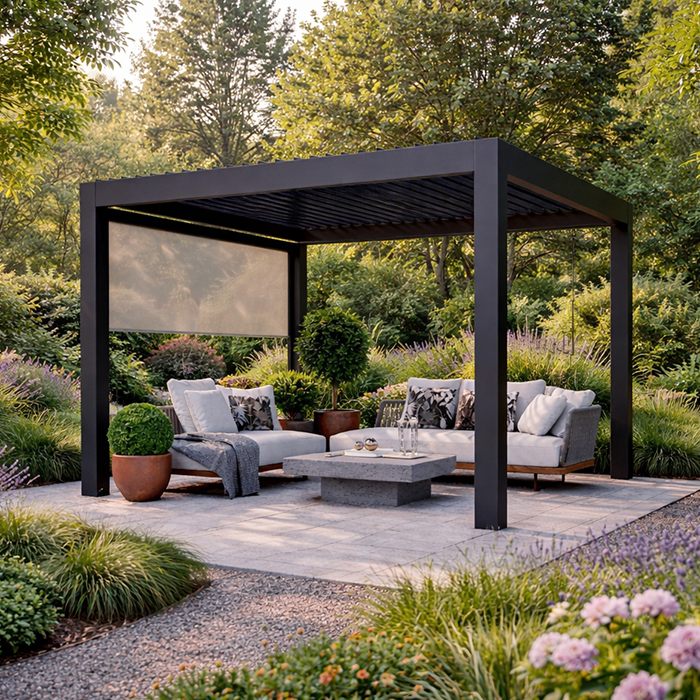
Comparison
Aluminium and steel in practical comparison
The table sets out typical decision criteria. It does not replace assessment of the specific system, because profile geometry, coating, installation and location can materially change the practical evaluation.
| Criterion | Aluminium pergola | Steel pergola |
|---|---|---|
| Self-weight | Comparatively low material weight; always assess the construction as a complete system. | Greater material weight; coordinate the base and installation concept especially carefully. |
| Corrosion aspect | Consider material properties and surface care; nevertheless avoid standing water. | Inspect protective layers, edges and damage regularly and assess them professionally. |
| Design | Often integrates into architecture with a clear, modern, profile-led appearance. | Can be designed as slender, industrial or distinctly crafted. |
| Maintenance | Plan gentle cleaning and checks of outlets, coating and connections. | Visual inspection of surface protection is a central part of maintenance. |
| Planning focus | Define roof system, drainage, fixings and routine use together. | Specify corrosion protection, connections and construction details early. |
Five steps to choosing a material
Work from the site to the construction and only then to the finish. This prevents a visual favourite from overriding requirements for installation, care or use.
01
Record the site
Note orientation, shade, wind, splashwater, leaves and proximity to plants. Photographs at different times of day help with advice.
02
Define use
Describe furniture, routes and the stays you want to enjoy. Decide which areas must stay clear and how much care is realistically manageable.
03
Check the base
Clarify terrace build-up, falls, services and potential fixing points. If unsure, have a suitable professional assess the starting conditions.
04
Compare system details
Set roof type, drainage, profiles, finishes, post positions and installation scope side by side. Ask specifically why they differ.
05
Review documents finally
Read the quotation, care guidance and written conditions in full. Check local requirements with the Planning Authority and a perit before making firm plans.
Checklist for quotes and advice
These questions keep the key details in view when comparing aluminium and steel, helping you assess quotations on the same basis.
01. Are dimensions, post positions, roof type and drainage clearly described in every quotation?
02. Does the intended base suit the anchoring, or is preparatory work needed?
03. What finish care is recommended for the specific site and selected version?
04. How will water, leaves and dirt remain reachable on roof surfaces, gutters and connections?
05. Which areas should be checked regularly for scratches, damage or deposits?
06. Have all transitions to the terrace, house wall, doors and garden elements been spatially considered?
07. Which local requirements or neighbour-related matters should be clarified before final planning?
08. Are installation scope, own work, care documents and possible extra works clearly separated?
Frequently asked questions about aluminium and steel
Is aluminium fundamentally better than steel for a pergola?
No. Aluminium and steel have different properties that must suit the location and system. Aluminium is often chosen for its weight and manageable care, while steel offers certain design or structural possibilities. Profile design, surface protection, installation and the intended terrace use remain decisive.
Does an aluminium pergola rust?
Aluminium does not rust in the same way as steel, but its surface can change under certain influences. Coated components also need cleaning and inspection. Avoid or have assessed standing water, unsuitable cleaning agents and unfavourable material contacts.
How maintenance-intensive is a steel pergola?
The effort depends heavily on the coating, detailing and location. Regular visual checks are important, especially at edges, connections and damaged surfaces. Remove deposits carefully and do not leave identified damage unassessed, so suitable action can be planned in time.
Does roof type matter when choosing the material?
Yes. Roof type and operating concept affect construction, connections, drainage and maintenance access. A material comparison without considering the complete roof system remains incomplete. Always discuss intended use, water management and maintenance alongside the supporting structure.
Do I need permission for a pergola?
That can vary by site, plot, design, size and proximity to boundaries. Ask a perit to check the Planning Authority classification, land designation and existing permit conditions early. A pergola is not automatically permitted merely because it is removable or in a domestic garden.
What should I consider when comparing quotations?
Compare quotations only where the starting basis is the same: dimensions, roof type, finishes, fixings, drainage and installation scope should be clearly stated. Also ask about care guidance and any required preparatory work. A current detailed description is more useful than a broad overall label.
Compare pergola concepts
The right material follows a well-considered concept
Aluminium or steel is not simply a matter of taste. Aluminium can provide a clear, care-conscious solution for modern outdoor spaces; steel opens different structural and design routes. A good decision comes from planning material, protective finish, roof system, base and everyday use as one.
Proceed methodically, compare understandable system details and assess your location honestly. Bloomcabin helps you evaluate different pergola concepts. For binding questions about installation, land and local requirements, involve the relevant professionals and authorities.
Explore suitable aluminium pergolas and use the checklist for your individual planning discussion.
