
Beneficial organisms in the greenhouse form a managed relationship.
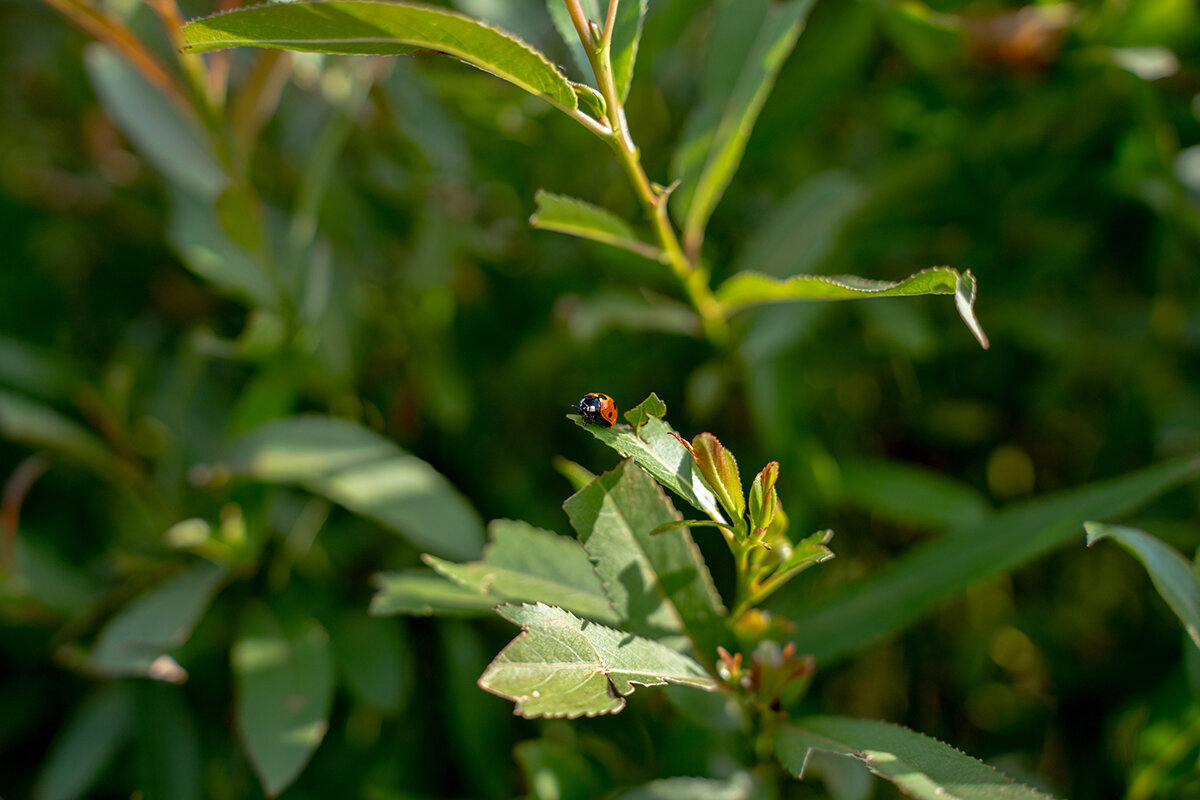
The living agreement · Biological greenhouse pest control
Beneficial organisms in the greenhouse form a managed relationship.
Natural enemies can turn a greenhouse from a place of repeated emergency treatments into a growing space managed with closer attention. Releasing them is not a ritual: it is an agreement between pest, predator or parasitoid, crop, climate and gardener. Regular scouting shows whether that agreement is working.
Why one purchase is not enough
The aim is not to introduce as many insects as possible. Create conditions where the right natural enemy can find, survive and suppress the relevant pest before damage grows.
Biological control belongs within integrated pest management: prevention, early detection, reliable diagnosis, carefully selected living enemies and, only where needed, a targeted additional measure. Greenhouses suit committed home growers because patterns become visible early. Yellow sticky traps used for trends, a hand lens and a weekly inspection can reveal pressure while beneficial organisms can still catch up.
Not every problem requires an immediate delivery of beneficial organisms. Controlled new plants, sensible spacing, weed removal, suitable watering and clean paths reduce pressure. A practical foundation is the Classic aluminium greenhouse with clear access, manageable ventilation and a crop area that can be inspected regularly.
For a durable base that supports an evolving plant-protection routine, the Classic aluminium greenhouse offers space to organise paths, plant rows and ventilation areas so scouting is easier than in a crowded temporary setup.
The three key groups
Different helpers, different jobs.
“Beneficial organisms” is a useful umbrella term. Biological control also includes predatory mites, parasitoid wasps, beneficial nematodes and microbial plant-protection products. Their roles are not interchangeable.
They consume prey.
Predators include lacewing larvae, ladybirds, predatory bugs and various predatory mites. Many actively search for prey, but their usefulness depends on the pest, crop, prey density, climate and timing.
- Lacewing larvae eat aphids but are not a universal solution.
- Depending on species, predatory mites target spider mites or young thrips stages.
- Generalists can help early but may disperse when prey is scarce.
They develop in or on a host.
Parasitoid wasps are tiny, often highly specialised and especially suited to preventative or very early use. Their traces are more revealing than their appearance: aphid mummies, altered whitefly stages or neat exit holes.
- Encarsia and Eretmocerus suit particular whitefly situations.
- Aphidiusspecies are selected to match the aphid present.
- They need suitable host stages and will not remove an outbreak overnight.
Biological action, not visible spectacle.
Beneficial nematodes can be used through moist substrate against fungus gnat larvae. Microbial preparations also have specific requirements for target stage, application, coverage and environmental conditions. Every option must suit the crop and permitted use.
- They are not insects, but they belong in biological plant protection.
- Success can depend on moisture, light, coverage and target stage.
- The label and current supplier instructions form part of every application.
Pest first, natural enemy second
Diagnose before buying.
Sticky deposits, yellowing or pale speckling are clues, not a diagnosis. Aphids, whiteflies, thrips and spider mites leave different signs, occupy different plant parts and are not equally vulnerable at every stage. Photograph the finding, inspect leaf undersides with a lens and compare several plants before selecting an organism.
1
Read the symptom
Damage first.
2
Find the pest
Check its location.
3
Identify the stage
From egg to adult.
4
Map the infestation
Hotspot or whole crop?
Symptoms: Honeydew and sooty mould suggest sap-feeding pests; fine stippling and webbing suggest spider mites; silvery scars with black droppings can indicate thrips.
Location: Check soft shoots, flowers, leaf undersides, older lower leaves and the moist substrate surface. A pest’s location strongly affects which response can reach it.
Life stage: Eggs, young and older nymphs, larvae, pupae and adults have different weak points. The most conspicuous stage is therefore not automatically the best target.
Infestation pressure: Distinguish one colony by the door from a pattern across the crop. Isolate and mark hotspots, then describe the finding fully to the specialist supplier.
This order prevents a common mismatch: an appealing generalist is ordered for a pest hidden in substrate, a curled leaf or an unreachable stage. For an accessible long-term crop layout, see the Bloomcabin aluminium greenhouses.
Portrait I · Quiet patrol
Predatory mites
Predatory mites matter partly because they are easy to overlook. Some species are selected for spider mites, others eat early thrips stages and may also use pollen or alternative food. Clarify the task before purchase: a species intended for spider mites is not automatically right for thrips.
Distribute carrier material through the crop as directed by the supplier rather than leaving it in one place. Heavily webbed plants are not a good starting point for a casual rescue; serious infestation usually needs isolation and a coordinated recovery plan. Temperature, humidity, crop density and earlier plant-protection products directly affect performance.
Look for: fewer active pest stages over several inspections, not dramatic disappearance on release day.
Portrait II · Precise matching
Parasitic wasps
A parasitoid is a specialist, not a decorative miniature wasp. It finds a suitable host and lays an egg in or on the appropriate stage. Its developing offspring eventually kills the host. In a greenhouse, parasitoid wasps can search crops and leave readable evidence of their work.
The available parasitoid wasp Encarsia formosa is associated with greenhouse whitefly programmes and is particularly useful at very low starting pressure. Previously used long-lasting insecticides may reduce success. Other parasitoids for whiteflies or aphids must match pest, crop and climate. Greenhouse whitefly and Bemisiaspecies are not a minor distinction.
Look for: aphid mummies or parasitised whitefly stages with changed appearance and a round exit hole.
Portrait III · Visible appetite
Lacewings, ladybirds and predatory bugs
Lacewing larvae can consume aphids and other small soft-bodied prey. Ladybirds are familiar, but adults may leave an open or prey-poor greenhouse. Predatory bugs considered in thrips programmes may use pollen but need time and suitable crop and climate conditions to establish.
These animals are tools, not mascots. Ask not which beneficial organism looks most impressive, but which stage of the reliably identified pest is common, exposed and reachable for the specific predator. In a home greenhouse, careful placement and repeated observation usually beat a colourful mixed assortment.
Look for: active hunting where prey occurs and a steadily falling infestation trend, rather than one exciting sighting.
Portrait IV · Beneath the crop
Nematodes and microorganisms
Not every greenhouse pest lives on leaves. Fungus gnat larvae inhabit moist substrate, where beneficial nematodes such as Steinernema feltiae can be used as a drench under suitable conditions. They need substrate kept moist as instructed and careful timing. Persistent overwatering, algae or decomposing plant material must still be corrected.
Microbial plant-protection products also require precise work. Their effect can depend on target stage, temperature, humidity, light and complete coverage. Select only a product authorised for the crop, location and use, follow the current label and clarify how it fits the rest of the biological programme.
Look for: fewer larvae in substrate or declining fresh feeding damage after the vulnerable stage was targeted.
The living match
Match the helper to the stage.
This overview is a decision aid, not a shopping list. Species, delivery form, release method and quantity depend on crop, secure diagnosis, greenhouse climate, supplier and current infestation pressure.
Identified pest
Aphids Soft shoots
Whiteflies Leaf undersides
Thrips Flowers, leaves
Spider mites Before webbing
Fungus gnats Moist substrate
Mealybugs Local colonies
Possible group
Parasitoids or lacewings
Encarsia/Eretmocerus
Predatory mites or Orius
Specialist predatory mites
Steinernema feltiae
Specialist parasitoids
The left column defines the problem. Choosing an aphid parasitoid depends on the aphid species. For whiteflies, the pest and crop conditions decide. Predatory mites for thrips mainly pursue young stages; spider mites require a different, suitable predatory-mite species.
The right column starts the specialist conversation. Send the supplier photos and details of crop, climate, earlier treatments and the stage observed. They can then recommend an available suitable organism and the current delivery and release instructions.
A clear dead end: Do not replace diagnosis with a likeable-looking predator. An enemy of young thrips will not remove fungus gnat larvae in substrate; a drench will not reach adult whiteflies beneath leaves. Nor can a parasitoid release instantly repair an outbreak disrupted by unsuitable residues.
Release choreography
Three timings, three aims.
Biological control is strongest when timing matches infestation pressure. These three terms describe strategy, not a universal release rate. Current guidance for organism, crop, delivery and greenhouse conditions remains decisive.
Preventative
Before detection
Early corrective
At first finding
Outbreak response
At high pressure
Preventative introduction: useful where records show a recurring issue and the natural enemy can establish or be replenished regularly. Think readiness, not an emergency service.
Early correction: mark the first finding, treat the affected zone and adjacent plants as instructed, then return on schedule. Biological control often has its best prospects here.
Outbreak response: isolate or remove heavily infested plants, seek specialist advice and decide whether a selective measure is needed before rebuilding the programme.
Before arrival
On delivery day
After 3–7 days
In following weeks
Confirm diagnosis, check treatment history and prepare a shaded, accessible distribution route.
Open the shipment promptly, inspect packaging and follow supplier instructions on temperature, timing and placement.
Inspect the original hotspot and representative plants. Record pest stages, beneficial-organism signs, climate pattern and crop response.
Compare trends over several rounds. Use the evidence to decide whether to repeat the release, alter tactics or escalate to professional advice.
The climate clause
Climate belongs to the release.
A greenhouse may suit tomatoes, peppers, orchids or young plants yet be unsuitable for a particular beneficial organism. Temperature, relative humidity, light, air movement and available prey affect establishment. No responsible universal figure exists because species, delivery forms, crops and local conditions differ.
Before ordering, ask about the preferred conditions of the exact organism. In Malta, allow for mild winter nights, rapid heating on sunny days and long hot, dry periods. Use the answer when making ventilation, shading and watering decisions, not only when planning release day.
Banker plants: only with consistent management
Banker plants are deliberately managed companion plants intended to sustain suitable alternative prey or hosts and therefore particular natural enemies. Documented combinations exist in professional systems, but this does not mean any flowering plant or uncontrolled aphid colony belongs in a home greenhouse.
A banker plant can introduce pests, diseases or further confusion if the system is not fully understood. Use only a documented combination for crop, target pest and beneficial organism, and label and inspect it. In a small greenhouse, reliable scouting and supplier-supported releases are often calmer and safer.
The interruption clause
Residues can end the agreement.
“Natural”, “biological”, soap, oil or home remedies do not automatically make an application harmless to every beneficial organism. Direct contact, leaf residues, systemic action or greatly reduced prey density can affect natural enemies. A release can appear to fail when an earlier treatment is the real cause.
If a plant-protection product seems necessary, follow its current label and authorised use. Ask the manufacturer and beneficial-organism supplier specifically about active substance, formulation, crop, location and intended interval before release. Check the Maltese plant-protection register for the actual product, user category, crop and current label; old lists and forum posts are not enough.
Compatibility gate
Clarify these questions first.
- What exactly are the active substance, product name and formulation?
- Is it authorised in Malta for the crop, location and intended user category?
- Does it act by contact, ingestion, systemically or in several ways?
- What interval does the current label or supplier specify for this beneficial organism?
- Were the crop, neighbouring plants, substrate, paths or weeds treated?
- Can severe hotspots be isolated instead of treating the whole greenhouse?
The monitoring clause
Observe evidence, not hope alone.
A successful programme rarely looks dramatic. It appears as fewer new colonies, less fresh damage, a weaker trap trend and increasing signs of natural-enemy activity. Give the biological process time, but do not ignore an infestation clearly accelerating between inspections.
At every roundCheck the same representative plants, the original hotspot and areas around doors, vents and new arrivals.
RecordDocument pest, stages, approximate numbers, symptoms, beneficial signs, climate events, date and every measure.
CompareUse several inspection dates. A yellow trap or one leaf gives a signal; only the greenhouse trend supports a decision.
EscalateIf density and damage rise, or beneficial signs remain absent, identify the cause before repeating the same delivery.
Evidence 01
Whitefly stages change
On leaf undersides, parasitised whitefly stages may change colour or shape. A round exit hole differs from the irregular opening left by an emerged pest.
Evidence 02
Aphid mummies appear
Parasitised aphids can become swollen, papery-looking mummies. Keep checking fresh shoots for living aphids: parasitoid activity and infestation pressure may temporarily occur together.
Evidence 03
The curve levels off
Trap catches, fresh sap-feeding damage and active pests first stop rising, then decline. This measurable trend matters more than a single beneficial-organism sighting.
The supporting rules
Biological control does not replace greenhouse discipline.
Screen out
Inspect new plants before they enter the crop. Use suitable screening at openings and watch plants near doors, vents and entry routes especially closely.
Keep clean
Remove heavily infested material carefully without spreading pests. Remove weeds and plant debris, clean tools and reduce algae and persistently wet zones that can favour fungus gnats.
Balance
Avoid lush, crowded growth and persistent wetness. Plan plant spacing for air movement and visibility. Every plant should remain reachable for inspection.
When planning a greenhouse as a calm, long-term growing space, the Classic aluminium greenhouse can bring ventilation, paths, shading, watering and plant rows together for straightforward care and regular leaf checks.
FAQ for Maltese greenhouses
Questions before the first release.
For a serious outbreak, commercial crop or unknown pest, consult an experienced beneficial-organism supplier or qualified plant-protection adviser.
Can I release ladybirds in a private greenhouse?
Ladybirds are offered as aphid predators, but are not automatically the best choice. Adults may disperse, and pest, stage, climate and delivery form must fit. A specialist parasitoid, predatory mite or crop measure may be more suitable.
Are beneficial organisms suitable for edible crops?
Beneficial organisms are also used on edible crops. Buy from a reputable supplier and follow its guidance for crop, location, handling and release. For any plant-protection product, verify its current Maltese authorisation and follow the label.
When should I expect an effect?
Expect a trend, not instant eradication. Development time, pest stage, climate and starting infestation affect success. Check the supplier’s stated timeframe and inspect regularly. If the infestation curve continues to rise, reassess the plan.
Can I combine soap or oil products with beneficial organisms?
Possibly, but never without a specific check. Direct contact and residues can harm natural enemies; effects vary by product, application, crop and organism. Check authorisation and label, and ask the supplier for a compatible interval.
Can I simply release purchased beneficial organisms?
Use reputable suppliers and follow the intended location, crop and all release guidance. Do not release unsuitable or unknown species independently outside the intended setting. For garden and greenhouse use, consider potential effects and organisms escaping.
Sources and further information
Read further and check locally.
Beneficial organisms are living organisms; delivery forms, availability, authorisations and application requirements can change. Verify Maltese product permissions in the applicable register and follow current supplier instructions and each plant-protection product label. The German technical sources below provide additional background.
More from Bloomcabin: Greenhouse curtains from Bloomcabin · Growing tomatoes in a greenhouse · View all greenhouses and conservatories
- Julius Kühn Institute (Germany) – Biological plant protection
- Julius Kühn Institute (Germany) –information on beneficial organisms and effects of plant-protection products on beneficial organisms
- German Environment Agency – Gardening with beneficial organisms
- North Rhine-Westphalia Chamber of Agriculture – Beneficial organisms against greenhouse pests
- North Rhine-Westphalia Chamber of Agriculture – Biological control of whiteflies
Renew the agreement
Make room for the smallest workers.
Start with a notebook, hand lens and a fixed weekly inspection. A quality greenhouse becomes more productive when climate, paths and care routine enable close observation. The first step is not a product, but a look beneath the leaf.
- Identify the pest before selecting a beneficial organism.
- Confirm natural enemy, target stage and handling with the specialist supplier.
- Schedule the next scouting visit before delivery.
A calm starting point
Plan for observation.
Clear access, controllable ventilation and an orderly crop area make it easier to notice small changes early and protect the crop over time.
