
Black Friday Garden Shed Upgrades: What to Buy with Your Budget
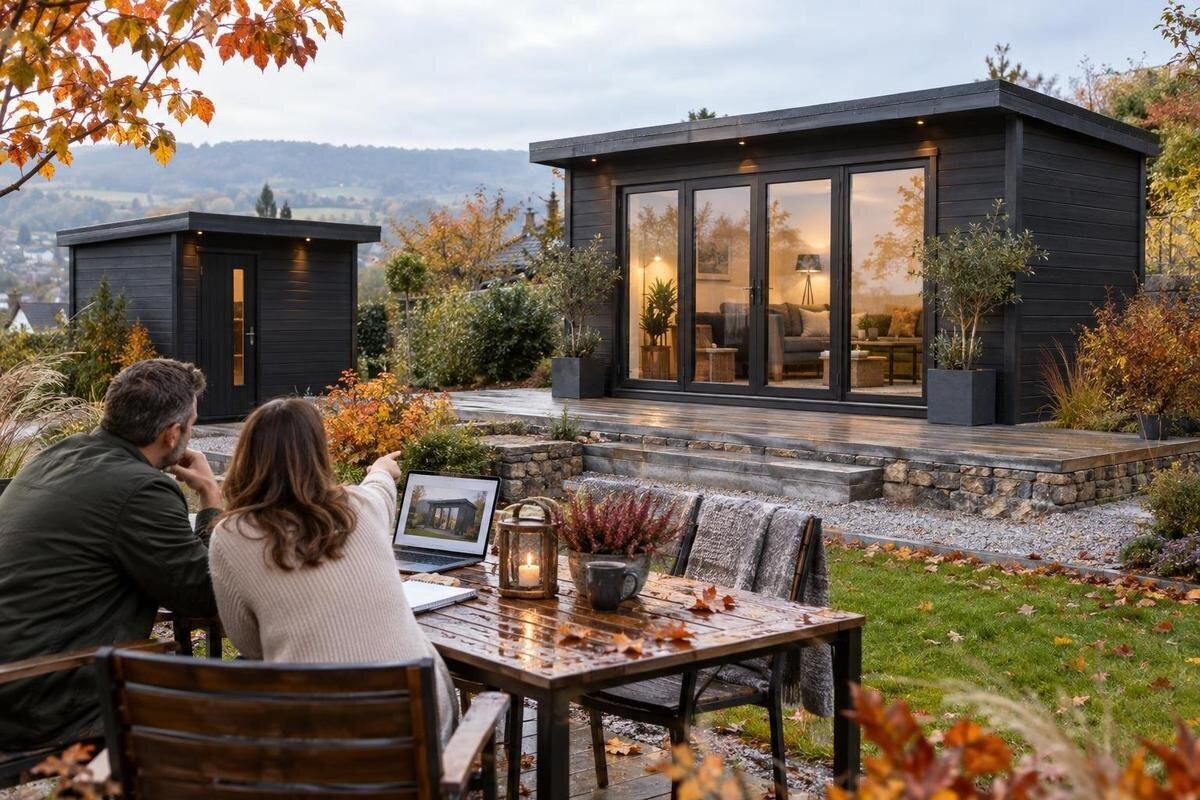
Black Friday garden shed guide
Black Friday can put garden sheds on your shortlist, but a lower displayed price alone does not tell you which upgrade will make daily use better. Decide first whether you need to repair or reorganise what you have, replace a shed that no longer meets the job, or add a specific storage improvement. Then build a budget around the complete purchase and the space it must serve. This guide focuses on practical priorities and fair comparisons; it does not assume that a sale or discount is available.
01
Repair or replace the existing shed?
Walk through the existing garden shed with a note of what is failing, rather than beginning with a shopping list. Separate condition problems—water getting in, a door that will not close, or visible damage—from organisation issues such as tools hidden behind stored items or space that goes unused. Note how often each problem occurs and which task it interrupts. Record what you actually store and which items need to be easy to reach. A decorative change will not solve water entry, while buying a new building may be unnecessary if the main issue is clutter. If damage looks structural or its cause is unclear, ask a qualified person to assess it before budgeting for cosmetic work.
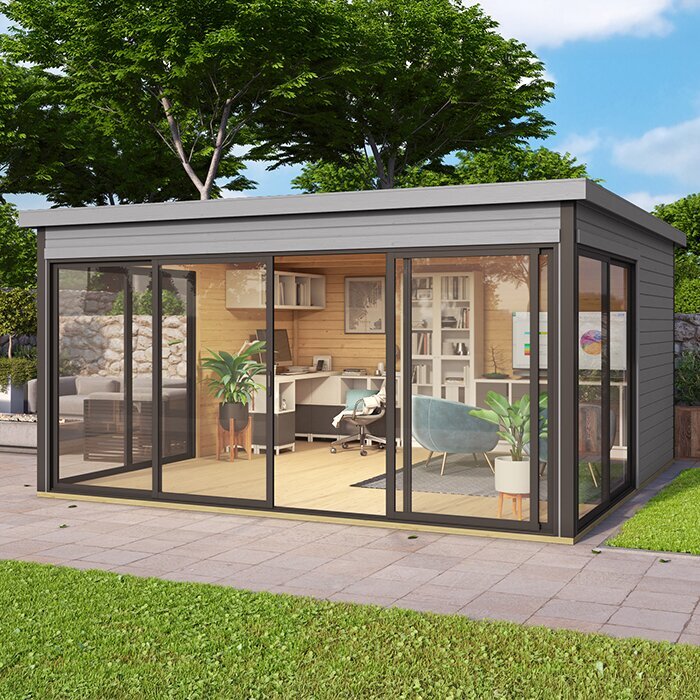
Compare three routes: repair, reorganise the current shed, or replace it. Note the expected cost and result for each; use a quote where work is involved, rather than treating a rough estimate as settled. Replacement deserves consideration when a practical repair will not restore the use you need or the present layout cannot accommodate it. Include any necessary clearing or site work in the replacement calculation instead of comparing the product price alone. Also consider disruption: emptying, sorting and temporarily storing the contents can affect whether a repair is manageable or replacement is realistic at that time. For a possible replacement, add Veltor 1 garden shed to your comparison sheet and test the current listed information against your written needs. The model name and image alone do not establish fit, dimensions or included items.
Set a budget for the whole project
Before browsing, decide the maximum amount you are prepared to spend on the complete upgrade, not merely on the shed itself. Make separate lines for the building, any site preparation or base, assembly, finishing or treatment if required, and internal storage additions. Keep a reserve for unexpected work; do not commit the full ceiling to the product and leave no room for essentials. The right balance depends on the site and the project, so a fixed percentage is less useful than a written estimate for each line. If costs are not yet known, mark them as provisional rather than silently treating them as zero.
For each candidate, record the displayed price and date, what the listing says is included, any optional services, and the total you expect to pay at checkout. Keep notes in one place so that prices, product versions and assumptions are not mixed between listings. Use Verdana 1 garden shed as one row in that table, adding only details you can confirm from the current page or a written quote. Do not assume that a floor, base, assembly or treatment is included unless the terms say so. If the total goes beyond your ceiling, compare a smaller scope or a different candidate; do not hide the gap by leaving necessary work out of the calculation.
02
Prioritise problems by how often they matter
Give each potential improvement a priority based on its impact, not how visible it is in a product photo. Put items that stop you using the shed for its intended purpose at the top; next come repeated inconveniences, such as having to move several tools to reach one item. Cosmetic changes and convenience extras can sit lower if the existing shed remains useful. For each issue, note how often it occurs, who uses the shed, and what happens if it waits another season. This short assessment makes a limited budget easier to allocate and separates a genuine need from an idea that simply looks attractive.
Turn the top priority into a test for any purchase: what specific problem must it solve, and what evidence on the listing confirms that it can? Write the answer in plain terms, such as easier access to equipment or room for items that currently have no suitable home. A product is not a better upgrade merely because it appears during Black Friday. Add Verdana 2 garden shed as a candidate only if its verified details can be compared against that test; otherwise keep it off the shortlist. This approach also helps prevent overlapping purchases, such as adding storage accessories and replacing the shed when only one of those changes may address the problem.
Measure storage needs and available space
Make an inventory before choosing capacity. Measure bulky items such as a mower, bicycle, bins or long-handled tools, and list smaller equipment that currently gets stored elsewhere. Include seasonal belongings only if they will genuinely live in the shed, and note whether you need room to take something out without shifting everything else. Storage space is useful when you can reach and return items, not just when they fit on paper. If you expect to work inside the shed, allow for standing and moving space too; do not count every part of the footprint as storage.
Measure the intended area and check the external dimensions, usable interior dimensions and entrance opening shown for each candidate, where those details are available. Note fixed obstructions near the proposed position, including walls, boundaries, trees, taps or existing storage, as these can affect access and usable space. Consider the space needed to open the entrance and move long objects through it; a photo cannot confirm either. Mark a possible footprint on the ground with tape or string to see how it relates to paths, plants and other items. Compare the Durano garden shed listing by the same measurements, and ask for any missing figures rather than inferring them from its name or image.
03
Compare usable value, not just the price
Compare candidates using equivalent information, not just one large figure in the price box. Record the stated footprint, usable interior dimensions, entrance opening, material and included components only where the listing gives them, then note any gaps that need clarification. If two prices cover different configurations or different amounts of preparation, they are not directly comparable. A lower price may still be the right choice if it meets the requirement; a higher price is justified only by a useful difference you can identify. Avoid assuming that an option is better quality or longer-lasting unless published details support that conclusion.
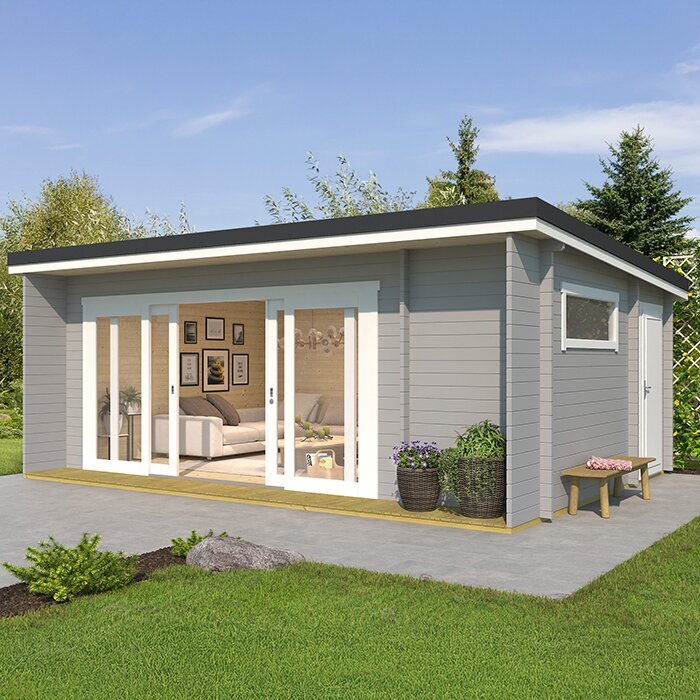
Consider whether additional capacity or a particular feature solves a need you have written down. Ask what you would give up if you selected the less expensive option, then decide whether that difference would affect ordinary use rather than simply look appealing. If it does not, paying more for it may use money better kept for preparation or a more relevant improvement. Price per area can be a rough comparison, but it does not account for access, layout or what is included. Add Orello 1 garden shed to the comparison only after checking its current specifications. Do not infer dimensions, materials or suitability from the model name or product image.
Include site preparation and fitting costs
A shed purchase may involve more than the product itself. Allow for any required preparation of the intended area, a suitable base, assembly and finishing or treatment if the product calls for it. Requirements depend on both the particular shed and the site, so do not choose a base by guessing or relying on a general rule. If you are uncertain about the ground, preparation or fitting requirements, ask a qualified installer to assess what is needed before settling the budget. This helps prevent a low product price from disguising a project that costs more than expected once the site is ready.
When comparing quotes or services, find out what each one covers and who is responsible for each part of the work. Ask whether the quote identifies exclusions, prerequisites or work that must be arranged separately, so the figures can be compared fairly. Keep product, preparation and fitting figures on separate lines so you can see where the total comes from. Check the current details for Modano 1 garden shed in the same way as any other candidate, and record only what the product page or provider confirms. If an important cost remains unknown, mark it clearly and avoid treating the remaining budget as available for optional extras.
04
Buy add-ons only for a defined need
Shelves, hooks, boxes and other storage additions can help organise a shed, but only if they solve a specific problem. Decide what each item will hold and where it will go before buying it. Check that the accessory is compatible with the chosen shed and review any stated dimensions, fixing requirements or load limits; do not assume that a fitting will suit every wall or product. Reusing containers or storage you already own may be enough for a simple reorganisation. This is a practical way to improve access without diverting the budget from a more important repair or replacement.
Keep the cost of add-ons separate from the main purchase so you can postpone them if needed. Make a short list of items that can be added after you have used the space, since real use often reveals which access or storage problem matters most. If replacing the whole shed remains an option, compare wooden garden shed M as a separate main purchase, not as though it were an accessory to the existing structure. Check the current product information and budget for any required preparation or fitting before deciding. Avoid committing to both a new shed and a full set of additions until you know what the confirmed dimensions and layout will allow.
Assess Black Friday prices on equal terms
Treat a Black Friday price as a figure to assess, not proof of value. If an offer is shown, note the exact product and configuration, the displayed amount and what the listing says is included. Then compare it with alternatives that meet the same requirements and consider the full project cost, not just the product price. A discount percentage does not show whether the item fits your site or solves your main problem. If you cannot verify a key cost or specification, leave it as an unknown in your comparison rather than counting it as a saving.
Use the same standard for every candidate, including wooden garden storage shed S: check its current product details and compare only facts that are stated. Keep a record of when you viewed the information, as a decision based on an earlier listing may need checking again before an order is placed. Do not assume a feature, dimension, price or stock status from the name alone. Set your priorities before browsing so a seasonal promotion does not turn an optional purchase into an apparent necessity. A candidate deserves consideration when its confirmed details meet your needs and its complete cost stays within your budget, whether or not it carries a promotional label.
05
Stage the work and postpone optional extras
Not every improvement has to be bought at once. Put essential repairs or the replacement that resolves a genuine limitation ahead of appearance-led changes. If you are buying a new shed, decide which costs are needed to make the main purchase usable and which additions can wait until you have planned the interior. Staging purchases can make the budget easier to manage and reduce the chance of buying storage accessories that do not fit the final layout. Write down what must be done now and what can reasonably be reviewed later.
A staged plan also gives you a fallback if no current candidate meets your requirements at a sensible total cost. It can also make comparison calmer, because you are deciding the main purchase first rather than trying to resolve every future storage preference in a single order. You can keep the budget for another opportunity rather than lowering a key requirement just to make a purchase during Black Friday. For each item on the later list, state the problem it would solve and what information you would need before buying it. That way, optional upgrades remain connected to a practical use instead of becoming an open-ended shopping list.
Check the complete order before committing
Before placing an order, confirm the exact product identity and review the stated dimensions, entrance opening, materials, included components and any preparation requirements that matter to your plan. Check the product details rather than relying on a photograph or a similar-sounding model name. Make sure the figures you used for the budget still match the current listing or quote, and account for any fitting or finishing costs you expect to incur. If a detail is missing or unclear, seek confirmation before treating it as settled; an unknown specification can change whether the shed is suitable.
Use a final written test: does this purchase resolve one of your highest-priority problems, fit the space you measured and stay within the complete project ceiling? Check that the product name and selected configuration in the order match the listing you compared, especially where several similar options are shown. Also review the order information and any stated warranty or service terms without assuming what they cover. If you cannot answer those questions from confirmed details, pause and compare again. A clear decision does not require buying the most features; it requires understanding what the budget pays for and how the upgrade will improve the way you use the garden shed.
Frequently asked questions
How should I set a garden shed upgrade budget?
Set a ceiling for the complete project, then list the shed, site preparation, fitting, finishing and any storage additions separately. Use confirmed prices or quotes where possible, and leave room for costs that are not yet clear. A product price on its own is not a complete budget.
Should I repair my current shed or buy a replacement?
First identify what is not working. If the problem is mainly clutter or poor organisation, rearranging the contents may be enough. If the shed’s condition or layout prevents its intended use, compare repair and replacement costs, including any site work, before deciding.
Is a Black Friday price automatically good value?
No. Treat any displayed price as one figure to compare, not proof that the purchase is a bargain. Check that you are comparing the same product and configuration, review what is included, and consider the complete project cost.
Which garden shed upgrade should I prioritise?
Put the change that resolves a recurring, practical problem first. Consider how often the problem occurs and whether it stops you using the shed as intended. Appearance and optional accessories can usually wait if the essentials still need funding.
Is a bigger garden shed always better value?
Not necessarily. Extra capacity is useful only if it fits the available space and serves a real storage need. Check the stated external and internal dimensions, the entrance opening and the amount of space needed to reach stored items before comparing prices.
A worthwhile garden shed upgrade starts with a clear problem, not a promotion. Set a ceiling for the complete project, compare candidates using confirmed details and put the improvements that matter most ahead of optional extras. If no current option fits both your space and your budget, keep the plan and review it later rather than buying a shed that does not meet your needs.
