
Building a Garden Shed in a Shared Garden: Practical Questions
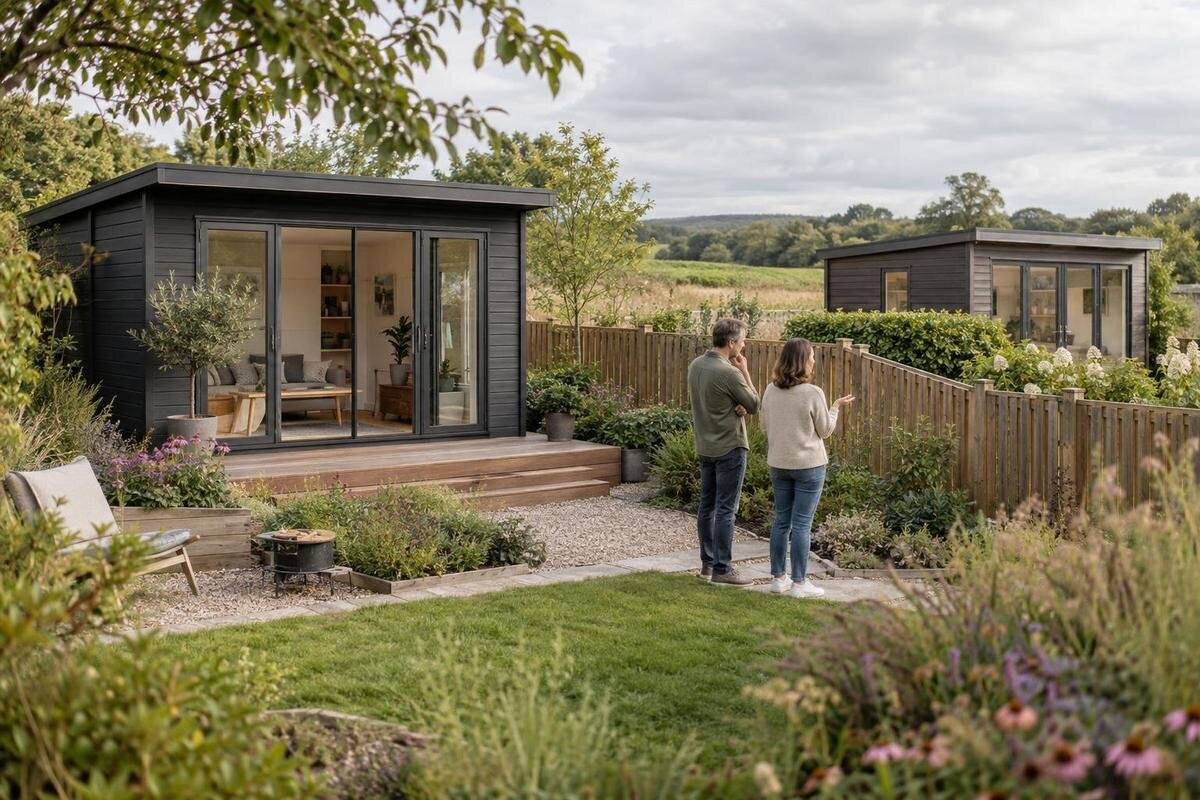
Garden sheds
A garden shed in a shared garden is both a purchase and a decision about common space. Before ordering, agree who can approve it, what it will hold, where it can be reached, who pays and who will look after it. A shared plan helps residents compare garden sheds against agreed needs instead of choosing a model first and trying to resolve access or ownership afterwards.
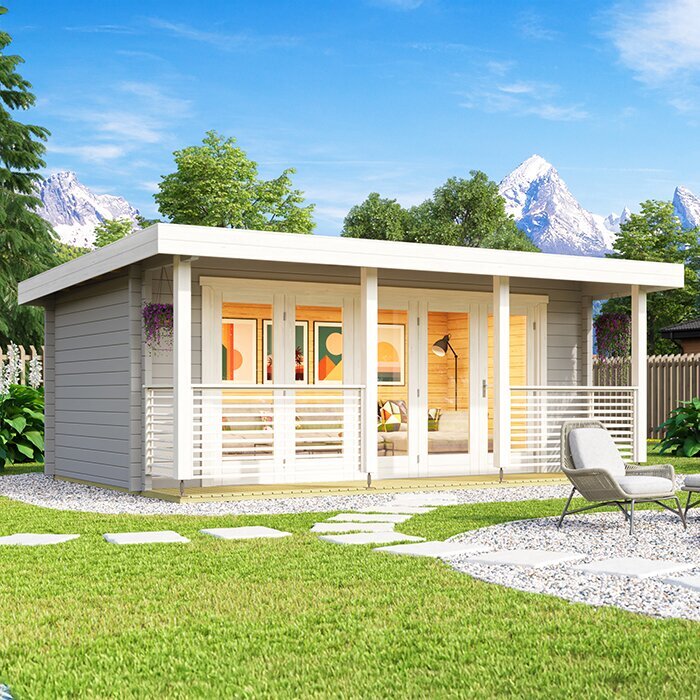
Who can approve a shed in the shared garden?
A shared garden may belong to one owner, several owners, a landlord or a managed building; the fact that residents use it does not by itself show who can authorise a permanent structure. Establish who controls the garden and who can decide about changes. Depending on the arrangement, that could involve a property owner, building manager, owners’ association, landlord and residents affected by the proposal. Ask who must approve the shed and who may place the order. If written house rules or an agreement already covers the shared space, check what it says about adding structures; an earlier decision about movable items may not settle this question. Do not assume the person who pays can commit everyone else.
Make the request concrete before discussing models: explain what the shed would store, how it would be used, its proposed position and how access, payment and upkeep would work. Ask what form approval needs to take, who records it and whether any conditions or review date apply. A conversation can help gather views, but keep the final decision in an agreed written record, such as the appropriate meeting note or property file. If the authority to approve is unclear, pause and ask the owner or manager; seek local professional advice where a property rule needs interpretation. This helps avoid ordering a building that the people responsible for the garden have not agreed to.
What will the shared shed be used for?
Start with a shared inventory rather than a picture of a shed. List what the group expects to keep there: communal gardening tools, pots, supplies or other items used to maintain the garden. Separate these from personal belongings and from objects nobody has agreed to store. Prioritise items used often, since they affect access and organisation; occasional items can be considered after the essentials. For each item, note whether it is shared or individually owned, who needs to reach it and whether it needs to stay in the garden. Ask residents to identify duplicates or equipment that can be removed before adding storage. A clear purpose helps prevent the shed becoming a catch-all simply because space is available.
Agree the user group at the same time. A shed for shared tools may need access for a gardener or appointed caretaker, while a space for residents’ private belongings would require different rules and a careful allocation. Decide whether all residents can use it, whether access is limited to named people, and who can approve new items or users. Set a simple way to identify contents, such as labelled sections or a shared inventory, and say how unwanted or abandoned items will be handled. Record anything the group does not want stored there, so the intended use remains clear after the initial purchase.
Where can it go without disrupting the garden?
Consider how the proposal changes daily use of the garden, not only whether the building can be placed there. Note the routes people already take, where gardening work happens and which areas are used for sitting, planting or another agreed activity. Ask residents who use the garden at different times whether the proposed position would block a route, restrict access to a shared feature or alter a valued view. A simple sketch can make the discussion easier: show the proposed footprint and the circulation space that should remain, without treating a sketch as a substitute for checking the actual site. A location convenient for one resident may make watering, garden care or moving shared furniture awkward for another.
Check the relationship to doors and windows, nearby paths and areas that need to stay clear. Consider how the shed will look from the parts of the garden residents actually use. The group may also need a professional view of the surface, drainage or services before agreeing to a fixed installation; avoid guessing about ground conditions. Once a position is acceptable to the group, compare the actual product dimensions with the available space and access. For example, the Verdana 1 garden shed page is a catalogue candidate to assess; check whether the page or supplier confirms relevant dimensions and placement requirements rather than inferring them from the name or image.
How will people reach it for delivery and everyday use?
Plan the route from the point where a delivery vehicle can stop to the chosen site. Check gates, corners, changes in level and shared paths, and ask the supplier how the selected shed is delivered and whether its parts need to be carried through a confined area. Do not infer package sizes or handling requirements from a model name or photograph. If the route passes through a common entrance or a neighbour’s area, agree access beforehand and identify who can open gates or arrange temporary access. This discussion can reveal a practical obstacle before an order is placed.
Decide where a delivery can be received and where items may be set down temporarily without blocking an entrance or making the garden unusable. Confirm any delivery or assembly conditions directly with the supplier, including what the buyer must arrange and whether an installer needs site access. The Verdana 2 garden shed page can be saved as a candidate, but its name does not establish how it arrives or what access it needs. Check the actual supply and assembly information with the supplier. Choose a contact who can meet the delivery team, alert residents and deal with a change to the agreed time or route.
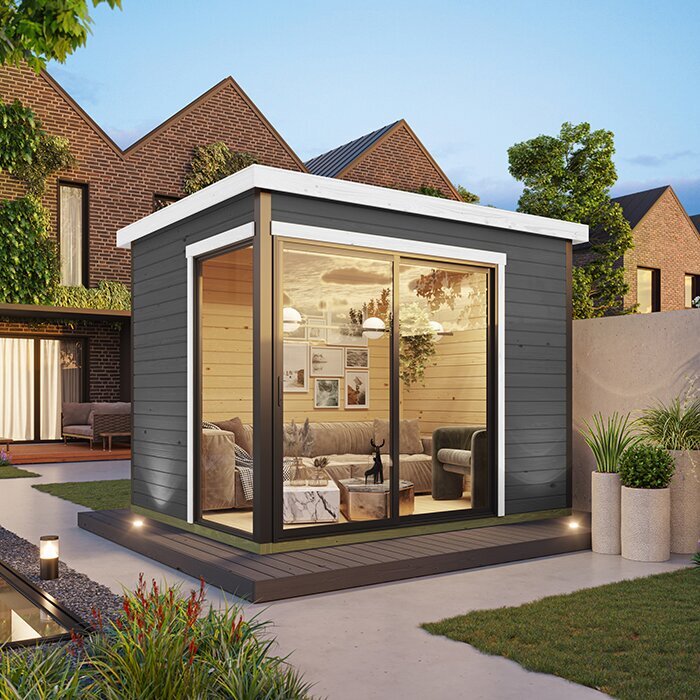
Which shed suits the agreed purpose?
Translate the agreed use into selection criteria. Storage for a few shared tools and a building used for a wider range of garden activities may call for different arrangements, so list the items, how often they are used and how they will be taken in and out. Check the published external and internal dimensions, opening details and included components for each shortlisted model, where these are stated. A photograph can help discuss appearance but cannot settle these points. The Durano garden shed product page can be part of the comparison; verify relevant information on the exact listing or with the supplier rather than assuming details from the name. If a detail is missing, mark it as unknown and ask before comparing.
Compare candidates on the same basis: whether the documented space suits the planned contents, whether people can reach and organise those contents, what preparation or assembly is specified, and what care guidance is available for the stated material. Include the building’s appearance in the shared setting, but agree which features are essential and which are preferences. Keep optional fittings and extras separate from what is included in the quoted model. A short comparison sheet prevents an attractive description or one resident’s preference from quietly replacing the group’s agreed requirements. Remove any candidate that cannot meet an essential requirement or fit the approved location.
How will access and stored items be managed?
Decide how the shed will be locked and who will manage access before buying. Agree how many residents, caretakers or contractors need entry, how a new key holder is approved, where a spare is kept and who receives a report if a key is lost. The arrangement should not depend on one resident being permanently available. Do not assume a candidate includes a lock or supports a particular access method: check the product information or ask the supplier. The Veltor 1 garden shed page can stay on the shortlist, but only confirmed product details can answer those questions. If the user group changes, update the access arrangements rather than handing them on informally.
Access rules should also cover what happens inside. Decide whether people may borrow shared tools, whether items need to be signed out, and who returns equipment or reports a problem. A labelled shelf or simple shared inventory can make agreed ownership visible without adding a complicated system. If private belongings are permitted, agree how much space is allocated and how the owner is identified; otherwise, residents may treat unclaimed items as communal. Set a practical process for forgotten or damaged property, and make the rules available to everyone who has agreed access. A key alone does not establish who owns the contents or can remove them.
Who pays for the shed, and who owns it?
Discuss the whole budget, not just the amount shown for a shed. Ask for a current quotation and identify whether the total includes delivery, assembly, site preparation or optional items; also consider routine care, repairs and eventual replacement. Do not estimate these extras from a photograph or assume they are included. A product page such as the Orello 1 garden shed page can identify a candidate for a price enquiry, but the current quote and its inclusions need confirmation. Agree who contributes, when payments are due, who authorises extra spending and how shared costs will be handled if the proposal changes. Keep the agreed costs visible in the record.
Decide separately who owns the shed once it is paid for. The person who places the order, the people who contribute and the group that uses it may not be the same, so note who holds the purchase documents and who can make decisions about repairs, contents or removal. Agree whether the shed and its contents are treated alike or separately, and how a new resident or manager will be informed. If an agreement has financial or property implications that are unclear, obtain appropriate advice before collecting money. Written terms reduce later disputes over whether a contribution paid for access, ownership or both.
What should be checked before placing an order?
Confirm the exact model and version the group approved. Check the supplier’s stated dimensions, opening, contents, materials, assembly needs and care information where relevant; ask for clarification if a detail affects the agreed use or site and is not stated. The Modano 1 product page may be included in a shortlist, but a product name or photograph does not prove its dimensions, included parts or suitability. Keep the supplier’s answers with the decision record, so the person making the purchase and the people who approved it are referring to the same item. Put any change of model back through the agreed approval process.
Review the supplier’s terms for the actual order: the quoted total, what is included, proposed delivery arrangements, buyer responsibilities, assembly arrangements, payment conditions and the process for changes or cancellation. Ask who must be present at delivery and how to report a discrepancy or missing item. The person with authority should approve the final order summary before payment, rather than relying on an earlier shortlist or verbal estimate. Do not promise residents a date or service until the supplier has confirmed it. Keep the invoice and order reference in the shared file. If site preparation raises questions beyond the residents’ competence, ask a qualified installer or relevant professional rather than guessing.
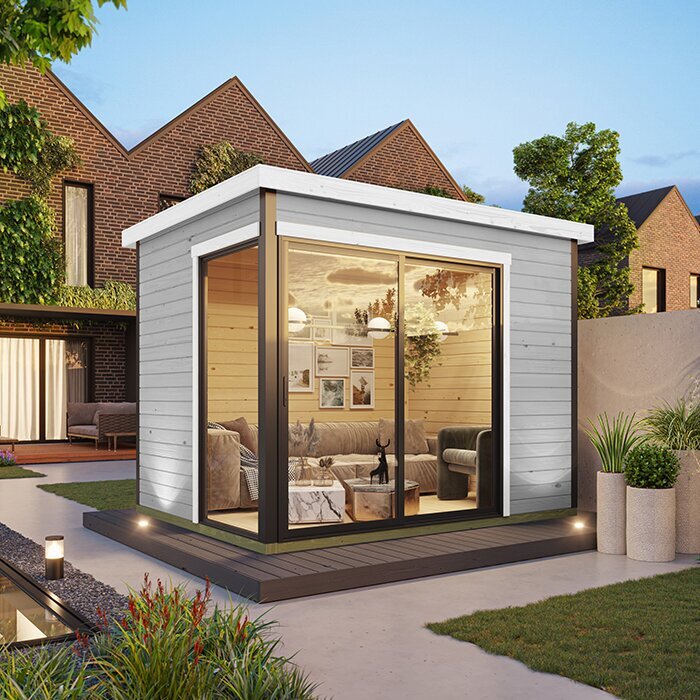
Who will look after the garden shed?
Name the person or role responsible for routine care before the garden shed is installed. Decide who will read the product’s care instructions, keep the exterior and entry area in suitable condition, note issues and arrange normal maintenance; agree how tasks are shared if the named person is away. Do not assume a material or finish has a particular maintenance routine from the model name. Treat the Wooden Garden Shed M listing as a candidate to verify: use the exact product information and care guidance for the chosen version. Keep a simple record of completed care and reported concerns. Responsibilities should be realistic for the residents who have agreed to take them on.
Separate routine tasks from repairs that need approval, supplier guidance or a qualified trade. Agree who reports a problem, who decides whether work is necessary, how the cost is authorised and who keeps residents informed while the shed is unavailable. Do not let a repair change the building or its location without checking whether the relevant approval still applies. Store the order details, product instructions, receipts and maintenance correspondence where the next manager can find them. This record helps new residents continue the agreed plan instead of relying on someone’s memory, and clarifies whether an issue concerns the shed, its contents or the surrounding garden.
What if residents or the garden’s needs change?
Think about changes in residents and use while deciding who owns the shed. A tenancy may end, an owner or manager may change, or the garden’s shared priorities may shift. Agree who can ask for a review, what happens to the stored items, and whether the building may remain, be transferred, relocated or removed if the arrangement ends. Do not assume a future resident automatically inherits a particular storage share or responsibility. Save the Wooden Garden Storage Shed S listing with the written proposal so a later decision-maker can identify the exact candidate, rather than relying on a description remembered from a meeting. Any change should follow the agreed approval process.
Keep one concise record of the final decision: the approved purpose and location, chosen model, authorised purchaser, users and access arrangements, cost split, ownership, upkeep duties and review process. Share it with the people who manage the property and make it available to future residents expected to use the garden. If agreement is not reached, revise the proposal or postpone the purchase; ordering first and leaving access, costs or removal to be settled later can turn a practical addition into an ongoing source of disagreement. Revisit the record if the shed’s use changes.
Frequently asked questions
Do all residents need to agree before a shared garden shed is ordered?
That depends on who owns or manages the garden and on the decision process that applies to the shared space. Find out who is authorised to approve a structure, then involve the residents who will share access or costs. Record the decision and any conditions; do not assume that one resident’s informal agreement commits everyone.
Should we choose the shed before agreeing where it will go?
Agree the intended use and an acceptable location before choosing a model. You can look at product pages while discussing options, but check the actual dimensions and access requirements against the agreed site before ordering. A shortlist is not approval to buy or install a particular shed.
How can we stop the shed becoming one person’s private storage space?
Agree who may use it, what may be stored there and how shared items will be identified. Decide whether personal belongings are permitted, how any allocated space will be recorded and who can add or remove items. Make the rules available to everyone with access.
Who should pay for a shed in a shared garden?
There is no single cost-sharing arrangement that suits every shared garden. Agree the contribution method, payment timing and responsibility for delivery, assembly, maintenance and repairs before collecting money. Record separately who owns the shed and who can make decisions about it.
What should we confirm with the supplier before ordering?
Confirm the exact model and version, relevant dimensions, what is included, assembly requirements and any care guidance. Ask about delivery arrangements and buyer responsibilities, then review the current quote and the supplier’s terms for payment, changes or cancellation. Keep the final order details with the group’s decision record.
Treat the shed as part of the shared garden’s ongoing management, not just a one-off delivery. When authority, use, access, budget and care are agreed before purchase, the group can compare an exact model and order it against clear criteria. Keep the decision and supplier details together, so residents know what was agreed and can handle later changes without reopening every question from the beginning.
