
How to Buy a Garden Shed for a Hobby Room
Garden shed buying guide
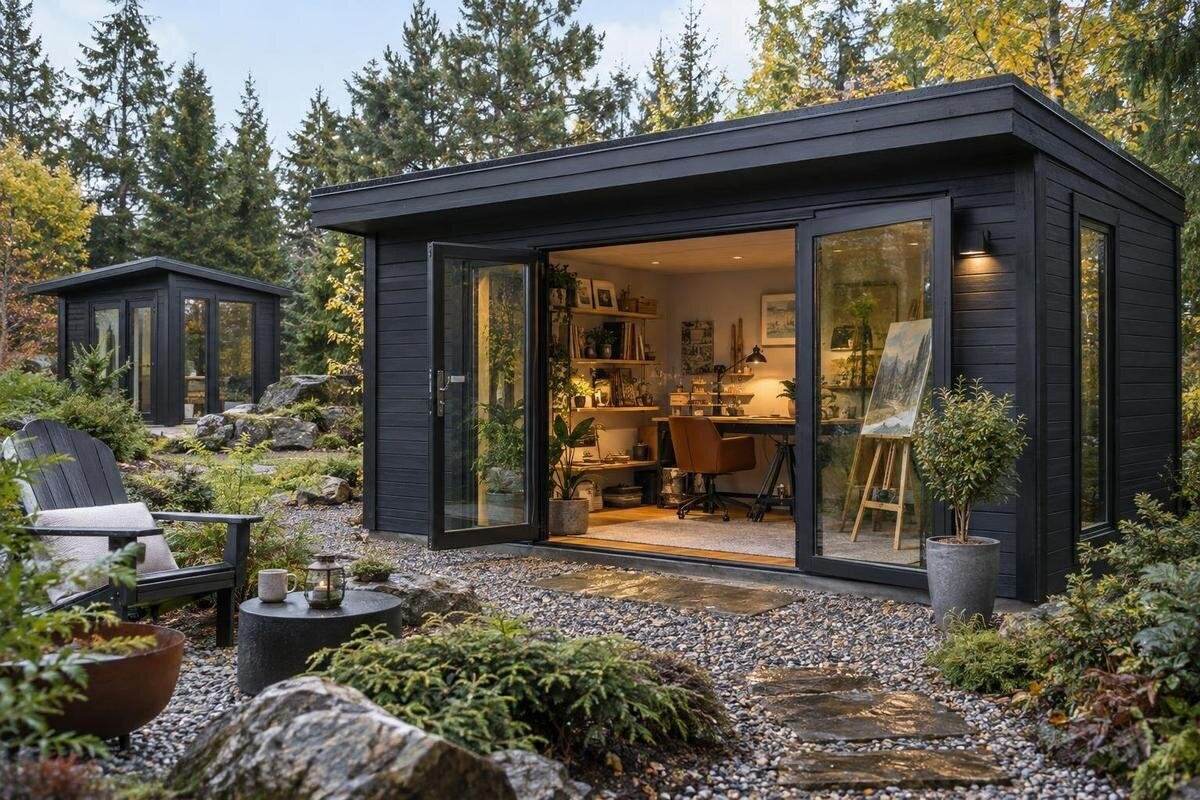
Buying a garden shed for a hobby room works best when the building is chosen around the activities, not a generic idea of a spare room. A sewing corner, model-making bench, puzzle table or collection display can each call for different floor space, access, light and storage. Measure what must fit, decide what needs to stay set up, and compare product information with the garden space available. This guide covers the decisions that shape a practical purchase, from footprint and layout to site preparation and the details to confirm before ordering.
Garden shed buyer checklist 1
Define the hobby before comparing sheds
Begin with what you actually do in the room, rather than choosing the largest footprint the garden can take. List the activities you expect to do most often, who will use the shed, and what has to stay set up between sessions. A puzzle table, sewing machine, model-making bench, collection shelves, or a room shared by several hobbies all create different demands. Separate permanent furniture from things you can fold away; note the dimensions of bulky equipment, boxes and unfinished projects. Also consider whether you need a clear place to sort materials before work begins. This turns a hobby room into a usable brief and helps prevent an appealing floor plan from feeling cramped.
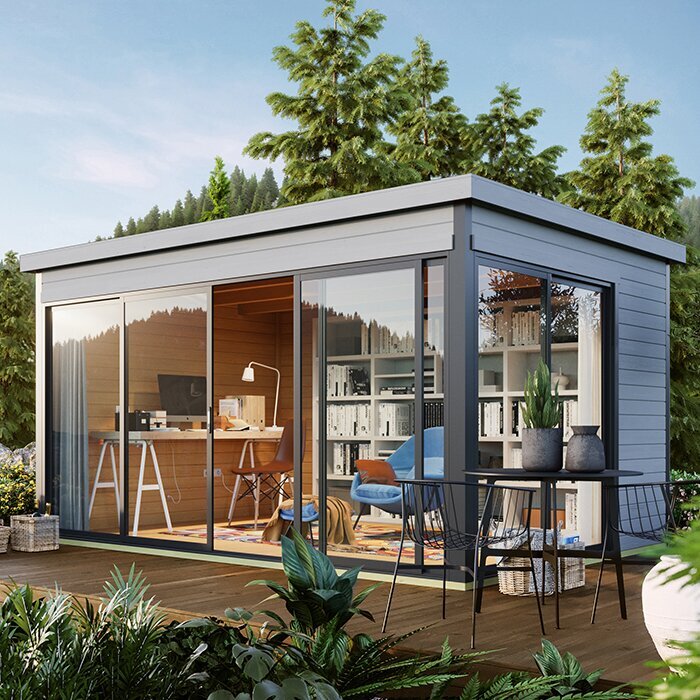
Decide how the room will be used over a typical week, not just on the day you draw the plan. A short visit to sort a collection needs less preparation space than a project that remains spread out, while two people working together need a clear route past one another. Write down what must be accessible at the same time, what can be stored elsewhere, and which activities can share a bench. Use that list when you review the Verdana 1 garden shed page and other options; treat it as a comparison entry, not proof of suitability. A shed that looks suitable in a photograph still has to meet your measured brief.
Measure usable floor space, not just the footprint
Measure the footprint of the workbench, table, chair, shelving and largest item you plan to keep inside. Then mark those shapes on squared paper or with removable markers on the ground, leaving room to pull out a chair, open a drawer and walk around the working area. Include the route from the entrance to the main activity: stored boxes placed in that path can make a generous-looking floor plan awkward. Add the depth of cabinet doors when open, and note whether a project needs access from more than one side. Keep the sketch labelled with dimensions so you can compare alternatives consistently rather than judging from memory.
Check whether the dimensions shown for a shed refer to its outside or inside, and whether internal features reduce usable area. Wall thickness, supports and roof shape can affect where furniture fits; ask for a dimensioned drawing if the information is unclear. Mark the outside footprint on a garden plan as well, including room to reach the entrance and carry items in. When comparing the Verdana 2 garden shed listing, record external and internal measurements separately if both are supplied. Never infer interior size from a product name or photograph. If a measurement you need is not stated, request it before deciding.
Garden shed buyer checklist 2
Plan the layout around work and storage
A useful layout separates three things: the place where you do the hobby, the items you need within reach and the supplies that can be stored away. Put the main bench or table where you can work without blocking the entrance; arrange shelves, cupboards or boxes so frequently used items are not buried behind less-used ones. Leave a clear path from door to work area, and allow access to the sides of an object if the task requires it. If projects stay unfinished between sessions, decide where they can sit without taking over the route. These zones show whether a building can support your routine rather than merely contain furniture.
Sketch more than one arrangement before settling on a footprint. A central table may suit work approached from several sides, while a bench against a wall can preserve floor area; neither arrangement is automatically better. Note where a door opens, where windows sit and whether storage could cover them or restrict access. Compare your plan with the layout information on the Durano garden shed page, without assuming the model has a particular internal arrangement. If dimensions or opening positions are not shown, ask for a plan instead of deciding from a single exterior image. Keep space for bins or a trolley if these are part of your routine.
Check the doorway and headroom
Door access deserves a measurement of its own. Measure the largest item you expect to bring in, including how it has to be turned, and compare it with the stated clear opening rather than the overall door or building width. Allow for handles, thresholds and the approach from the garden; a narrow path or a sharp turn can make moving furniture difficult even if the doorway seems adequate. If tools or hobby equipment arrive in separate pieces, work out what must pass through the entrance and what can be assembled inside. Include the chair or trolley you might use to move objects, if relevant.
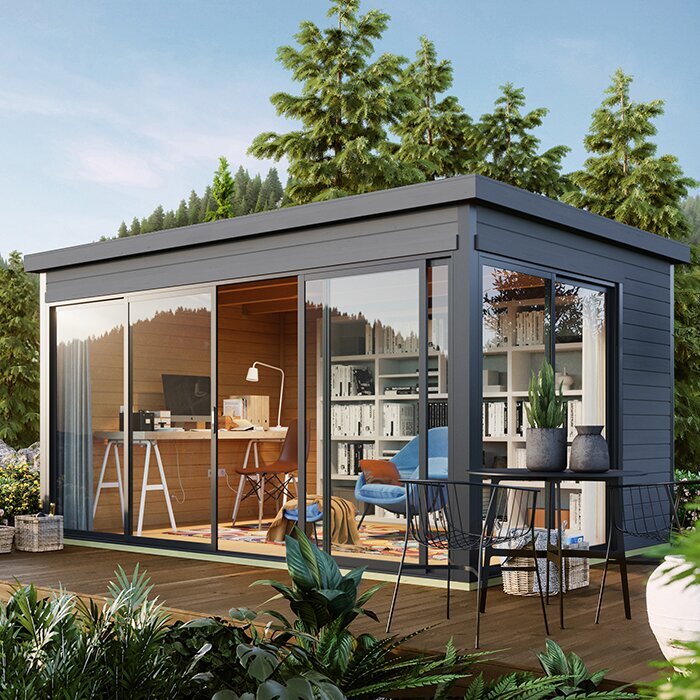
Check the height of the room where you will stand, sit or store tall items. Roof shape can leave less headroom near an edge than at the centre, so use a dimensioned drawing and ask for help interpreting any unclear figures. Think about reaching shelves and opening cabinets without collision, too. Add the Veltor 1 listing to a shortlist only as a page to assess: use its actual door and internal measurements rather than reading suitability into its name. If a practical access detail is missing, ask before placing an order. This is especially important when a hobby involves bulky equipment that cannot be taken apart.
Garden shed buyer checklist 3
Balance daylight, privacy and wall space
Daylight can make detail-oriented hobbies easier to enjoy, but the useful amount depends on your activity and where the shed will stand. Consider where the work surface could sit relative to windows, whether bright light might cause glare on a screen or glossy surface, and whether daylight reaches the task from a helpful direction. Walls, trees and nearby buildings can change the light across the day, so look at the proposed site at different times rather than judging it from one sunny moment. Plan separate task lighting if you need light after dark or on dull days.
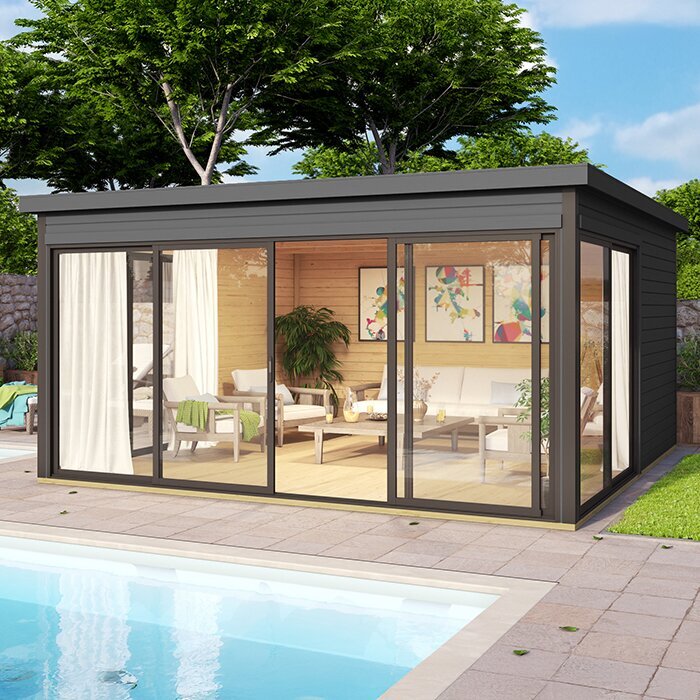
Windows also affect privacy and the wall space available for shelves or storage; more glazing is not automatically easier to arrange. Decide whether you want a view, a more enclosed setting or a balance between the two, then check the position and size of each opening in the product drawings. Review the Orello 1 garden shed page as one part of a comparison, and verify its published configuration rather than assuming a feature from the model name. If your hobby involves materials that may be affected by sunlight, ask their manufacturer about storage and plan any coverings only if they are compatible with the building.
Check ventilation and conditions for year-round use
Think about air and comfort in relation to the activity, not simply the number of hours you hope to spend inside. Some hobbies involve dust, odours, adhesives, paints or other materials that need careful handling; check their labels and the shed maker’s guidance before assuming a garden building is appropriate. Ask what ventilation provisions are included and whether any additional measures are compatible with the structure. Do not use an enclosed room for an activity that needs controls it cannot provide. Where fumes, heat or equipment create uncertainty, seek advice from a suitably qualified professional before buying or using the room.
If you want to use the room through changing seasons, ask what conditions the particular building is intended for and what the maker says about insulation, ventilation, moisture and care of stored items. A product description may not establish how comfortable a building will feel in your garden, so do not rely on a broad label such as all-season unless the specification explains it. Review the Modano 1 garden shed page against the same questions you ask for every option. If comfort or protection for sensitive materials is essential, get the relevant details before treating an attractive appearance as a substitute for suitable information.
Garden shed buyer checklist 4
Compare materials and ongoing maintenance
Compare materials and finishes by looking beyond appearance. Find out what the walls, roof, floor, doors and glazing are made from, which components arrive finished, and whether any treatment or follow-up care is required. For timber, use the supplier’s stated maintenance instructions and ask how often the finish should be checked in conditions like those at your site; different products may have different care needs. For any material, consider whether you can reach the exterior for cleaning or maintenance after the shed is positioned. The practical effort and cost of upkeep belong in the purchase decision alongside the initial outlay.
Consider exposure around the chosen spot: direct sun, wind-driven rain, damp ground or salty air can make product guidance especially relevant. Ask the supplier whether the stated finish and construction suit that setting, and what preparation is expected before assembly. Check which parts may need periodic attention and whether the manufacturer specifies compatible cleaning or coating products. Treat the wooden garden shed M page as one place to inspect: compare its actual materials and care notes with alternatives rather than assuming the word wooden tells you everything. If the information is incomplete, request it before finalising your shortlist.
Check the site, base and delivery route
The base and the space around the shed affect whether your chosen layout will work. Check what base the manufacturer requires and whether the ground at the proposed location is suitable; do not assume an existing lawn, paving or patio meets those requirements. Consider slope, drainage, access for installation and whether the finished floor will sit comfortably alongside the garden path. These are site-specific matters, so follow the product guidance and ask a competent installer or other qualified professional if the ground or base is uncertain. Check the footprint against the prepared location before settling on a size.
Map the route from the delivery point to the final position, including gates, narrow turns, steps, low branches and surfaces that could limit movement. Ask what arrives as a package, whether assembly is required, and what access or preparation the seller says is needed. Confirm who is responsible for preparing the base and what must be completed before delivery. A model that fits on paper may still be impractical to install if panels or components cannot reach the garden, so resolve the route early. If someone else will assemble it, agree how the site should be left ready before work begins.
Garden shed buyer checklist 5
Review security and any services you need
Security matters when the room will hold tools, collectibles or unfinished work. Decide which possessions need to remain inside and whether they can be put away out of sight when the room is not in use. Check the product information for door closure, lock and glazing details, and whether extra security features are offered; do not assume these from a photograph. Consider the shed’s visibility from the house and neighbours while keeping everyday access convenient. If you plan to store valuable items, think about the wider security arrangement, not only the building, and check your own insurance conditions if cover is relevant.
List any services the hobby genuinely needs, such as task lighting or power for a small appliance, before choosing a site. A product page does not by itself confirm that a building is equipped for electrical use. Ask the seller what is supplied, then consult a qualified electrician about suitable provision; do not plan electrical work from a photograph or guess. If the hobby can use rechargeable or battery-powered equipment, consider whether that is practical, while still following the maker’s guidance for storage and use. Essential services should be clear before you commit to a model, rather than added as an afterthought.
Compare the shortlist and confirm order details
Bring the measurements, sketches and requirements together in a comparison table. Give each option a row and check its external footprint, usable interior dimensions, door opening, headroom, window positions, stated materials, maintenance, base requirements and assembly arrangements. Mark any missing detail instead of treating it as acceptable by default. Add the wooden garden storage shed S page as another entry, but judge it on the same evidence as differently named options. A simple table can reveal compromises in usable room, access or preparation; it also helps you explain exactly what you need when asking the seller for clarification.
Before ordering, confirm the exact model and configuration, the latest specification, what is included, and the total cost of the building and any separately charged preparation, delivery or installation. Check the expected assembly tasks, returns and warranty terms as well. Ask the relevant local authority or a qualified professional about planning or building requirements that may apply to your site; do not rely on a general rule for a decision that depends on local circumstances. Keep the answers with your measurements and order records. If two sheds meet your essential needs, choose the one whose layout and maintenance you can manage comfortably, rather than paying for unverified or unnecessary features.
Frequently asked questions
How do I choose the right size for a hobby room?
Measure the furniture and largest equipment you will use, then allow space to sit, stand, reach storage and move around the work area. Compare those measurements with the shed’s usable interior dimensions as well as its outside footprint. A sketch helps you test the layout before ordering.
Should I include storage when working out the size?
Yes, if tools, materials or unfinished projects will stay in the room. Note the dimensions of shelves, cupboards and boxes, including the space needed to open doors or drawers. Decide what must be close to hand and what could be stored elsewhere, then include that in your floor plan.
Are windows essential in a garden shed for hobbies?
There is no single answer: daylight, privacy and available wall space matter differently for each activity. Check the size and position of any openings in the product information, and consider whether they suit your chosen work surface and storage. You may also want separate task lighting.
Can I use a garden shed for hobbies throughout the year?
Do not assume every garden shed is intended for year-round use. Ask the supplier what conditions the particular building is designed for, and check the guidance on insulation, ventilation, moisture and storing any materials you use. If your activity needs specific controls, get professional advice before choosing.
What should I confirm before ordering a garden shed?
Confirm the exact model and configuration, internal and external dimensions, door opening, base requirements, materials, maintenance and assembly arrangements. Also check what is included, the total costs, delivery details, returns and warranty terms. Ask the relevant local authority or a qualified professional about any site requirements that apply.
The right shed gives your usual hobby enough usable space without making the garden, access route or upkeep awkward. A measured sketch, a realistic activity list and a comparison based on product information will show whether the layout works. If a key dimension, base requirement or intended-use detail is missing, get a clear answer before ordering; it is more useful than choosing by name or appearance alone.
