
Buying a Garden Shed for a Coastal Location
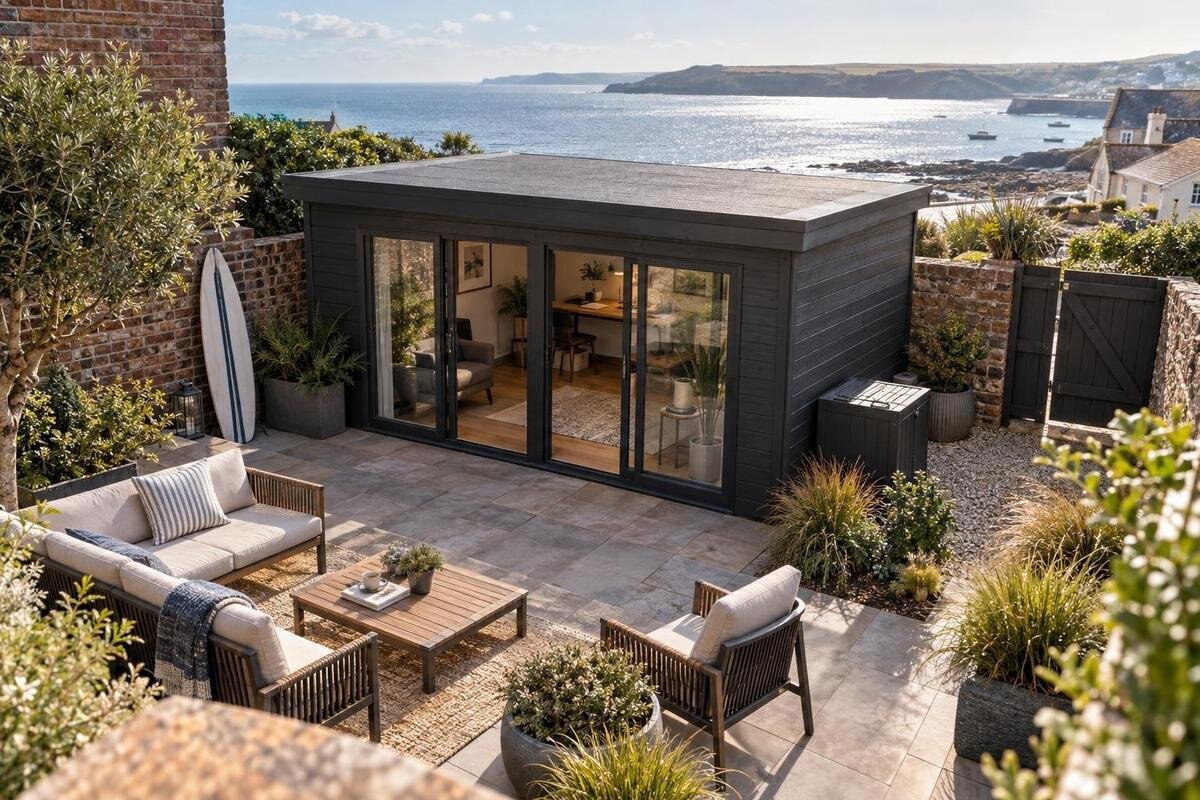
Coastal garden shed buying guide
Buying a garden shed for a coastal location means weighing more than its footprint and appearance. Salt carried by the wind, exposure to gusts, damp ground and strong sun can all affect the building and the care it needs. A site close to the sea is not automatically the same as another coastal plot, so choose from the conditions at the exact position. Compare documented construction and maintenance needs, ask what exposure the shed is designed for, and then judge whether its size and layout suit your storage.
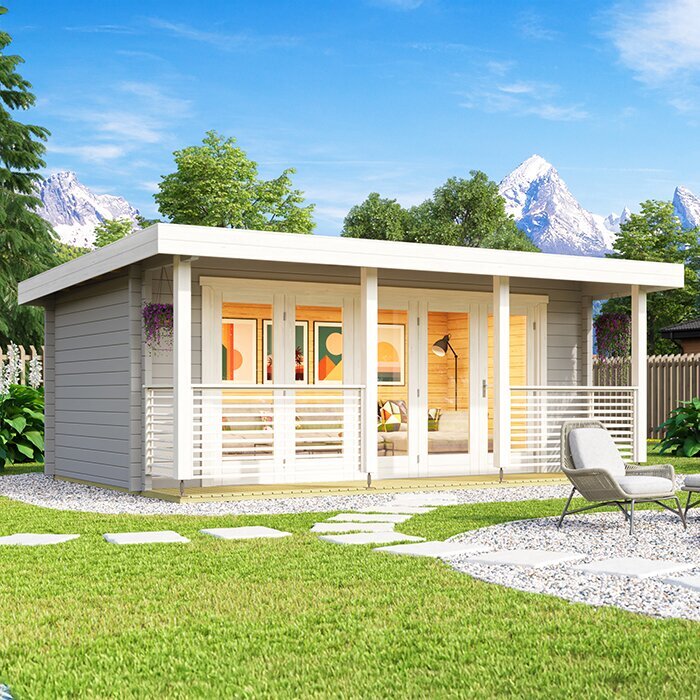
Coastal exposure varies from plot to plot
Coastal exposure is not one fixed condition. A shed in a sheltered courtyard may face quite different weather from one on an open boundary, even if both are near the sea. Wind can carry salt onto surfaces beyond the shoreline, while wind-driven rain and persistent damp affect exposed materials and joints. Strong sun is another consideration: some finishes change or fade with prolonged exposure. Distance from the water is therefore only a rough clue; shelter, orientation and the way air moves around buildings matter too.
Look at the proposed position rather than relying on a general label such as 'coastal'. Notice which existing surfaces collect salt residue, whether exposed metal or coatings show wear, and whether gusts funnel between walls or buildings. These observations help describe the site, but they are not a test of how a new shed will perform. Conditions vary through the year and from one side of a plot to another. If possible, revisit after wet or windy weather; a calm-day impression can hide how the location behaves when exposed. Note nearby roofs, walls, planting and paved areas too, as they can alter runoff, shade and the route wind takes across a small garden. Use what you observe to ask about materials, protection, fixings and care.
Check the proposed position before choosing a size
Before comparing sizes, spend time at the exact place where the shed might stand. Check where rainwater runs from nearby roofs and paving, whether puddles remain, and whether the ground stays damp. Think about wind direction as it reaches this spot: a fence or wall may offer shelter, but gaps and corners can also channel gusts, so do not treat a screen as proof of protection. Note how much direct sun reaches the position and whether an overhang or nearby planting changes it. Consider where downpipes discharge and whether water from a sloping paved surface reaches the proposed base. Observations on different days give a more useful picture than choosing from a single visit.
Plan access to the outside of the building as well as the area it occupies. You may need to inspect, clean or renew a finish on more than one wall; pushing the shed tight against a boundary can make that work difficult. Follow the maker's stated base and clearance requirements, and ask before purchase if they are unclear. The base also needs to suit the shed and the ground, but do not assume there is one foundation solution for every plot. Ask a qualified installer or other appropriate professional to assess uncertain ground or exposure rather than improvising a structural detail.
Compare material details, not just material names
Material names are a starting point, not a coastal suitability rating. Timber can need protection against moisture and weathering; metal parts depend on their coating and on how damaged areas are dealt with; plastic or resin bodies avoid some corrosion concerns but still need to suit sun, wind and the design of their joints and fixings. In each case, the construction and maintenance instructions matter as much as the broad category. Also consider whether you can inspect and maintain the components most exposed to weather once the shed is in place. A material that works well in one sheltered garden is not automatically right for a more exposed position.
Compare what is specified for the whole building: walls, frame, roof, floor, hinges, screws and other exposed fittings may use different materials. Check whether protection is factory-applied, whether extra treatment is required during assembly, and how repairs should be made. If a listing such as the Verdana 1 garden shed interests you, use its product information to confirm these points rather than reading a material or performance claim into the name or photograph. Give greater weight to a clear specification than to general adjectives such as 'robust'. If details are absent, ask the supplier before deciding.
Timber sheds need a realistic care plan
Timber can be a reasonable choice in a coastal garden when its construction and upkeep match the site, but it should not be treated as maintenance-free. Moisture and repeated exposure can affect the surface over time, so ask whether the supplied parts are treated, what the treatment covers and what finish is recommended for exposed faces. Check whether the instructions call for treatment before assembly or afterwards, and whether cut ends or concealed joints need separate attention. Do not assume that the word 'treated' means every surface receives the same protection.
Ask for clear guidance on refreshing the finish and cleaning salt deposits without harming it. The right method and interval depend on the product, so follow its instructions instead of choosing a coating or timetable by guesswork. Make sure the proposed position leaves enough access to reach all sides that need care, and keep lower parts away from standing water in line with the supplied requirements. If the Verdana 2 garden shed is on your shortlist, verify its own material and maintenance details from the product information; the model name alone does not establish them.
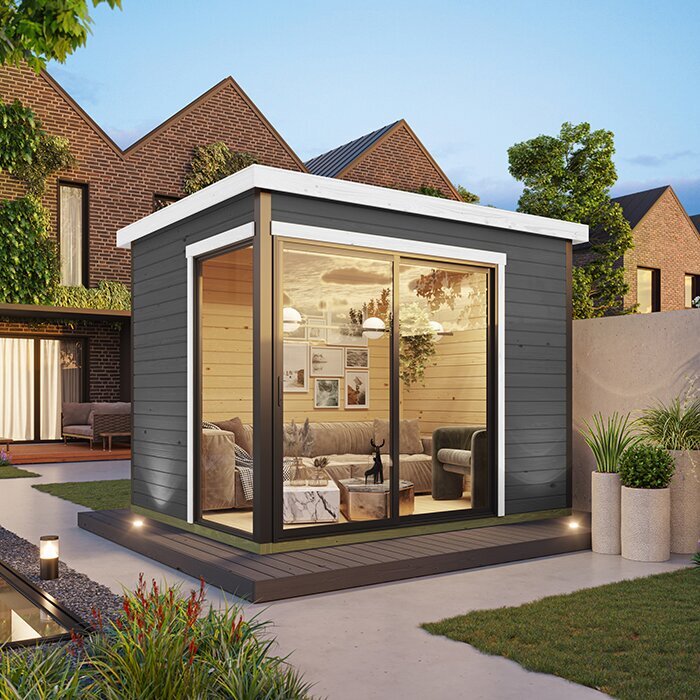
Metal and plastic options need different checks
With a metal shed, ask what corrosion protection is used, which components are coated and how scratches or damaged areas should be repaired. Salt exposure makes the condition of the protective layer and exposed fittings worth checking, especially around joints, fasteners and doors. A general phrase such as 'weather-resistant' tells you less than a specific description of materials and care. Do not assume that a coated panel means every small part has the same protection.
Plastic and resin options do not rust in the way ordinary steel can, but that does not make them immune to coastal conditions. Ask how the material is intended to cope with prolonged sun and the wind exposure at your site, and what the instructions say about assembly, anchoring and upkeep. For any type, consider the exposed components as well as the main panels. A page for the Durano garden shed is a point to assess against these questions, not evidence of a particular material or coastal rating by itself.
Confirm wind suitability and fixing requirements
Wind deserves its own check because an exposed shed can experience forces that are hard to judge by appearance. A heavy-looking building, thick-looking panel or attractive photograph does not confirm that it is designed for a particular level of exposure. Ask the supplier what wind conditions the model is specified for, whether that information applies to your exact site, and which base and fixing arrangements are required. Explain whether the shed will stand beside open ground, a corner, or taller buildings, since this gives useful context for the question. Confirm whether fixings are supplied, separate or selected for a particular base; do not guess from a picture or adapt an installation detail without guidance.
Ask how the door and roof connections are meant to be secured in normal use and during high winds, following the manufacturer's instructions rather than making structural changes yourself. If the location is unusually open or its exposure is difficult to describe, request advice from the manufacturer and, where needed, a qualified installer or engineer. If suitability cannot be confirmed, treat that as an unresolved purchase question. You can ask the same of the Veltor 1 garden shed listing, but its identity and appearance alone provide no evidence of wind resistance.
Consider damp, drainage and stored items
Coastal air and wet ground are separate issues, so assess both. A shed may be exposed to salty air while standing on a dry base, or be sheltered from spray yet sit where water collects. Ask whether a floor is included, what the base beneath it must provide, and how the design manages water at doors and joints. Check that rainwater has a route away from the building rather than simply collecting at its perimeter. Do not interpret a product image or a general weather-resistance phrase as proof that the interior will stay dry in every storm. If you need to store items that are easily damaged by moisture, establish whether the stated use and protection meet that need.
Ventilation can help manage moisture in a building, but it cannot turn a garden shed into a humidity-controlled room, and vents or openings should be understood from the actual specification. Consider the items going inside: garden tools, cartons, fabric and paper each tolerate damp differently, so their storage requirements may influence your choice. Lidded containers can add protection, but they are not a substitute for a suitable, dry building. Review the details for the Orello 1 garden shed as you would for any option, checking the stated floor, openings and care information rather than inferring them from the model name.
Match the footprint and doors to your storage
Size should follow a written inventory, not a rough impression of how much room appears in a product photograph. List the items you intend to store now and likely additions, then consider how often you need to reach each one. Long-handled tools may require a clear wall length; bulky equipment or boxes may need a wider entrance and room to manoeuvre. Measure the largest item, including any handle or projecting part, before deciding that it will pass through the doorway. Leave space inside for the way items will be lifted, removed and returned, rather than counting every square centimetre as usable. Choose a footprint that also leaves access for maintenance outside.
Compare external dimensions with usable interior space, and check door width, height, threshold and opening style in the published details. A door that looks generous in an image can still be awkward for an item you own, while shelves or racks are useful only if they fit the actual layout. Check whether these fittings are included or need to be sourced separately; do not infer this from a staged photograph. When reviewing the Modano 1 garden shed or another model, compare written measurements and included items with your inventory before ordering.
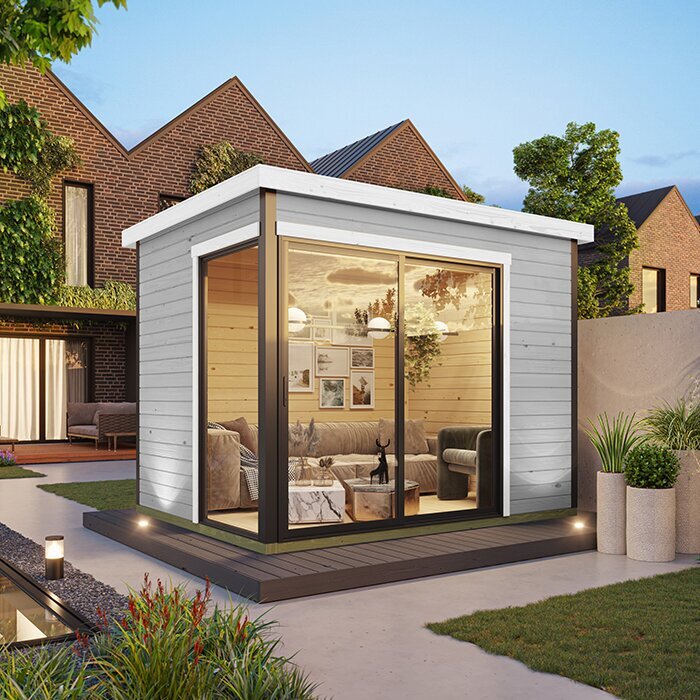
Read the listing details before placing an order
Put shortlisted models side by side in a simple comparison: stated dimensions, materials, finish, floor details, fixings, assembly needs and care instructions. Mark each detail as confirmed, unclear or not stated. This makes gaps visible and stops a polished description from substituting for information that affects installation or future upkeep. Read product notes for what is included and what is optional, and check that the version you are considering is the one described in the specification.
Write down any questions that could change your decision and ask the supplier for a clear answer before paying. Useful points include exposure suitability, exact base requirements, treatment, cleaning and parts that may need replacing over time. Clarify assembly arrangements and the information an installer will need, without assuming that every seller provides the same service. The Wooden Garden Shed M listing can be considered in the same way: use its published details as the starting point, and confirm any coastal-specific point that the listing does not answer. Keep the response with your order documents.
Include upkeep in the cost of ownership
Upkeep is part of the buying decision, not a task to think about only after the shed is assembled. Compare the expected cleaning and finish care for each option with the time and access you can realistically provide. A site with salt deposits or repeated wetting may call for more attention than a sheltered corner, but the maker's instructions—not a fixed rule for every coast—should set the method. Ask what to inspect, which cleaning products to avoid and how to touch up a protective finish. Keep any care guidance with the assembly information.
Plan to look over exposed surfaces, joints, hinges, fixings and lower edges periodically, and after severe weather when it is safe to do so. Watch for a change in finish, loose parts or water getting in, then follow the supplier's repair guidance; do not make structural alterations without professional advice. Ask whether replacement components or maintenance support are available, if this matters to you, and factor consumables and time into your comparison. Treat the Wooden Garden Storage Shed S listing like any other model: assess its actual care details rather than assuming how much work it will require.
Frequently asked questions
Does a coastal garden shed need to be made from metal or plastic?
No single material is right for every coastal plot. Compare how each construction handles moisture, salt exposure, sun and routine care, and look for clear product-specific information about protective finishes and fixings. A material label by itself is not a rating for your site.
Is a timber garden shed unsuitable near the sea?
Not automatically. Its suitability depends on the construction, protective treatment, position and upkeep you can provide. Ask what the supplied treatment covers, when additional care is needed and how to clean salt without harming the finish. Follow the maker’s instructions rather than assuming every timber shed has the same requirements.
Will a fence or wall protect a shed from coastal wind?
It may provide some shelter, but wind can also funnel around gaps and corners. Do not treat a boundary feature as a tested wind break or as proof that a shed is suitable. Describe the position to the supplier and confirm the required base and fixings; seek professional advice if exposure remains uncertain.
What should I ask a supplier before ordering?
Ask about the stated materials and protective finishes, exposure suitability, base and fixing requirements, floor and ventilation details, dimensions, assembly and care. Clarify what is included and what is optional, and how repairs should be handled. Request written answers to any coastal-specific questions the product information does not resolve.
How can I tell whether a shed will keep stored items dry?
Check the specified floor, joints, doors, ventilation and any stated limitations; do not infer watertightness from a photograph or a broad weather-resistance claim. Consider how sensitive your contents are to moisture and whether a standard garden shed meets their needs. Items requiring controlled humidity need storage designed for that purpose.
Coastal suitability is a match between the exact site, the shed's documented construction and the upkeep you can provide. Assess salt, wind, sun and water where the building will stand; compare materials and fixings; confirm dimensions and care instructions before ordering. If exposure or base requirements remain uncertain, pause until the supplier or a qualified professional clarifies them. A well-founded choice rests on verified details and realistic maintenance, rather than a product name or an attractive photograph.
