
Buying a Garden Shed for a Holiday Property
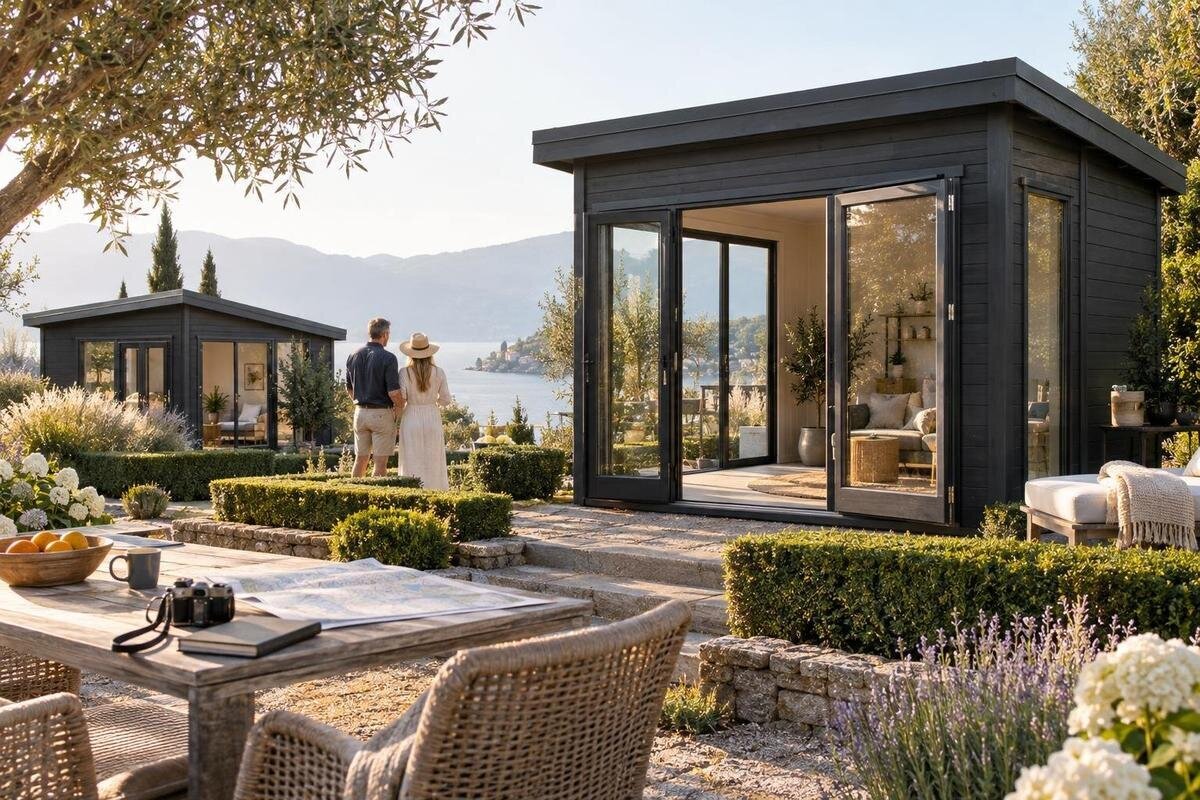
Garden shed buying guide
A garden shed at a holiday property needs to work when you are there and remain manageable while the house is empty. Choosing one is not simply a matter of finding enough floor space: the contents, people who need access, maintenance arrangements and delivery route all affect what will suit. Start with a realistic inventory and measurements, then compare confirmed product details with the site. This keeps the purchase focused on practical storage rather than an assumption that every shed will fit or need the same care.
01
Match the shed to what you will store
List the items that genuinely need to stay at the property: hand tools, garden-care equipment, outdoor cushions, folding furniture, pool accessories if relevant, or supplies used by a caretaker. Mark each as year-round, seasonal or something taken home after every visit. Separate the owner’s equipment from items a groundskeeper or property manager needs to use. This makes the purpose concrete and helps avoid buying space for possessions you do not have. Do not include a long list of imagined future purchases unless there is a clear reason to expect them. Record which items need to be reachable during each visit, since those may need a different position from seasonal belongings. A garden shed is for storage, not additional guest accommodation.
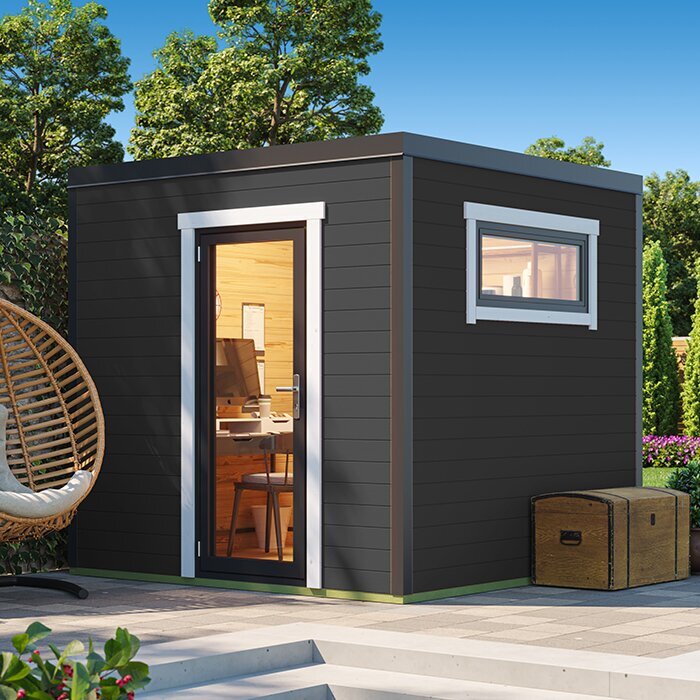
Measure the largest pieces in the position in which they will be stored, including awkward handles, folded legs or stacked parts. Note which objects must be reached without shifting others; a tightly packed shed can make routine property care slower. Include headroom for upright tools and check whether long items can be stored without blocking the entrance. Compare the inventory with stated internal dimensions and the clear doorway, not just the footprint shown in a photograph. Add the Verdana 1 garden shed listing to a comparison table, but enter measurements only after checking the current product details. If an important dimension is missing, ask before ordering rather than estimating from the image.
Measure the site and the contents
Measure the part of the garden you can actually allocate, rather than the whole open area. Mark the proposed footprint on a plan or on the ground, and note nearby paths, doors, windows, drains and other structures. Allow for the route to the entrance and enough room for people to reach it; consider whether an open door could obstruct a path. A shed that fits on paper can still be awkward if its entrance faces a fence or a route that is too narrow for stored items. Check the proposed position from the direction people will approach, not only from inside the house. Confirm any property-management or local requirements that apply before committing to a location.
Compare the listed outside size with the usable space inside, including internal height if you have tall equipment. Check which measurements include projections and whether the product information specifies clearance or base requirements; do not assume the footprint alone tells you the full space needed. Put the Verdana 2 garden shed listing alongside another option using the same measurements and intended contents. A difference in a product name or photo is not a reliable way to judge capacity. If the listing does not state the dimension that matters to you, seek clarification before comparing models, and allow for any access space needed around the completed building.
02
Choose a layout that suits routine access
Think about how a person will use the shed during a short visit. A property owner may only need to retrieve a few items, while a caretaker could visit repeatedly for maintenance. Place the most frequently used equipment where it can be reached first, and consider whether seasonal items can sit farther back or at a different height. Leave a clear route through the interior instead of planning every centimetre as storage. If several people use the building, agree what belongs there and how items should be put away. That makes handovers simpler and helps prevent commonly used equipment being buried under things needed only once or twice a year.
Door position and opening are as important as floor area: check the stated clear opening, direction of movement and space needed outside it. Match these details to the widest item that must pass through and the ground immediately in front of the entrance. A listing such as the Durano garden shed listing belongs in the comparison only after you have confirmed its published layout and dimensions. Check whether shelves or partitions are included rather than assuming they come with the building because they appear in a staged image. Sketch where larger objects and frequently used tools would go, then consider whether a person can still reach the items at the back.
Check the position before placing an order
Walk the intended position rather than judging it from a window or an online image. Check whether people can approach the entrance, whether the site can be prepared as the product instructions require, and whether routine inspection will remain possible around the building. Note nearby trees, gutters or other features that may affect access, falling debris or water run-off, without treating any one site condition as an automatic reason for or against a shed. Consider how the delivery team or installer would reach the chosen spot as well as how the owner will use it later. If the ground is uneven or preparation is unclear, ask the supplier or a qualified installer what the selected building needs.
Check who controls the property and whether any approval, tenancy, shared-space or management conditions need to be resolved before ordering. The Veltor 1 garden shed listing can be one row in your comparison, but assess it against the measured location and stated preparation guidance, not against an assumed fit. Confirm where the entrance would face and whether access will remain available for future maintenance. A practical position balances convenience with room to reach and inspect the building. The most hidden corner is not necessarily the easiest one to use, and a seemingly convenient spot may not be suitable if it blocks an established route.
03
Compare maintenance requirements
Include care as a purchase criterion, particularly when the owner may not be at the property every week. Compare the material and finish actually declared for each option, then read the manufacturer’s instructions for assembly, initial treatment and ongoing maintenance. Do not rely on a general label such as low-maintenance unless the product information explains what it means for the finish and the conditions at your site. Think honestly about who can carry out recommended work and whether access to supplies or help is realistic. A building may look straightforward to maintain, but the purchase is a poor match if nobody is available to complete the specified upkeep.
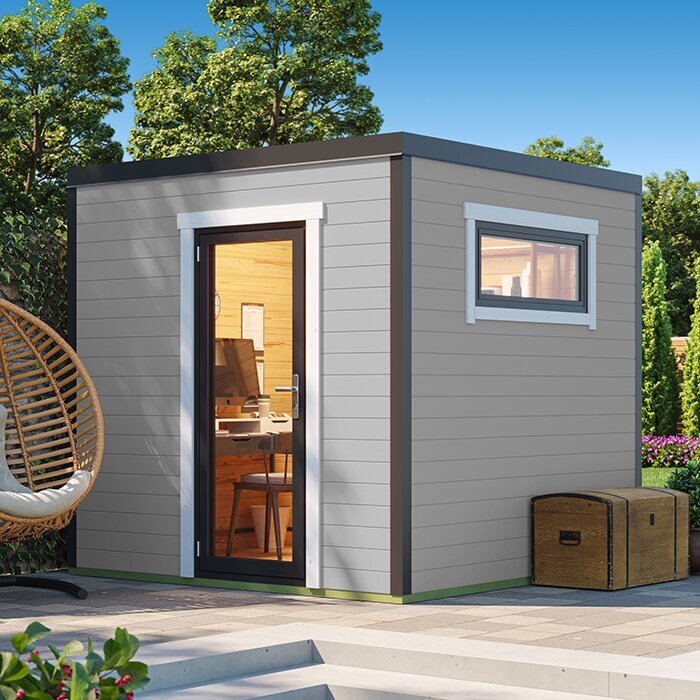
For a candidate such as the Orello 1 garden shed listing, record only construction, finish and maintenance details confirmed in its product information. Ask whether any treatment is required before use, whether it is included and what care guidance comes with the building. Keep these questions separate from appearance: a photograph cannot confirm a material grade, protective treatment or expected service life. Compare maintenance demands in writing so different options are judged on the same basis. If a detail is unclear, treat it as an unanswered question rather than proof that no upkeep is needed, and make sure any guidance will be available to whoever looks after the property.
Plan security while the property is empty
Security matters because the shed may stand unused for long intervals, but the appropriate arrangements depend on what is stored and on the property’s wider setup. Avoid leaving portable valuables or important documents there simply because a shed can be locked. Decide who should have access, how spare keys will be controlled and what happens if a caretaker changes. If the property is insured, ask the insurer whether there are relevant conditions for stored items or outbuildings; do not assume a standard lock satisfies them. For ordinary maintenance equipment, consider what genuinely needs to stay on site and what could be removed between visits.
Check the exact locking hardware and any security fittings listed as included or optional, then ask what choices are available if a detail is not stated. The Modano 1 garden shed listing can be compared on those confirmed points, without treating a visible handle or photograph as proof of a lock specification. Consider whether the arrangement can be managed by the people who visit, rather than leaving access with former keyholders. Keep a simple record of who has keys and where they are kept. Security is also a routine: make an inventory of stored equipment and give the responsible person a clear way to report damage or missing items.
04
Confirm delivery and installation access
Delivery planning begins at the property boundary, not at the proposed shed location. Measure gates, narrow passages, bends, steps and overhead obstacles along the route, and check whether the ground can accommodate the people and equipment needed for delivery or assembly. Do not assume a building will arrive in a format that can pass through a tight entrance; packaging can have different dimensions from the finished structure. Ask how it is supplied, what unloading involves and what access is required. If a neighbour, property manager or caretaker must open the site, agree a date and contact plan with them before confirming the order.
Ask for package dimensions and handling information when they are not published, then compare them with the narrowest point on the route. Add the garden shed M listing to your order notes only after checking how that particular product is delivered and whether assembly is required. Confirm who is responsible for preparing the site, assembling the building, removing packaging and dealing with access issues; none of these should be inferred from a photograph. If a contractor will do the work, give them the site measurements and product instructions before arranging delivery. This can reveal a mismatch while there is still time to compare alternatives.
Confirm what the order includes
Read the full order details as well as the product description. Write down what is included in the building, which items are separate, and whether a floor, treatment, shelving or another option is needed for your intended use. Compare the total amount payable for the setup you actually want, including stated delivery or installation charges and any additional work you have arranged. Do not rely on a headline price or assume that assembly, preparation or accessories are bundled in. Where a cost or inclusion is unclear, get the answer in writing before paying so that your comparison reflects the purchase you will make.
Use the garden storage shed S listing in the same check, and review the seller’s current terms for delivery, payment, cancellation, returns and reporting damage. These details can matter to a remote owner, especially if no one is on site to accept a delivery. Confirm the contact person, delivery address, access arrangements and whether someone must be present. Save the product details and order confirmation where the property manager can find them. Do not assume that terms or service arrangements are identical across different listings; check the information that applies to the option you are considering.
05
Make upkeep manageable between visits
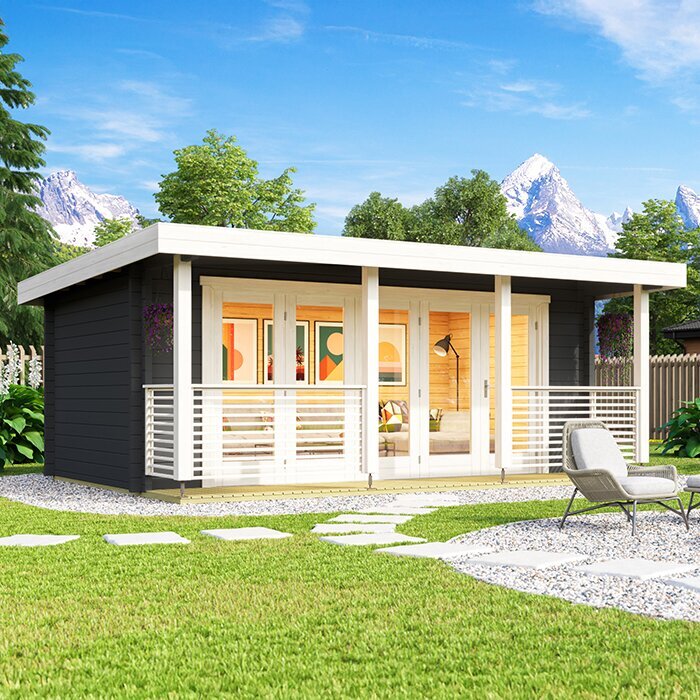
Make a practical plan for the periods when the house is empty. Agree who will look at the shed, when they can access it and how they should report a problem; base any care schedule on the manufacturer’s instructions rather than a guess. Give the responsible person the relevant maintenance notes, order details and a clear contact for the owner. If nobody can visit regularly, reconsider whether the proposed material, finish and stored contents are manageable. The purchase should fit the support available at the property, not depend on an ideal routine that no one has agreed to follow.
Organise the contents so a caretaker can identify equipment quickly and return it to the right place. Labels or separate storage zones can distinguish the owner’s seasonal items from tools used for routine work, while a clear route prevents less-used belongings blocking the entrance. Store household or garden products according to their own labels, and keep items that require special conditions elsewhere if the shed cannot provide them. Make a simple inventory and note who may remove equipment. These habits reduce confusion during handovers and make it easier to notice when an item is missing or the storage plan no longer works.
Compare the options against your checklist
Before deciding, put the options into a short comparison using the same criteria for each: measured fit, useful internal space, door access, care requirements, security details, delivery access and total order cost. Mark each point as essential, desirable or still unconfirmed. This prevents a prominent feature from distracting you from a practical mismatch and makes missing information visible. If you are choosing with a partner or property manager, use the same list to agree which compromises are acceptable. Compare like with like, using dimensions measured in the same way and costs that include the same services.
Treat unanswered points as unresolved rather than awarding a model an assumed advantage. A smaller footprint can be sensible if it holds the real inventory and leaves the garden usable; extra capacity is valuable only when it serves a known need and can be maintained. Conversely, choosing the smallest option without checking the doorway, delivery route and care instructions may create avoidable work. Once the essentials align, keep a record of the confirmed specification and order arrangements for the person who looks after the property. The best choice is the one that fits both the site and the people responsible for it while you are away.
Frequently asked questions
What size garden shed should I buy for a holiday property?
There is no single size that suits every property. Measure the items you plan to store, the available site and the route to the entrance. Compare those measurements with the shed’s stated internal dimensions and doorway, leaving enough room to retrieve items without emptying the building.
How can I tell whether my equipment will fit?
Measure each bulky or awkward item in its storage position, including its height and any handles or folded parts. Check the product information for usable internal space and the clear doorway. A photograph and an outside measurement alone do not confirm what will fit through the entrance.
What should I check about security?
Ask whether locking hardware is included, what options are available and how spare keys will be controlled. Avoid leaving valuables or important documents in a shed just because it can be locked. If the property is insured, ask the insurer about any relevant conditions for stored items.
What should I confirm before arranging delivery?
Measure the whole route to the site, including gates, bends, steps and overhead obstacles. Ask how the shed is supplied, what access unloading and assembly require, and who is responsible for preparing the site. Confirm the arrangements with the person who will be at the property.
How can I manage maintenance when I visit infrequently?
Read the manufacturer’s care instructions and decide who can carry out the recommended checks or work. Give that person the relevant notes and a way to report problems. If nobody can maintain the shed between visits, reconsider whether its care requirements suit the property.
A garden shed works well for a holiday property when its footprint suits the contents, its layout is easy for the people who use it and its upkeep fits the gaps between visits. Give equal weight to access and the plan for keys and routine checks: a good fit on a product page is not useful if delivery is difficult or nobody can manage the building later. Keep the decision anchored to confirmed dimensions, inclusions and care guidance, and choose the option that covers the actual storage need without creating an unrealistic maintenance routine.
