
Buying a Garden Shed for a Home Gym: What to Check
Buying guide
Buying a garden shed for a home gym is not simply a matter of choosing the largest building that fits the garden. The useful space has to accommodate the equipment, the movements you plan to make, a route in and out, and enough room to store items without turning the workout area into an obstacle course. A model’s name or outside appearance cannot confirm any of that. Before ordering, compare internal dimensions and headroom, check the door and delivery route, and ask how the floor, base, ventilation and other features suit your particular equipment. These checks help you build a realistic shortlist rather than buy on footprint alone.
01
List the equipment and exercises first
Write an inventory before browsing: note each machine, bench, rack, mat and smaller item you expect to use, together with its dimensions and how it is used. Measure equipment in the position it occupies during a session, not only when folded or pushed aside. For a treadmill, use the manufacturer’s stated operating space rather than assuming its own length is the whole requirement. Record whether equipment must be repositioned between exercises and whether a second person might train at the same time. The plan should reflect your actual routine, not a vague idea of what a gym ought to contain. Include clearances around moving parts or handles as stated in the equipment instructions, and distinguish items that stay in place from those brought out only occasionally.
Separate essentials from items you may add later, then mark a clear area for floor exercises and a place for small accessories. Storage is part of the plan: bands, weights and cleaning items left beside a machine can obstruct a route or reduce the space available for training. Use the inventory to screen listings; a page such as the Verdana 1 garden shed listing is only a candidate until its stated internal measurements and features have been checked against your layout. Keep one version of the plan for essentials and another for optional additions, so it is clear whether an extra item really warrants a larger building.
Measure usable floor area, not just the footprint
Use the internal floor dimensions, not the outside footprint, to decide whether equipment will fit. Wall thickness, a doorway recess and internal obstructions can reduce the usable area; request a dimensioned plan if the listing does not show clear interior measurements. Keep units consistent and draw the shed to scale on paper or in a basic floor-plan app. Add equipment footprints, then mark the space needed to approach, mount, adjust or move around each item. Include storage shelves or cabinets if you plan to use them; otherwise, the drawing may overstate free floor space.
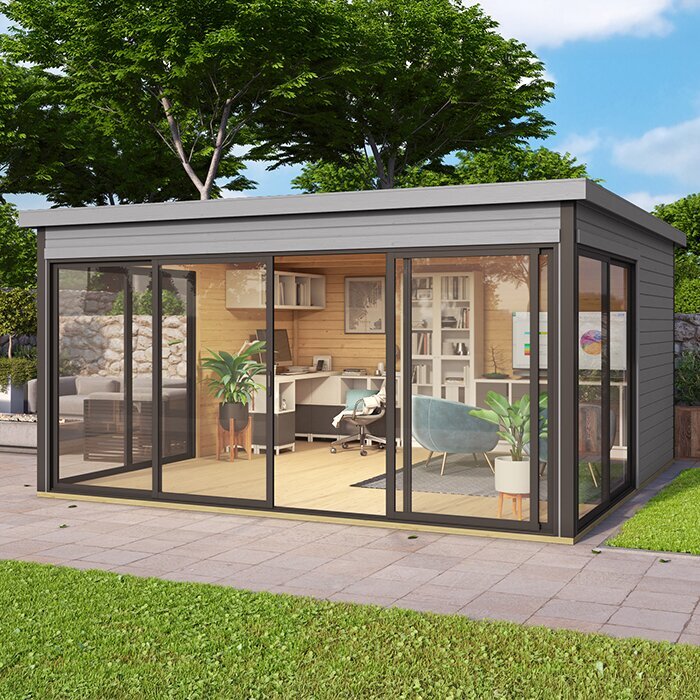
Compare more than total square metres. A long, narrow room can have the same floor area as a more square one but may not leave room to position a long machine and a mat side by side. Note the entrance and the route from the door, including space to carry accessories in and move between stations. Use the Verdana 2 listing as another entry in your comparison sheet, confirming which dimensions are internal and whether the drawing shows any projections. Leave some allowance for measurement uncertainty instead of filling every centimetre with equipment. If two layouts look close on paper, mark them on the ground with removable tape before settling on an arrangement.
02
Check headroom at each workout station
Headroom matters if your routine includes standing, reaching overhead or using equipment with an upright frame. Measure your height and the equipment at its highest operating position, then compare those figures with the shed’s internal clearance at the intended station. A stated maximum height at the roof peak may not represent the clearance near the sides, particularly where the roof slopes. Account for any overhead fittings specified for the building. An exterior photograph is not a reliable way to judge the internal height; ask for written dimensions or a plan before deciding. A low ceiling can also make moving equipment into place harder, not just limit exercise.
Check more than one point if your layout uses the full width or length, and note where a tall machine or overhead movement would sit. If a listing gives only an overall height, ask whether it is measured outside or inside and whether it refers to the eaves or the peak. The Durano garden shed page can go in the comparison table, but its name does not tell you the clear height or shape of the interior. Treat any proposed wall- or ceiling-mounted gym fitting separately: confirm with the seller or a qualified professional that the structure is designed for it.
Match the base and floor to the equipment
Separate the garden-shed base from the surface you stand on. The base is the prepared support beneath the building; the interior floor is the surface inside, and a training mat is a separate layer. Confirm what type of base the seller requires, whether it is included or supplied separately, and whether the intended site can be made level and stable as the product instructions specify. A lawn, paved area or existing patio is not automatically suitable just because it looks flat. Site conditions, drainage and the building’s requirements vary, so ask the supplier or a qualified installer what support is appropriate. Include any base work in your budget and schedule rather than treating it as an afterthought.
Gym equipment can place very different demands on a floor: a stationary bike is not the same as a heavy weight stack or free weights handled dynamically. Check the equipment instructions for its weight, contact points and any impact-related requirements, then ask the shed supplier or a qualified building professional whether the proposed floor and support are suitable. Do not infer capacity from a product name, photograph or the way a floor appears. Assess the Veltor 1 listing by the same written criteria as every other option, confirming the relevant floor and base information rather than relying on assumptions. If the seller cannot confirm a technical point, ask a suitably qualified professional before proceeding.
03
Check ventilation for regular exercise
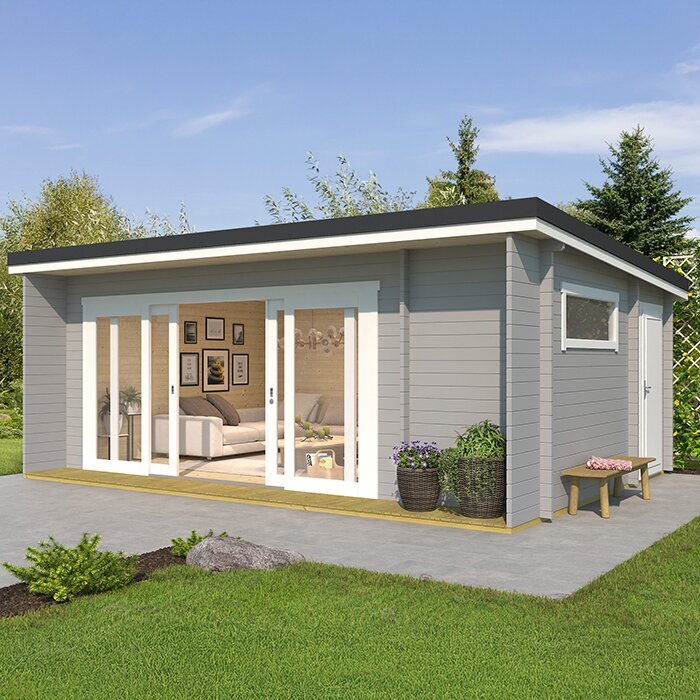
Exercise generates heat and moisture, so ventilation is a practical buying criterion, not merely a comfort extra. Look for clear information about which openings can be opened, where they are placed and how air can move through the room while you train. A picture may show glazing without telling you whether it opens, and the word window alone does not confirm a useful airflow path. A brief routine based on a mat and a longer workout using several machines may create different requirements. Consider how you can keep air moving when the door is closed for privacy or security, rather than relying on leaving it open every time.
Ask about vent dimensions, operation and any screens or covers that affect how an opening is used. Consider whether you can ventilate the shed after a workout without leaving equipment exposed or letting unwanted rain and dust in. Use the Orello 1 page in your comparison, recording only details the page confirms and asking about any important feature that is not clear. If the room may become warm in use, consider site position, shade and airflow together rather than treating a single opening as the answer.
Plan the equipment route through the door
Measure the clear doorway, not only the size of the door leaf shown in a drawing, and compare it with the largest assembled item you intend to bring inside. Check the full route from the delivery point: gates, corners, steps, narrow paths and turning space can matter as much as the shed entrance. Find out whether equipment arrives in separate components and whether it can be assembled inside, rather than planning around an unconfirmed assumption that it can be dismantled. A machine that cannot pass through the opening is not a useful fit, even if the room looks spacious on a plan. Include package dimensions if the equipment supplier provides them.
Allow for the shed door when it opens. A hinged door needs clearance to swing; a sliding door needs its track and travel area unobstructed. Ask the shed seller and equipment delivery company about package sizes, unloading access, assembly and what is included in delivery. Use the Modano 1 listing as another line in the comparison, and ask for its clear doorway and delivery arrangements if the page does not state them. Make sure the garden route remains usable after the building is in place, with space to bring equipment out for service or replacement. Record the measurements beside each option rather than relying on memory.
04
Compare security and privacy features
Equipment may remain in the shed between sessions, so consider how the door, locking points and any windows affect security. Check the listing for the lock type, whether hardware is supplied and whether openings can be secured; a photograph or a general description does not answer those questions. Think about where the shed will sit in relation to views from the garden and neighbouring properties. A more private position may suit a workout space, but it should not make the entrance awkward or hide the building from routine household checks. Balance practical access and visibility rather than choosing a corner solely because it is out of sight.
List the security features you need, separating building hardware from measures you may add later. If you plan to store smaller valuables, decide where they can be kept and whether the intended lock and building design support that use; a general storage label is not a security rating. Compare the wooden garden shed M page against your list and ask about any feature that is not stated. If security information is missing, get clarification before ordering instead of treating an unlisted lock, glazed panel or fitting as part of the package.
Decide what lighting and power the gym needs
Check natural light and electric-lighting needs against the way you plan to train. Daylight can be useful, but openings can also affect privacy, glare and heat; consider where a window would face and whether it can be covered without blocking ventilation. Mirrors, if part of your setup, need a position that does not conflict with doors, stored equipment or the workout layout. A glazed front, visible fitting or attractive interior photograph does not tell you the light level or mirror position you will have in practice. If you expect to train after dark, include reliable lighting in the plan from the outset.
If machines or lighting need mains electricity, confirm what the shed package includes and whether it is designed for that service; some building listings may not specify electrical provision. Have the requirements reviewed and any installation carried out by a qualified electrician, rather than trying to infer a safe arrangement from a product image or attempting DIY wiring. The wooden garden storage shed S listing is another page to check against your needs; its name is not evidence that it includes power or a particular lighting arrangement. Confirm the details in writing and separate building features from electrical work arranged independently.
05
Assess the garden site and ongoing care
Walk the exact site before buying and note its boundaries, access route, ground condition and exposure to sun, wind and rain. Check where water tends to collect after wet weather, whether there is room to maintain the building, and how much daylight or shade the gym would receive at the times you expect to use it. Conditions can differ between corners of the same garden. Compare the planned footprint and door clearance with the real space, and ask an installer about site preparation if you are uncertain. Include a roof overhang or other external projection in your plan only when its dimensions are stated.
Read the manufacturer’s care and maintenance instructions before choosing a construction type, including any stated requirements for protective treatment, routine checks or replacement parts. Ask what care is needed in your setting and who is responsible for any work if the product information does not answer your questions. Also consider noise travelling through the garden and the time of day you expect to train, especially if equipment will be moved or weights set down. Choose a layout that allows you to maintain the building without shifting machines each time; this is a practical household consideration alongside the shed’s technical suitability.
Compare listings and confirm the order details
Build a comparison table for each shortlisted shed with the figures that decide gym use: internal floor dimensions, usable height at the sides and centre, clear doorway, opening positions, ventilation details, and stated base and floor requirements. Add equipment measurements and the proposed layout alongside them. Mark missing answers as questions, not assumptions based on a model name, photograph or page headline. The seller can confirm details that are unclear online. Applying the same columns to every option makes compromises visible and helps distinguish a genuine fit from a building that only looks spacious. Keep optional features in a separate column so the essential conditions stay clear.
Before placing an order, confirm the exact model or variant, dimensions, package contents, base preparation, assembly arrangements and delivery access in the information shown for that order. Check which accessories, fixtures or electrical work are included and which need separate arrangements; an item is included only if stated. Read delivery, installation and return information, and make sure the site can be prepared in time for the work arranged. If a permission, shared-property or site constraint might apply, ask the relevant local authority or property manager before committing. Use the shed documentation and equipment manuals for technical questions, and seek professional input where compatibility remains uncertain.
Frequently asked questions
What size garden shed do I need for a home gym?
Measure each item in its operating position, add the room needed to use and move around it, then draw the layout using the shed’s internal dimensions. Include storage and the route through the door. There is no useful universal size: the right area depends on your equipment and routine.
Can I put heavy gym equipment in a garden shed?
Check the shed’s stated floor and base requirements against the weight and contact points of each machine, including how weights are used. Do not judge capacity by appearance or total equipment weight alone. Ask the supplier or a qualified building professional to confirm compatibility if the information is unclear.
Does a home gym shed need ventilation?
Yes, airflow belongs on the comparison list because exercise produces heat and moisture. Check which openings actually open, where they are positioned and whether they can be used while maintaining privacy and security. A photograph or description of glazing does not confirm ventilation.
What should I check about the base and floor?
Ask what base the shed requires and whether it is included, then verify that the proposed site and floor suit the planned equipment. Do not infer load capacity from appearance. Refer to equipment instructions and seek advice from the shed supplier or a qualified professional if needed.
Can a garden shed be delivered and assembled in a tight garden?
Measure the narrowest points from the delivery access to the shed site, including gates, turns and the clear doorway. Compare these with equipment and package dimensions, then confirm unloading and assembly arrangements. Do not assume large equipment can be dismantled or that delivery includes installation.
Use the finished plan as the final filter: a shed that fits the garden but cannot take the equipment through the door, provide headroom at the workout station or meet the floor and base requirements is not a practical home gym. Confirm any unanswered technical detail before ordering. That gives you a choice based on the way you will train and the space available, rather than on appearances alone.
