
Buying a Garden Shed for an Art or Craft Studio
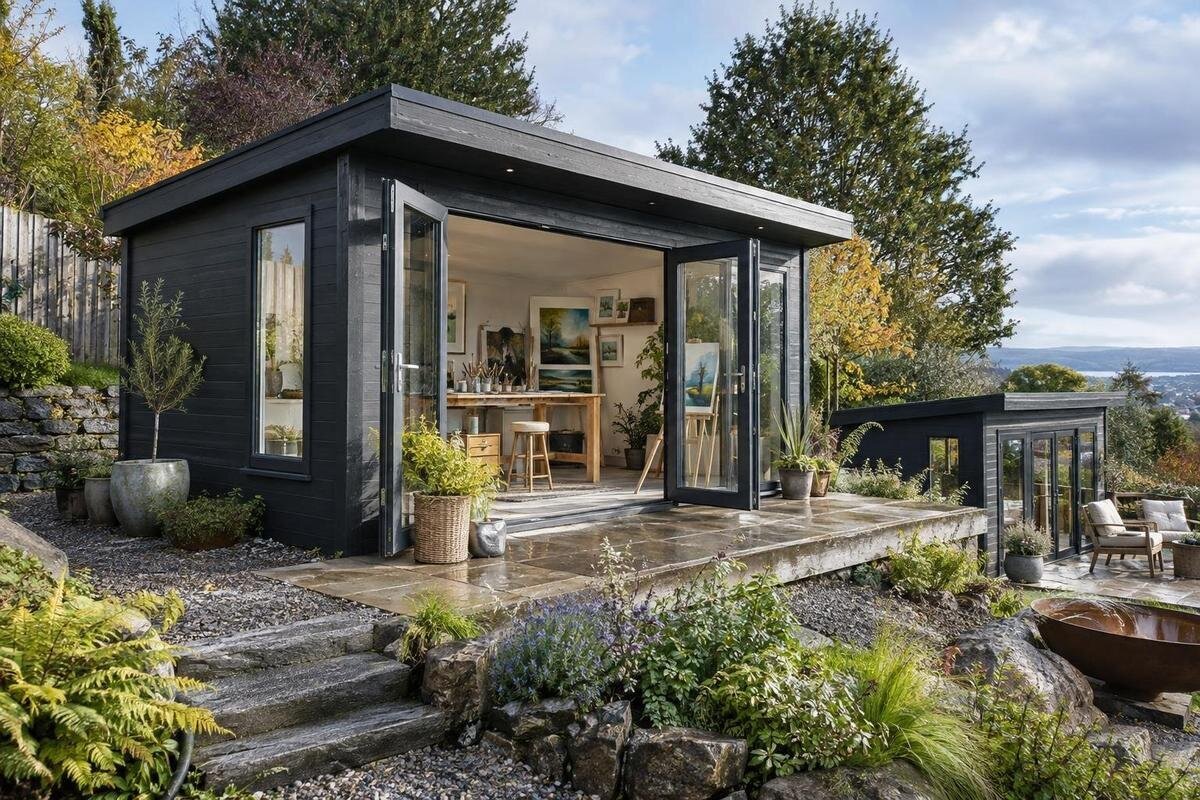
Garden shed buying guide
An art or craft studio can give drawing, sewing, painting or model-making a dedicated place, but choosing a garden shed is not simply a matter of selecting the largest footprint. You need enough usable space for the work, a practical route through the door, suitable storage for supplies and product details that fit the site. This guide focuses on buying decisions: what to measure, what to compare on product pages and what to settle before placing an order.
Define the work the studio must support
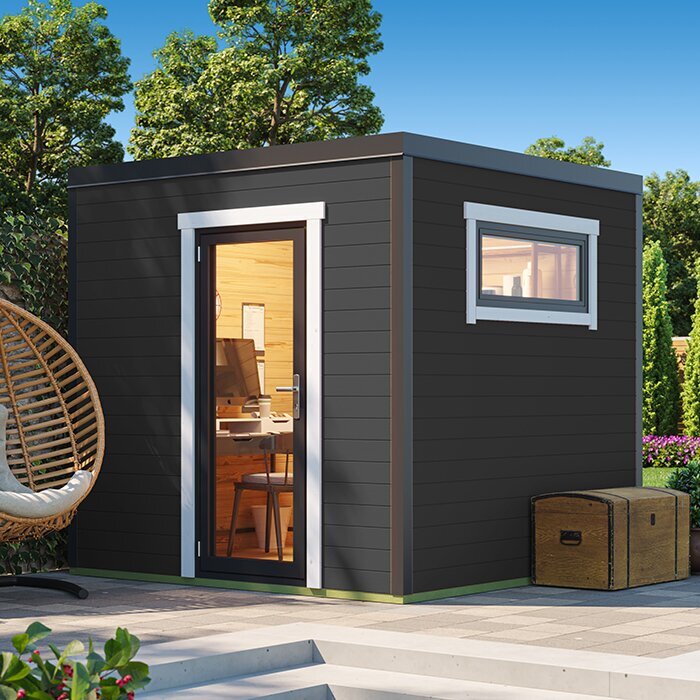
Begin with a short inventory of the work you want the garden shed to support. Drawing, painting, sewing, printmaking, model-making and clay work call for different combinations of table space, clear floor area, storage and clean-up. Note the largest item you will use, whether it must stay assembled, and whether finished work needs a place to rest. Separate everyday activities from occasional projects: buying around a rare, bulky task can leave the shed awkward for daily use, while ignoring that task may mean the work cannot be brought inside at all. A practical list is more useful than a vague target such as “a roomy studio”.
Turn the list into requirements before comparing product pages. Record how many people will work there, whether equipment needs to remain set up and what must be stored in the building rather than elsewhere. Decide whether the studio will be dedicated to making or shared with garden storage; sharing uses floor and wall space that may otherwise be available for work. Use the listing for the Verdana 1 garden shed as a candidate to assess against those requirements, not as evidence of suitability. Its model name does not tell you the usable area, door opening or whether it meets the needs of your particular activity.
Measure the usable space, not only the footprint
A stated external footprint is not the same as the space available for a table, chair, easel or storage inside. For each candidate, look for both external and internal measurements, the height at different points if relevant, and the clear width and height of the doorway. A roof slope, wall thickness or entrance position can affect how you use the room. Check whether measurements refer to the building itself or include any projecting parts. If the product information does not give the figures you need, request them before deciding. For the Verdana 2 garden shed, for example, record only the measurements actually provided; do not infer them from the model name or a photograph.
Mark the proposed internal floor area on the ground with tape, then place outlines for your main work surface, chair, storage and any large equipment. This makes it easier to see whether you can reach a drawer, pull out a chair and move materials through the room without shifting everything else. Also trace the route from outside through the entrance: a piece of equipment may fit inside on paper but be difficult to carry through the door. Repeat the exercise with any tall items, checking the relevant height as well as floor space. There is no universal clearance figure for every studio, so base your plan on the way you will actually work.
Plan a layout around your creative workflow
Think through the order of a typical session: bringing out supplies, preparing a surface, doing the work and putting tools or unfinished pieces away. That sequence can suggest where to place the main workbench, storage and a temporary staging area. If you have both clean and messy tasks, decide whether they need separate surfaces or simply a way to pack materials away between activities. Keep the route between the entrance and the work area clear enough for the items you plan to carry. A layout that supports your regular process is often more useful than filling the shed with the maximum number of cupboards or worktops.
Draw a simple plan using verified internal measurements and mark doors, windows and any areas where the ceiling height changes. Add the furniture and equipment to scale, including space needed to open cabinet doors or pull out a chair. Then repeat the exercise for other shortlisted garden sheds, such as the Durano garden shed, using its published dimensions rather than relying on its name or appearance. If your plan depends on fixing shelves or a worktop to a wall, confirm that the proposed fixing and load are suitable with the supplier or a qualified installer. Do not assume that every wall or floor can support additions simply because they fit on the drawing.
Check daylight, glare and task lighting
Consider how much daylight your work needs and whether it is important to judge colours consistently. The direction of light and the position of nearby buildings or trees can change what reaches a window during the day, so consider the hours when you are most likely to use the studio. Reflections from a glossy surface, a screen or a workpiece can also make a bright space less comfortable for a particular task. Think about where your hand, body or equipment may cast a shadow across the work. Product photographs can help you understand the general appearance of a shed, but they do not establish the lighting conditions at your garden or the measured position of every opening.
Plan for artificial task lighting even if daylight is a priority, and decide where light needs to fall for the work you do. Check the product information for the position and details of any windows or other openings before treating them as part of your plan. The listing for the Veltor 1 garden shed is one example to inspect for the information it actually provides; do not assume features from the model name alone. If your studio needs wired lighting, sockets or other electrical services, include a qualified professional in the planning and installation. Confirm what is possible at the site before ordering, rather than expecting to resolve service requirements after the shed arrives.
Consider ventilation and the materials you use
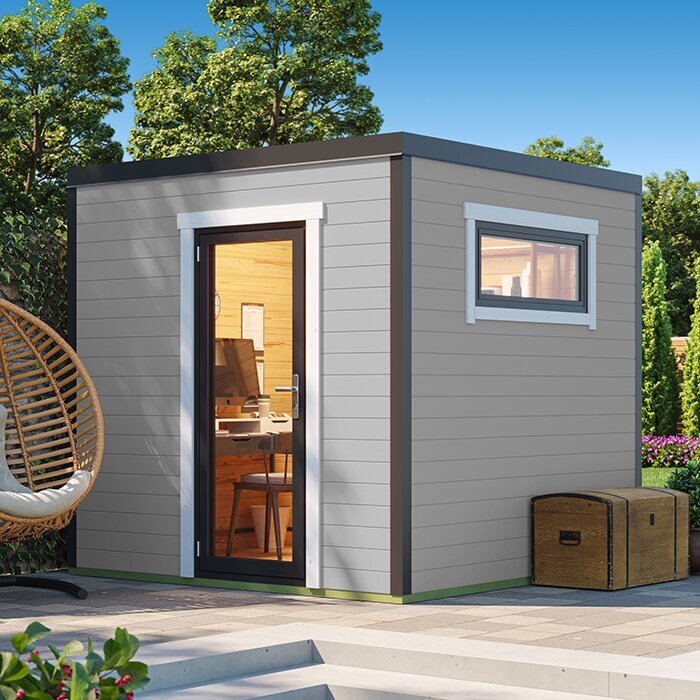
The materials and tools in your studio can affect which features matter. Read the handling and storage instructions for paints, adhesives, finishes and other supplies, and consider whether your work creates dust, fumes or heat. An opening window should not be treated as proof that a space has suitable ventilation for every process. If an activity has particular ventilation or building-service requirements, ask the supplier or a qualified professional whether the proposed building and site can accommodate them. This is especially important when buying for a process that cannot simply be moved outdoors or paused while conditions are improved.
Think about what must remain in the shed between sessions. Paper, fabrics, wood, paints and other supplies may have different storage instructions, so check whether the proposed space can meet the requirements of the items you intend to keep there. Ask what the product details say about openings, finish and ongoing care, and request clarification if these affect your plans. You can examine the listing for the Orello 1 garden shed as part of a comparison, but do not treat the model name or image as evidence of particular storage conditions. If a material needs a more controlled environment, confirm that the shed can provide it before buying.
Match storage and work surfaces to your projects
List the supplies that need to be close at hand and those that can be stored elsewhere. Flat paper, fabric, hand tools and small components may call for different storage arrangements, so plan shelves, drawers or cupboards around the actual items rather than buying storage by habit. Keep the route through the shed usable; boxes placed on the floor can quickly obstruct access to a workbench or door. If you intend to add wall-mounted shelves or store heavy equipment, confirm with the supplier or a qualified installer that the relevant surfaces and floor are suitable. Avoid assuming that a particular fixing point or load capacity is available unless the product information confirms it.
Decide which work surfaces need protection and whether any protective covering, lining or floor covering is part of the order or an additional purchase. Consider how you will clean the area after messy work, and whether a surface needs to remain clear for drawing, cutting or assembling pieces. Check the product information rather than assuming that an item shown in a photograph is included. The listing for the Modano 1 garden shed can be added to your comparison sheet, with inclusions and surface details entered only where they are stated. This helps keep the studio plan realistic and prevents a pleasing image from substituting for information about the finished interior.
Check construction details and ongoing maintenance
Before comparing appearance, check the product information for the building materials, roof and floor details, doors, glazing, finish and any stated weather protection. Confirm whether the floor or other components you need are included, supplied separately or not described. If you expect to work in the shed regularly or store supplies that have specific conditions, ask about any relevant insulation, lining or ventilation details rather than assuming they are present. A model name and a styled photograph are not a complete specification. When a detail affects the way you plan to use the studio, ask for a written answer before treating it as a feature of your shortlist.
Consider maintenance as part of the purchase decision. Ask what care the stated materials and finish require, how often that care may be needed according to the supplier, and what products or procedures are recommended. Compare that with the time and budget you are prepared to spend over the life of the building. The listing for the garden shed model M is another product page you can review, but verify its current specifications and maintenance guidance rather than assuming details from its name. If the product information is incomplete or unclear, request the relevant instructions before placing an order, especially where maintenance could affect the appearance or intended use of your studio.
Check the site, delivery route and assembly plan
Measure the proposed position in the garden and leave room for the doors to open, for assembly and for future maintenance, as applicable to the product instructions. Check the route to the site as well as the final footprint: gates, steps, turns and changes in level can affect access for both the package and the people assembling it. Ask what site preparation and base the manufacturer specifies. Do not choose a base by guesswork; if the ground or preparation requirements are unclear, ask the supplier or a qualified installer to assess them. Where property arrangements or local approvals may apply, settle those questions with the relevant owner or authority before committing to an order.
Ask how the shed will be delivered, whether the package needs to be unloaded or stored before assembly, and what clearances are required for getting it to the chosen position. Confirm the package dimensions and delivery arrangements rather than assuming that a building’s listed footprint describes the size of the items arriving. Include these points when reviewing the listing for the garden shed model S or any other candidate. Check who is responsible for assembly, what preparation must be completed beforehand and whether the chosen route is practical for the people doing the work. Sorting out access before purchase can prevent a suitable-looking shed from becoming difficult to deliver or assemble on site.
Compare product pages and the full order cost
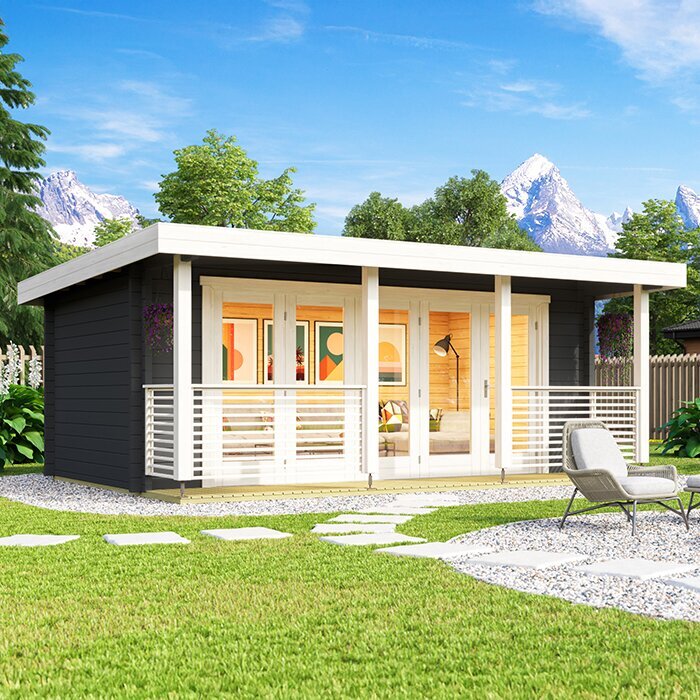
Create a side-by-side table for your shortlist. Use the same headings for each shed: external and internal dimensions, doorway measurements, height, openings, stated materials and finish, included floor or other components, maintenance guidance and base requirements. Enter “not stated” where information is missing instead of filling gaps from an image or model number. This makes differences and unanswered questions easier to spot. A product that appears to suit the garden may still be a poor fit for the studio if its usable dimensions, entrance or stated features do not match your plan. Keep the comparison tied to published information and written replies from the supplier.
Compare the full cost of getting the studio ready, not just the listed product price. Use current quotes and check whether delivery, unloading, assembly, site preparation or additional components are included or charged separately. Review the seller’s current terms for availability, delivery, returns and any warranty that applies; do not assume that identical-looking listings have identical conditions. If a detail could change the order or the work needed at home, ask for it to be confirmed in writing. This gives you a more reliable basis for comparing offers if they are available and avoids building your decision around a discount or extra that has not been confirmed.
Confirm the order against your studio plan
Before choosing, separate non-negotiable requirements from preferences. The shed must accommodate the work surface, equipment and materials you have actually measured; features such as a particular appearance or an extra storage area may be secondary. Revisit the workflow from bringing supplies in to putting work away, and make sure the chosen layout still leaves the access and movement you need. If the shed will serve more than one purpose, make sure the shared arrangement is workable rather than relying on an ideal future layout. A short written comparison of must-haves, preferred features and open questions can make a close decision clearer.
Before payment, confirm the exact model and variant, dimensions, included components, delivery address, access arrangements and who is responsible for preparation and assembly. Keep the product information and written answers with your order documents so that everyone involved is working from the same details. When the shed is assembled, arrange tools, storage and surfaces around the workflow you planned, keeping materials in line with their own storage instructions. Reconsider the layout before adding larger equipment or taking on a new process. The best purchase is the garden shed whose confirmed details support the creative work you intend to do, not simply the one that looked largest or most attractive online.
Frequently asked questions
What size garden shed should I buy for an art studio?
There is no one size that suits every creative activity. Measure your largest work surface and equipment, then add space to use them, move around and reach storage. Compare those measurements with the stated internal dimensions and door opening of each shed, rather than relying on its outside footprint alone.
Can any garden shed be used as a craft studio?
Not automatically. Suitability depends on the work, the materials and the building’s published details. Check the requirements for your tools and supplies, including any need for ventilation, particular storage conditions or building services. If your activity involves heat, fumes or heavy equipment, get appropriate professional advice before choosing.
Do I need windows in a garden studio?
That depends on your work and how you plan to light the space. Windows may provide useful daylight, but check their position and opening details on the product information and consider glare at the hours you will work. Plan suitable task lighting as well; a photograph alone does not confirm a shed’s lighting provision.
Can I add electricity or water to a garden shed?
Do not assume that services are included or can be added without further work. Check what the product information says and ask a qualified professional to assess any electrical or plumbing requirements for your site and intended use. Include that assessment in your buying plan before committing to a particular shed.
What should I confirm before ordering a garden shed?
Confirm the exact model and variant, internal and external dimensions, door opening, included components, site preparation requirements and delivery access. Also check the current written terms for delivery, assembly, maintenance and any warranty or returns policy that applies. Ask for missing details rather than estimating from a product name or image.
A successful studio purchase starts with the work itself: the equipment you use, the room it occupies and the conditions your materials require. Measure a real layout, compare confirmed product details and account for access, preparation and delivery. With those points settled before ordering, you can choose a garden shed on how well it supports your creative routine rather than on appearance or an assumed feature.
