
Buying a Garden Shed for Dining and Garden Parties
Garden sheds | Buying guide
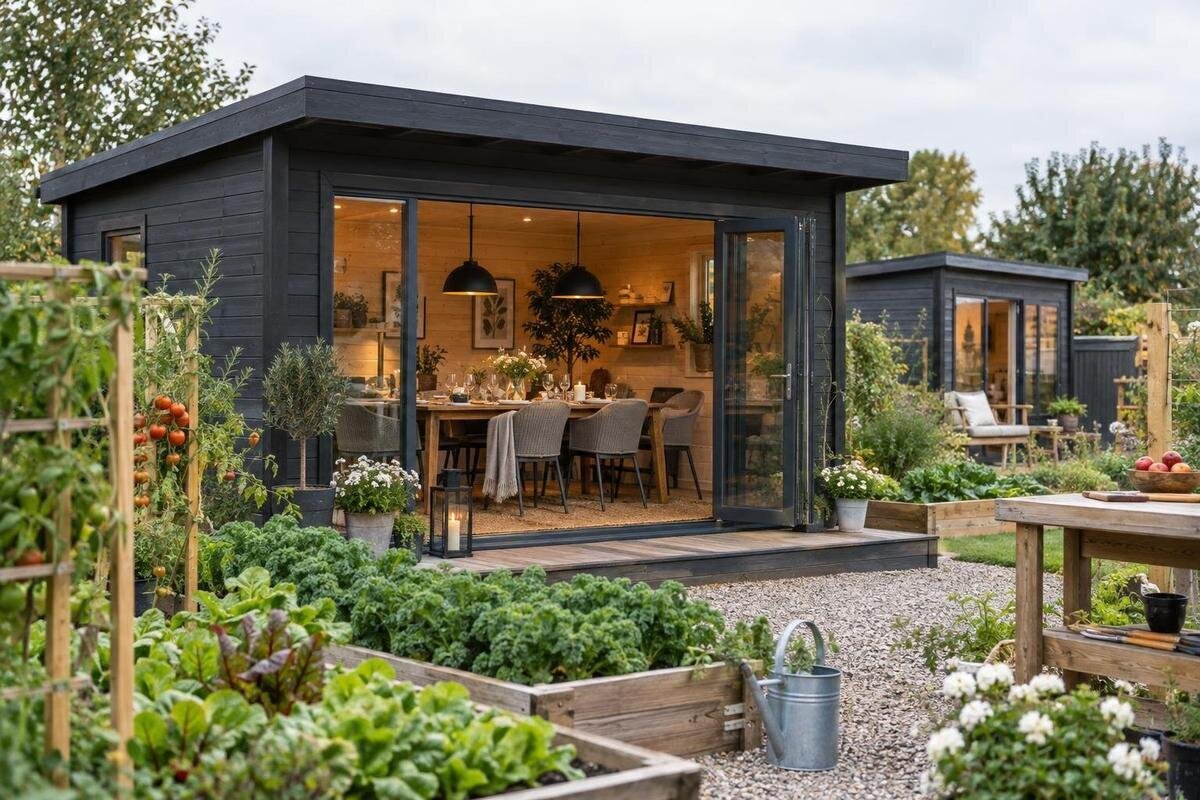
If you are buying a garden shed for dining and garden parties, begin with the layout rather than the product photograph. A comfortable plan needs room for the table, occupied chairs, serving and a clear route for guests, while still fitting the garden and the way you will order and install it. Decide whether people will eat inside, use the shed mainly as a sheltered serving point, or move between the building and an outdoor table. Then compare documented dimensions and use details; a model name alone cannot establish suitability.
Decide how the shed will be used during a gathering
Before comparing models, decide whether the building will be the main dining room, a sheltered retreat beside an outdoor table, or a service point where people collect food and drinks. Those roles place different demands on floor area. Write down the number of people at an ordinary meal, the largest gathering you genuinely expect and how often the shed will be used. Decide whether guests will sit inside for a full meal, gather there briefly or move between the shed and patio. Also note whether the host needs to circulate while people are seated. This turns the broad idea of a garden shed for garden parties into a practical use plan, before a photograph or model name sets expectations.
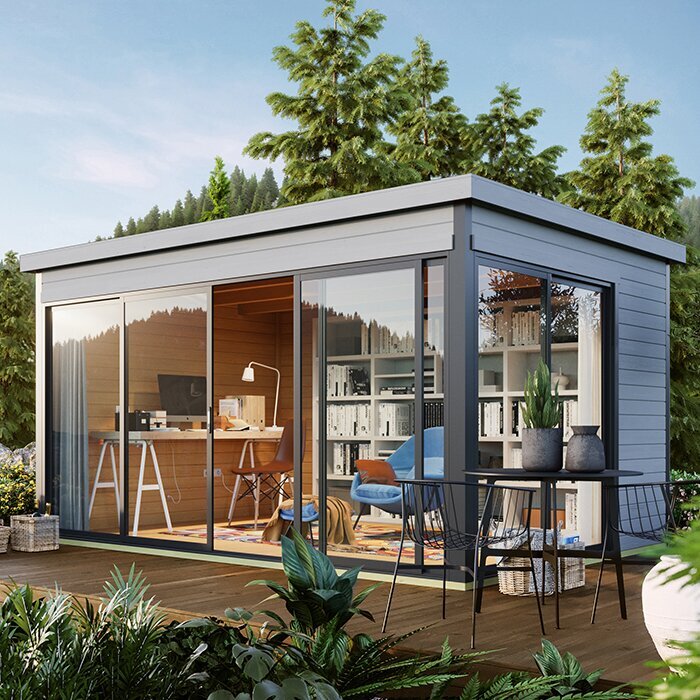
Separate essentials from occasional extras. A dining table and occupied chairs, a serving surface and stored party supplies all compete for room, so decide which need to be inside and which can stay outdoors or elsewhere. Make a short list of must-haves and another of useful additions; this keeps an occasional convenience from dictating the whole purchase. You can include the Verdana 1 garden shed as a named option to assess, then record only dimensions, layout, intended use and inclusions confirmed on its product page. The name itself does not show how many diners will fit or whether furniture is supplied. Mark missing information as a question, not an assumption.
Measure the table, chairs and serving area
Measure the table you intend to use, then mark the space occupied by each chair when someone is seated and when they push back to stand. Include room for the host to place dishes and for guests to pass; the tabletop dimensions alone understate the area a meal uses. If you expect a buffet or drinks station, add its footprint and the working area in front of it. Draw the arrangement to scale on paper or mark it with tape or string on the ground. Use the actual furniture dimensions where possible, not a generic table size, and test the plan with both seats and a serving route in place.
Compare that drawing with the usable internal dimensions, not simply the external footprint. Walls, posts, storage units, a doorway or a sloping ceiling may affect the usable area, but include these only where they appear in a dimensioned plan. Check which measurements are internal and which are external, since listing terminology can vary. For the Verdana 2 listing, as for any option, record the measurement and where it came from. If the clear floor area or layout is not explained, ask for a dimensioned drawing before deciding. A photograph cannot confirm how much room remains once chairs are occupied.
Plan guest movement through the entrance
Guests should be able to enter, find a seat and move back outside without threading through a serving queue. Trace the route from the house or patio to the proposed entrance, including the path a person carrying a tray will use. Measure the stated clear entrance opening and check its position against your table plan. If a listing specifies a hinged door, allow for its stated swing; if it specifies a sliding or folding arrangement, confirm the opening that remains usable when open. Note any step or threshold that could make carrying items awkward, and check whether the largest piece of furniture can pass through the entrance.
Draw the route inside as well as the doorway. Leave a way past occupied chairs and avoid placing the food station where arrivals will congregate. The Durano product page is another listing to evaluate through its written dimensions and plan; its name alone cannot confirm capacity or layout. Check whether the entrance position, clear width and opening method are explicitly stated. If they are not, do not substitute a guess based on an image. Ask for clarification and compare the reply with your furniture plan. A straightforward route matters when guests arrive or leave together, or when someone needs to step outside during a meal.
Choose the degree of enclosure from documented details
Decide how enclosed you want the dining area to be before comparing exterior appearance. A garden shed for outdoor dining might serve as a sheltered room, a bright place to sit or a support space beside a patio; these are not interchangeable. Check the stated intended use and written information for windows, vents, glazed areas and openings, including whether any openings can be used as you expect. Do not infer ventilation, shade or weather protection from a bright photograph or a glass-looking panel. If an open-sided or partly open arrangement matters, confirm that the specific configuration is offered and whether it affects usable floor area.
Think through the occasions you host: a breezy lunch, a late dinner or a gathering in unsettled weather may call for different arrangements. A more enclosed room may offer a greater sense of privacy but still need documented ventilation; a more open layout may make serving easier but provide less shelter. On the Veltor 1 product page, look for written configuration details and dimensioned drawings rather than relying on the name or a staged image. If intended use, ventilation or weather performance is not explained, ask the supplier what the structure is designed for. Do not assume a garden shed is ready for sustained dining simply because a table fits.
Allow for food service and party storage
Food service takes more space than the serving items alone. Decide where drinks, plates and serving dishes will sit, where used items can wait, and where rubbish can be collected without narrowing the route. If the meal will be served outside, consider the distance between the table and the place where food is prepared or collected. If guests tend to gather around a drinks station, include that group in your layout as well as the seated diners. These details help distinguish the floor area needed for dining from the extra space that makes hosting practical, and show whether some of the serving activity is better kept outdoors.
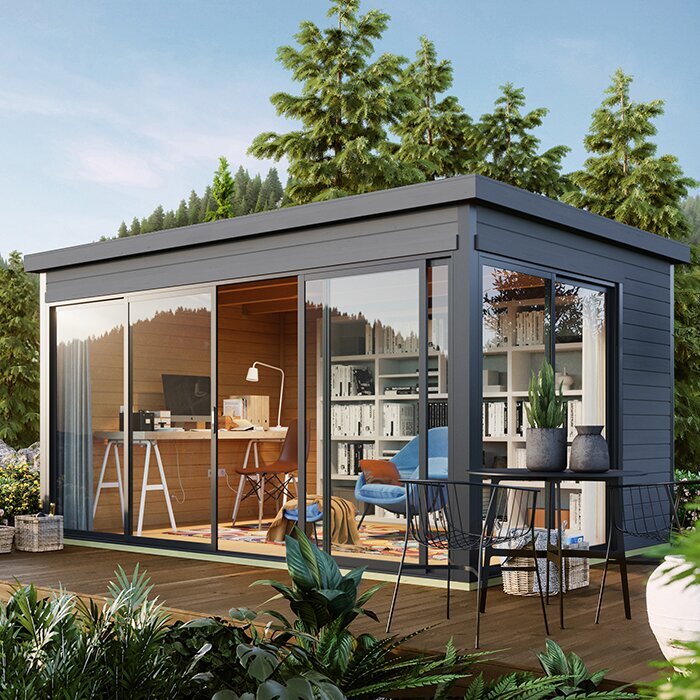
List what you expect to keep in the shed between events: folded chairs, tableware, cushions or seasonal decorations. Measure bulky items and decide whether they can be stored elsewhere; storage alongside dining furniture is useful only if it does not obstruct the layout. For the Orello 1 listing, and any other option, check the included-items section for shelves, worktops or storage fittings instead of assuming they come with the building. Treat separately sold accessories as separate space and cost. If the inventory is unclear, ask what is included before comparing the total outlay or planning where everything will go.
Check light and comfort at hosting times
Check the proposed position at the times when you expect to entertain. Note where direct sun falls in the morning, at lunchtime and later in the day, whether nearby trees or buildings provide shade, and whether the spot is particularly exposed to wind. Conditions at one moment do not describe every season, so consider the calendar as well as the clock. Glare through glazing can affect a table, while deep shade may make food and movement harder to see. This simple site check helps you decide whether shade, particular openings or a different orientation are priorities to confirm in the product information.
Comfort also depends on what the product is documented to provide. Check written details for openings and ventilation, and verify whether lighting, wiring provisions or other fittings are included; a photograph is not an inventory. If you expect to use a fan, refrigerator or powered serving equipment, confirm compatibility and have electrical requirements assessed by a qualified professional before planning around them. The Modano 1 page belongs in your comparison only after you have checked the relevant written details; its model name does not prove anything about glazing, ventilation or equipment. Keep expectations tied to stated specifications rather than assumptions.
Match the footprint to the garden
Measure the exact place where the shed could stand, using its full external dimensions and considering the space needed to reach the entrance. Compare the footprint with paths, planting, outdoor furniture and access to the rest of the garden. Check any roof projection or other external feature only if it appears in the supplied drawing. Mark the proposed footprint on the ground if possible, then view it from the patio and house: it may fit on paper yet reduce the seating or circulation that makes a gathering work. When comparing garden sheds in Malta, use the dimensions of your own plot; a general product image cannot show its shape or access.
Ask what ground preparation and base the maker specifies, and what the installer needs to assess at the site. Do not assume a lawn, patio or sloping area is suitable without checking those instructions. Before considering the wooden garden shed M, compare its verified external measurements with the space you have measured, and look for a dimensioned plan. If levels, drainage or the proposed position are uncertain, ask a qualified installer to assess the actual site rather than relying on a generic rule. Where local permissions may be relevant, confirm the requirements with the appropriate authority before committing to an order.
Compare maintenance with the site’s exposure
Maintenance belongs in the buying decision, especially when the building will be used for meals rather than occasional storage. Check the stated material, finish, treatment and care instructions for each option; do not infer them from a category label or photograph. Consider how your particular plot exposes the shed to direct sun, wind-driven rain, damp shade or coastal conditions, if relevant, and ask whether the written guidance covers that setting. Find out what routine cleaning or re-treatment is recommended and how often, where that information is supplied. Choose an upkeep routine you can realistically maintain instead of relying on a general impression that a product will be low-maintenance.
Read the care guidance alongside the intended-use statement and any exclusions in the product documentation. Confirm which parts need attention, whether a finish is applied before delivery or requires care after assembly, and what the maker recommends before the first gathering. Do not guess or apply a treatment without the relevant instructions. The wooden garden storage shed S listing can be assessed only after its own documented material and care details have been checked. Its name identifies a listing; it does not guarantee a particular finish, weather resistance or suitability for regular dining. Written maintenance information also helps you compare likely upkeep over time.
Confirm delivery, assembly and site preparation
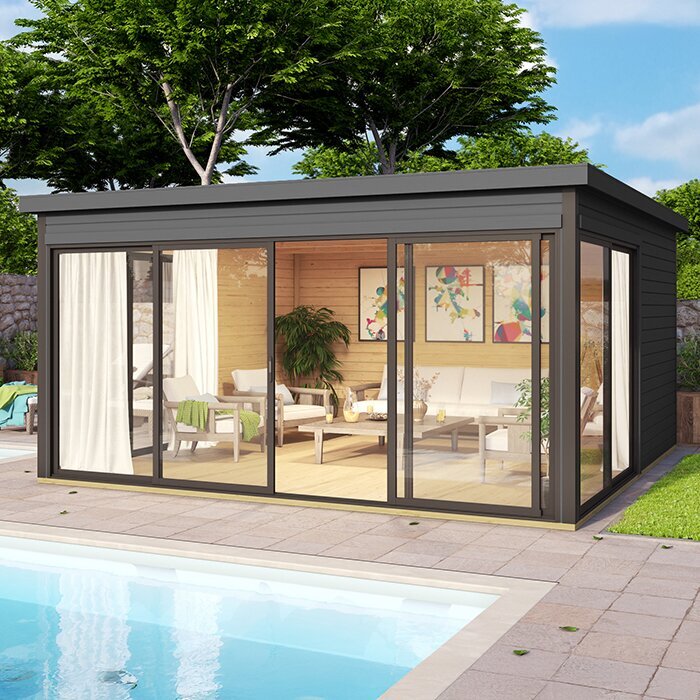
Before ordering, review the complete listing and checkout terms for the exact model and chosen configuration. Confirm what is included, what is optional, what assembly work may be needed and whether the listed dimensions refer to the assembled structure. Check delivery coverage, unloading arrangements, assembly availability, timescales and returns terms as stated for your order; none should be inferred from a model name. Measure the route from the delivery point to the garden, including gates, turns, steps and overhead obstacles. If access is tight, ask whether package dimensions or assembly details are available. This can reveal practical issues before the product arrives at the property.
Site preparation is a separate decision from choosing the footprint. Follow the manufacturer’s instructions for the base and ask an experienced installer or relevant building professional to assess uncertain ground conditions; avoid designing a base by guesswork. If the shed will need lighting, sockets, refrigeration or other fixed services, confirm the product provisions and discuss the plan with an appropriately qualified professional. Check any applicable local permissions or restrictions with the relevant authority. Keep written replies and the product specification together so you can compare the installed building with the model and configuration you actually ordered.
Compare shortlisted sheds with one checklist
When choosing a garden shed for entertaining, compare a few plausible options in the same table rather than relying on memory. Record usable internal dimensions, external footprint, entrance opening, your furniture layout, stated intended use, opening and ventilation information, maintenance, base preparation, delivery and assembly. Add the cost of furniture, accessories, delivery or professional work to your own budget, but count an item only when its price and inclusion are confirmed. Mark every missing answer clearly. A lower headline price, a larger-sounding name or an attractive photograph cannot resolve uncertainty about usable floor area or what arrives with the order.
Give priority to must-pass conditions: the table arrangement works with chairs in use, guests can move through the space, the plot and access route are suitable, and the documented use and maintenance match your expectations. Then compare optional benefits such as storage or an easier connection to the garden. Test the plan against a realistic gathering, not only the largest number of people you could theoretically squeeze in, and leave room for the host to serve. If an important specification is unclear, pause and request written confirmation before ordering. Choose from the evidence that affects your layout and purchase, not from the product name alone.
Frequently asked questions
How many people can dine in a garden shed?
There is no reliable guest number based on the model name or outside footprint alone. Draw your actual table and occupied chairs against the stated usable interior dimensions, then allow for serving space and a clear route. If the listing gives only external measurements, ask for a dimensioned plan.
Is a garden shed suitable for dining in all weather?
Not automatically. Check the exact model’s stated intended use and documented details for openings, ventilation, shelter and maintenance, then compare them with your site and the conditions in which you plan to host. Do not assume an ordinary storage shed is designed for regular dining.
Can I cook inside a garden shed during a party?
Do not assume that a shed is suitable for cooking or for particular appliances. Confirm the intended use and relevant ventilation details with the supplier, and have any appliance, electrical or fire-safety requirements assessed by a qualified professional. Until confirmed, plan food preparation in a separately suitable area.
Which dimensions should I check before ordering?
Check the external footprint, usable internal dimensions, entrance position and clear opening, and any stated door movement. Compare the interior with your table-and-chair plan. If delivery access matters, also ask about package dimensions and whether the components can reach the intended spot.
What should I confirm before placing an order?
Confirm the exact model and configuration, what is included, the stated base and site-preparation requirements, delivery and assembly arrangements, and the terms that apply to your order. Check any relevant local permissions with the appropriate authority, and get important unanswered product questions confirmed in writing.
A garden shed for dining and garden parties needs to work as a real room in your garden, not just look suitable in a photograph. Measure the furniture and guest routes, decide how the space will be used, and check the documented layout, intended use, maintenance and ordering details. A shortlist built from those facts makes it easier to compare options fairly and to spot unanswered questions before you place an order.
