
Buying a Garden Shed for Family Games and Entertainment
Garden shed buying guide
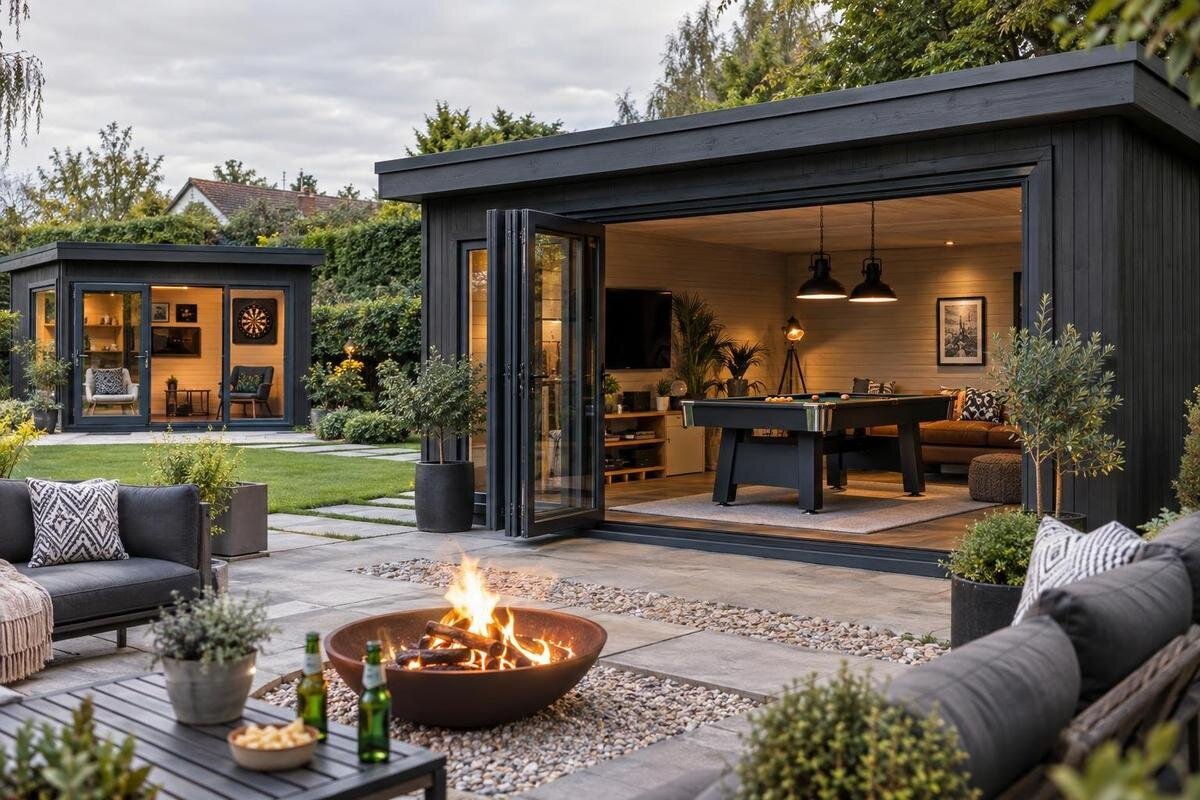
Buying a garden shed for family games means choosing a space that works once people, furniture and equipment are inside, rather than selecting by exterior size alone. Start by deciding whether it will mainly host board and card games, table-based activities or more active play. Then measure the area those uses need, allow for access and storage, and compare the resulting layout with the product details and the garden site. This guide focuses on the buying checks that help you avoid a shed that fits the plot on paper but feels cramped, awkward to enter or difficult to use as intended.
Start with the games your family will play
Begin with a list of the games your family will actually play, rather than a target shed size. A board-game afternoon needs a surface and seating; cards, puzzles or a shared console game make different demands, while table football or a racket-based activity needs room for movement beyond the equipment itself. Note how many people are likely to use the space together, whether players will sit or stand, and which activities are regular rather than occasional. Decide whether one game should stay set up or whether the room needs to change between activities. This turns an open-ended search into a practical brief: a place for seated play, a flexible games room or a dedicated active game.
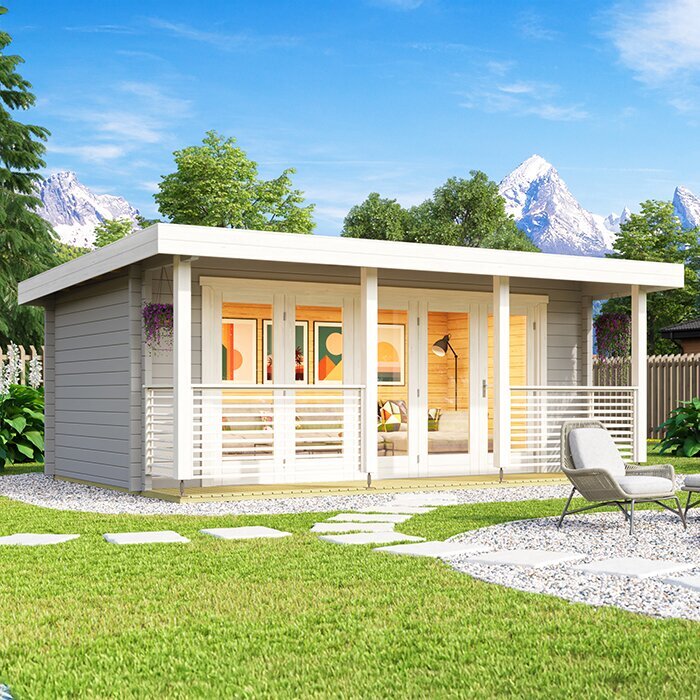
Separate must-haves from nice-to-haves before comparing listings. If the same room needs to switch from a board game to a children’s play session, consider how furniture can be moved and where it goes when not in use. If friends or relatives may join, plan for the likely number of seats rather than a best-case empty room. A short list makes trade-offs clearer: the area for play, people and storage all compete for floor space. Add the Verdana 1 garden-shed product page to a shortlist only as a candidate to measure; the name itself tells you nothing about its usable layout. This keeps the search focused on practical requirements rather than a model label.
Measure usable floor space, not just the footprint
Use a drawn plan rather than mental estimates. Mark the inside length and width from the product information, then draw the table, game equipment and seating to scale, or mark their footprints on the ground with tape. Measure a board-game table with chairs pulled out, not just when they are tucked underneath; allow room to stand and pass behind a seated player. For a larger game, include its whole playing area rather than the table or cabinet alone. If the game’s maker publishes clearance guidance, use it. The relevant figure is the usable internal room, not the outside base dimensions or the area suggested by a photograph.
Remember that corners, doorways, storage and the position of openings can reduce the part of the floor that works for play. Compare more than one arrangement: a table in the centre, against a wall, or moved aside between activities. Use the Verdana 2 listing as a size comparison only after checking its stated internal and external measurements; a product name or image cannot confirm that it will take your planned layout. Repeat the same test for each candidate rather than giving one a more generous arrangement. If a page omits a dimension you need, leave it as an open question instead of estimating from proportions in a picture.
Leave room for players to move
Plan routes as carefully as the game surface. People need to enter, take a seat, reach a shelf or move around a table without repeatedly shifting chairs or stepping through play. A layout that fits on paper can be awkward when several family members arrive at once, so trace the route from the doorway to each seat and storage spot. Include the space needed to pull a chair back and stand beside it. For children or mixed-age groups, clear routes make it easier for everyone to join in without crossing the middle of an active game. Think about how those routes work both during a game and between rounds.
Consider what may happen at the same time: one person might fetch a game while others continue playing, or someone may want to watch without crossing the playing area. Do not count the same patch of floor as both a playing zone and the only route through the room. If listed door measurements or position matter to your plan, confirm them on the Durano listing instead of guessing from the product name or picture. Keep the entrance and main route free in the drawing, then see whether the remaining space still works for the games you prioritised.
Plan storage for game equipment
Make an equipment list alongside the games list. Boxes of board games, cards, puzzles, controllers, spare pieces, balls or folding accessories take up room when not in use, and small parts are easier to manage when they have a consistent home. Note the number of boxes and the dimensions of the largest items, not just the general category of equipment. Decide whether these things should stay in the shed, come from the house each time or be stored elsewhere in the garden. Equipment piled beside a playing surface can narrow routes and make the room less flexible, even if it technically fits inside.
Set aside a storage zone on your sketch and count it as occupied floor area; do not assume shelves or cupboards are included unless the product details say so. Compare the space left for people and play after storage has been assigned. If equipment will be moved in and out, consider the route to the entrance and whether the larger pieces fit through it. Use the Veltor 1 product page as one listing to review, checking only the dimensions and included storage information actually stated. The name alone cannot establish how much room is available or what comes with the building.
Check the entrance against furniture and equipment
Measure the largest item that has to pass through the entrance, such as a table top, folded game table or storage box. If something will be assembled inside, check whether its components can get through the opening and whether there is room to put them together. The overall building dimensions do not tell you the size of the doorway. Also check where the entrance sits in relation to the wall and the planned table: it should lead to a practical route, not directly into a chair, an equipment stack or the edge of the main playing area.
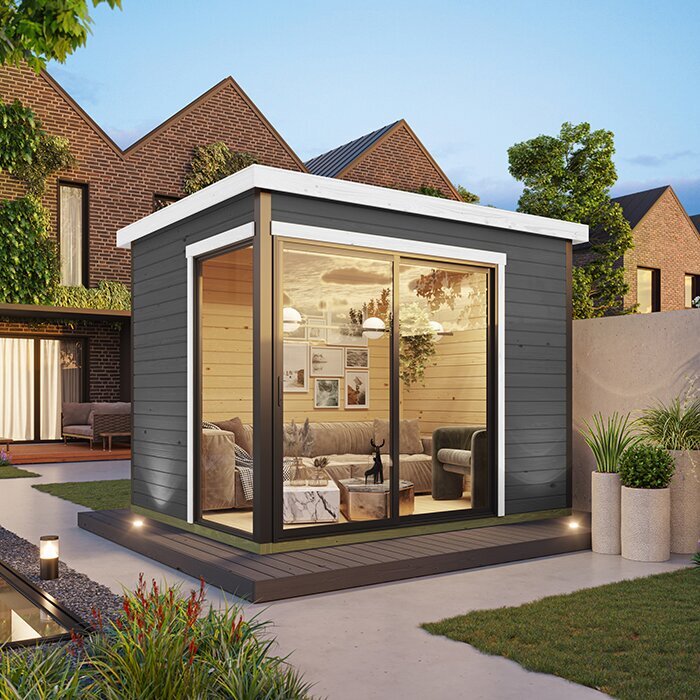
Door type and movement affect the layout, but do not infer either from a product photograph or a descriptive model name. Check the written information to find out whether a door needs room to swing, slides, folds or works another way, and leave any required area clear. Consider whether an open door would block furniture placement or access while someone is carrying a game component. For this check, review the Orello 1 listing for explicit measurements and door details, and ask for clarification where they are missing.
Consider light, ventilation and comfort
Light and ventilation affect how long a family may want to spend playing. Consider when the shed will be used and whether a table or screen could sit in direct glare from a window or doorway; bright patches can make boards and screens harder to view. Look for stated window positions and think about how daylight reaches the planned playing area, but do not assume that an image shows the exact opening or glazing arrangement. If the product information does not specify the openings, treat that as a question to resolve before relying on natural light for your layout.
For regular or warm-weather use, look for explicit information about ventilation and intended use. A garden shed is not automatically climate-controlled simply because it looks like a room. For evening play, decide whether portable lighting would meet your needs or whether fixed power is important; consult a qualified electrician about any fixed electrical work. Review the Modano 1 product page for stated details about dimensions, openings and included components, and treat absent information as unknown rather than reading it into an image.
Decide how often the shed needs to be usable
How often the room will be used should shape the standard you set for convenience. Occasional games may need a simple layout that is quick to prepare, while regular family use makes access to seats, equipment and everyday cleaning more important. Work out whether furniture will remain in place or be brought out each time, and whether another family activity should fit when a game ends. A flexible plan is useful only if the alternative arrangement is genuinely possible within the stated floor area; it should not depend on moving heavy furniture into the only clear route.
Be clear about the times of year you expect to use the shed. If it must be comfortable beyond mild conditions, verify any stated construction, insulation, ventilation or weather-related information rather than relying on a thick-looking wall or polished photograph. Requirements for upgrades depend on the chosen building and site, so take unresolved structural or services questions to a suitably qualified professional. Compare the garden shed M listing only against details explicitly given on its page; its label does not confirm year-round comfort or performance.
Measure the garden site and delivery route
Measure the garden as well as the shed. Allow for the complete external footprint, door access, assembly access and a path to the building that does not require moving outdoor furniture every time. Check for walls, branches, drains, slopes or other fixed features that could conflict with the proposed position. Notice where the area is shaded or exposed during the day, and how water runs across the site. These observations help you assess the position, but they do not replace installation requirements: follow the product’s stated base and placement guidance, and get professional advice if the ground or preparation is uncertain.
Do not order based only on the room needed indoors: delivery or assembly components must also reach the chosen spot. If the route is tight, confirm the relevant component dimensions and clarify who is responsible for preparation and assembly where the order information does not say. For an option such as the garden storage shed S listing, check the full measurements and stated contents first, then compare them with your site sketch. The label alone cannot tell you whether games, equipment or both will fit.
Compare written specifications and inclusions
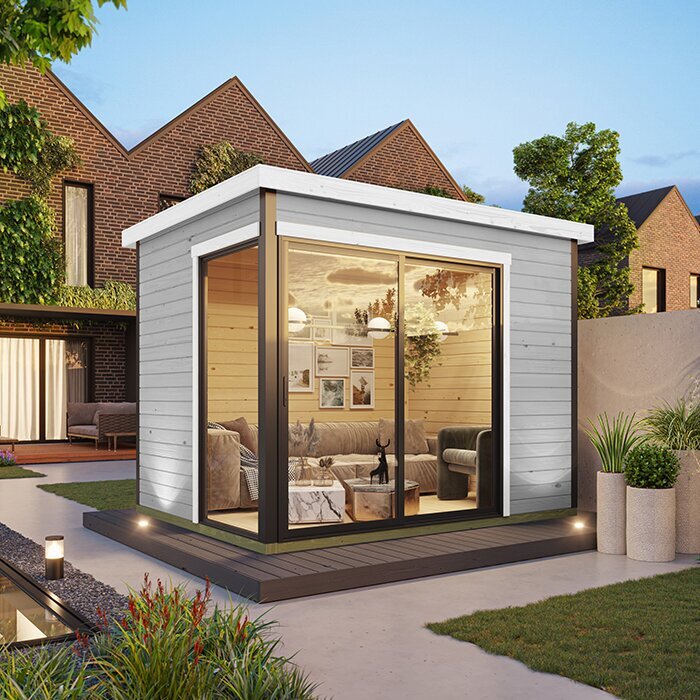
Build a comparison sheet for the final candidates, using the same rows for each: external footprint, internal dimensions, door opening, position of openings, stated base requirements and what is included. Write “not stated” where details are missing. This prevents a common comparison error: treating an unknown as if it were confirmed. It also makes follow-up questions more precise. Give priority to measurements tied to your own plan, such as chair clearance or the route for a game table, rather than a long list of features you may never use.
Read the product description and ordering information for supplied components, assembly requirements, finish or treatment, and optional extras. Do not assume that a floor, shelves, fittings or installation are included unless the details say so. Ask for a written breakdown of the building price and any selected delivery, base, assembly or finishing services so the total is clear before you commit. Check the delivery arrangements and lead times shown for your order, and make sure access to the property and garden is feasible. If a missing detail affects fit or preparation, get an answer from the seller or an appropriate professional before ordering.
Set a budget and make the final comparison
Set a budget around the finished use, not just the shed itself. Include any game table or equipment you still need, storage, seating, site preparation and services you choose to add, as well as delivery or assembly charges if applicable. Rank requirements as essential, useful and optional, then remove any candidate that fails a non-negotiable check, such as enough internal room for the main activity or a workable entrance. This avoids being drawn to an attractive extra while overlooking the dimensions that make the games possible. It also helps you see whether an apparently cheaper option would need additions to fulfil the same plan.
Before placing an order, revisit your drawing with the actual product information in front of you. Confirm the model, dimensions, door arrangement, included items and stated preparation requirements; check the current written price and delivery or assembly terms rather than relying on an old note or general description. Keep a copy of the details used to make your choice and note any unanswered questions. A short, evidence-based comparison is more useful than choosing the largest-looking image: it helps you buy a garden shed that matches the way your family intends to play.
Frequently asked questions
Can a garden shed fit table tennis or another active game?
It may, but the external footprint alone is not enough to decide. Check the game maker’s guidance for the space needed around the equipment, compare it with the shed’s internal dimensions, and map the route players will use. If a listing does not show the measurements you need, ask before ordering rather than estimating from a photograph.
How do I work out what size garden shed we need?
Plan for the actual activity: include the table or equipment, chairs pulled back, people standing, the entrance and any storage. Measure the internal floor space and test the layout at full size with tape. Add any clearance recommended for the game; the building’s outside dimensions do not confirm a comfortable fit.
Can game equipment be stored in the same shed?
Yes, if the layout leaves storage separate from the main playing area and routes. List the boxes and larger equipment, check whether any storage features are actually included, and reserve their space on your plan. Do not assume shelves, cupboards or particular storage conditions are provided unless the order details say so.
What should I check if we plan to use the shed throughout the year?
Look for stated information about openings, ventilation, insulation and weather suitability, and decide whether you need additional lighting or power. A shed’s appearance does not confirm how comfortable it will be. Consult a suitably qualified professional about fixed electrical work or structural changes before buying or altering the building.
What should I confirm before ordering?
Check the model name, external and internal dimensions, entrance measurements, included items, preparation and assembly requirements, delivery access, total price and current order terms. Record any missing details and get answers before paying, especially if a measurement determines whether your game table, furniture or equipment will fit.
Buying a garden shed for family games is easier when the decision follows a measured layout and your family’s actual plans, not a product image. Choose the activities, count the people and equipment, and test that arrangement against stated internal dimensions, door access and the garden site. Then compare what is included and the complete order terms. The strongest choice is not necessarily the largest building; it is the one whose verified layout gives everyone room to play, move around and store equipment without turning the game area into an obstacle course.
