
Buying a Garden Shed for Summer Relaxation
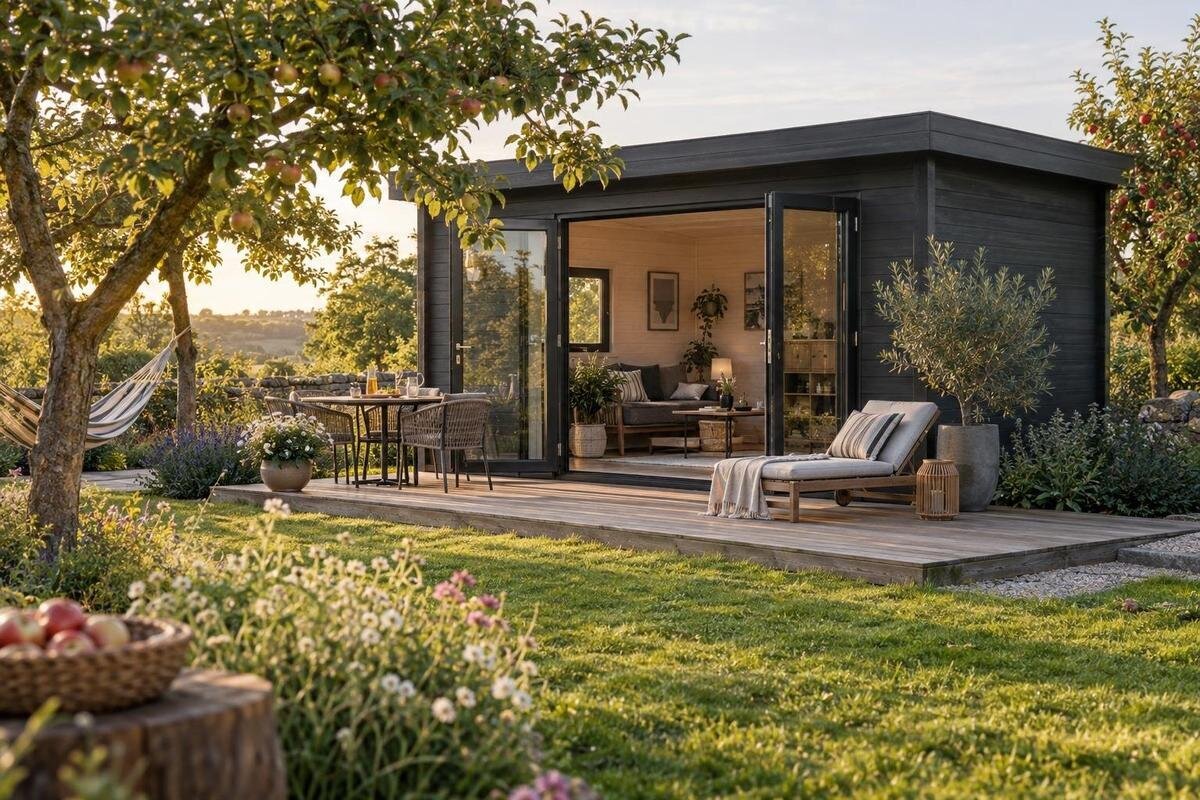
Garden shed buying guide
Buying a garden shed for summer relaxation is easier when you define what comfort means in your garden before comparing models. Decide who will use it, what furniture needs to fit, how much light and privacy you want, and where the building can sit without disrupting access. Then compare published product details, site requirements and ordering terms. A quiet place to read, a spot to chat and storage for cushions may all be useful, but the layout should make your main use straightforward rather than relying on appearance alone.
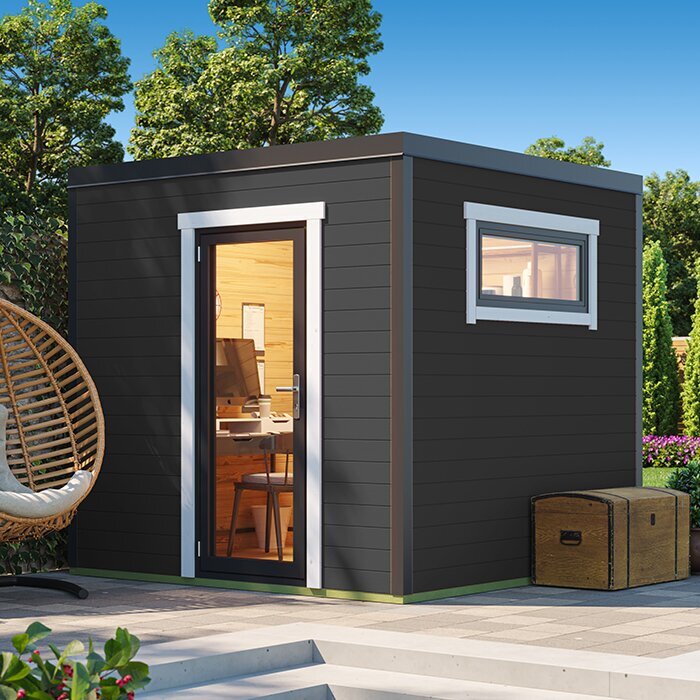
Decide how you will use the retreat
Treat the purchase as a small-room decision rather than choosing by appearance alone. Picture an ordinary summer visit: who will use the shed, how many people need a seat, and whether you plan to read, chat, have a snack or take a quiet break. Those activities call for different arrangements. One armchair and a side table need a different amount of clear floor from two seats facing each other. Write down the main activity and usual number of users first; occasional guests matter, but they need not dictate the whole layout.
Make a second list of what should stay inside. You might want a small table, cushions, books or serving items close at hand; anything kept outdoors will need another place when it is not in use. Decide whether the room should feel open or also hold seasonal belongings. Draw the door and furniture on paper, then mark a clear route from the entrance to each seat. When you test a shortlist entry such as the Verdana 1 garden shed listing, use details for that exact model to check your plan. Its name or photograph alone cannot show whether the room will work for you.
Choose a size that fits people and furniture
Floor area is only one part of usable space. The outside footprint tells you how much garden the building occupies, while the internal measurements show the room available after the walls are accounted for. Check which figures a listing gives and whether a drawing labels them clearly; do not assume that an advertised size is the clear space inside. Height matters too if you want to sit upright, add shelving or use a taller chair. Compare the shape of the room as well as its total area, since a narrow rectangle can arrange furniture differently from a near-square plan.
Measure the seats and table you already own, or mark out the size of possible furniture with tape on the floor. Include the space needed to pull a chair out, get past it and open the door without striking a table. A plan can look roomy on paper yet feel awkward if every seat blocks the main route. Use the dimensions in the Verdana 2 garden shed listing as information to assess, not as a substitute for checking the version and layout you intend to order. If internal measurements or a clear drawing are missing, ask for them before deciding.
Check the footprint, ground and access
Mark the proposed footprint using the building’s external dimensions, not the room measurements. Include clearance for doors, assembly and future maintenance where the product instructions require it. Look for nearby paths, trees, walls and other obstacles, and consider whether the shed would make an existing route difficult to use. Notice how water moves across the area after rain. If the ground, drainage or base requirements are uncertain, consult a qualified professional rather than trying to solve a site or structural question from a product photograph.
The route to the site matters as much as the final position. Measure gates and narrow passages, and note turns, steps, slopes and overhead obstructions between the delivery point and the garden. Ask how the order is delivered, what access is expected and whether assembly is available. For a product page such as the Veltor 1 listing, use the stated information as a starting point for those questions, not as proof that delivery or assembly will suit your plot. Find out what needs to be ready at the site before you place the order.
Choose a position for shade, privacy and a view
Spend time observing the proposed spot at the hours when you expect to use the shed. The direction of sunlight can change the amount of glare and warmth inside, and a place that is shaded at one time may receive direct sun later. Trees and nearby buildings may provide shade, but do not assume they will keep the room comfortable throughout the day. Consider whether you can add suitable shade without blocking openings or making the exterior difficult to maintain. If a site feature raises questions about placement, seek advice before ordering.
Privacy and outlook are personal choices, so assess them from the position where you expect to sit. Check what you would see through the openings and whether nearby paths, windows or seating areas would make the space feel exposed. Mark the planned orientation on a simple site sketch, then compare it with any opening layout supplied for the model. When looking at the Modano 1 garden shed listing, look for a drawing that shows where doors and windows sit; if the available information does not answer that question, ask before relying on an assumed layout.
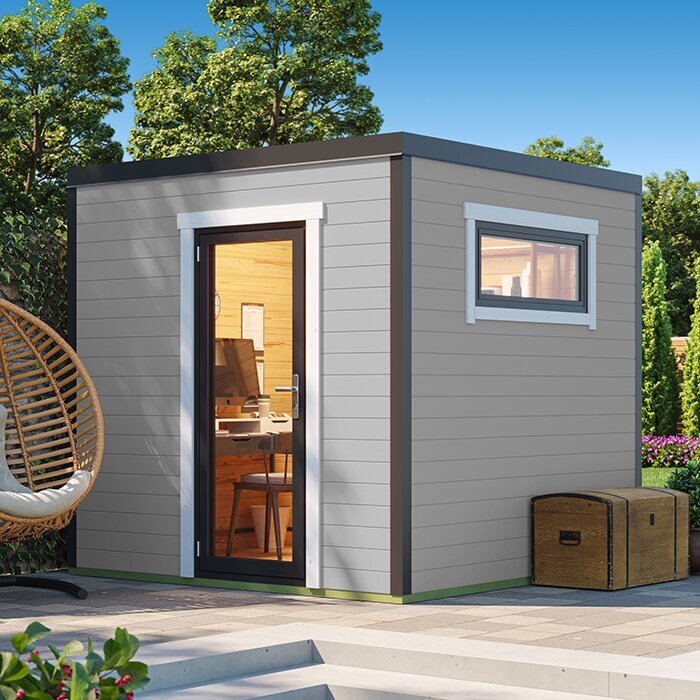
Consider doors, windows and ventilation
Doors and windows affect how you enter the shed, what you see from inside and how daylight and fresh air may reach the room. Think about whether you want to open the building while seated, and whether the openings face the part of the garden you want to look towards. A hinged door needs space to swing, so account for its movement as well as the furniture inside. Do not infer the opening type or position from a model name; check the product description and drawings for the exact version.
Openings alone do not guarantee that a room will feel comfortable in every condition. Find out how they operate and where they are placed, and consider whether direct sun through a window could cause glare at the time you plan to use the space. If screening or window coverings matter to you, check whether they are included or can be fitted; do not assume that accessories shown in an image form part of the order. Use the information on the Durano garden shed listing to guide your comparison, and request any detail you need that is not stated.
Choose materials and finishes with upkeep in mind
A relaxing space should not come with maintenance you have not planned for. Compare the stated materials and finish for each exact model, and look for the supplier’s guidance on cleaning, treatment and ongoing care. Do not treat a product name or an image as confirmation of what the building is made from or how it has been finished. If the information is unclear, ask what is included and what care the maker recommends. The right choice is partly about whether you are willing to keep up with the work the specified finish requires.
Think about how easily you can reach the exterior for the care described in the product guidance, and whether the shed’s position leaves room to do it. Check whether any floor or finish you expect is included, rather than assuming it comes with the building. The Wooden Garden Shed M listing can be one page in a comparison, but its name alone does not answer questions about its materials, treatment or package contents. Include the time and supplies needed for upkeep in your decision, so the retreat remains practical after the initial setup.
Plan the interior around seating and everyday comfort
Keep the layout simple enough that the room remains easy to use. Decide where each seat and table will go, then check that people can reach them without squeezing past stored items. A small amount of closed or neatly arranged storage may keep cushions and books close by, but bulky belongings can take over the space intended for relaxation. Leave the route to the door clear and avoid placing furniture where it obstructs an opening. A measured sketch is more useful than buying furniture first and hoping it will fit.
Check the dimensions of any items you plan to bring inside, including the largest piece and the route it must take through the doorway. Consider where you will put drinks, reading material or cushions without crowding the seating area. If powered lighting or cooling is important to your plan, do not assume that wiring or equipment is included; ask what the building provides and discuss any installation with a qualified electrician. Use the drawings and measurements for the Orello 1 listing as material to review, not as evidence of a particular layout or feature.
Compare product information, not just photographs
Make a comparison table for the exact models and versions you are considering. Record the outside and inside dimensions, height, opening positions, stated materials and finish, and any package contents that matter to your plan. Note where the listing gives a figure and where it leaves a question unanswered. Product photographs can help you judge appearance, but perspective and styling do not establish measurements or what is included. Compare like with like, and avoid assuming that a similarly named version has the same details.
Use the product page to identify the questions that could affect your decision: whether a stated feature is included, how an opening works, what the base needs, or which components arrive with the order. The Wooden Garden Storage Shed S listing can be included in that exercise without assuming that its title confirms a particular size or suitability for relaxing. Ask the seller to clarify any important unknown before you compare totals. A brief written record of the answer makes it easier to distinguish verified details from assumptions when you review your shortlist.
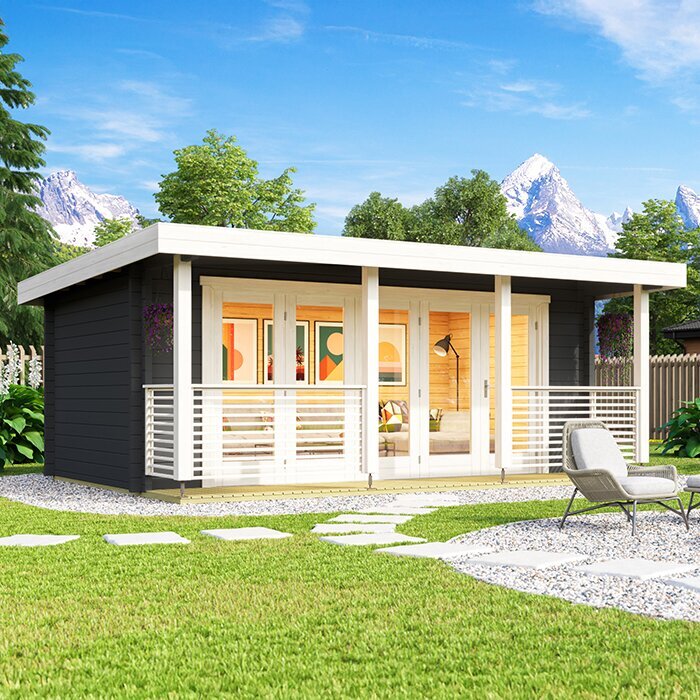
Confirm delivery, assembly and order terms
Before committing, check the delivery conditions for your address and the access route you have measured. Ask about any delivery or assembly costs, the expected timing and what happens at the point of delivery. Do not rely on a general estimate if a narrow gate, steps or a long path could affect the practical arrangements. If assembly is offered, find out what is included and what site preparation remains your responsibility. These details can change the total cost and the amount of planning needed before the shed can be used.
Read the seller’s terms for package contents, assembly responsibilities, aftercare, returns and any warranty that may apply to the selected model. Check the manufacturer’s base and site instructions, and share the exact version with an installer if you are using one. Ask what should be prepared before delivery is arranged, rather than assuming the order includes every component or service you need. Resolving these points in advance helps you avoid a mismatch between the shed you selected and the arrangements available at your property.
Set a budget and make your final comparison
Compare the cost of the complete retreat, not only the building itself. Depending on your plans, your budget may also need to cover site or base preparation, delivery, assembly, seating, a table, storage and window coverings or shade. Separate essentials from additions that can wait, and check which items are included in the stated price. Ask for the costs that apply to your chosen model and address; do not base the decision on an assumed discount or on accessories shown in a photograph.
Before choosing, review your notes against the priorities you set at the beginning: usable room for your furniture, a position that suits your garden, the openings and privacy you want, and upkeep you can manage. Mark any unanswered question that could alter the choice and resolve it before ordering. A smaller building may make more sense if it fits the site and supports the way you plan to relax; extra space is only useful when the layout and practical details work. Choose from documented information rather than the impression created by a picture.
Frequently asked questions
How do I work out the right size for a summer retreat?
List the people and furniture you expect to have inside, then draw them to scale with the door and a clear route between the entrance and seats. Compare that plan with the listed internal measurements, not just the outside footprint. Leave space to sit down, stand up and move about comfortably.
Will a garden shed stay cool in summer?
No particular level of comfort can be assumed from the product name or appearance. Sun exposure, shade, openings and the building’s layout all matter. Observe the proposed site at the times you plan to use it, then check the product information for the position and operation of doors and windows.
Are windows essential in a garden shed for relaxation?
That depends on whether you value daylight, a view or ventilation, and how much privacy you want. Check the exact position and type of each opening, rather than relying on a photograph. If you prefer a more private space, consider where the openings will face and whether suitable coverings are available.
Can I place the shed on any flat part of the garden?
A flat-looking spot is not enough to establish that the location or base is suitable. Compare the site with the manufacturer’s requirements, allow for access and assembly, and consider how water moves across the area. Ask a qualified professional about ground or base concerns, and check any relevant local property requirements.
What should I confirm before placing an order?
Make sure you have the exact model and version, clear dimensions, package contents, site and base requirements, and details of delivery and assembly. Check the seller’s terms for costs, timing, aftercare, returns and any warranty. Ask for clarification in writing if a detail could change your choice or preparation.
Think of the purchase as a room-and-site decision: the shed needs to fit the plot, accommodate the way you genuinely relax, and offer openings, privacy and upkeep that make sense for that particular place. A measured layout, time spent observing the site and clear answers to specification or delivery questions will give you a more useful shortlist. Choose the model whose documented details match those needs, rather than one whose image alone suggests a ready-made summer escape.
