
Buying a Garden Shed Kit for Self-Assembly
Garden shed buying guide
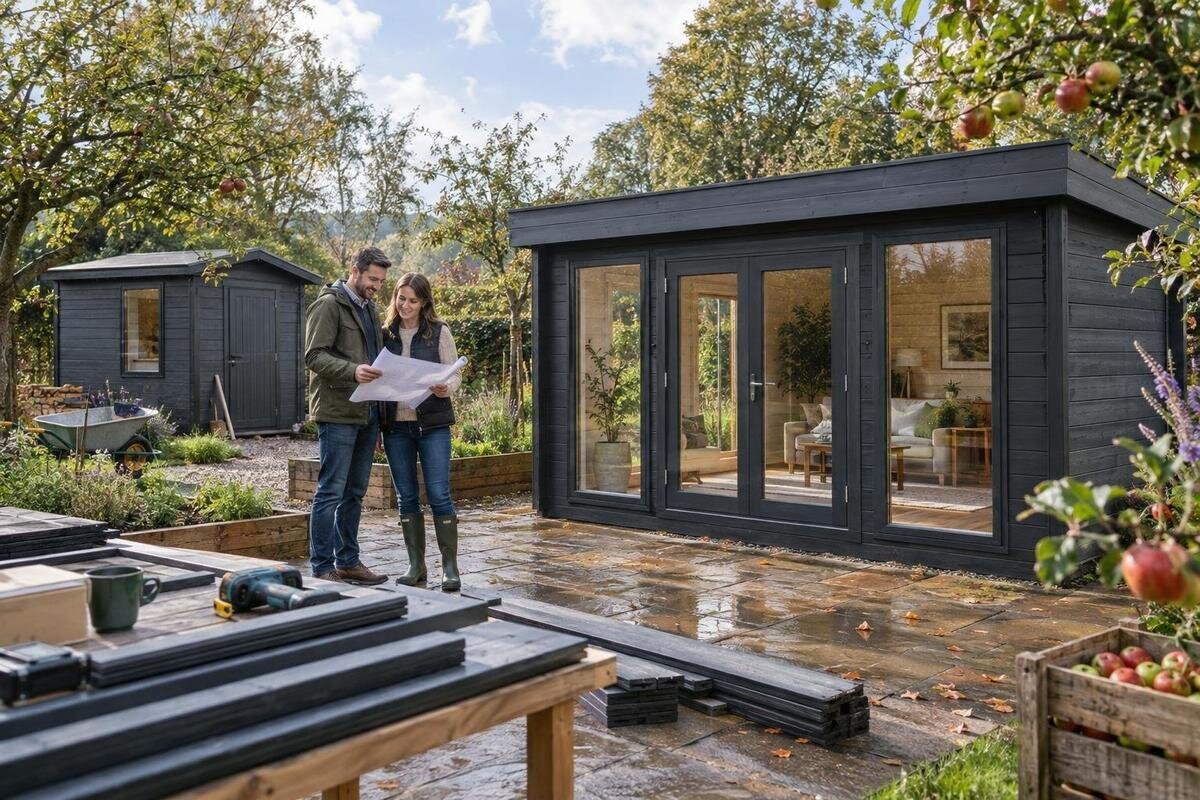
Buying a garden shed kit for self-assembly is about more than choosing a shape that fits your garden. You need to know what arrives, what you must supply, whether the site and access suit the package, and whether the assembly work is realistic for you. Product photographs and model names cannot answer all of these questions. Compare the written specification, kit contents, site requirements and assembly information together. This guide focuses on decisions to make before ordering, so the shed you select fits both your outdoor space and the work you are prepared to take on.
What is included in a self-assembly shed order?
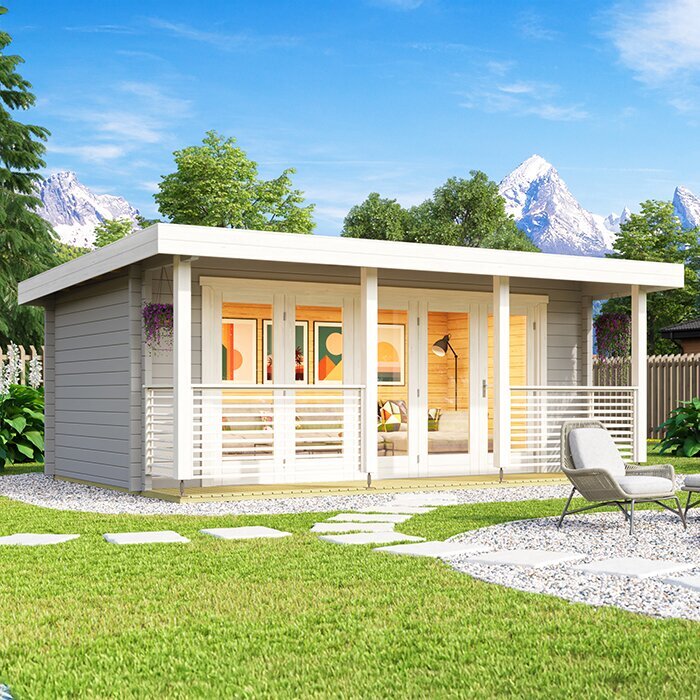
A self-assembly label tells you that putting the shed together is part of your task; it does not, by itself, explain every item or preparation included in the purchase. Site work, a supporting base, a floor, surface treatment, fixings, tools and delivery arrangements can be treated differently from one listing to another. Check the product specification and the seller’s terms rather than assuming that everything visible in a photograph arrives in the package. Separate what is included, what is optional and what you need to organise yourself. In particular, ask whether finishing or site preparation is expected before assembly, and whether extras must be selected separately. If a page offers several configurations, verify which one its description and images refer to.
Make a comparison sheet for the exact model and configuration you are considering, then note any answer that affects cost or assembly. For example, the Verdana 1 garden shed can be one entry on your shortlist, but its name alone does not tell you what the kit contains. Record the stated package contents, excluded items, delivery scope and preparation requirements beside it. If a detail affects whether you can assemble or use the shed, ask before committing and keep the answer with your notes. Where a listing offers options, write down which ones you intend to select; otherwise, you may compare a basic package with a different configuration without noticing.
Measure the shed and the space needed to assemble it
Measure the proposed position and record the largest usable area, rather than relying on a rough estimate. Compare the shed’s stated external dimensions with that space, and check whether published measurements include a roof projection or trim. Where internal dimensions are provided, use them to judge storage: the outside footprint is not the same as usable floor area. Leave room for the door to operate and for access to the sides you may need during assembly and later care. Mark the proposed footprint on the ground or on a simple plan; measuring against a fence alone can hide a narrow point, obstacle or change in width.
Assembly also needs working space around the finished footprint. Consider where components can be laid out, whether there is room to reach the build position, and whether the route from the delivery point passes through gates, turns or narrow areas. Ask for package dimensions and handling details if access is tight; do not assume a compact-looking shed arrives in pieces that are easy to move. If listed measurements exclude projections, account for those too. Add the Verdana 2 garden shed to the same measurement sheet only after checking its stated dimensions and site access needs, rather than comparing model names.
Compare materials and care requirements
Compare the stated construction material for each major part—walls, frame, roof and floor—rather than relying on a broad label or the appearance in a photograph. If a kit uses timber, ask about the type and finish, whether any treatment is supplied, and what care the seller recommends over time. For other materials, ask how the finish is maintained and whether damaged sections or fittings can be replaced. The same headline material can be used differently across parts, so check the detailed specification. These points affect routine ownership as well as the first assembly.
Relate the specification to the spot where the shed will stand. Exposure to sun, rain, wind and damp can vary across a garden; ask whether the selected material and finish are intended for the conditions at your site, and what preparation or periodic care is required. Avoid treating words such as “solid”, “premium” or “weatherproof” as a substitute for material details and care instructions. Ask whether treatment needs to be applied after assembly and whether the seller recommends a compatible product. Include the Durano garden shed in your comparison only after reading its own specification; the model name does not confirm its materials or care needs.
Read the kit contents list carefully
Check that the contents list names the main elements you expect: wall and roof sections, structural pieces, a floor if specified, doors or glazing where listed, fixings and assembly instructions. Listings can describe a complete set in different ways, so do not assume a floor, roof covering, handles, hinges, seals, anchors or surface finish is included unless the written details say so. Check whether parts are optional or sold separately, and note any extra purchase needed before comparing the amount you expect to spend. If the specification gives quantities, make sure they are clear for the selected configuration.
Ask how the parts are identified and what to do if a component is missing or arrives damaged. A clear parts list, labels that match the manual and a route to request replacement parts make it easier to organise a self-build; a photograph may not show every small component. Use the same checklist for each option, including the Veltor 1 garden shed, and mark every item as included, optional or unconfirmed. If an essential detail is unconfirmed, ask the seller to clarify it before checkout rather than assuming a standard fitting will work. If items are sold separately, check that the seller confirms which options match the kit.
Assess the assembly work before you choose
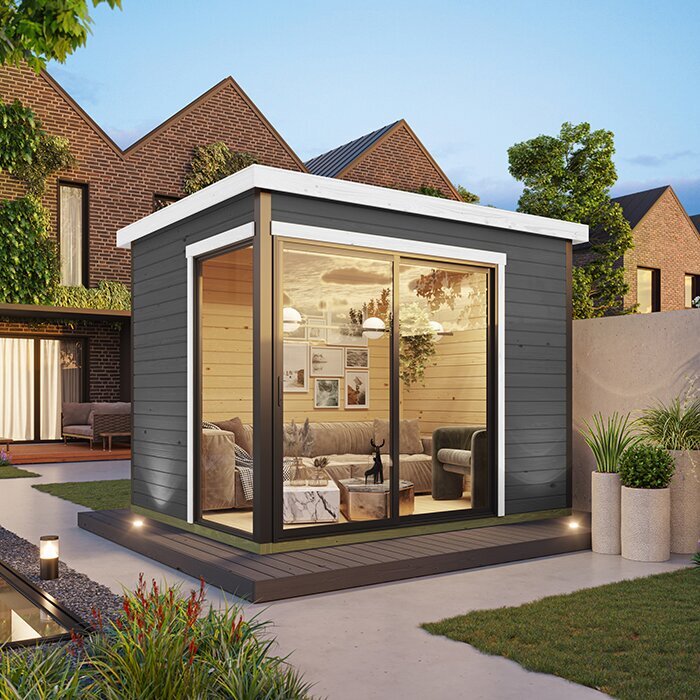
Look beyond whether you have assembled something before: the relevant question is whether the supplied instructions and actual tasks suit your experience, available time and help. Ask for the manual for the exact model before buying, if it is available. Look for the sequence, part identification, stated tools, preparation steps and any requirement for more than one person. A short sales description saying “easy to assemble” is not enough to judge the work. If instructions cannot be viewed in advance, ask what assembly information the seller can provide and whether the guide covers every stage you will need to plan.
Think about when and where you will build it. You need enough room to sort components without blocking access, and a realistic period when you can follow the manual without rushing. Check whether tasks described in the instructions require another person, and arrange help rather than assuming you can manage every part alone. Ask about the assembly documentation for the Orello 1 garden shed just as you would for any kit under consideration. A manageable project is one whose demands and preparation are clear before delivery, not one judged only by the size of the finished shed.
Confirm the base and site requirements
Confirm the base requirements for the specific shed before preparing the site or placing an order. Check what kind of supporting surface the seller specifies, whether it must meet stated dimensions or tolerances, and whether a floor forms part of the kit or is separate. Do not carry a base assumption from one shed to another: the instructions for the chosen product should govern. Ask what work must be complete before assembly can begin, and whether listed measurements refer to the floor, walls or another part of the structure. If requirements are not published, request them before deciding.
Look at the actual ground and surroundings as well as the product page. A slope, soft ground, poor drainage or restricted side access may affect preparation, but there is no single base solution to recommend without the kit and site details. If the ground is uncertain or needs structural preparation, ask a suitably qualified local professional to assess it rather than improvising. Give that person the information for the exact model. When checking the Modano 1 garden shed, request its own written site and base requirements; do not infer them from another listing.
Plan delivery and the route to the garden
Delivery may stop short of the place where you plan to assemble the shed. Before ordering, check the delivery method, any stated charges or restrictions, what unloading assistance is provided and whether the kit is left at a particular access point. Measure gates, paths, turns and changes in level on the route to the final position. Ask about delivery-vehicle limitations for your address and whether package dimensions are available. If a vehicle cannot reach the garden, work out how the parts can be moved without blocking the route or damaging components.
Ask for the package count and dimensions, and for weights if the seller provides them, rather than estimating from the finished shed. Plan a clear place to receive the components and follow the seller’s guidance on storage before assembly. Check whether delivery needs to be booked for a particular time, what happens if access is unavailable and how to report a damaged or missing part. Include the Garden Shed M listing in a delivery comparison only after confirming its own conditions; do not assume another item’s terms apply. Keep relevant delivery details with your order notes.
Check the openings against what you plan to store
A shed can fit the plot and still be awkward if an opening is too small or poorly placed for what you store. Check the clear opening dimensions and position, not only the overall front width. Compare how the specified door operates and how much unobstructed space it needs, then imagine the largest item you plan to move in and out. If windows, glazing or other openings matter to you, check which are included in the exact configuration and whether they open or are fixed; do not infer their function from an image.
Plan the inside around actual objects: measure long tools, bicycles, boxes or equipment, and consider whether they can be turned through the entrance. Leave room to reach frequently used items without moving everything else, and check stated floor area and internal height rather than treating external dimensions as usable storage. If shelves or fittings matter, verify whether they are included or optional. The Garden Storage Shed S listing can sit beside other options on your shortlist, but confirm its actual opening and internal measurements before deciding.
Check the instructions and tools before checkout
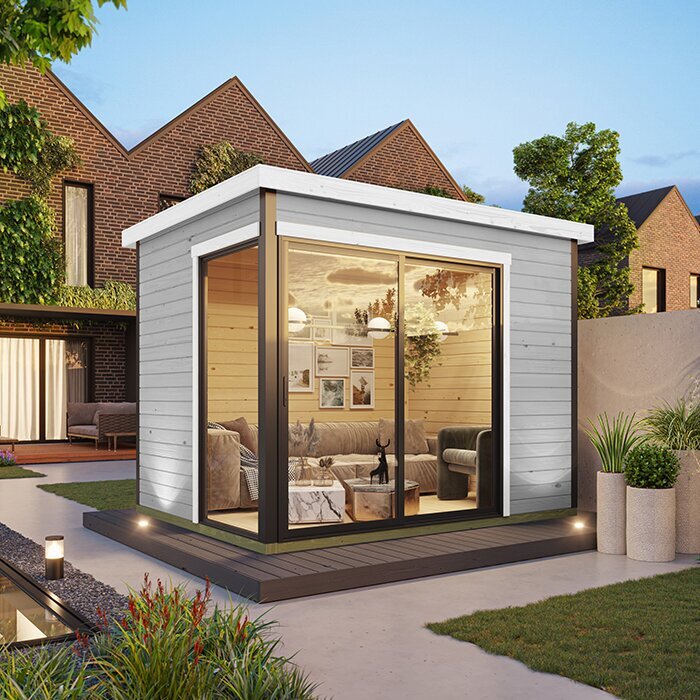
Tools and instructions are part of the buying decision because missing either can delay your plans. Ask for the manual for the exact model and check its tool list, fixings, separately required consumables, and any preparation or finishing steps. Confirm which listed items are supplied and which you must provide; a toolkit is not included simply because a kit is sold. Check that the manual is available in a language you can use and that its diagrams identify parts and stages clearly. Ask about anything you cannot interpret before ordering.
Use the instructions to understand the order of work and the conditions they expect, then compare those requirements with your tools and workspace. Do not substitute an online guide for the manual covering the kit you order: similar-looking garden sheds can have different component arrangements. Ask how to obtain the current instructions if they are not shown online, and whether they match the selected configuration. That lets you prepare a realistic list of tools and materials before delivery. Avoid buying uncertain extra parts until the seller confirms the requirement.
Review the order details before paying
Before checkout, make sure your notes refer to one exact model and configuration, with dimensions, material descriptions, included components and chosen options written down. Compare the full stated purchase cost only after accounting for items the kit does not include and delivery or other charges listed by the seller; do not assume two headline prices cover the same scope. Check that the finish, openings and floor arrangement match your intention, and that any separately selected extras appear in your basket. If a page offers multiple choices, verify the final selection against your notes.
Read the seller’s information on order changes, returns, damage or missing parts, warranty coverage and delivery arrangements before paying. These conditions affect how you handle a problem or a change of plan, so do not rely on general expectations or terms from a different product. Save the specification and any written answers about kit contents, site preparation and assembly. Check the order summary for the model, configuration, delivery address and selected extras; a final review helps ensure the package you expect is the package you have ordered.
Frequently asked questions
What is included in a self-assembly garden shed kit?
There is no single contents list that applies to every model. Check the exact specification for wall and roof parts, the frame, a floor if offered, doors or windows, fixings and assembly instructions. Confirm whether treatment, fittings or other extras are included. Treat photographs and phrases such as “complete kit” as prompts to check the itemised details, not as proof of what arrives.
Does a self-assembly kit include a base?
Do not assume it does. Check whether the shed floor is included, then separately ask what supporting surface the chosen model requires. A floor and a prepared base are not necessarily the same item. Get the site requirements before preparing the ground; if the site conditions are uncertain, ask a suitably qualified local professional to assess them.
How long will assembly take?
The category name alone cannot tell you how long a particular build will take. Ask for the instructions for the exact model and check whether they give an estimate, including any assumptions about preparation, experience or the number of people involved. Compare that guidance with your available time and workspace rather than relying on a general online estimate.
Can I assemble a garden shed kit on my own?
Decide after checking the instructions for the exact kit. The parts, sequence and any stated requirement for help can vary. If the instructions call for another person, arrange help; if they are not available before purchase, ask the seller what information they can provide. Do not base the decision on an assumption that every part can be handled alone.
What should I check just before ordering?
Confirm the exact model and configuration, dimensions, materials, contents and exclusions, base requirements, assembly instructions and tools. Check delivery access and charges, along with the seller’s information on order changes and missing or damaged parts. Make sure any optional items you need appear in the order summary, and get unclear details confirmed before paying.
A suitable self-assembly kit is one whose size, contents and site requirements make sense for your garden, and whose instructions match the time, tools and help you can provide. Comparing those details together is more reliable than choosing from a photograph or model name alone. When a point affects the work or the completed shed, settle it before ordering so your plans are based on the exact kit you intend to buy.
