
Buying a Garden Shed on a Fixed Budget: Prioritise the Essentials
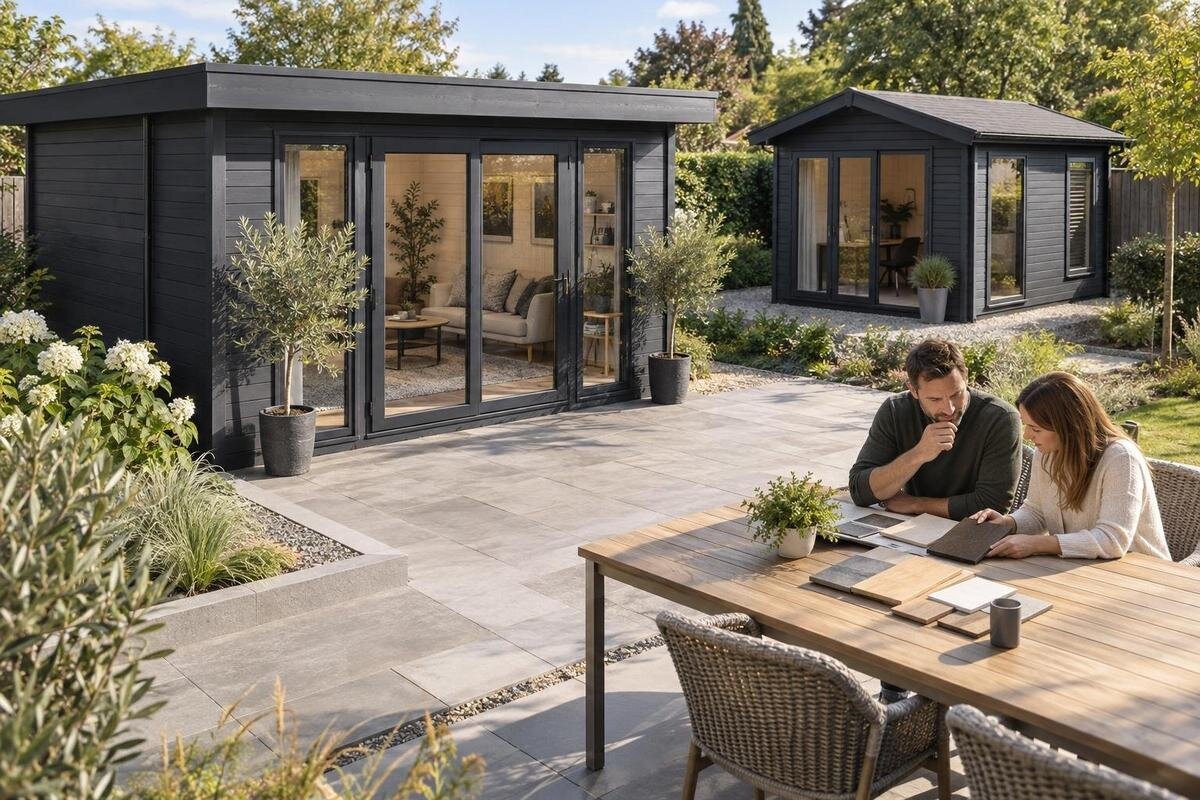
Garden shed buying guide
Planning a purchase around a fixed budget is easier when the shed price is only one line in the calculation. First decide what must be stored, what the site can accommodate and which parts or services may cost extra; then compare options on the same all-in basis. This keeps attractive but non-essential features from crowding out the requirements that make the shed useful.
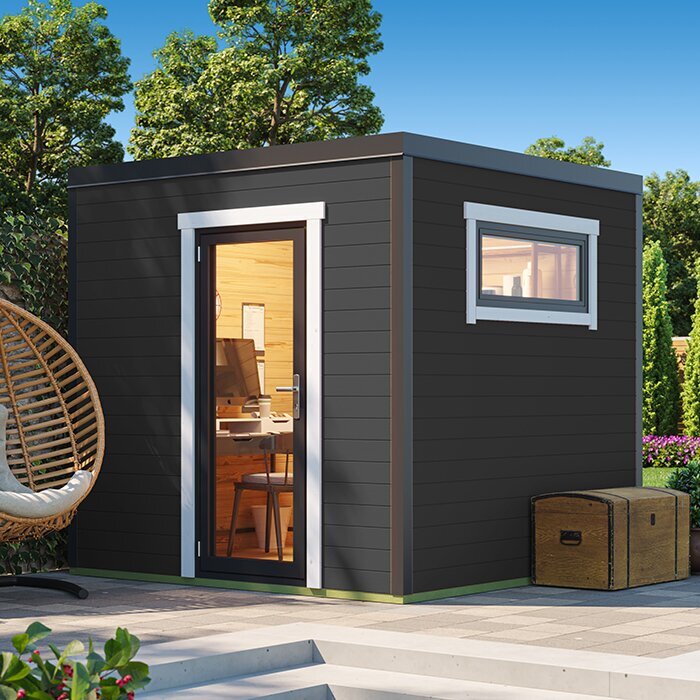
Budget checklist 1
Set a total project budget before comparing sheds
Decide whether the amount you have in mind is a limit for the shed alone or for the whole project. With a fixed budget, the all-in figure is the more useful ceiling: include the listed shed price, any delivery charge, the base or ground preparation required by the installation instructions, assembly if you will pay for it, and parts that may be separate, such as a floor or roof covering. Add treatment or storage fittings only when they are needed for your use. These costs depend on the product and site, so use supplier information and quotes rather than a generic allowance. If the cap must cover everything, keep a reserve before deciding what the shed itself may cost.
Separate your budget into three groups: essential before use, worthwhile only if affordable, and possible later. Record each item as confirmed, quoted or unknown; do not treat unknown amounts as zero. When reviewing a listing such as the Verdana 1 garden shed, use it as one comparison entry: verify the current price and included items in the product details, then ask for a total for your address. A lower starting figure may not cover a part or service you need, while some extras may not be necessary at all. Set a stop figure before browsing, so a feature upgrade cannot quietly push the purchase beyond your limit.
List what you need to store before choosing a size
Write down the things the shed must hold now, rather than choosing a size from a general idea of future needs. Note bulky items such as garden equipment, bicycles or outdoor furniture separately from smaller tools and seasonal belongings. Measure the largest items, including their height and the space needed to handle them. Think about how often you will take each one out: frequently used items need to remain accessible, while occasional-use belongings can be placed further back. If there is a specific item you expect to buy soon, include it; if it is only a vague possibility, avoid paying for extra space on that basis alone.
Compare your inventory with the stated internal dimensions, not just the external footprint. If a product page gives only outside measurements, ask for the internal layout and doorway dimensions before ordering. Enough floor area does not guarantee convenient storage if the entrance is awkward for a large item or shelving blocks access. Review a listing such as the Verdana 2 garden shed against your written measurements; its model name alone does not establish its size or capacity. Leave practical room to reach and remove belongings, but do not pay for an empty corner reserved only for an uncertain future purchase.
Budget checklist 2
Measure the garden space the shed will occupy
Measure the intended area rather than relying on an estimate from the lawn or patio. Mark out the proposed footprint with string or another temporary marker and consider how the shed will sit in relation to paths, gates, planting and any access you need to retain. Allow for the opening and use of doors, and check whether there is room to reach the sides for the care described by the supplier. A shed that fits on paper may still interfere with a route or make part of the garden difficult to use. The measurements help you decide what size is genuinely useful, instead of paying for an unnecessarily large footprint.
Check whether the dimensions provided refer to the outside, the inside or another part of the structure, and look for the position of doors and any stated clearance requirements. Use a drawing or written specification for each candidate; do not infer dimensions from a product name or photograph. For a listing such as the Durano garden shed, keep it on the shortlist only after comparing its confirmed details with your measurements. If the site has restrictions or you are unsure what preparation it needs, get appropriate local or professional guidance before committing to a purchase.
Compare materials and maintenance requirements
A material label alone is not enough to judge whether a shed suits your budget. Compare the stated construction of the walls, roof and floor, along with any finish or treatment supplied. If you are considering timber, metal or resin options, check the supplier’s care instructions rather than assuming that one material will always need less attention. Ask whether a finish needs to be applied before use, whether care products are separate and how the manufacturer says to look after the structure. The answers help you understand both the initial outlay and the time or additional purchases involved later.
A model name such as the Veltor 1 garden shed cannot establish its construction, finish or maintenance needs; use the product specifications and care guidance instead. Add any required treatment or components to the initial total, and consider whether the recommended upkeep is realistic for you. If the listing does not explain a point that could affect cost, ask the supplier before comparing it with another option. Treat a missing answer as something still to resolve, not as proof that the work or expense will be unnecessary.
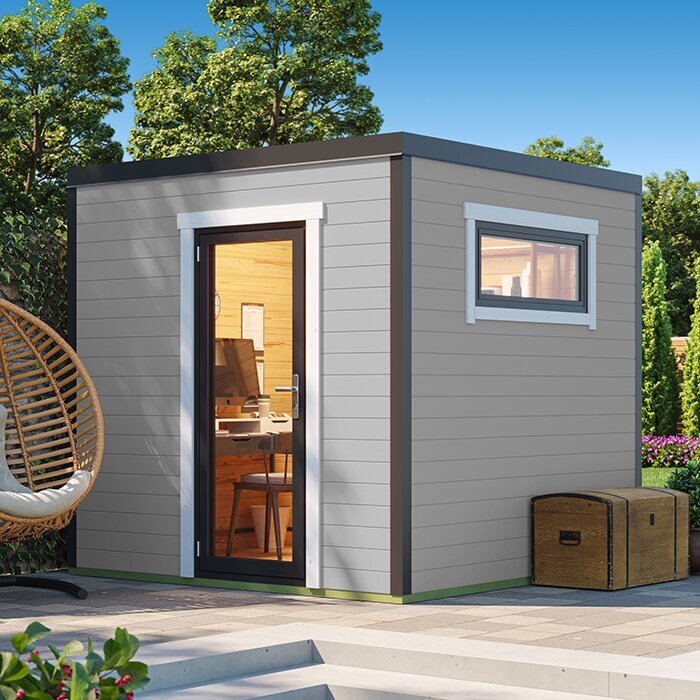
Budget checklist 3
Choose doors and other features for your routine
Access features can matter more than decorative details when you use a shed regularly. Check the stated clear opening and the way the doors operate, then compare those details with the largest item you will move inside. Make sure there is room to open the doors in the position you have measured. If daylight is important, check whether windows are included and where they are placed; do not assume that a product photograph shows the supplied configuration. Consider locks, shelves or other fittings only after confirming whether they are included, optional or incompatible with the layout you need.
Separate features that solve a practical problem from those that simply look appealing. A feature may justify extra cost if it makes routine access easier or replaces something you would otherwise have to buy, but it should not displace necessary site or delivery costs. For any candidate, including the Orello 1 garden shed, treat a feature name or image as a prompt to inspect the actual details, not as confirmation of what the order includes. Write down the one or two features that are essential to your use, then compare their cost across the shortlist.
Allow for delivery, site preparation and assembly
The price of the shed is only one part of getting it ready for use. Ask whether delivery is charged separately and what the service covers for your address; the supplier can also clarify any conditions for receiving the order. If you will pay someone to assemble it, get that cost before making a final comparison. Check the installation instructions for any base or preparation requirements and establish whether the work or materials are included. The amount will depend on the product, site and service you choose, so obtain a relevant quote instead of setting an arbitrary allowance.
Keep the costs for the shed, delivery, assembly and preparation on separate lines until each is confirmed. This makes it easier to see whether a lower product price still leaves room for the other necessary work. A catalogue entry such as the Modano 1 is not, by itself, a delivered-price quote: confirm the current configuration and costs with the supplier for your address. If you are unsure whether a proposed base or preparation is appropriate, ask a qualified installer or other relevant professional to assess the requirements before spending on materials.
Budget checklist 4
Confirm which parts and accessories are included
Read the itemised contents rather than assuming that every visible part is supplied. Check whether the order includes the floor, roof covering, fixings, glazing, locks or any fittings you regard as essential. Product photographs and general category descriptions may illustrate a shed without showing exactly what comes in the chosen package. If a necessary component is separate, record its cost and confirm that it is compatible with the version you plan to buy. This is also a good point to check whether accessories are optional add-ons, so they do not slip into the total without a clear reason.
Decide which extras can wait. Shelving, hooks, storage boxes or other organisers may be useful, but the right choice depends on the items you have listed and the available internal space. Compare their cost with what they replace, and avoid buying fittings before checking their dimensions and compatibility. When reviewing the Wooden Garden Shed M, for example, use the listing’s itemised information to establish what the order covers; do not infer included parts from the model label. A short written checklist of required components can prevent an apparently affordable option from becoming more expensive after checkout.
Compare the complete price and ordering terms
Compare shortlisted sheds on the same basis: the chosen version, stated dimensions, construction, required components, delivery and any assembly or preparation costs. Check whether the price shown includes taxes or other charges, and ask which costs may still be added. Promotional wording or a low headline figure is less useful than the amount you would actually pay for the configuration you need. No offer details are provided here, so make your decision from the current price and terms available when you shop. If a price or inclusion is unclear, ask for clarification rather than filling the gap with an assumption.
Before submitting an order, confirm the selected model and options, the delivery address, what is included and the estimated delivery arrangements. Read the supplier’s payment, return and cancellation terms, and find out how to report a problem with an order. Keep the quotation and order confirmation so you can compare what was agreed with what arrives. If you are considering the Wooden Garden Storage Shed S, verify its current selectable version and price from the product details; the name alone does not confirm dimensions, contents or suitability. Clear terms are part of the buying decision, not an optional extra to review afterwards.
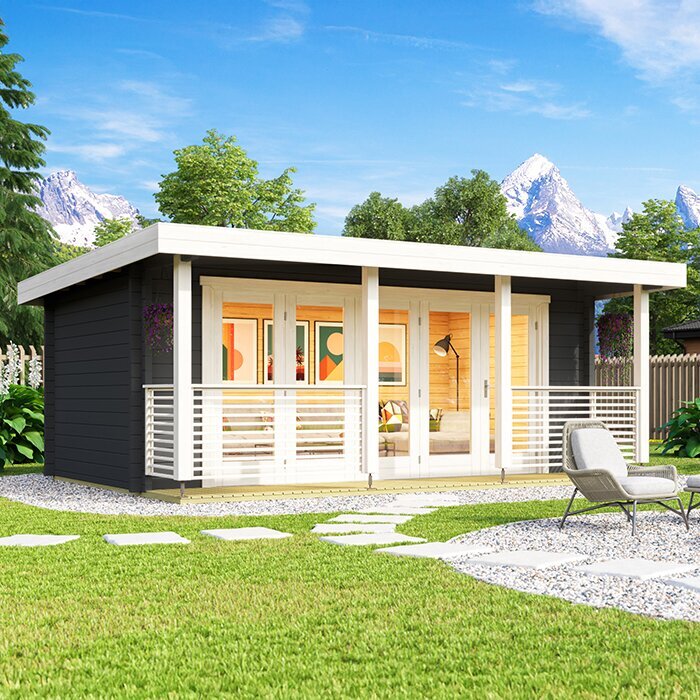
Budget checklist 5
Use a shortlist to make trade-offs visible
Put each candidate into a simple comparison table, with a line for the all-in cost, confirmed footprint, usable dimensions, required parts, care instructions and delivery or assembly charges. For each non-negotiable point, mark it as met, unresolved or not met. That is more useful than relying on memory or giving a strong score to a shed because it has one appealing feature. Keep quoted amounts separate from estimates, and note who supplied each figure. A product with one important unknown should not be treated as equivalent to one whose key details have been confirmed.
Remove any option that exceeds your true spending cap or fails a requirement you cannot compromise on. Then compare the remaining sheds against the features you ranked as useful, rather than trying to find a perfect product with every possible extra. If nothing fits, reconsider optional fittings, decorative preferences or a larger size that your inventory does not justify. Do not make an option appear affordable by leaving out a necessary cost or ignoring an unresolved specification. If the numbers still do not work, revise the plan or wait instead of forcing a decision.
Separate current needs from possible future uses
Decide whether you need a place for garden storage or expect to use the shed for another purpose. If you intend to spend time or work inside it, check that the product information describes a suitable use and ask what additional requirements may affect the price. Do not assume that a standard storage shed will meet needs that have not been specified. If a future use is only a possibility, avoid paying now for features on that basis; if it is a firm plan, include its practical requirements in the shortlist and budget before choosing a model.
A sensible priority order is to confirm that the shed fits the site and your stored items, that its documented construction and care suit you, and that essential parts and services are accounted for. Convenience features can come afterwards if there is room under the cap. Do not remove an item that the supplier’s instructions say is required simply to make the headline price fit. If the complete total is still above your limit, consider a simpler specification or postpone the purchase until the essentials can be covered. The right compromise preserves the shed’s intended use without hiding costs.
Frequently asked questions
What should a fixed garden shed budget include?
Include the shed price plus any delivery, site preparation, base work, assembly and essential parts that are not supplied. Check the product details and ask for a full quote for your address; keep optional accessories separate from costs needed before use.
How can I avoid buying a shed that is too small?
List and measure the items you plan to store, including the space needed to move them through the entrance. Compare those measurements with the shed’s stated internal dimensions and doorway, and allow room to reach stored items.
Is the cheapest garden shed always the best choice?
Not necessarily. Compare what is included, the total delivered cost, any required preparation and the stated care requirements. A lower headline price may not cover parts or services you need, while a more expensive feature may add no value for your use.
Should I pay extra for windows or upgraded doors?
Only if the feature answers a real need and fits the budget. Consider how you will enter and use the shed, check the listed opening and included options, and compare the added cost with other essentials before deciding.
What if the suitable shed costs more than my budget?
Recheck the size, optional features and extras rather than removing a required cost from the calculation. You could compare a simpler option, defer non-essential accessories or wait until the full project cost fits your limit.
A budget-friendly choice is not simply the shed with the lowest displayed price. It is the one that fits the space and storage need, has clear specifications, and can be bought with its necessary parts and services inside your spending limit. When you compare complete costs and keep optional upgrades separate, you can see where a compromise is reasonable—and when an unresolved cost means it is better to pause before ordering.
