
Buying a Garden Shed to Replace an Old One: What Must Change?
Garden shed replacement guide
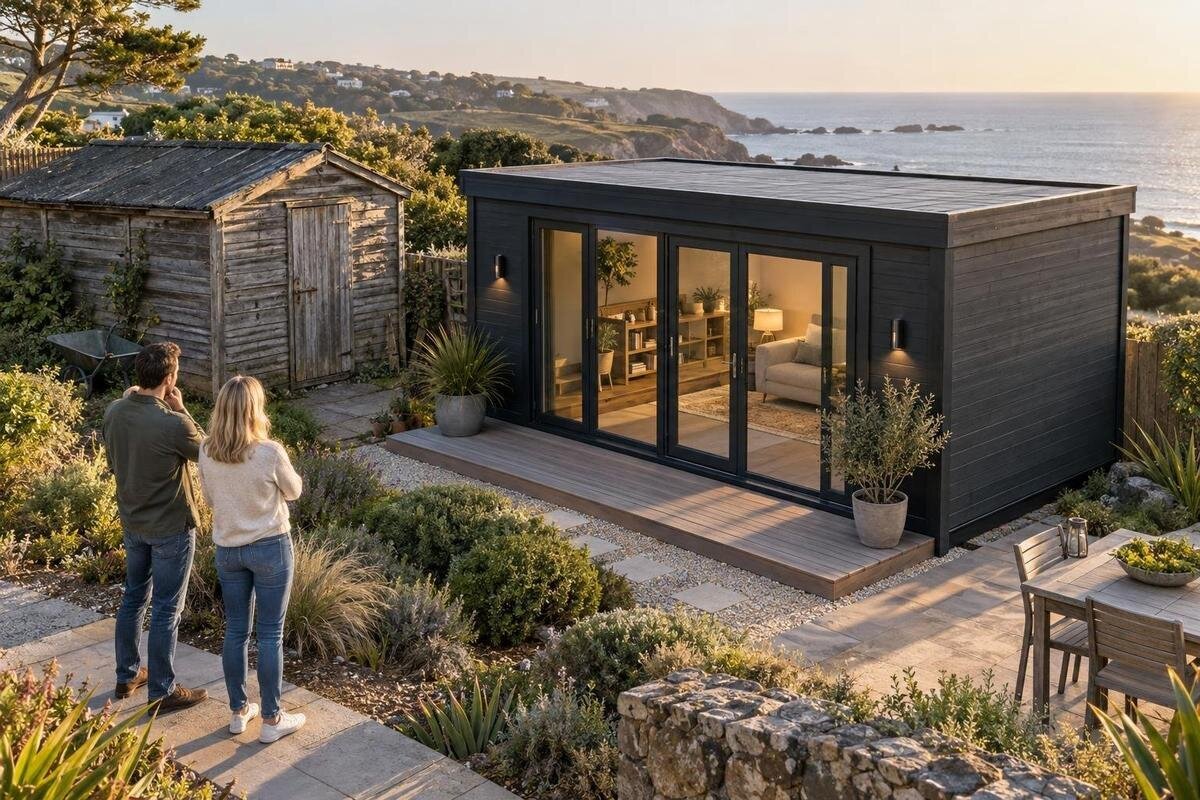
An old shed gives you a useful record of what a replacement needs to do: which items never fitted, where access became awkward and which parts of the setup still worked. Before you buy a replacement garden shed, separate faults in the old building from problems with its position, size or layout. That makes it easier to decide what must change, what can stay and what you no longer need to purchase. A like-for-like footprint is not automatically the right answer.
Record why the old shed is being replaced
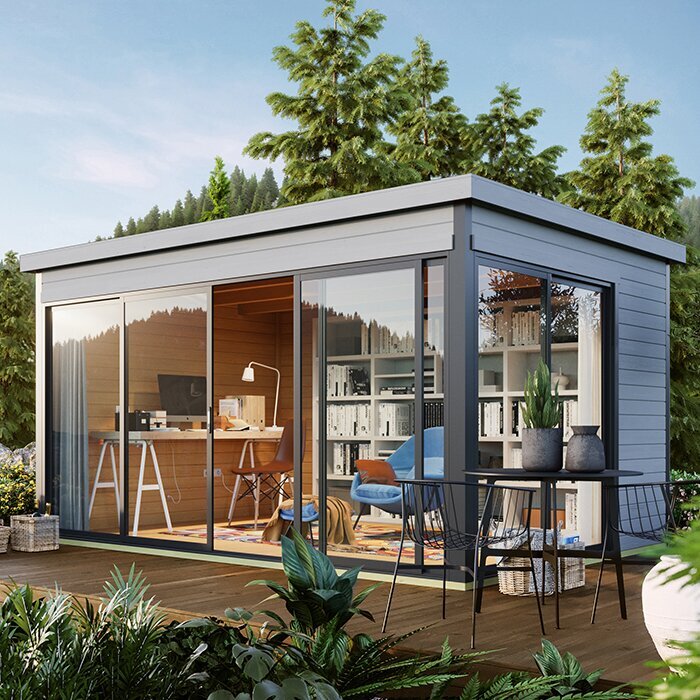
Record the reason for replacing the old shed in practical terms. It may be that stored things are affected by water, the entrance is awkward, the space is too small, or the building needs attention more often than you want. Write down when each problem happens and whether it is recurring; a photo can help you remember where access or condition caused trouble. Separate damage to the existing structure from a layout problem that would remain in a new one. If the cause of deterioration is unclear, or the building appears unsafe, get appropriate professional advice rather than assuming a different model will solve it.
Review the shed during ordinary use, not only when it is empty. Which items come out every week, which are seasonal, and which are hard to reach? Note whether you must move several things to get to one item, whether the doorway blocks a bulky object, or whether wall or overhead space is unused. Sort the contents into what is staying, what will be removed and what needs a different home. Add why each item is being kept if you are unsure; this helps distinguish useful storage from an accumulation that could make a larger replacement feel full just as quickly.
Measure the footprint and the space around it
Measure the old shed’s outside length and width, its height where relevant, and the clear area around it. Do not record only the floor footprint: note wall projections, roof overhangs or other parts that extend beyond it, if present. Compare the inside dimensions as well where you can, because usable interior space is not identical to the outside measurement. Record the door’s clear opening and the length of wall available for storage. Keep figures in one unit, preferably metres or centimetres, and label each as internal, external or clear opening so the numbers cannot be mixed up when you compare products. A labelled sketch is easier to refer to than measurements from memory.
Then sketch the proposed position and mark fixed obstacles, slopes, drains, walls, fences and any route you need to preserve. Measure the space needed to open the door and stand in front of it; a footprint that fits on paper can still be awkward if the entrance faces a narrow gap. Consider whether the replacement will stay in the same place or move slightly, and check its full outside dimensions against the available area. On a candidate page such as the Verdana 1 garden shed listing, use stated external measurements, if provided, against your sketch. Ask about missing dimensions instead of estimating from a photograph or the product name.
Work out how much storage you really need
Emptying the shed is a good time to make an inventory, but count and measure the belongings you will keep, not every object that has accumulated over the years. Note bulky items such as a mower, wheelbarrow, long-handled tools, bins or folding furniture, including the space they need to be taken in and out. Record the widest or tallest items, and separate frequent-use belongings from seasonal ones. A short list by category can reveal that the problem is a few oversized objects rather than a general shortage of storage. This gives you a more realistic basis for comparing a replacement with the old arrangement.
Translate the inventory into usable interior space. Allow for a clear route to frequently used items, and consider whether shelves, hooks or a work surface would reduce floor clutter only if they suit the building and can be fitted as intended. Check internal width, depth and height where available; the outside footprint alone cannot show whether an item will stand upright or pass through the entrance. Keep room to take things in and out instead of planning to pack every corner tightly. Use the Verdana 2 garden shed listing as a comparison only after checking its published layout and dimensions; its name does not establish how much can be stored.
Choose the layout for the shed’s main use
Set the main job of the new shed before comparing appearance. A place for garden tools and a place where you regularly pot plants, repair items or pursue a hobby may need different arrangements, even if the objects fit within the same footprint. Decide whether it is primarily for storage, occasional task space or a combination, and name the activity that needs to work best. If several uses compete, rank them: giving every possible activity a small corner can make daily storage less convenient. This is also the point to decide whether the old shed’s basic purpose remains right or needs to change.
Turn the chosen use into measurable requirements, such as a clear area for a bench, the length of wall needed for tools or the type of opening that would make bulky items easier to move. If you expect to work inside, check what the supplier actually states about openings, flooring and intended setup; a product image does not prove year-round comfort or suitability. Avoid buying for a future activity you have not defined. For a candidate such as the Durano garden shed listing, match the written details, if available, to your planned tasks rather than assuming from the name or appearance.
Check the existing base before planning to reuse it
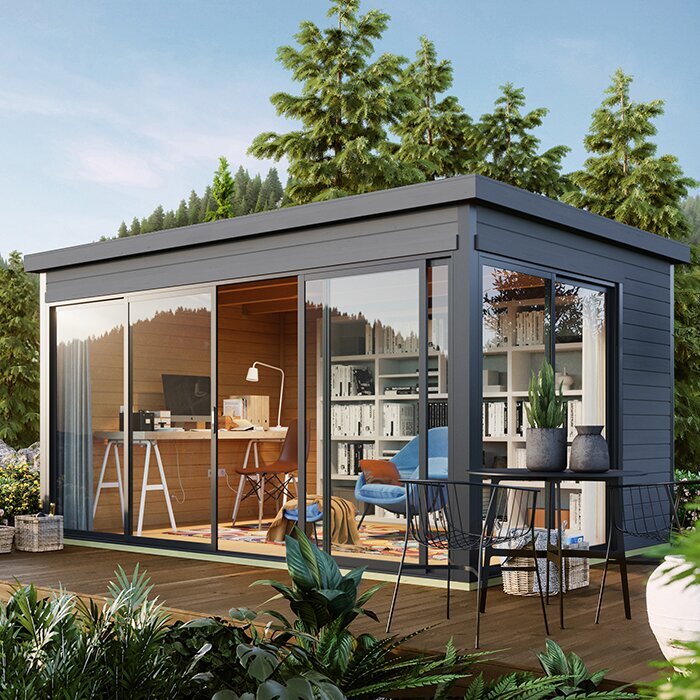
Do not assume the existing base is reusable just because it is already in place. Check its actual length and width against the new shed’s footprint, and note its surface condition, levelness and any signs of movement or water collecting nearby. A base that is too small, uneven or deteriorated can affect whether the new building can be set up as specified, so resolve the question before delivery rather than afterwards. Record what the base is made from only if you know; do not rely on memory about how it was prepared. A photograph and a note of any previous repairs can also be useful when asking for advice.
Check the stated base and floor requirements for each option, including whether flooring is included and what support is expected. Treat each product’s requirements separately instead of assuming the old arrangement is a safe template. If the surface is cracked, slopes, drains poorly or has unknown construction, ask a qualified installer or other suitable professional whether it can be used or needs attention. Do not guess at structural changes. For the Veltor 1 listing, verify the written requirements, and keep any answer with your measurements for the order.
Measure access to the new shed
Check how people and stored items will reach the entrance. Measure the narrowest point along the everyday route, including turns, steps and fixed obstacles, then compare it with the largest item you expect to carry through the door. The clear opening matters more than the building’s overall width for this purpose. Allow room to stand, turn and set an item down outside; a door that opens into a fence or planting can make a correctly sized shed frustrating to use. Also note which way doors or gates can open without hitting another object.
Plan the door position and any other openings around the final location rather than assuming the shed can be rotated later without consequences. Mark where the access route ends, where equipment is parked and any area that must stay clear for routine entry. Compare published clear-opening measurements and opening arrangements where available. Use the information for the Orello 1 listing to check the actual route and the items you inventoried; do not infer a doorway’s clear width from an outside measurement or photograph. If dimensions are missing, ask before deciding that the old access arrangement can be repeated.
Compare materials and ongoing care
Compare construction materials and finishes using product information, not just colour or appearance in a photograph. Write down what the old shed required from you: regular surface treatment, cleaning, replacement of parts or little work beyond ordinary care. That history is useful, but it does not prove that a new shed made from a different material will need no attention. Check what preparation, finishing or ongoing care is specified and whether a finish is supplied or must be arranged separately. If these points are unclear, ask before treating two options as equivalent.
Consider conditions at the exact site, including sun exposure, rain reaching the structure, airflow and nearby vegetation, then read the care guidance in that context. Do not assume a product’s appearance or label establishes durability, moisture resistance or maintenance needs. Compare roof and wall details only as described in the specification, and confirm what is included rather than adding features in your mind. With a candidate such as the Modano 1 garden shed listing, rely on written construction and care information, if supplied, instead of inferring it from the style. This makes upkeep part of the purchase decision rather than an afterthought.
Choose features that solve a real problem
Separate essential features from attractive extras by linking each one to a problem you recorded. A wider opening may matter if the old doorway blocked equipment; shelves might help if small items were lost behind larger ones; a window may matter for a planned task but not for storage alone. Treat these as requirements to verify, not features to assume. Consider privacy, visibility, ventilation, locking and flooring only where they affect how you will use the shed. A short list of reasons will help you avoid paying attention to features that do not improve the replacement.
Give each feature a clear status: required, helpful or unnecessary. Check the specification and included-items list to see whether shelving, flooring, a lock, glazing or finishing materials are included, optional or excluded; photographs may show items that are not part of the order. Do the same for accessories and assembly-related parts. For the Garden Shed M listing, confirm each point in its written details and ask about ambiguities rather than assuming a familiar feature carries over from the old shed.
Plan removal, delivery and assembly
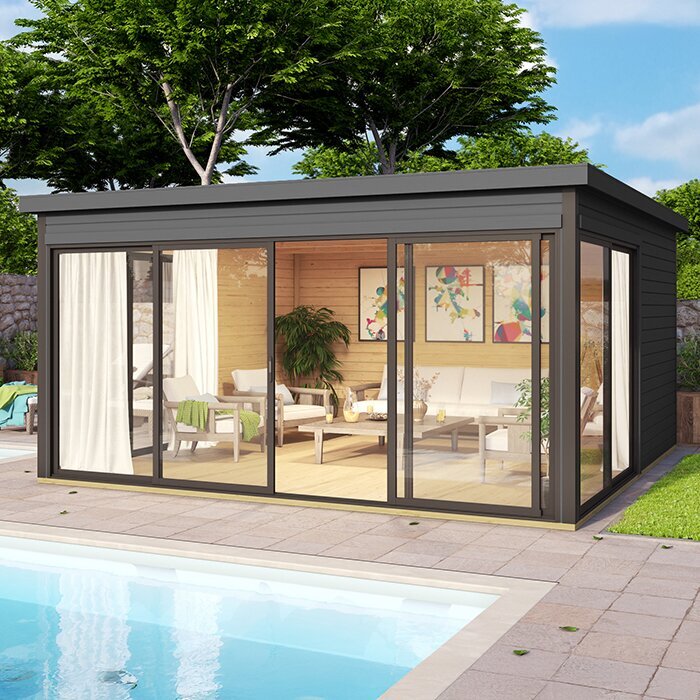
Replacing a shed involves more than choosing the new footprint: the old one must be emptied and the site made ready. Decide what happens to the contents before the old shed is removed, especially if you will have no storage during the changeover. Agree who is responsible for taking it away, clearing the base and handling any repairs; do not assume the retailer, delivery team or installer covers all these tasks. If the existing structure needs specialist handling, arrange suitable help rather than improvising. Also consider where its contents can stay while the new shed is being installed.
Check the full delivery route from the access point to the site, including gates, turns, overhead obstructions and space for people carrying components. Ask for package dimensions and clarify who unloads, moves the components and assembles the shed, as well as what preparation must be finished beforehand. Written answers help prevent a mismatch between a product that fits the plot and a delivery that cannot reach it. Before choosing the Garden Storage Shed S listing, look for package and delivery details; if measurements or responsibilities are not stated, have them confirmed before placing the order.
Compare the final options against one written brief
Once you have a shortlist, compare every candidate against the same written brief. Put the old problem beside the change required, then note the evidence from each product specification and any unanswered question. A larger outside footprint is not a solution if it reduces the access route you need; a listed opening is not enough if it will not admit the largest item. Mark each requirement as met, not met or unconfirmed, and do not treat an unconfirmed point as a promise. This keeps product names, photographs and first impressions from taking the place of useful measurements.
Before ordering, check the exact model and dimensions on the quote, what is included, the base requirements, finish and care guidance, and who is responsible for delivery, assembly and removal. Note any costs for separately supplied items so you can compare the full order rather than just the shed itself. Ask for unclear answers in writing, and check any property-specific siting question with the relevant local authority or a qualified professional instead of relying on assumptions. The replacement is ready to choose when it addresses the old shed’s real shortcomings and still fits the site, route and planned use.
Frequently asked questions
Can a replacement shed be the same size as the old one?
Yes, if its actual footprint still fits the site and the internal space, doorway and layout work for the items you plan to keep. Measure rather than assuming the old dimensions were suitable. A like-for-like size can repeat an access problem, while a smaller shed may work if you have reduced or reorganised what it needs to store.
How can I tell whether the existing base can be reused?
Measure its dimensions and note its condition, surface and any signs of movement or water collecting nearby. Then compare those details with the requirements stated for the new shed. An existing base is not automatically compatible. If its construction or condition is uncertain, ask a qualified installer or other suitable professional before ordering.
Should I choose a shed by its external or internal dimensions?
You need both. External dimensions show whether the shed fits the available site; internal dimensions help establish whether your stored items and planned layout will fit inside. Also check the clear doorway opening against the largest item you need to move in or out. Ask for any measurements that are not published.
What should I check about access before ordering?
Check the everyday route to the shed, the space needed to open its doors and the clear width of the entrance. Measure narrow points and turns, and consider the largest items you will carry through. Separately, check the delivery route and ask who handles unloading and moving components to the site.
Do I need to replace every feature that caused frustration?
No. Keep a feature only if it solves a real need in the new arrangement. For example, storage fittings may not help if the main problem was a blocked doorway, and an extra opening may not matter for a shed used only for storage. Check what is included before treating any feature as part of the order.
A good replacement does not have to repeat the old shed or be larger than it. It should address the problems that made the old setup difficult, accommodate the things you genuinely plan to keep and fit the site, base and access route. A written comparison of measurements, features and ordering responsibilities gives you a clearer basis for choosing than familiar names or appealing images alone.
