
Buying a Garden Shed with a Large Glass Front
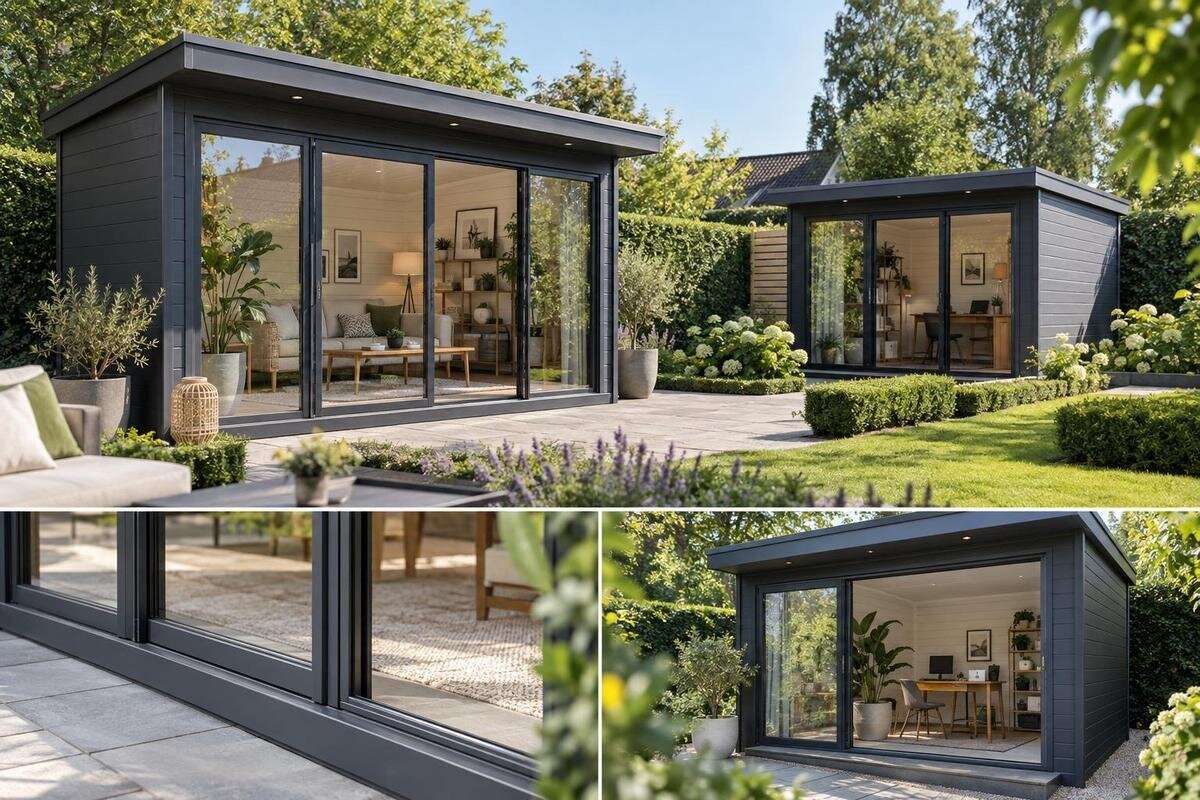
Garden Sheds Buying Guide
Buying a garden shed with a large glass front is about more than choosing an attractive façade. The glazing affects daylight, views, privacy, cleaning and the amount of solid wall available inside, while the garden’s layout determines how the front works in practice. Before ordering, consider the shed’s main purpose, where it will sit, what the doors actually do and what the product information says about the glazing. This guide sets out the checks that help you compare listings on their details, rather than relying on a product name or photograph.
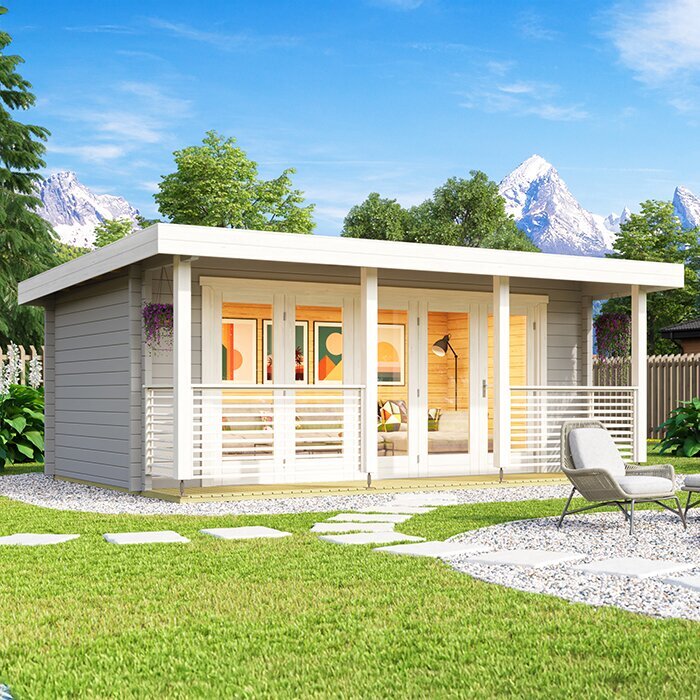
Before you order 1
What a large glazed front changes
Large glazing can bring daylight into a shed and give you a wider view of the garden, which may suit potting, hobbies or a place to sit. Its effect depends on the glass area, its specification, the building’s position and nearby shade; a broad front in a product photograph does not show how bright the interior will feel. Glazing also takes the place of some solid wall. That matters if you want shelves, hooks or equipment along the front. Decide what matters most to you: a clear view, useful daylight, wall space, or a balance between them.
Write down the tasks the shed must handle before comparing designs. If it is mainly for storage, note the largest items and the access they need. For a hobby space, consider where a bench, chair or work surface would go and whether direct light might fall where you use it. A glass front is not automatically an opening front, and a large glazed area does not guarantee useful daylight in every corner. Review a plan or request one if the internal arrangement is unclear. Sketch the proposed furniture and storage positions on the plan, including the depth of shelves and the space needed to pull out a chair. This is a simple way to see whether the view and glazing leave enough usable room. Include the Verdana 1 garden shed listing in your shortlist only if its details confirm the front layout you need.
Match the shed to its main use
A shed that looks like a small room in a listing can be used very differently depending on what you intend to keep or do inside. Make a short inventory: long-handled tools, bicycles, boxes, plant supplies, a potting bench or seating, as relevant. Note which items need frequent access and whether they need a solid wall, a clear route or protection from direct sun. This helps you decide whether the glazing supports your plans or leaves too little practical wall space. The right balance is personal; a glass-heavy façade should not be the deciding factor on its own.
Use the internal plan to test your inventory rather than relying only on the outside footprint. Allow room to move around stored items and to reach anything you use regularly. If the shed will serve more than one purpose, decide which activity takes priority and whether the layout can accommodate the others without blocking the entrance. Consider whether the glazed side is best kept clear for light and views, or whether some items will inevitably stand in front of it. Look for dimensions and drawings for the exact version being considered. The Verdana 2 garden shed page can be assessed in the same way: compare its published layout with your needs instead of assuming from the model name.
Before you order 2
Choose a position for the front
Think about daylight at the times you expect to use the shed. Sun and shade shift during the day and across the year, while trees, walls and neighbouring buildings can alter the light reaching the front. Spend time observing the proposed site rather than choosing an orientation by rule. If the shed will be used for a task where bright light matters, consider where that light would fall inside; if you mainly want a view, consider what the glazing will look out on. Neither aim has one ideal position for every garden.
Check the approach as well as the view. A front facing a convenient path may be easier to reach, while a position looking towards a quiet part of the garden may better suit a place to sit. Consider the view from inside and the shed’s appearance from the house and other parts of the garden. Mark the proposed front on a simple site sketch, then walk the likely route at different times if possible. This can reveal whether the view is obstructed, the entrance is awkward to approach, or the front faces an area where privacy matters more than expected. For the Durano garden shed listing, look for drawings or written details showing the front arrangement; do not assume a photograph shows how the shed will sit on your plot.
Consider privacy, reflection and glare
A large glazed area can make the interior more visible from outside, particularly when it is lit or when the view through the front is unobstructed. Stand where the shed is likely to go and check the sightlines from seating areas, neighbouring properties and any nearby path. Also consider what will be visible inside: stored items, a work surface or seating may be in view. If privacy is important, decide whether the position alone can address it or whether you need to ask about compatible screens or coverings.
Reflections and glare can change with the time of day and the surroundings. A front that looks clear in one photograph may reflect trees, walls or bright sky in use. Think about where you will sit or work in relation to the glass, and whether a change of position would make the space more comfortable. Consider the effect from both directions: glare can affect someone inside looking out, while reflected light may also be noticeable from a nearby seating area. Before keeping the Veltor 1 listing on your shortlist, check its stated front arrangement and whether any privacy option you are considering is actually offered for that version.
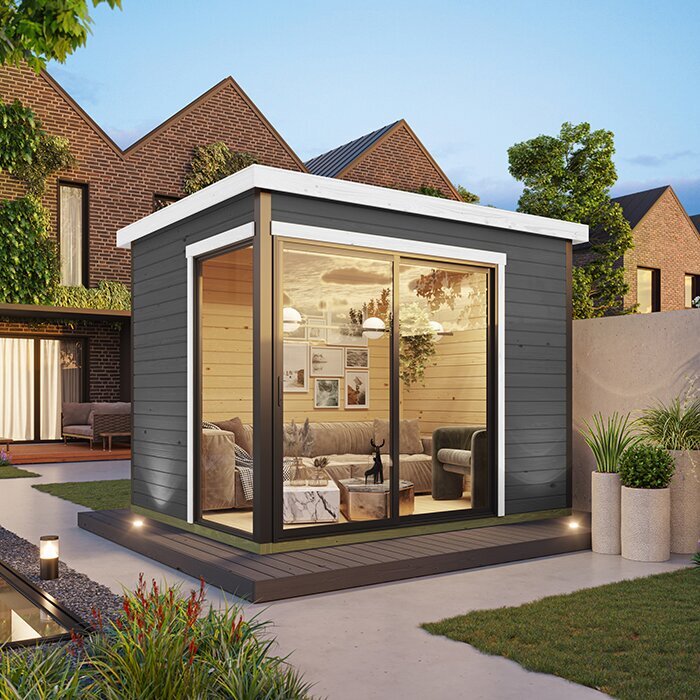
Before you order 3
Measure the footprint and the opening
Measure the proposed site, including the space needed to approach and use the shed. Do not stop at the advertised outside dimensions: check what the drawings say about the footprint, internal space and position of the glazed front. Mark the outline on the ground if that helps you picture it. Leave enough room for the route you will use to carry items in and out, as well as space to reach the outside for routine care. Check that the intended location does not obstruct a path or conflict with features already in the garden.
Find out how the front is arranged before planning the interior. It may be fixed, partly openable or have a particular door layout; a large glazed front does not tell you which. Check the clear opening and how much room the doors or panels need when operated, including whether that space is inside or outside the building. Also allow for the person carrying an item through the entrance: a nominal opening can be less convenient if a stored object, path edge or planted border restricts the approach. The Orello 1 listing is worth comparing only after you confirm the exact version and review its dimensions; its name alone cannot establish the size or opening arrangement of the front.
Read the glazing and frame specification
Ask what the glazing is made from and how it is described in the product information. Check which parts of the front are glazed, whether the panes are fixed or openable, and what is stated about the frames and seals. If a particular performance or safety designation matters to you, ask the supplier for the relevant details rather than assuming that all glass fronts are the same. These points can affect which model suits your plans, but the product photograph and model name cannot confirm them.
Compare like with like by checking the exact version, not just the general product page. If a technical detail is missing, ask whether there is a drawing or specification sheet that explains it and whether the information applies to the version you intend to buy. Keep notes on the source of each answer, especially where a product page shows several variants or optional elements. That makes it easier to distinguish confirmed features from features that only appear in images. The Modano 1 page should be judged on its stated details, not on what its appearance seems to promise. For questions about site-specific suitability or installation, ask the supplier or a suitably qualified professional.
Before you order 4
Check daily access and ventilation
Consider the everyday actions you will take: opening the entrance, carrying items through, reaching handles and cleaning the glazed area. Check the stated opening arrangement and the usable clearance rather than relying on a view from the front. If you plan to take bulky equipment inside, compare its dimensions with the clear opening and the route beyond it. Ask what hardware is supplied and what is included in the order; a photograph may show details that are not part of the standard package.
If you will spend time inside, or store items that need airflow, find out what ventilation the design provides and whether any opening panels form part of the exact version. Do not assume that a broad glass front itself provides ventilation. Also consider how easy it will be to reach the controls and clean the inside surface. Think through wet-weather use too: you may need to open the entrance while carrying equipment, so the route, handle position and nearby storage should remain manageable. When reviewing the wooden garden shed M page, keep it as an option only if the listing confirms the glazed-front arrangement and the access details that matter to you.
Plan for cleaning and ongoing care
Glass is visible, so marks and dust may be more noticeable on a large front than on a smaller window. Consider whether you can reach both sides safely and conveniently for routine cleaning. If the garden is exposed to dust, windblown debris or sea air, ask whether the supplier gives care guidance for the glazing, frame and seals. Follow the instructions for the chosen product rather than assuming that one cleaning method or schedule suits every material.
Check the care information for the whole shed as well as the glass. Find out whether the timber is supplied treated or finished, what ongoing care the manufacturer recommends and whether any finish or accessory is included in the order. Ask how the glazing seals and other relevant parts should be maintained, and whether replacement parts are available if that matters to you. Consider the practical access needed for these tasks before finalising the position: a narrow gap beside the shed may make routine inspection and cleaning inconvenient. The wooden garden storage shed S page is a useful comparison only if its written details confirm the configuration and care information you need.
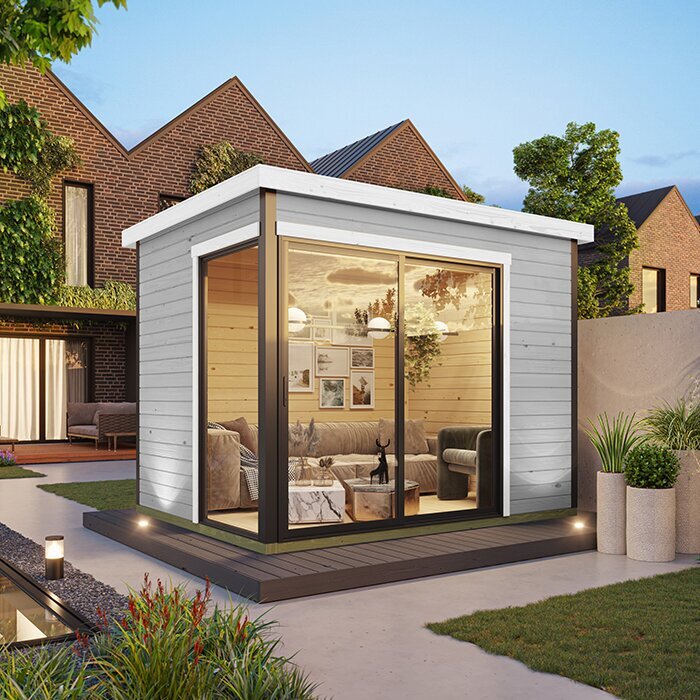
Before you order 5
Prepare the site and delivery route
Before ordering, check what the manufacturer requires for the base and the space around the shed. Compare those instructions with the ground at your chosen location and allow access for assembly and later maintenance. If the site is uneven, restricted or otherwise uncertain, ask the supplier or a qualified installer what needs to be resolved before delivery. Avoid choosing a location based only on how it looks in a garden image; the available space and preparation requirements need to work for the actual product.
Measure the route from the delivery point to the site, including gates, corners and narrow passages. Confirm what delivery includes, how the product arrives, and whether assembly is part of the order or needs separate arrangements. Ask about any access limits or preparation you need to make, and compare the full quoted costs for the shed, delivery, base work and assembly where applicable. Check that temporary access for delivery or assembly will not interfere with mature planting, outdoor furniture or other fixed features. If there are local planning questions about your intended position, check with the relevant local authority or a qualified professional before committing.
Compare the exact order details
When comparing garden sheds for sale, make sure you are looking at the same kind of information for each option. Check the exact model and version, external and internal dimensions, what the glazed front includes, how it opens, and what is stated about the frame, finish and ventilation. Note which accessories are included and which are optional. If a warranty or other written cover is stated, read what it applies to. A simple side-by-side record can reveal gaps that are easy to miss when comparing photographs or product names.
Before placing an order, check the final summary against the details you used to make your choice. Confirm the selected version, included components, quoted delivery and assembly arrangements, and any outstanding answers from the supplier. If a feature is essential, keep the written confirmation with the product information so there is no uncertainty about what you requested. It is also useful to retain your site measurements and layout sketch until the order is complete, as they provide a clear reference if you need to clarify a detail. A large glass front can be a useful part of a garden shed, but the right purchase is the one whose actual layout, care requirements and site arrangements suit your plans.
Frequently asked questions
Does a large glass front always make the inside brighter?
Not necessarily. The result depends on the glazing, the front’s position, the time of day and any shade from trees or nearby buildings. Check the stated glazing details and consider how light reaches the proposed site before choosing a model.
Is a glass-fronted shed practical for storage?
It can be, if the layout works for the items you want to store. Measure bulky items, plan their route through the entrance and check where shelves or hooks can go. If you have items that should not be in direct light, ask how the glazed front affects your storage plan.
Which way should the glazed front face?
There is no one direction that suits every garden. Consider when you use the shed, where direct sun falls, whether glare could be a problem and what you will see from inside. Check sightlines from neighbouring properties or paths if privacy matters.
What glazing details should I compare?
Check what material and configuration are specified, which parts of the front are glazed, whether any panes open and what the frame information says. Ask for stated performance or safety details if relevant to your decision, rather than inferring them from a photograph.
Can I choose from product photos alone?
No. A photograph can help you understand the appearance, but it does not confirm dimensions, what is included, the exact glazing specification or how the front opens. Compare the written details and drawings for the exact version you plan to order.
A large glazed front can change how a garden shed looks and feels, but it should be considered alongside the work the shed needs to do. Use your measurements, planned layout, preferred position and care requirements to narrow the choice, then confirm the glazing and included features for the exact version. That way, the final decision rests on how the shed will fit your garden and your routine, not just on its appearance.
