
Buying a Large Garden Shed on Black Friday: What Makes an Offer Good Value?
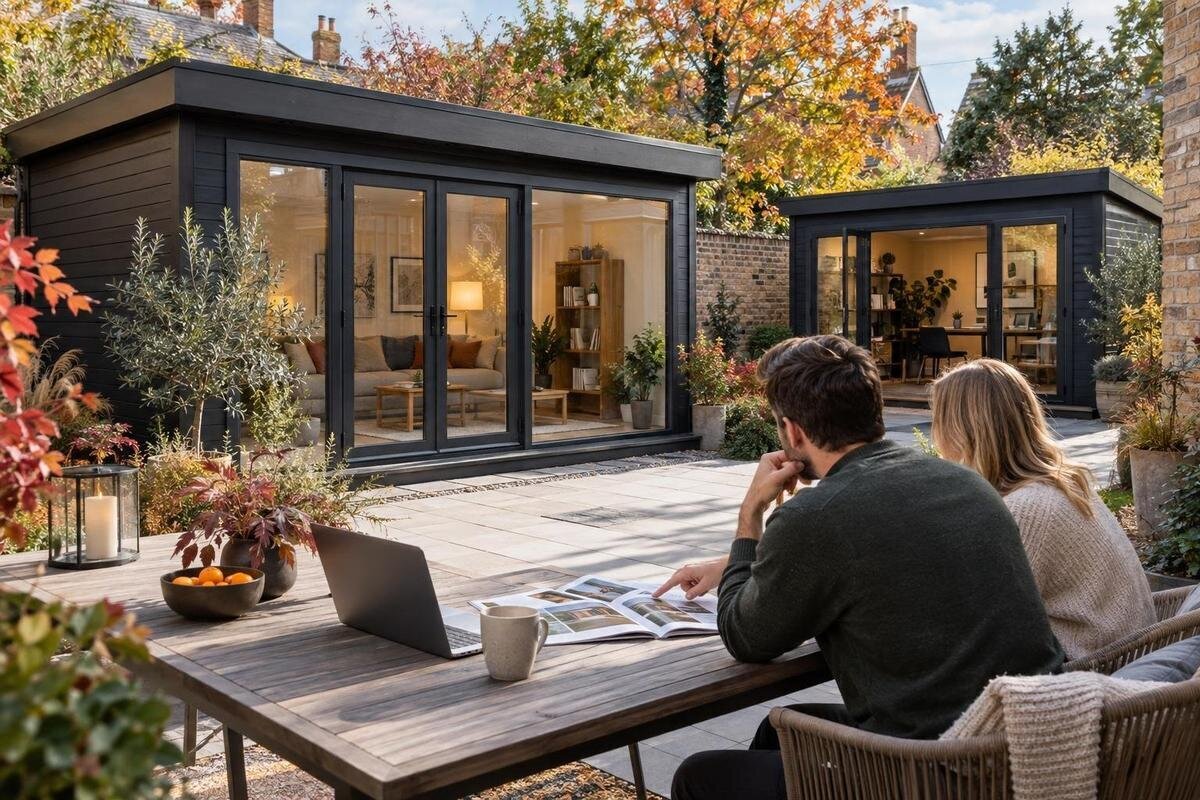
Black Friday buying guide
Buying a large garden shed on Black Friday is not just a matter of finding the largest percentage on a product page. The building has to fit the plot, hold what you actually need to store and come with clear details about its materials, construction and offer conditions. A lower advertised price may look attractive but tell you little about suitability or what is included. This guide sets out a practical way to compare the shed itself and the terms attached to a seasonal offer, without assuming that a particular discount is available.
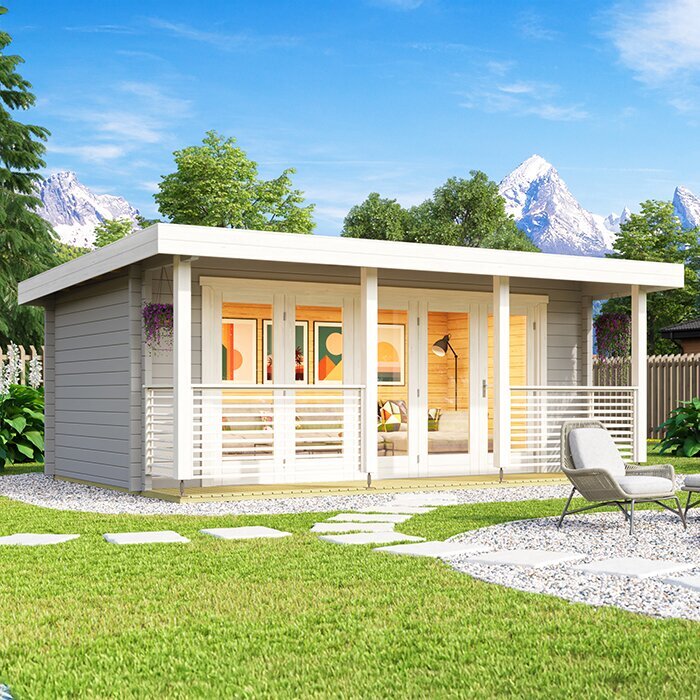
Buyer checklist 1
Define value before looking at the discount
Good value is the match between the shed’s useful space, construction, features and terms and the job you expect it to do. It is not automatically the lowest price, the largest footprint or the offer with the most dramatic percentage. A large building may use more of the garden without helping if its interior is difficult to organise; paying extra for features you will not use is no better. Treat the price as one factor in a wider decision. This distinction matters at Black Friday, when a prominent reduction can attract attention before you have settled what size and specification suit your plans. A price only has value against an option you would choose on its merits at the ordinary price.
Before browsing, split your needs into essentials and preferences. Essentials might include a maximum outside footprint, room for particular stored items, a material you are prepared to maintain, or an assembly arrangement you can manage. Preferences could include a particular appearance or an extra feature. Keep this list beside the exact product information rather than comparing model names and photographs alone. Review the Verdana 1 garden shed listing with other options, noting what the published details confirm, what they leave unclear and which points matter to you. That gives the sale price a sensible basis for comparison and makes it easier to rule out an unsuitable option.
Measure the site and the route to it
Measure the intended site before comparing advertised sizes. A length and width may describe the outside of the building rather than the clear floor area inside, so establish what each figure refers to. Check whether the details separate external dimensions, internal usable space, floor area and any roof projection; do not assume one number covers them all. Mark the proposed outline with string or tape, then look at the space left around it. This can reveal that a large model fits within the plot but leaves too little room to reach it, move around it or attend to nearby planting.
Allow for the route from the access point to the site as well as the final position. Trees, walls, gates, steps, drains and existing furniture can affect where a shed can go or how components can be brought in; note obstacles rather than assuming they can be moved. Door position and opening clearance matter too: a door that opens into a narrow passage may reduce practical access even if the footprint fits. When reviewing the Verdana 2 product page, record whether its stated measurements are exterior or interior and compare them with your marked outline, not with the product photograph.
Buyer checklist 2
Estimate the storage capacity you will actually use
Make an inventory of what you expect to store, then measure bulky or awkward items rather than estimating from memory. Include long-handled tools, garden equipment, containers, folding chairs or boxes only if they are part of your own plan. Note which items you need often and which can sit at the back or on a higher shelf. This helps you distinguish floor space from useful capacity: a shed can have a generous footprint but still be difficult to organise if its entrance or interior layout makes bulky items awkward to reach. The dimensions of your belongings are more useful than a vague wish for extra room.
Think about how you will move through the building once it is full. Keep clear access for the items you use most, and consider whether hooks or shelving would help, but check whether those fittings are actually included before treating them as part of the package. Choosing the largest available size is not a substitute for planning; unused floor space still occupies the garden and may make storage harder to keep orderly. Add the Durano garden shed listing to your comparison if it is among the options you are reviewing, and judge it against the same item list and access needs as every other model, not its name or promotional wording.
Compare materials and expected upkeep
Material affects how you assess care and suitability, but a short material label is not a full specification. Find out what is used for the walls, roof and floor, whether different components use different materials, and whether the finish or treatment is described. If details are missing, ask rather than assuming that a model name, colour or image reveals how the shed has been made. Comparing exact descriptions is more useful than relying on broad claims that one material is always best; the right choice depends on the intended use, the site and the upkeep you are willing to do.
Consider the actual conditions where the shed will stand: hours of direct sun, exposure to wind and rain, damp areas, and salty air where relevant. Then read the care information for the stated material and finish, including any cleaning or treatment the manufacturer specifies. A low offer may be less attractive if its maintenance demands do not suit your routine, while a higher-priced finish is not automatically worth paying for unless it answers a real need. Use the Veltor 1 product page as another listing to inspect, but base your comparison on the material information actually supplied rather than inferring it from the product name.
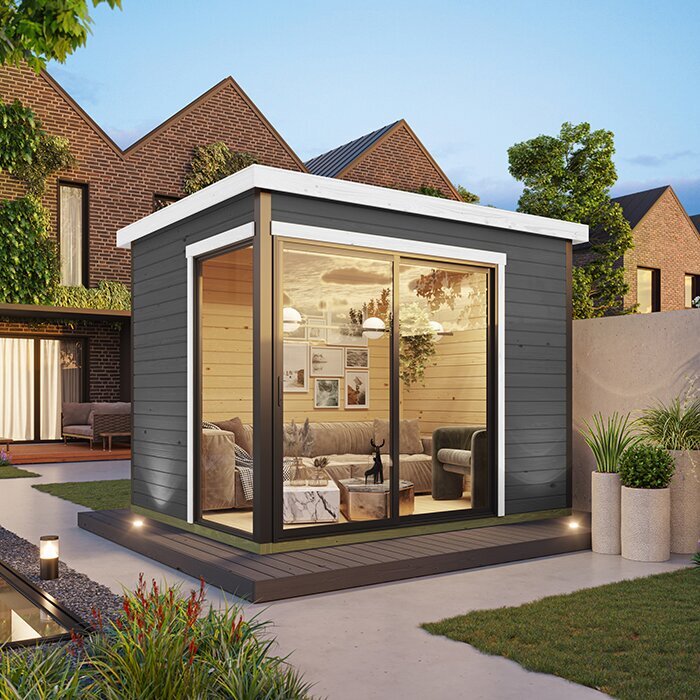
Buyer checklist 3
Read construction details, not just product photos
Construction details help explain what you are buying beyond the outer dimensions. Look for information on the wall panels, frame or support arrangement, roof and floor, as well as how the parts join and which fixings are supplied. Check whether assembly instructions are available and whether the package includes the components described. Product photographs can help you understand the appearance, but they cannot answer questions about joints, included fittings or assembly requirements. If an important part of the build is not explained, ask for clarification before comparing the offer with a better-documented alternative.
Read the assembly information with your own ability and available help in mind. If the manufacturer states particular requirements, take those into account rather than estimating from an image. Check whether the floor is supplied, what preparation the manufacturer specifies and whether any fitting or service shown is optional. Keep questions specific, such as which parts are included and what instructions accompany the product. The Orello 1 garden shed page can be reviewed in the same way as other listings; no construction detail should be inferred from its name. If site or fitting requirements are unclear, ask the supplier or a qualified installer.
Choose features that solve a practical need
Features add value only when they solve a problem for you. Consider door width and position, whether the opening arrangement suits the items you need to carry in, and whether a window, vent, lock, shelf or other fitting is included. A window may matter for a task area but be irrelevant for straightforward storage; a shelf can help only if its size and position suit what you keep. Do not pay more merely for a longer feature list. Check the description for each feature and distinguish an item supplied as standard from an optional extra before comparing prices.
Think through an ordinary visit to the shed: where will you stand while opening it, can you retrieve a frequently used item without shifting several others, and can the layout be kept tidy? These questions connect features to daily use rather than styling alone. If you plan to use the building for more than storage, check that the product information and manufacturer guidance support that purpose; appearance alone cannot establish suitability. Review the Modano 1 listing against your checklist, noting which features are confirmed and which require an answer. That is a sounder basis for value than counting details.
Buyer checklist 4
Read the Black Friday offer conditions
Black Friday advertising may highlight a percentage, a crossed-out figure or a time-limited message, but none of these tells you by itself whether the shed is good value. Check the exact model and configuration to which the displayed price applies. If a reference price is shown, establish which version it describes and whether the current offer is for the same size, finish and package. A reduction on a different specification is not a fair comparison. Avoid treating a large percentage as proof of savings or assuming that every option shown on one page shares the same offer.
Read any conditions attached to the offer before relying on the headline: whether a voucher is required, whether the price applies to a bundle or selected option, and what date or availability wording the seller states. At checkout, check that the chosen item and price match the terms you read, and keep the confirmation for your records. If a condition is unclear, ask for it in writing rather than guessing. The Wooden Garden Shed M listing can be included in your review if it is on your shortlist; apply the same rule and read the exact details shown, rather than assuming what a promotion includes from the model title.
Compare the same specification across offers
Make a like-for-like shortlist rather than placing two headline prices side by side. Compare external and usable dimensions, the stated materials, construction information, included components and features. A package that includes a floor, fittings or an assembly service is not directly equivalent to a structure sold without them, so mark inclusions and exclusions clearly. If one listing leaves a point blank, mark it as unknown instead of treating it as absent or assuming it is included. This prevents an apparent bargain from being based on a different specification.
Use a simple comparison sheet with one row per offer and columns for the requirements that matter to you, the confirmed details, unanswered questions and the price shown for that exact option. You do not need an elaborate score: decide which requirements are essential, then compare the options that meet them. A lower offer may suit you if its specification fits; paying more makes sense only where the difference provides something useful and documented. Add the Wooden Garden Storage Shed S listing to the same table if it is on your shortlist, checking its stated contents rather than reading extra value into the title.
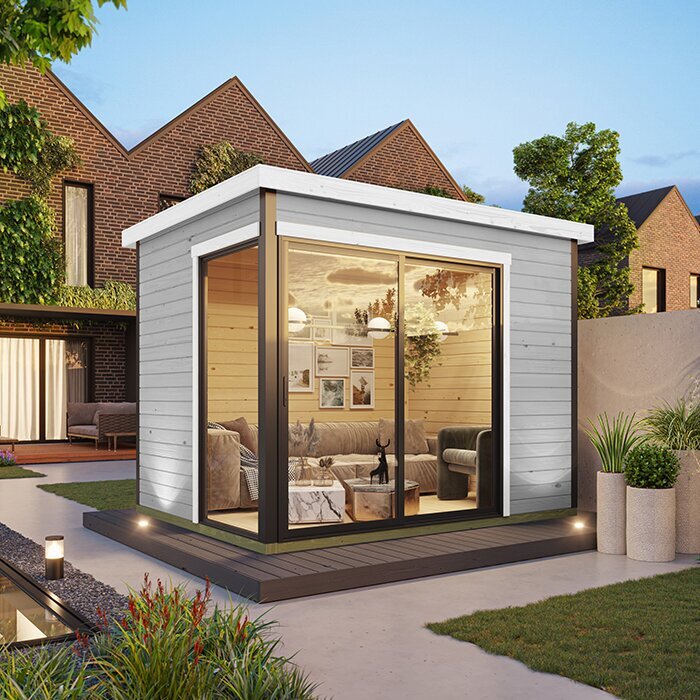
Buyer checklist 5
Check delivery and assembly arrangements
Check the practical ordering terms separately from the shed’s specification. Confirm that delivery is available to your address, what the stated delivery arrangement covers and whether you need to be present or provide access at a particular point. Large components may need a clear route from the entrance to the intended site, so compare the route you measured with the seller’s delivery information. Do not assume that a price banner explains delivery timing, unloading or assembly; look for the stated terms and ask if any detail affects your plans.
Find out what happens after delivery, whether assembly is included or arranged separately, and what the manufacturer’s guidance says about the base or preparation required. This is not a reason to guess at technical work: if site conditions or fitting requirements are unclear, ask the supplier or a qualified installer. Read the written terms for delivery, assembly and returns before ordering, including any conditions that matter to your address or chosen option. Having these arrangements clear can prevent a discounted purchase from becoming difficult to receive or put together.
Make a final comparison before placing the order
Before deciding, revisit your shortlist in a fixed order: does the outside footprint fit, is the usable space sufficient, are the materials and construction clear, and do the door and other features suit the items you intend to store? Then check that the offer applies to that exact version and that the included contents, delivery arrangements and conditions are understood. This sequence makes it easier to spot a deal-breaker early. If a key fact remains unclear, do not fill the gap with an assumption simply because a promotion appears short-lived; seek an answer or compare another listing.
Keep a short record of the comparison and the questions resolved. A suitable large shed should meet your important requirements without forcing you to pay for unnecessary extras or accept unclear terms. Two offers can have different strengths; the best choice depends on the footprint available, the equipment to store, your material preference and the upkeep you will accept. If neither option meets the essentials, waiting for a different product or offer is more sensible than choosing on the size of a claimed reduction.
Frequently asked questions
Does a large discount automatically mean good value?
No. The shed still needs to fit your garden and storage needs, and the offer should clearly state which option is included. Compare the actual specification and price rather than judging by the advertised percentage alone.
How should I compare two garden shed offers?
Compare the same details for each: external and usable dimensions, stated materials, construction information, included components, useful features and offer conditions. Mark unclear points as unknown instead of assuming they match.
How can I check whether a large shed will fit?
Measure the proposed site and compare it with the dimensions given for the exact model. Check what those figures describe, then allow room for access, door opening and the route to the site.
Which material should I choose for a garden shed?
There is no single best choice for every garden. Compare the stated materials and finish with the site’s exposure and the upkeep you are prepared to do, using the manufacturer’s care information.
What should I confirm before ordering during Black Friday?
Check the exact model and option, what is included, the price and any conditions attached to it. Also read the stated delivery, assembly and returns terms, and ask for clarification if an important detail is unclear.
On Black Friday, good value comes from choosing the right shed at a clearly understood price, not from the size of the advertised reduction. Measurements, materials, construction details, useful features and offer conditions give you a practical basis for comparison. When those points are clear, you can judge whether the offer suits your garden and your plans; if they are not, the price alone is not enough to decide.
