
Buying a Garden Shed for Occasional Guest Use: Checks Before Ordering
Garden sheds
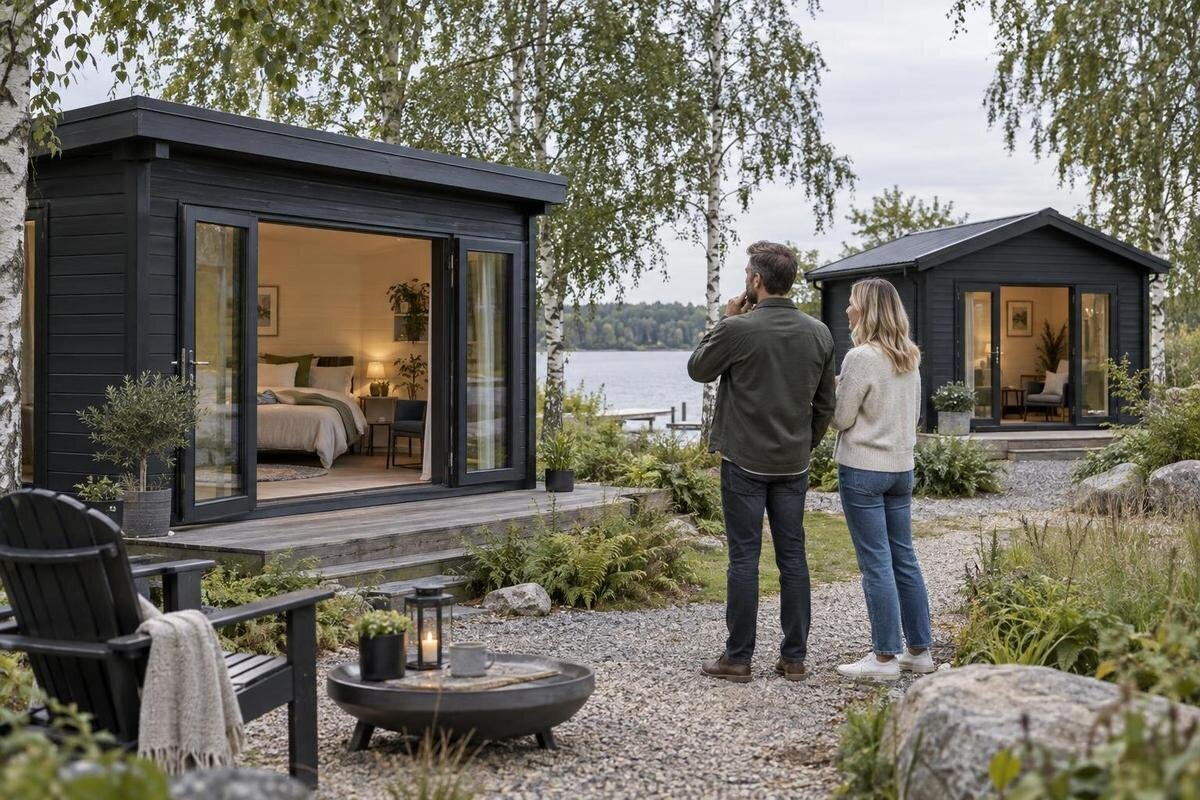
Buying a garden shed for occasional guest use calls for more than choosing a footprint that fits the garden. A daytime place to sit, a private space to change and a room where someone may sleep are different plans, with different needs for usable space, access, privacy and documented suitability. Before ordering, compare the product’s stated dimensions and intended use with your site; a model name or photograph cannot confirm that a building is appropriate for overnight stays. Check how it can reach the location, what the order includes and whether a qualified professional or relevant local authority should clarify a site or use requirement. The checks below help you make a decision based on the guests you expect to host.
Before you order 1
Define how guests will use the garden shed
Write down what occasional use means for your household before comparing models. Will a visitor use the building for a short daytime break, keep belongings there, change clothes, rest or sleep there? Note how many people may use it at once, what furniture or bags need space, and whether guests will move between the house and the shed after dark. A plan for one person to sit briefly does not establish that the same building can serve as a bedroom. Separating these uses keeps a basic requirement from being overlooked in favour of an exterior look. Also decide whether guests will use the shed independently or only while you are at home. That affects the importance of access, privacy, keys and clear arrangements for facilities in the main house. Writing down likely use at busy times, rather than an idealised visit, gives you a more reliable basis for comparing layouts.
Turn your answers into must-haves and optional extras. If anyone might sleep there, put that on the list at the outset and ask the supplier whether the building is documented for that use. Do not infer suitability from the word ‘house’ or an attractive photograph. Decide, too, whether guests will rely on facilities in the main home and how they will reach them. Keep the Verdana 1 garden shed listing as one comparison entry, not as evidence of suitability; use only details the supplier documents for the exact model.
Measure the footprint and usable interior
Measure the proposed location and note the largest footprint that will fit without obstructing paths, gates or access to other parts of the garden. Include the space needed to reach and use the entrance, rather than measuring only the area under the walls. Compare the site with the product’s stated external dimensions, if provided, and allow for any clearance the supplier specifies for assembly or future care. Marking the proposed outline with tape or string can make the impact on the garden easier to judge before you order. Record fixed features around the outline, such as walls, boundary lines, taps, drains, trees and changes in level. These can limit where the building, its entrance or a practical approach path can go. Recheck the measurements after placing the outline, because an apparently modest change in position can make a gate, path or existing seating area less usable.
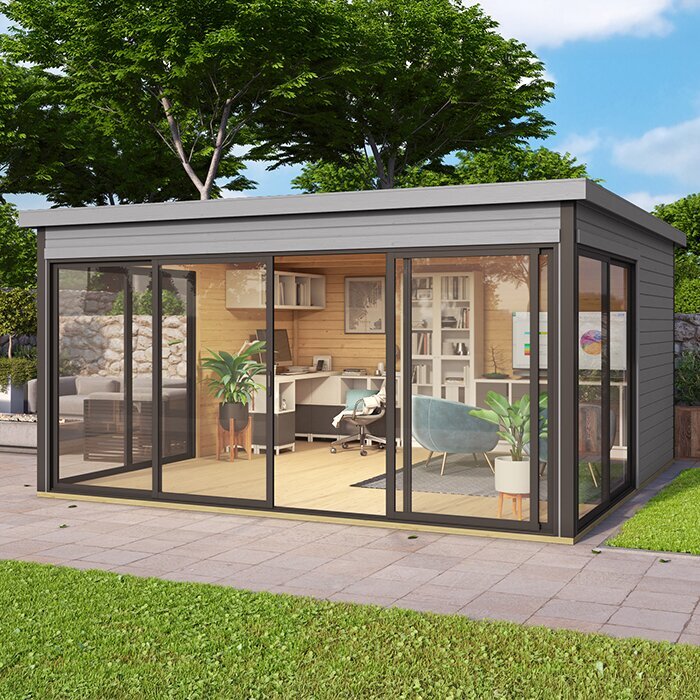
External dimensions do not tell you how much usable room there is inside. Check the stated interior measurements, door opening and available height, then picture the furniture and bags your guest plan requires. Remember that a piece of furniture can fit on paper yet leave too little room to enter or move around. If you compare the Verdana 2 garden shed page, record dimensions and layout details only when they are explicitly stated for the exact variant; do not estimate them from a product image.
Before you order 2
Check delivery access as well as the guest route
Trace two routes: the one a guest will use and the one needed to bring the building or its components to the site. From the delivery point, measure narrow gates and turns, and note steps, uneven areas or temporary obstructions. A shed may fit in its final position while a package or assembly team cannot reach it. Ask the supplier about delivery restrictions, unloading and assembly arrangements rather than assuming these are covered by the order. Consider the full route, not simply the narrowest point. Overhanging branches, low structures, parked vehicles and a lack of turning space may matter when materials are being moved through the property. If access depends on moving an obstacle or using a neighbour’s land, establish whether that can actually be arranged before committing to a model or delivery date.
For guests, consider the journey from the main house to the entrance, including whether the route is easy to find and use when carrying a bag or arriving after dark. Note any steps or tight turns that could make access inconvenient. The listing for the Durano garden shed is one place to look for any stated delivery or assembly information, but missing details should be confirmed directly. Keep delivery access and guest access as separate checks: passing one does not mean the other is suitable.
Sketch furniture, door clearance and circulation
Draw the interior using the documented dimensions and mark the positions of the door and any windows shown on the plan. Add the furniture your guests would actually need, such as a chair, small table or, if overnight use is confirmed as suitable, a bed. Leave a clear way in and out, and consider where a suitcase or coat would go. This simple sketch can expose a layout that feels cramped before you commit to a particular footprint. Use the real dimensions of furniture you already own or intend to buy, including space needed to pull out a chair, open a cupboard or place a bag down. A room can look adequate when empty but prove impractical once essential items are in position. Testing a paper plan with scaled cut-outs can make conflicts easier to spot.
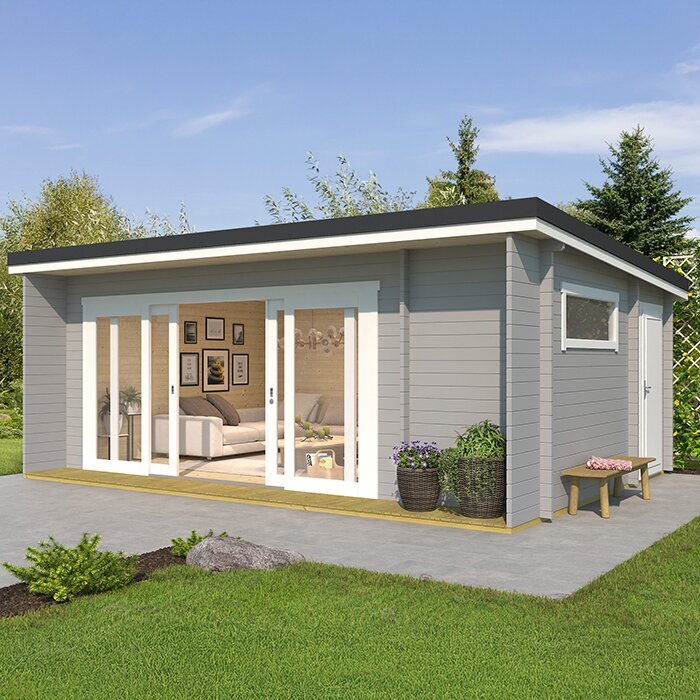
Check how the door opens and whether its position would conflict with furniture or the guest route; rely on a dimensioned plan or written product details, not an assumption from a photograph. Think through how guests will get to the entrance, sit down and retrieve belongings without shifting everything around. Compare your sketch with the documented layout for the Veltor 1 garden shed listing, if one is provided. If the information needed for the plan is missing, ask for it before treating the layout as workable.
Before you order 3
Confirm suitability for the intended stay
A garden-shed category or product name does not, by itself, confirm suitability as an occupied guest room. If a guest may sleep there, ask the supplier for the building’s documented intended use and the specifications relevant to your plan. Depending on the product, the details you need to verify may include the floor and wall construction, glazing, ventilation and stated protection from the elements. These are questions to check against product documentation, not features to infer from appearance. If your site or intended use raises technical questions, get advice from a qualified professional. Make sure that any answer relates to the exact model, variant and options you intend to order. Information for a similar-looking building may not apply to your selection. Keep a list of the points that matter to your guest plan, then compare each documented answer with that list rather than relying on a general assurance that the shed is suitable.
Before ordering for overnight use, check with the relevant local authority or a competent local professional whether any site or use requirements apply to your property. Do this before purchase rather than assuming that a garden building can automatically be used as accommodation. Apply the same questions to the Orello 1 listing as to any other candidate: its name or appearance cannot answer them. Keep written confirmation and the product documentation together so that your decision is based on the stated use, not a guess.
Review privacy, daylight and ventilation
Look at the proposed position from inside the shed and from the house and neighbouring properties. Consider whether a guest would feel overlooked when sitting or changing, and whether curtains, blinds or screening would be needed. Check where these could go and whether they would interfere with the layout. Also consider how the building’s position affects the amount of daylight inside and whether nearby walls or planting might block it. A product photograph cannot show what the finished view will be like in your garden. Visit the marked-out position at more than one time of day if possible. Sun, shade and sightlines can change as the day progresses, especially where trees, boundary walls or nearby buildings are involved. Consider the view through the entrance as well as through windows, and check whether guests would need a straightforward way to manage privacy without making the small interior feel closed in.
Check the actual position and opening arrangement of any windows or vents in the product information. Glazing alone does not confirm whether a window opens, how it opens or what ventilation is provided. If airflow or light is important to the planned use, ask for the relevant details rather than reading them into a picture. Include the Modano 1 listing in your comparison only on the basis of documented information for that model, and consider how its stated openings would relate to the position you have measured.
Before you order 4
Decide whether services are part of the plan
List what guests will expect to use inside the building: perhaps a light, a place to charge a device, water or access to bathroom facilities. Decide which needs can be met in the main home and which, if any, must be provided at the shed. That distinction can affect the site choice and the overall project, even when visits are occasional. If guests will walk back to the house for facilities, consider that route as part of the layout rather than treating it as a separate matter. Consider everyday practicalities as well as the main requirement. For example, decide where a guest will put a phone while charging, whether lighting is needed at the entrance and how supplies would be carried between the house and shed. These details can influence furniture placement and the preferred location, even if you decide that no services should be installed in the building itself.
Do not assume that services, fittings or the ability to add them are included with a garden shed. Check the product documentation and ask the supplier what is or is not part of the order. For any electrical, plumbing or other service work, have a qualified installer or relevant professional assess feasibility and installation requirements; do not plan work from a photograph or a model name. When reviewing the model M garden shed page, separate stated inclusions from items you may need to arrange separately.
Plan for periods when the shed is unused
Because guests will use the space only occasionally, consider what it takes to keep it ready between visits. Ask the supplier what maintenance is recommended for the specified materials and what care, if any, is needed after installation. Think about where bedding, towels or other guest items will be stored, and whether they need to be brought from the main home each time. Before a visit, allow time to check that the interior is clean and that doors and windows work as expected. Decide who will carry out those checks and how often they are realistic for your household. A building that is rarely opened may need a simple routine for airing, cleaning and checking stored items before someone arrives. Planning this in advance helps you avoid filling the guest space with long-term storage that would have to be moved each time it is used.
Consider how guests will get access, where keys will be kept and whether the building has the locking features you require; verify those details rather than assuming they are included. A product label alone does not establish how a shed is designed to be used or secured. Read the model S garden shed page for its stated information, and judge any candidate by its documented purpose and features. Regular use by guests also means planning how personal belongings can be kept private while they are there.
Before you order 5
Confirm what the order includes
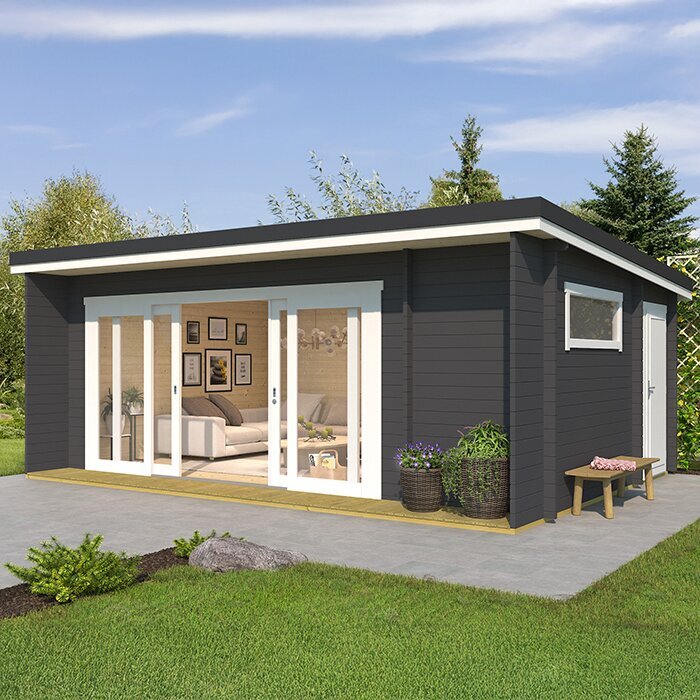
Before checkout, make sure you have identified the exact model and any variant you are considering. Check the product information for dimensions, layout, finish and any options that matter to your plan. Confirm what is included and what may need to be purchased or arranged separately, such as fittings, furniture, preparation of the site or assembly. If a detail is unclear or appears different across the page and a drawing, ask the supplier to clarify it before choosing. Match the information you have reviewed with the selection that will appear in your basket or order summary. Names can be similar, while variants and options may differ. Save or note the documents used for your decision, together with the date and any supplier clarification, so you can check that the final order reflects the footprint, layout and intended use you assessed.
Ask how delivery and assembly are handled, what access the supplier requires and whether any site preparation is your responsibility. Request a clear breakdown of costs for the building and any additional work you expect to need, without assuming that the product price covers the whole project. Keep the answers in writing, including the chosen variant and any agreed options. This makes it easier to spot a mismatch between the building you assessed and the order you are about to place.
Compare candidates against non-negotiable checks
Use the same comparison sheet for each candidate. Record the external footprint, usable interior dimensions, door and window positions, access route, documented intended use, required services and any maintenance information. Mark each point as confirmed, not suitable or still unclear. Treat an unanswered question as unresolved, not as a positive result. This approach helps separate genuine differences between products from gaps in the information and prevents a striking image from outweighing practical requirements. Add a column explaining why each point matters for your own guests, such as room for luggage, a private changing area or a clear route to the main home. This makes it easier to distinguish an essential requirement from a preference. Review the sheet after you receive answers from the supplier, since a single confirmed or unavailable detail may change which candidates remain practical.
Set aside any candidate that cannot fit the measured site or whose documented use does not match a must-have. If overnight use is essential, resolve that question before weighing optional features such as appearance or extra space. Compare the whole project as well as the building: access, site preparation, assembly and any professional work can affect the decision. If a key detail remains uncertain, pause and seek clarification or compare another option rather than placing an order on an assumption.
Frequently asked questions
Can any garden shed be used for overnight guests?
No. A garden-shed label, model name or photograph does not confirm that a building is intended for overnight occupancy. Check the supplier’s documentation and get clear confirmation for the use you have in mind. Also check any site or use requirements with the relevant local authority or a qualified professional.
How do I work out what size shed I need?
Measure the proposed site, then compare the external footprint with the space available. For the interior, allow for the actual furniture, bags and clear route guests will need. Check dimensions for the exact product variant; there is no single size that suits every guest plan.
What should I check about delivery access?
Measure the route from the delivery point to the proposed position, including gates, turns, steps and other tight spaces. Ask the supplier what delivery and assembly arrangements apply, and whether any access restrictions or site preparation need to be addressed before ordering.
Can I add electricity or plumbing later?
Do not assume that services are included or that a particular building can accommodate them. Ask the supplier about the product, then have a qualified installer or other relevant professional assess what is feasible at your site and whether any approvals are needed.
Is a product photograph enough to judge whether a shed suits guests?
No. Use the documented dimensions, layout and intended-use information for the exact model, and confirm any important detail that is unclear. A photograph cannot establish interior space, included fittings or suitability for overnight use.
A suitable purchase for occasional guests is one that fits the measured site and the actual way visitors will use it. The key checks are the usable layout, both access routes, and clear documentation for any overnight use or services. When a crucial detail is missing, resolve it before ordering; a garden shed should not be treated as guest accommodation on the strength of its name or appearance alone.
