
Buying a Modern Garden Shed with a Flat Roof
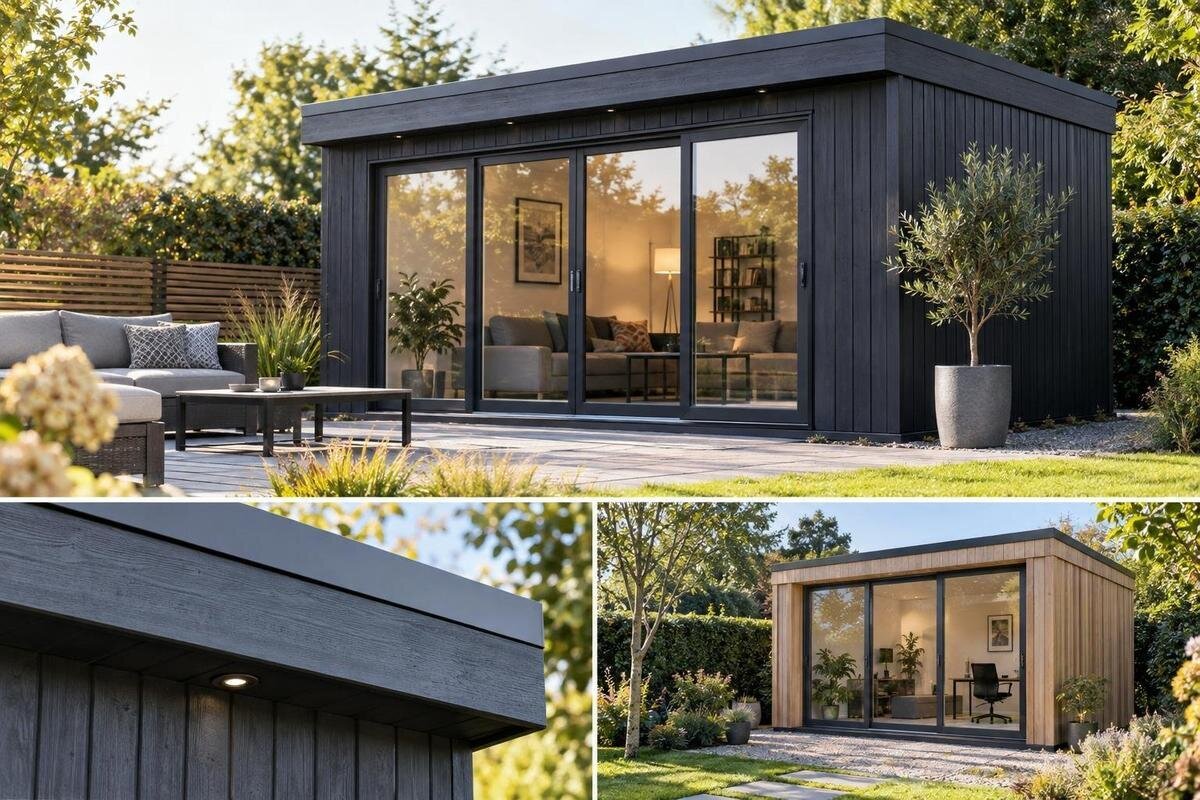
Garden shed buying guide
Buying a modern garden shed with a flat roof is as much about proportion and intended use as appearance. A clean roofline can suit the look you want, but the right choice still depends on what must fit inside, where the building can sit and what the product information says about the roof itself. Compare its overall silhouette with your garden, measure the interior and check the entrance before settling on a model. Photographs help you assess style; written specifications answer practical questions. This guide brings those points together so you can compare options and place an order with a clear idea of what is included.
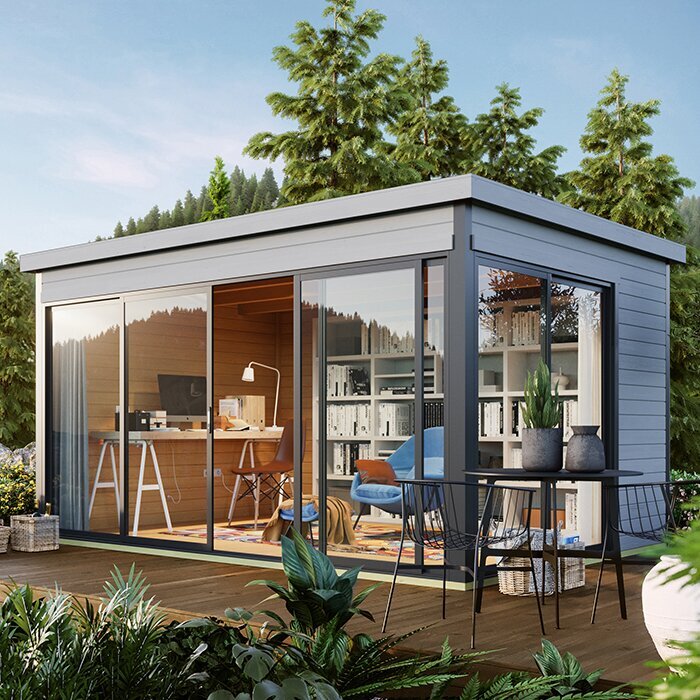
What a flat-roof design changes about the look
A modern flat-roof garden shed creates a strong horizontal line and usually reads differently from a building with a pitched roof. Its visual weight depends on more than the roof shape: overall height and width, the roof edge, wall finish and nearby planting all affect how prominent it feels. Compare the proportions with your home and garden features from places you see often, such as a patio, window or path. Decide whether you want the shed to blend into the setting or become a deliberate feature; the word modern on a product page cannot make that choice for you.
Treat flat-roof as a design description, not a complete technical specification. A photograph may not show the roof profile clearly, and a low-looking roof is not proof that it is perfectly level or has a particular edge or water-management arrangement. Look for a drawing and written details covering the external height, roof shape and any stated projection. If those points matter to your choice but are not explained, ask before you decide. For example, inspect the information for the Verdana 1 garden shed for an explicit roof description rather than inferring the profile from its name.
Choose the shed’s purpose before its size
Begin with what the garden shed needs to do. Write down the items you expect to store or the tasks you want to carry out, then note anything that may be awkward to fit: long-handled tools, a folded chair, boxes or a work surface. Consider how often you will need each item and whether you need to reach it without moving everything else. This makes the difference between a building that simply holds belongings and one that supports an everyday routine. It also keeps a contemporary appearance from overshadowing practical requirements.
Separate essentials from preferences. For storage, allow for the shape of the things you own, not just their combined volume; a long item may need a clear path from the entrance, while stacked containers need room to be reached. For a hobby or occasional work area, think about standing space and a place to set items down. Avoid assuming that a larger model is automatically more useful: the usable interior, access and layout matter as much as the overall capacity. Apply your list to the Verdana 2 garden shed only after comparing it with the details documented for that listing.
Measure the full footprint and access route
Measure the area available before comparing product dimensions. Check the space at ground level and note fences, walls, trees, drains and other fixed features that affect where the shed can sit. When reading measurements, find out whether they refer to the walls, the base or the outer edge of the roof; these can describe different footprints. Check the stated overall height as well, particularly if branches, eaves or another overhead feature limit the space. A drawing is more useful than a single number because it helps you see which dimension belongs to which part. Mark the proposed position on the ground with tape, string or temporary markers, then walk around it from the usual approach. This can reveal whether the building would narrow a route, obstruct access to a tap or make routine garden tasks less convenient than the measurements suggested.
The route to the proposed position matters too. Consider how the shed or its parts would get through gates and along paths, and whether there is room for the stated assembly process. Leave the access or clearance called for in the product information rather than measuring only the exact area the walls would occupy. If the site is close to a boundary or another structure, confirm the relevant dimensions and any installation requirements with the seller or installer. Use the same footprint check for the Durano garden shed; a model name is not a substitute for the measurements given for a particular product.
Check the usable interior and entrance
External dimensions do not tell you exactly how much room you can use inside. Compare the stated internal width, depth and height with the objects on your list, allowing space to move them in and take them out. Check the entrance dimensions against the widest or tallest item you plan to carry through it. If you want a bench or shelving, mark its proposed position on a simple sketch and make sure it will not block access to the rest of the shed. This gives you a practical layout to test against the product information before ordering.
Think about the interior as a working arrangement rather than an empty rectangle. A shelf can make small items easier to organise, but it occupies wall space; a clear central area may be more useful for larger equipment. Check whether a floor, shelving or other fittings are included or listed separately instead of assuming that a photograph shows the standard package. For a specific option, use the Veltor 1 listing to look for stated internal measurements and entrance details, then compare those facts with your sketch. If a dimension is missing, do not fill the gap by estimating from the image.
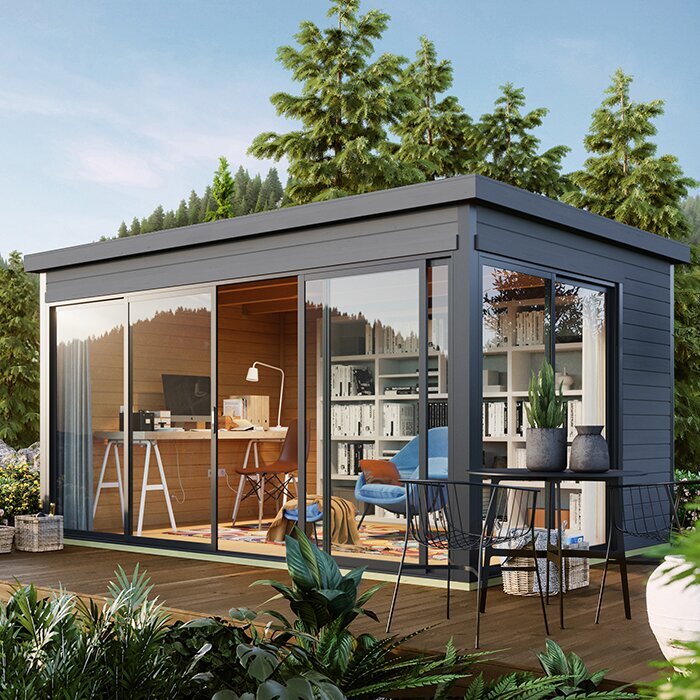
Match the openings to the way you will use the shed
The entrance affects how easily you can use the space. Consider the items you will carry through it, the direction from which you approach and whether an open door would interfere with a path or nearby feature. Check the opening width and height in the product information, not just the overall size of the building. If you plan to place a bench or storage close to the entrance, make sure the arrangement still leaves a convenient route in and out. These checks help you assess access without letting a particular door style dictate the entire purchase.
Windows or other glazed areas may make the interior feel more open and can admit daylight, but their position also affects privacy and how the shed looks from the rest of the garden. Consider whether you need visibility into the shed or would rather keep stored items less exposed. Do not assume that glazing, ventilation features or a specific opening arrangement are included unless the written description says so. With the Orello 1 listing, for example, confirm the stated openings and their position before planning where furniture or equipment will go.
Compare materials, roof details and upkeep
A contemporary outline does not tell you what a garden shed is made from or what care it needs. Read the information about materials and finish, and compare it with the amount of maintenance you are prepared to take on. Check whether a finish is supplied, whether any care product or treatment is mentioned, and what the manufacturer recommends over time. Do not assume that a particular colour, surface or component shown in a photograph is included in the version you are considering. Where care instructions are available, use them to judge whether the shed fits your routine rather than relying on a general idea of how a material behaves.
Give the roof the same attention as the walls. Confirm what the listing says about the roof construction and covering, whether relevant components are included and what inspection or upkeep the manufacturer specifies. A flat-looking profile is not evidence that the roof is maintenance-free, nor does a product image establish how water is handled. If the documents leave an important point unclear, ask for the information before buying instead of trying to infer it. Apply that check to the Modano 1 listing as you would to any option: use its written product information, not the model name, to assess its roof and care requirements.
Plan the site and installation requirements
The chosen position should work with the way you move around the garden as well as with the available footprint. Consider access to gates, paths and features you still need to reach, and note nearby planting or structures that could affect use or maintenance. Think about the conditions at the proposed site, including exposure to sun, wind and rain, without assuming that one roof style will suit every location. If the setting has a feature that could affect installation, describe it to the supplier or installer and ask what the product guidance requires.
Before ordering, find out what kind of base or support the product requires and what preparation is expected. Do not assume that the surface already in your garden is suitable or that the base is part of the package. Check what assembly work is included, if anything, and whether the route and position leave enough room for the specified process. Consider when the work could be carried out and whether the site must be cleared of pots, furniture or planting beforehand. Where the ground, support or fixing requirements raise technical questions, get advice from a competent installer rather than guessing or adapting instructions. Look for the relevant base and assembly information for the Wooden Garden Shed M listing before confirming where it will go.
Read the specification alongside the photographs
Use the product description, measurements and drawings together. A useful comparison records the external dimensions, internal space, roof profile, entrance, openings and stated materials for each option. Add what is included in the package, such as any floor or fittings, only when the listing confirms it. Distinguish a supplied feature from an optional extra, and note when an important detail is not stated. This makes it easier to compare like with like and reduces the risk of choosing a shed because a photograph appears to show something that is not part of the order.
Photographs are valuable for judging the general look, proportions and finish, but perspective can make a building seem larger or smaller than it is. They may also show an arrangement that differs from the package you are comparing, so use them as a visual reference rather than a specification. For instance, compare the Wooden Garden Storage Shed S listing with your notes and confirm each essential point in its written details. If two models still seem similar, focus on the facts that affect your intended use, not small visual differences that do not change how the shed will work for you.
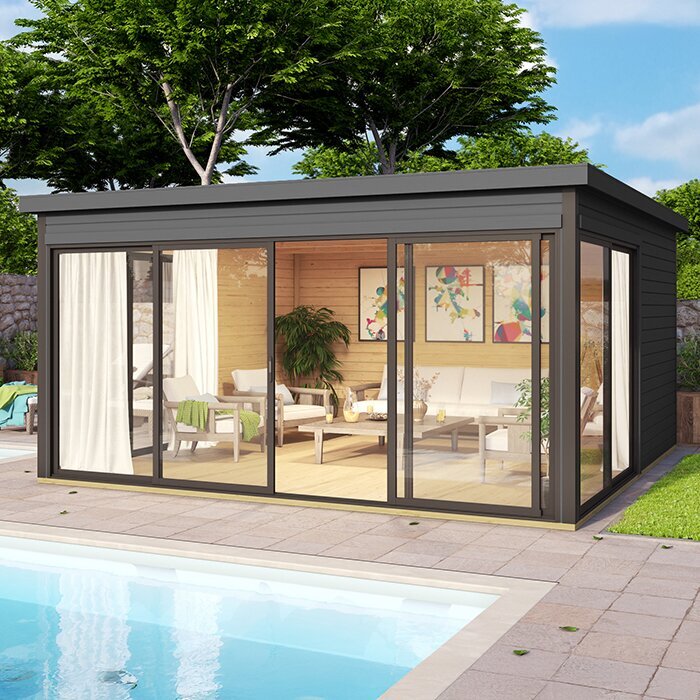
Compare the full order, not only the displayed price
Before choosing, establish what the quoted amount covers. Check whether the product price includes the components and finish you expect, and whether any extras you need are separate. Ask about any charges that may apply to delivery, assembly or site preparation, and compare options using the same package rather than comparing different configurations. Record the version, selected options and any separate services beside each price, so a lower figure is not mistaken for an equivalent order. No particular price or offer should be assumed from a product name or photograph; use the current listing and order information. A clear total makes it easier to decide whether the design, size and included features fit your budget together.
Confirm the practical ordering details as well. Check the seller’s current information about delivery arrangements, the access needed at the property and any preparation expected before arrival. If assembly is offered or required, establish what is covered and what remains your responsibility. Read the relevant terms for the order, including how changes or problems are handled, rather than relying on informal assumptions. Make a note of any answer that affects your decision and keep it with the product details, so the final order reflects the version and arrangements you actually selected.
Set your priorities before making the final choice
A short comparison table can turn a collection of appealing options into a decision. Put your non-negotiables first: the flat-roof look you want, the maximum footprint, the internal space, a suitable entrance and a level of upkeep you can manage. Then list preferences such as a particular finish or more natural light. Mark each requirement as confirmed, unclear or unsuitable using the written information. This prevents an attractive photograph from outweighing a practical issue, and it shows where you need another answer before making a commitment.
When two garden sheds meet the essentials, compare the trade-offs that matter most to you. One may fit the site more easily while another may provide a layout that better suits your stored items; the correct choice depends on your priorities and the documented details, not a universal rule. Avoid paying for features you have not confirmed or choosing a roof style on appearance alone. Once the dimensions, roof information, access, care requirements and order contents are clear, you can make a considered choice that suits both the garden and the way you intend to use it.
Frequently asked questions
Does a flat-roof garden shed have a perfectly level roof?
Not necessarily. Flat-roof can describe the overall appearance, so check the product drawing and written roof details rather than assuming the surface is completely level.
How do I choose the right size?
List what you need to store, then compare those items with the stated internal dimensions and entrance. Also measure the external footprint and space needed to position the shed.
Can a garden shed also be used as a workspace?
That depends on the interior dimensions, access, light and the requirements of the work. Confirm these details, and check separately with a qualified professional if you plan to add services such as electricity.
What roof details should I confirm before ordering?
Check the roof profile, any stated projection, what covering or components are included, how water is managed and what care the manufacturer recommends. Ask about points the listing does not explain.
Are product photographs enough to compare garden sheds?
They help you judge appearance, but cannot confirm dimensions, included items or construction details on their own. Use the written specifications and drawings for those decisions.
The most suitable modern flat-roof garden shed is the one whose proportions appeal to you and whose documented dimensions, access and care requirements fit the way you will use it. Decide what the roofline should look like, measure the site and interior, then compare the confirmed details and full order information. That keeps the design preference connected to a practical purchase, without asking a photograph to answer questions it cannot settle.
