
Buying a Wooden Garden Shed: A First-Time Buyer’s Guide
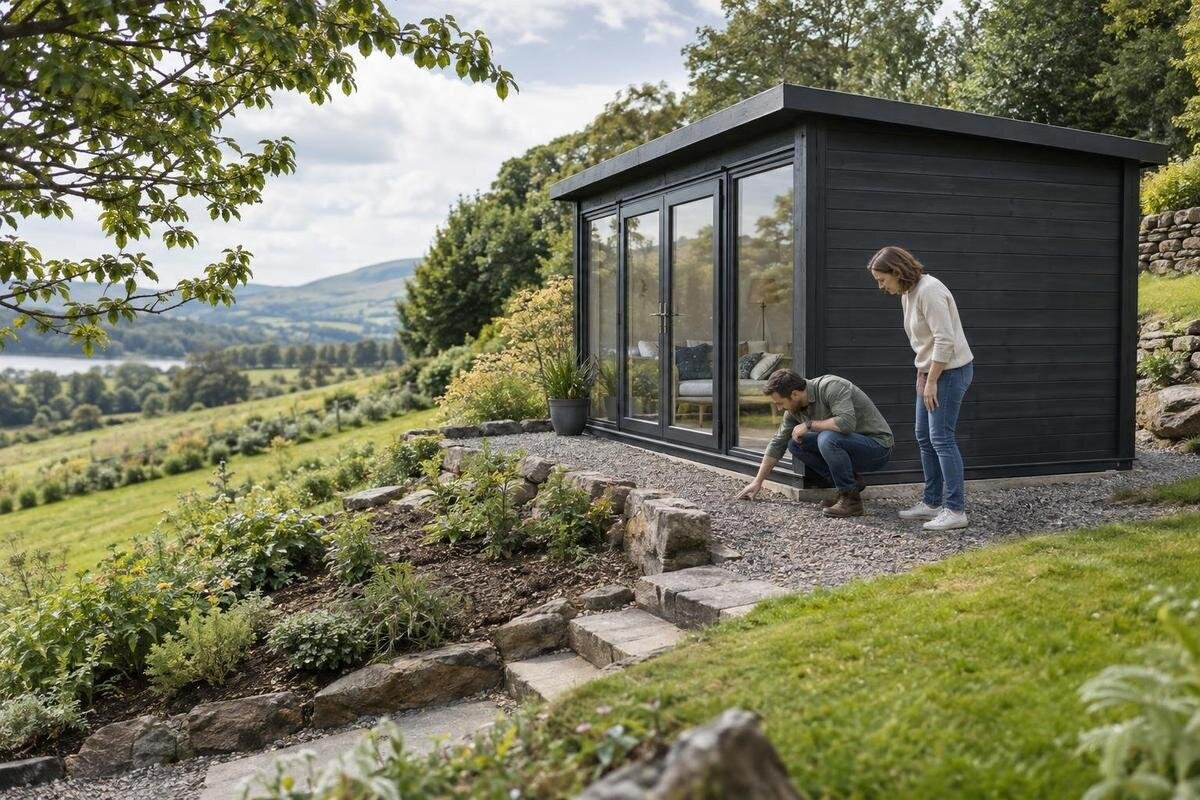
Garden shed buying guide
Buying a wooden garden shed is easier when you decide what it must do before comparing styles. A place for tools has different priorities from a space for potting plants or a hobby: access, clear floor area, daylight and ongoing care matter in different ways. A first-time buyer also needs to distinguish the usable interior from the overall footprint, and a written specification from what a photograph seems to show. This guide helps you set requirements for your garden, compare practical trade-offs and identify questions that need answers before you choose. The aim is not to find the biggest building that fits, but a shed that suits your routine and site.
Decide what the shed will be used for
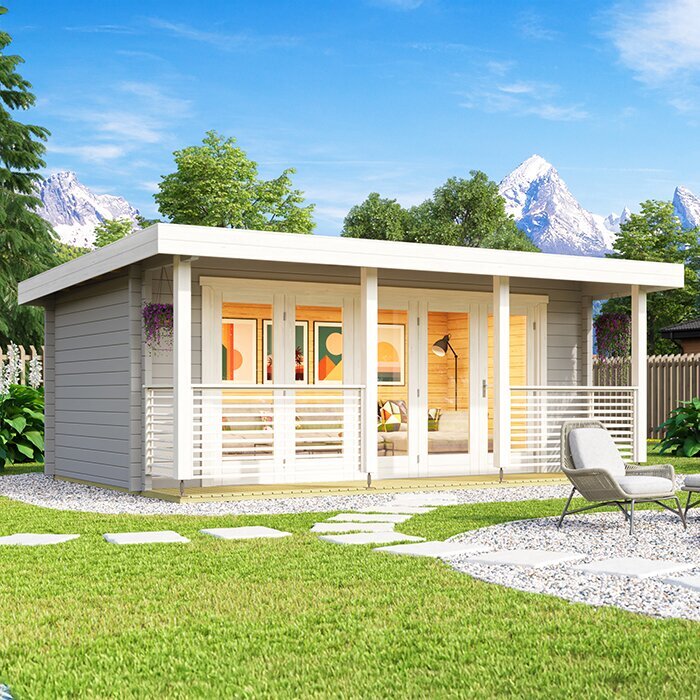
Begin with the job the shed needs to do most often. Tool storage has different demands from a potting or hobby area: long-handled tools, bags and larger equipment can compete for the same floor space, while a work surface needs room around it. Seasonal furniture may take up little room when in use but needs to be accessible when it is time to bring it out. Write down what must fit and what you need to reach regularly. Note which items stay in the shed all year and which come and go; that can help you decide whether open floor space or extra storage matters more.
Separate essential uses from occasional ones. If one building is expected to store equipment, provide a place to work and hold bulky items, decide which activity takes priority when the floor fills up; a multipurpose label alone will not resolve competing needs. List the objects, their approximate lengths and widths, and whether you need to remove them without moving something else first. As you start browsing, the Verdana 1 garden shed listing can be recorded as a candidate, but rely on stated information rather than reading a model name or photograph as proof of suitability. That keeps your shortlist anchored to what you need.
Measure the site and the usable space
Measure the area available in the garden before comparing nominal sizes. Mark the intended footprint on the ground with string or temporary markers, including practical space around the building for access and routine care. Then measure the route from the gate or delivery point to that spot: narrow passages, steps, corners and changes in level may affect how components can be moved into place. Note nearby walls, fences, trees and windows too. Compare the full external dimensions, not just a rounded size label, as walls and a roof projection may extend beyond the floor area.
Where the information is provided, compare external width and depth, internal usable floor area and overall height as separate measurements. The outside dimensions help you judge whether the building fits; the interior measurements help you plan storage; height matters for items that need to stand upright. Do not estimate these figures from a photograph or a model name. The Verdana 2 garden shed page can be assessed against your marked-out space using only its stated measurements. If a figure you need is missing, get it confirmed before deciding.
Plan the interior around what you store
Capacity is more than a floor-area figure. Sketch where larger items will stand and how you will reach them: long-handled tools can be awkward to retrieve if they are behind boxes, while a bike or wheelbarrow needs a clear path to the door. Put regularly used items where they are easy to take out, and reserve space for anything that needs to stand upright or lie flat. Think about the order of access rather than using every centimetre. A shed may appear large enough on paper but still be inconvenient if retrieving one item means moving several others.
Plan shelves or a work surface only after checking what is supplied and where these features can be placed. Shelving can help organise smaller items but may reduce clearance for taller equipment; a bench takes floor space and can change the route through the building. Record whether a feature is included, optional or something you would add later. If the shed has to serve two purposes, draw a simple top-down plan with a clear path and space reserved for each activity. This can show whether the layout works before you buy, rather than after the building is assembled.
Allow for door opening and access
Door position and type affect how much space you can use both inside and outside. A hinged door needs room to open without striking a wall, fence, planter or stored item; other opening arrangements have different clearance and handling needs. Compare the stated opening dimensions with the largest item you plan to move through it, allowing for awkward shapes as well as the item’s width and height. Do not rely on a photograph to judge the opening: perspective can make it look wider or taller. Use the written details to decide whether your regular items will pass through.
Trace the route from the delivery point to the intended position, including tight turns, gates, steps and narrow side access. Ask whether the shed arrives in parts or assembled, what access is needed for delivery or assembly, and who is responsible for moving it into place. These details vary and should be confirmed for the order. A building may fit its final location but still be impractical if its components cannot reach it. When reviewing the Durano garden shed listing, note only the door and access details it actually states, then apply the same standard to other options.
Check the ground and base requirements
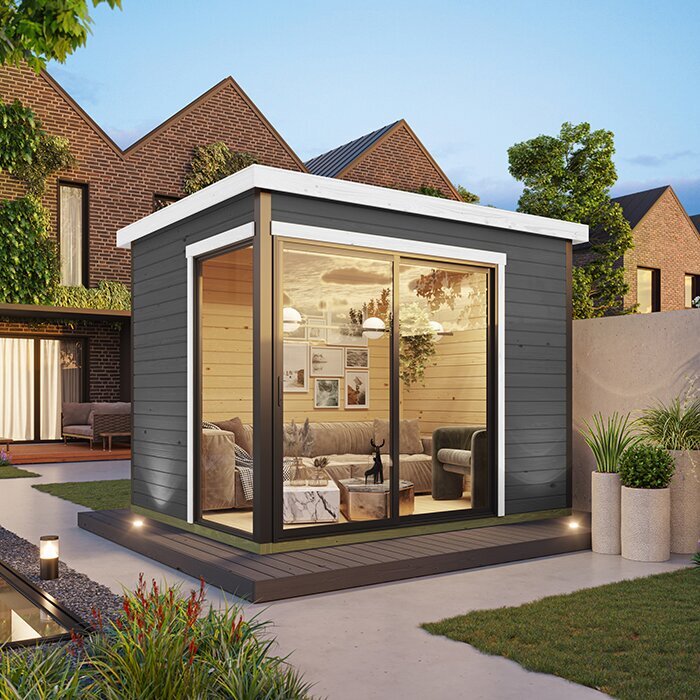
Look at the proposed site after rain and note where water collects, how the ground slopes and whether runoff from nearby roofs or paths reaches it. A base that suits one garden may not suit another, so do not assume that soil, paving or an existing platform is adequate simply because it looks firm. Check the support requirements for the particular shed and consider the garden surface alongside them. Where practical, leave enough space around the planned position to inspect the edges and carry out routine care without being blocked by a fence or dense planting.
Before choosing a building, ask for its base requirements and whether a floor is supplied or needs to be arranged separately. If the ground is uneven, drainage is uncertain or the proposed support raises questions, ask the seller or a suitably qualified installer what preparation is needed; do not improvise foundation dimensions from a general diagram. The Veltor 1 garden shed page should be assessed from its written requirements, not from its model name or an image. Resolving this early helps you avoid choosing a shed that cannot be installed on the site as it stands.
Compare the timber and construction details
Wooden garden sheds are not all described in the same way, so compare specific details rather than relying on broad terms such as solid, premium or heavy duty. Look for the stated timber type, wall and roof construction, floor details, joinery and fixings. Make sure the wording is clear about which part of the building a claim refers to; a description of one component does not establish how the rest is made. If a particular detail matters to your intended use, ask for clarification in writing. A photograph may show the appearance of a finish but cannot reliably establish timber grade, thickness or treatment.
Check what treatment or finish is specified and whether the description applies to all the relevant parts of the shed. Ask whether any further treatment is required before assembly, and whether a stated finish is included or needs to be arranged separately. Use the Orello 1 garden shed listing to inspect the written construction details, without inferring specifications from its title, thumbnail or an option label. If important information is missing, compare a confirmed answer with the details for other candidates; two sheds that look similar need not have the same stated construction.
Consider the garden’s exposure and ongoing care
Sunlight, shade, water and wind exposure can differ between two corners of the same garden. Observe how the proposed position changes during the day and through the seasons. Note where rainwater from nearby roofs or paths lands and whether plants are likely to grow close to the walls. These details can help you ask whether the specified finish and the proposed location suit the conditions at your property. They are not a substitute for the supplier’s care instructions, but they make your questions about placement and upkeep more specific.
Include ongoing care in your decision, not just the preparation needed at the start. Ask how often the supplier recommends inspecting or refreshing the finish, which care products are suitable and what signs need attention. Consider whether the areas that require routine maintenance can be accessed safely once the shed is in place; a narrow gap beside a boundary may make upkeep awkward. For the Modano 1 garden shed page, treat any maintenance point as something to verify from the written details or with the seller, rather than a quality you can judge from an image. Allow for the time and materials involved when comparing options.
Balance daylight, privacy and security
Decide whether natural light inside would be useful or whether you would rather keep stored items less visible. Windows or glazed doors can brighten an interior, but their position and area may affect privacy, the view from the house and where shelving can go. If security matters to you, ask what the specifications say about the glazing, locks and door hardware; do not equate a particular appearance with resistance to entry. For a shed that will also be used for a hobby, consider daylight and sightlines alongside storage. These preferences help distinguish a useful feature from one that is merely attractive.
Compare confirmed details: whether a window or glazed section is included, where it is positioned, whether it opens and what door hardware is supplied. Some details may not be clear in a photograph, and an illustration may show a variant rather than the exact configuration under consideration. The Wooden Garden Shed M listing can be considered alongside other options, but assess light, privacy or security features only when the written specification for the version you want states them. If you need a particular combination, confirm it before purchase rather than assuming it is standard.
Compare the cost of the complete project
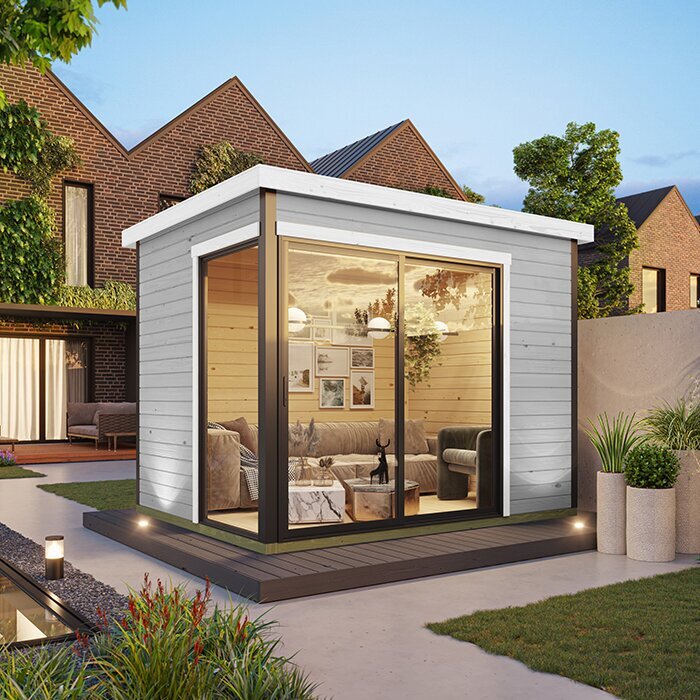
Set a spending limit for the full project, then separate the shed itself from costs that may arise around it. Depending on the product and your plans, these could include site preparation, a base, delivery or handling, assembly, finishing products and storage accessories. The details for each option determine what is included, so do not treat a headline price as the complete outlay. If you are comparing different sizes or configurations, record the confirmed cost and the items covered for each. A lower starting figure is not automatically better value if the building does not meet an essential requirement.
Ask which components are supplied, which are optional and which work you must arrange yourself. Confirm whether assembly is included or offered separately, what site preparation is expected and whether access affects the delivery arrangements. Add realistic costs for care products, shelving or a work surface if you need them, but avoid paying for extras that do not support your main use. The Wooden Garden Storage Shed S listing can be compared with other candidates on the same basis: record confirmed inclusions and keep unverified estimates separate from the total.
Use a shortlist to weigh the trade-offs
Put your requirements into two groups: must-haves and preferences. Must-haves might include a maximum footprint, an opening that suits your largest item, a clear route inside or a specified timber treatment. Preferences might include a particular finish, window position or appearance. This separation stops an attractive photograph from outweighing a feature that determines whether the shed will work for you. Compare each candidate against the same points: dimensions, access, construction, base requirements, included items, maintenance and project cost. Mark unanswered questions as unknown rather than treating them as confirmed.
Read the details for the exact model and configuration before making your choice, and keep any clarification in writing. Match your intended use to what the product description actually supports; do not assume a garden building is a workshop, insulated room or secure store unless its details establish that. If two options meet your essential requirements, compare the remaining differences that matter to you, including how each fits the site and the upkeep you can manage. The right first shed is not necessarily the largest one that fits; it is the one whose stated features meet your real needs.
Frequently asked questions
What size wooden garden shed should I buy?
Base the size on what you need to store and how you will use the space. Measure the intended site, compare the shed’s external dimensions with its usable interior, and allow room for the door and a clear route to stored items.
Can I place a wooden shed on existing paving?
That depends on the shed’s stated base requirements and the condition of the paving. Ask what support is required and whether a floor is included. If the surface is uneven or you are unsure, get advice from the supplier or a suitably qualified installer.
How much maintenance will a wooden garden shed need?
It depends on the timber, finish and the supplier’s care instructions. Ask what treatment is supplied, whether more is needed before assembly, and how to maintain the shed over time. Do not judge its treatment or upkeep from colour or photographs alone.
Should I choose a shed with windows or glazed doors?
Consider whether daylight is useful for your intended use, how much privacy you want and whether glazing affects your planned storage layout. Compare the written details for the exact version you are considering; an image may not show what is included.
What should I include when comparing the total cost?
Compare the shed and any stated inclusions with possible costs for site preparation, a base, delivery, assembly, finishing products and accessories. Confirm which items and services apply to the exact order, rather than assuming they are part of the price.
A well-chosen first wooden garden shed should make everyday storage or work easier without crowding the garden or adding care you cannot keep up with. Keep your measurements, layout, access needs and maintenance expectations beside the written specifications for the exact option. When an important point is unknown, treat it as unresolved rather than filling the gap with a model name or image. That gives you a more useful basis for choosing than appearance or nominal size alone.
