
Child-Safe Windows: Restrictors, Handles and Opening Types

Planning Windows for Families
A toddler pulls a chair up to the window, older siblings want to air a room on their own, and the bedroom still needs quick ventilation in the evening: window safety for children is not decided by one item of hardware. What matters is which opening can be reached in daily life, how far it can be opened and who should operate it. A lockable handle, an opening restrictor and the choice between fixed, single- or double-casement windows serve different purposes. Choosing only the handle can mean overlooking the opening direction, furniture near the window, cleaning routines and ventilation habits. A room-by-room plan covering all windows and patio doors is therefore sensible. It creates a solution that adults do not have to keep bypassing and that does not leave children with an unsupervised full opening.
Pre-purchase check 1
Start with use, not accessories
A window does not become critical simply because children live in the home. Its position and a realistic daily routine matter: can a child reach the handle from the floor, a bed, sofa or movable stool? Is the window opened while children are playing, and does it overlook a terrace, roof or lower level? An upstairs window also needs different consideration from a small, high-level bathroom window. Note the window height, reachable furniture, usual ventilation times and the people who should use each window independently. This assessment stops visible but secondary details from taking priority over the actual risk.
The second question is: what function must this individual element fulfil? The living room may need regular rapid ventilation and unobstructed access to the terrace; a difficult-to-reach gable area may only require daylight. A fixed-glazed window can be the right planning alternative where no opening is needed: fixed-glazed windows. It has no operable sash or handle, but it does not replace a ventilation strategy or an opening needed elsewhere. Give every opening a primary purpose: light, ventilation, view, access or cleaning. Only then can you decide whether a restrictor, lock or non-opening element is appropriate.
Opening restrictors: controlling the opening range
An opening restrictor limits how far a sash can open. Its strength is that the available opening does not rely solely on adult attention. For a frequently used window, it can provide a practical intermediate position: air can circulate without the sash reaching its fully open position. The exact design for the chosen window and hardware is crucial. Before ordering, ask whether the restriction is permanent, whether and how authorised adults can release it, and which position is possible after release. A general millimetre measurement is not reliable planning without considering the system, installation situation and risk assessment.
A restrictor also affects cleaning and everyday use. A sash that opens only partially may be harder to clean; a planned release can solve that conflict, but it must not become an unsupervised everyday workaround. Also check whether curtains, insect screens, window boards or radiators allow the restricted opening to be used sensibly. With a double-casement window, establish whether both sashes are restricted equally or whether one sash primarily serves ventilation. Record the intended operating logic: who may release it, when it is secured again, and where keys or operating tools are stored. This is much more useful than simply requesting “child-safe hardware”.
Pre-purchase check 2
Putting lockable handles in context
A lockable window handle prevents normal handle operation while locked. It is particularly suitable for windows that adults occasionally need to open or close fully, but that children should not operate independently. It does not, however, automatically limit the opening range of a sash that is already open. The handle and opening restrictor therefore answer two separate questions: who can operate the window, and how far may it move? If a handle is locked only after ventilation, it protects only in that closed position. Its everyday effect also depends on whether locking it consistently fits the household routine.
When choosing, test the operation on a sample or comparable element. Can the key be used without effort or confusion? Is the handle position clear? If a carer must unlock and lock several windows each morning and evening, decide in advance where keys will be kept. Avoid leaving a key permanently in the handle: this defeats the access restriction in daily life. The same handle type may be appropriate in different ways for children’s rooms, guest rooms and shared spaces. Your window plan should therefore record not only “lockable handle”, but also the normal locked state and the responsible adult.
Opening type as part of the safety strategy
Inward-opening windows need space within the room when opened. This makes the sash visible and can encourage furniture to be placed at a deliberate distance; at the same time, the sash must not strike a bed, desk or shelving. A single-casement inward-opening window is a clear, simple configuration, but its actual child safety still depends on the handle, restriction and room layout. An outward-opening sash uses no internal swing space, but external routes, balcony areas and possible clashes with shading must be considered. Opening direction is therefore not a safety shortcut, but a planning parameter.
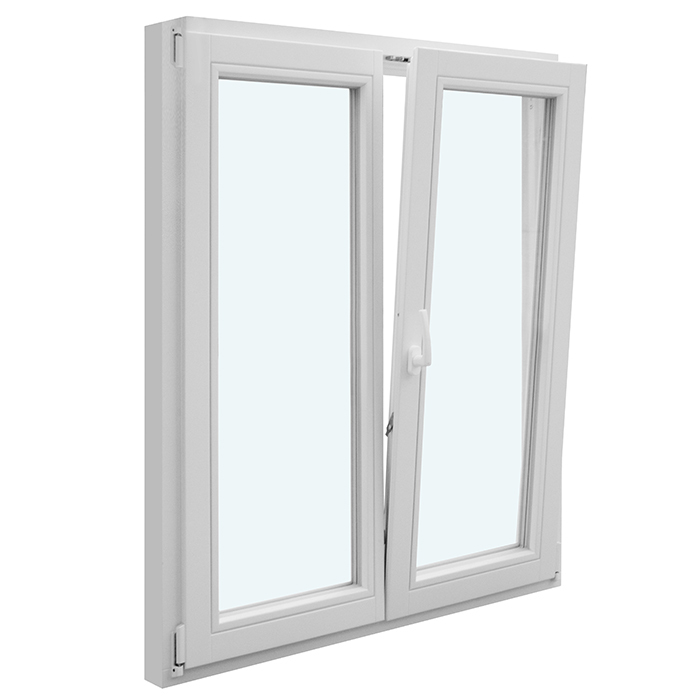
With two sashes, the number of operating decisions increases. Clarify which sash is normally used, whether the second sash is opened only for cleaning or wide ventilation, and how the safety measures for both parts work together. A double-casement inward-opening window can provide a generous opening, but requires especially clear rules for the inactive sash and handle positions. Ask to be shown the intended states: closed and locked, ventilation position, full opening for adults, and return to the secured state. This avoids the unit being used differently from the original plan after the first cleaning session or furniture rearrangement.

Pre-purchase check 3
Room by room, not one standard solution
In a child’s room, a bed, changing table, play furniture and later a desk can all become climbing aids. Plan not only for the child’s current age, but for changes to the room. A window that is initially high up can suddenly become reachable with a later bunk bed. In the living room, low glazing, a sofa and terrace access are often decisive; in a bathroom, privacy and short ventilation periods may take priority. Draw a simple view of each wall with its window, furniture and possible movable objects. It will show whether a handle is truly out of reach or whether an object makes its position irrelevant in practice.
For rarely used, high-level or architecturally distinctive openings, fixed glazing can reduce complexity. A fixed-glazed triangular or sloping window describes a non-opening window configuration for angled or triangular shapes. It should not be selected merely to avoid a safety question if the room needs an opening for ventilation, access or maintenance. Make a short decision for every room: is an opening required, yes or no; is full opening needed, yes or no; may children operate it, yes or no? These three answers lead to a much more targeted specification than a broad label such as “family-friendly”.
Allow ventilation without undermining the plan
Child safety should not mean windows remain closed for convenience. Decide how household members will ventilate when children are present: for example, at times when an adult can supervise the room, or through specifically selected windows. A restrictor can support a regular ventilation position, while a lockable handle can limit access outside those times. The practical combination depends on room size, use and the number of openings. Avoid improvised solutions such as wedged objects or temporary cords. They are no substitute for properly planned components and often make the operating situation unclear.
Roof spaces need separate consideration. Opening a pivot roof window works differently from opening a vertical façade window, and its reachability may change because of a bed, platform or roof slope. During specification, ask which opening positions are intended, how cleaning is organised and which safety options are available for that exact model. Also plan who closes the window when the weather changes. A safety solution is only practical if adults do not permanently disable it because they are short of time. For family life, a small number of clearly designated ventilation windows usually works better than an inconsistent, hard-to-follow pattern of using every opening.
Pre-purchase check 4
Assess patio doors and low-level elements separately
A patio door is both a glazed area and a route of travel. A permanently locked handle can disrupt daily life more here than at a rarely used window, especially when children and adults often go into the garden. Establish whether access should be supervised, freely available or restricted at certain times. The answer affects the handle, any possible restriction and whether a separate ventilation window nearby would be more practical. Being at floor level does not automatically create the same risk as a higher window: the outdoor area, steps, railings, furnishings and required passage must all be considered together. Also act out typical transitions: does an adult carry dishes outside while a child follows? Is the door left open while loading? Must it be operated again from outside? Such situations reveal whether a theoretically safe lock would be routinely bypassed. Consider the operating route, supervision and return to the secured state as one connected process.
With a single-leaf inward-opening patio door the swing area inside the room should remain clear, so the sash does not strike toys or furniture and remain in an unintended position. With lift-and-slide or other sliding-door configurations, check the specific locking and operating logic with the supplier instead; it cannot simply be treated like a turn handle. Discuss whether children should use a door only with adults or whether age-appropriate supervised access is planned. Keep this access decision separate from the question of window ventilation. The patio door then need not become the only everyday ventilation opening.
Coordinate planning with the architect, specialist contractor and family
For a new build, renovation or replacement, window position, sill, hardware and furniture should not be decided one after another. Give the architect, design office or qualified specialist contractor a window schedule with the room, opening type, opening direction, desired ventilation position and access rule. Ask specifically whether selected restrictors and lockable handles can be combined with the exact window size, hardware and other options. Professionals can also assess project-specific suitability within the overall concept. Technical requirements and compatibility with the building project should not be inferred from general online advice. Include the people who will later care for children, clean or ventilate regularly. A specification can appear convincing on a plan but fail because of an unfamiliar key location or awkward release. Assign outstanding points to a responsible person and a date. This prevents uncertainty over whether the window supplier, installer or design team must still confirm a particular combination.
Special window shapes need clarity at an early stage. A round fixed-glazed window has no opening mechanism and can therefore suit locations where appearance and daylight are the priority. If a round or special-shape window is instead to open, usability, reachability and safety become separate questions again. Specify the fittings before manufacture rather than hoping for a universal retrofit later. A good meeting ends with a checkable plan: which elements remain fixed, which are restricted, which receive a lockable handle, and which exception applies for cleaning or full ventilation? Keep this overview with the order documents and operating instructions.
Pre-purchase check 5
Specify and check the order precisely
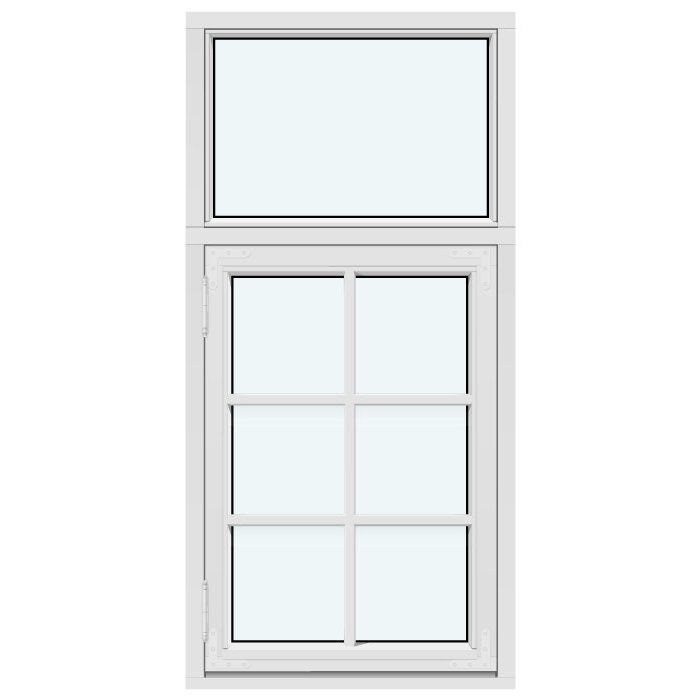
A product name and photograph are not enough for an order. A top-hung outward-opening window initially describes the opening type, not automatically an opening restrictor, lockable handle or a particular operating rule. State every required function separately in the quotation: window identification, room, hinge side, opening direction, handle type, locking function, restrictor, desired ventilation position and release requirements. Ask for confirmation of which options can be combined. Also record whether the hardware is factory-fitted or whether an additional work step is planned. For many elements, use a clear identifier from the floor plan and window schedule. An entry such as “left child’s room” may be understood differently on site and in the quotation; an identifier links position and specification clearly. Mark differences between similar windows visibly and have amendments confirmed in a revised quotation. Verbal additions should not be the only basis for approving manufacture.
Before approval, compare the list with the floor plan and furniture plan. Check especially windows that look similar but are used differently: a child’s room and study, upper floor and ground floor, façade window and patio door. Check the hinge side from the room view, as it determines swing space and handle access. Ask for operating and care instructions for the selected specification and how operation will be checked on handover. Windows and doors from Bloomcabin come with a five-year manufacturer guarantee. Delivery takes four to six weeks, subject to order confirmation. These details do not replace careful technical clarification of the specific configuration.
Create an understandable routine after installation
Handover is the right time for a practical walk-through. Open and close every relevant window in all intended states: standard position, ventilation position, restricted opening, full opening for authorised adults and subsequent locking. Check not only the mechanism, but also the room surroundings. Has a new armchair, storage basket or step stool suddenly moved within reach of the handle? Can the sash be operated with the usual insect screen and curtain? Small household changes can significantly alter the original risk assumptions without any change to the window itself. Use the window schedule as a handover checklist and tick off every element separately. Check that keys fit, restrictors react as agreed and operation has been demonstrated clearly. Record uncertainties or deviations with the relevant window identifier rather than making only a general note. The responsible specialist contractor can then assess whether adjustment, explanation or another clarification is required.
Explain the same rule to all adult household members and keep keys and instructions in a defined place. Children need clear, age-appropriate boundaries; equally, adults should not resort to unsecured makeshift solutions when quick ventilation is needed. Inspect moving parts in line with the manufacturer’s care instructions and have unusual behaviour assessed professionally rather than altering hardware yourself. After moving home, rearranging furniture or changing from toddler to school-age routines, another walk-through is worthwhile. Child-safe windows are not a one-off purchasing decision: they work through appropriate equipment and a living, reviewable everyday routine.
Frequently asked questions
Is a lockable window handle enough for child safety?
That depends on the intended effect. A locked handle can restrict operation of the window, but it does not automatically limit the opening of a sash that is already open. If a controlled ventilation opening is required, a suitable opening restrictor is a separate option. The exact combination should be confirmed for the relevant window.
What is the difference between an opening restrictor and a lockable handle?
An opening restrictor concerns the movement range of the window sash. A lockable handle concerns access to normal operation. The two solutions can complement each other, but they do not solve the same task. The right specification depends on reachability, ventilation needs, cleaning routines and when adults need a full opening.
Are fixed-glazed windows suitable for children’s rooms?
Fixed glazing can be useful in individual locations where no opening is needed for ventilation, cleaning or access. It removes the operable sash from the equation. A child’s room, however, often needs reliable ventilation. Fixed glazing should therefore be considered only as part of a room-specific solution, not as a blanket replacement for every window.
Must every window in the house have the same safety measures?
No. Identical equipment can simplify operation, but ignores differences between rooms. A high stairwell window, a reachable child’s-room window and a frequently used patio door serve different purposes. A consistently documented approach with different measures is better where the position, use and specific window configuration require it.
What information should I have ready for a quotation?
State the room, window identifier, dimensions, opening direction, number of sashes, desired ventilation position and required access restriction. Add furniture or climbing opportunities near the window, along with cleaning and access requirements. Ask in writing whether the handle, restrictor and selected hardware can be combined. This turns a general safety enquiry into a configuration that can be checked.
Next step
Child-safe windows do not result from one accessory, but from clear decisions about access, opening range and everyday use. Start with the room and actual climbing opportunities, then choose the appropriate opening type and define operating rights. Opening restrictors, lockable handles and fixed glazing are tools with different strengths. A written window plan prevents misunderstandings during quotation, ordering and handover. Check the functions after installation together with the people who will use them every day. The solution then remains understandable, suitable for ventilation and adaptable as furniture or family routines change.
