
Choosing a Family Hot Tub: Seating for Everyday Use
Family hot tub guide
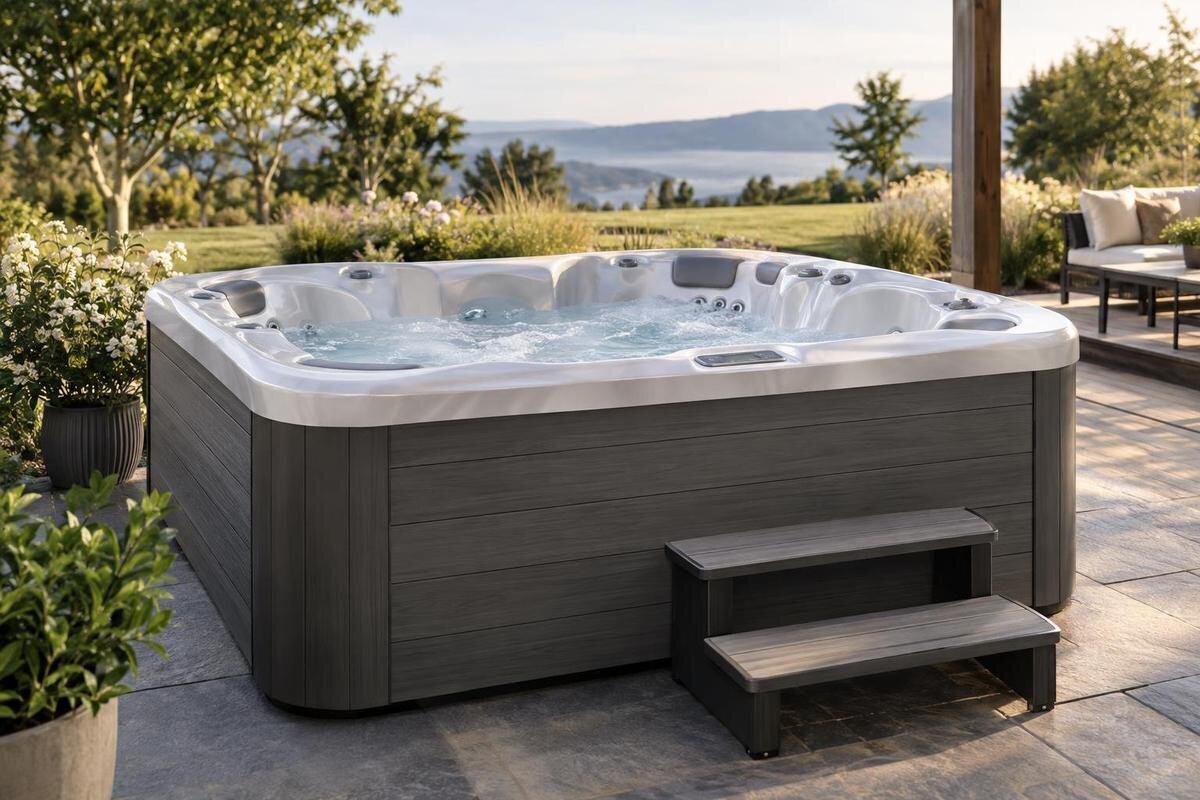
Choosing a family hot tub is less about matching a model name to the number of people at home and more about whether the people who use it together can each find a comfortable place, enough room to shift position and a straightforward way to get in and out. That depends on the household’s usual combinations, differences in height and preferred posture, and how often everyone actually uses it at once. For families in Malta comparing Cove 2, Haven 6, Fjord 8 and Aurora 10, the names alone do not verify seat counts or layouts. Use the same questions for each model, and leave any unanswered specification open until the seller confirms it.
Who will use the hot tub together most often?
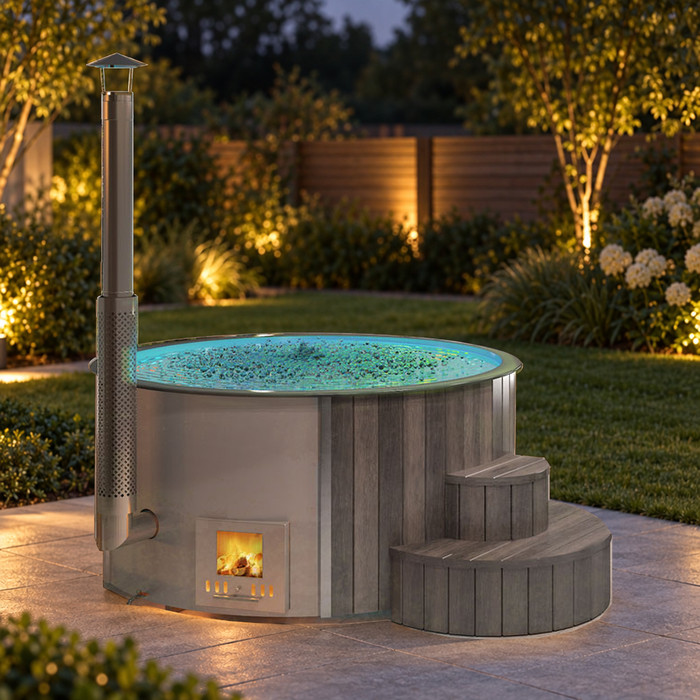
Begin with the group likely to use the tub together on an ordinary day, rather than the largest group that might use it once. Note how many people usually join a session, which household members overlap, and whether they tend to arrive at the same time or take turns. A family can include several regular users without all of them using the tub at once. For the seating decision, simultaneous use matters more than the total number in the household. Record a typical weekday and a typical weekend pattern if they differ; this makes your shortlist reflect routine family use rather than a rare full-house occasion. If attendance varies, note its usual range and identify the combination you expect to repeat most.
Next, write down which combinations recur, such as adults together or adults with children, and whether each person expects to remain seated throughout or leave before others. Do not count an empty seat as wasted automatically: flexibility may suit changing schedules, while a frequently used position may matter more than a high advertised total. Avoid planning around visitors, which is a separate use case; ask instead whether your household can share the layout without having to take turns unnecessarily. A brief note of actual overlaps over a normal week can be more useful than the number of people in the home. This list will help you test each seat against a real group.
Why seat count is only a starting point
A stated seat count is only a first filter. It may describe the manufacturer’s occupancy claim, but it cannot by itself show whether everyone has an individual position, whether neighbouring seats leave enough room, or whether the seats are the same shape. Ask what the figure means for the exact model and whether the manufacturer identifies the intended number of simultaneous users. Treat that answer as one fact, not as a promise of equal comfort for every body type. A family hot tub can meet its stated occupancy and still need a closer look at the layout before you know whether your usual group will fit comfortably.
Read model names literally as names, not specifications. The numerals in Cove 2, Haven 6, Fjord 8 or Aurora 10 do not establish occupancy. Check that any seat number comes from product information for the exact model and current version, and ask whether it counts distinct positions or general bathing capacity. Then look for a plan that labels each seat. If seat count, position count and usable interior measurements are not stated clearly, record them as unanswered; do not fill the gap from a photograph, a search result for a similar tub or a guess based on the name. Keep occupancy, marked positions and physical fit as three separate questions.
Height and sitting preferences change the fit
People of different heights can experience the same seat differently. Compare the way each regular user naturally sits: some prefer an upright position, others lean back; some need more room for their knees or feet. These are household preferences to check, not claims that a given model has a particular seat type. Ask for the layout and any available seat-depth or internal measurements, and identify which position could suit each person. A single overall dimension will not show how much space a particular seat offers, so a model plan should distinguish positions rather than give only an outside measurement. Note who needs to test which place, so the most vocal user does not stand in for everyone.
If a demonstration unit is available and the retailer allows it, have the people who most often use the tub sit in their usual posture, first individually and then in the normal group. Notice whether anyone has to curl their legs, stretch awkwardly or choose a position that conflicts with their preferred way of sitting. A photograph cannot tell you this, and a dry trial does not reproduce every aspect of use, but it can reveal questions for the seller. When reviewing the Cove 2 product listing, note which seating details you would need to assess each person’s preferred position. Ask how any positions shown relate to the model specification.
How shared legroom affects seating
Legroom is shared, especially when more than one person sits close together. A person’s feet may occupy the same central space another user expects to use; knees and legs can affect where the next person can settle. Those interactions depend on the actual seat map and the users, not a headline capacity. Ask whether the plan shows a central footwell or other shared space and how each position relates to it; do not assume a particular design. Then compare the places each person would take in the usual group, rather than judging every seat in isolation. A claimed capacity cannot show whether these spaces overlap in practice.
Ask the seller to explain the layout with every stated place occupied: where do feet and knees go, and can a user change position without intruding into the next seat? Ask whether the positions differ in depth or orientation and whether the manufacturer identifies different types of seat. Request a clear, labelled plan if the listing only shows a general product image. When reviewing the Haven 6 listing, distinguish the space assigned to each position from any space users must share. A plan can help identify possible overlaps; model-specific details or a permitted demonstration are needed to assess them.
Check how people get in, sit down and move around
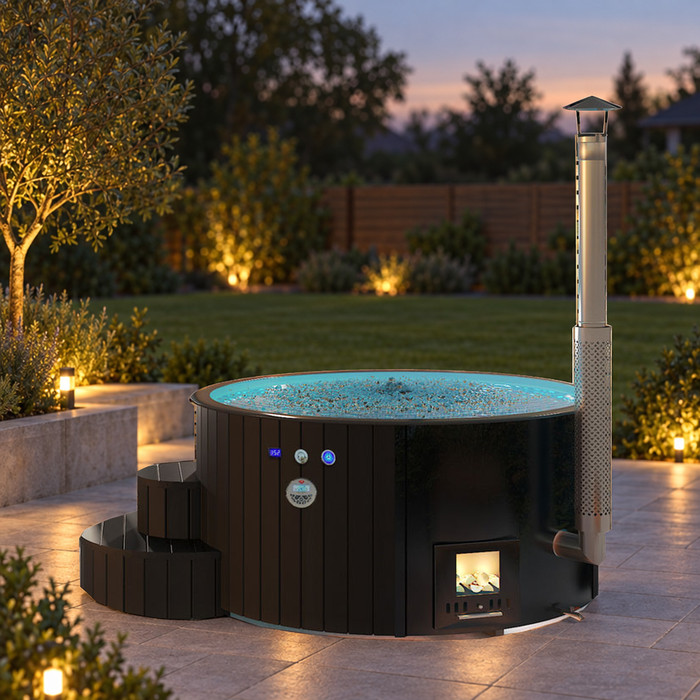
Entry deserves its own check because a seat count begins after someone is already inside. Ask where users enter, which position is easiest to reach first, and whether someone going to another seat must step across or squeeze past a person already seated. Check that each regular user has a practical route in and out without having to rearrange the whole group. Do not assume the product photo shows the entry route or that a step, handhold or other aid is included; confirm any access feature on the exact model. Also ask whether the access area is the path other users need during normal use.
Pay particular attention to anyone in the family who may need extra time or support when moving. Describe the actual need to the retailer and ask what the manufacturer states about entry, exit and access features; a general statement that a tub is easy to use is not a substitute for detail. If you can view a display unit, test the route as a group, not just the most convenient seat. Use the Fjord 8 product page to identify any access information that needs clarification. Keep this separate from legroom: an easy-to-reach seat can still be uncomfortable once everyone is settled.
Match the layout to everyday family routines
Everyday use often involves different arrival and departure times. Picture a familiar session from the first person entering to the last leaving: do family members join together, or does one person leave while another remains? If someone changes places, can the others keep their positions, or would they all have to stand to make room? A layout that works for the maximum group might still be inconvenient when only part of the household uses it. Conversely, a spare position can be useful when someone joins later. Write down the sequence rather than assuming the tub will be used by everyone in one fixed arrangement.
Think also about how the group likes to sit together: facing one another may help conversation, while some users may prefer to sit apart or look outward. Whether a specific product offers those orientations is a question to verify, not an assumption from its shape in a catalogue photo. Compare that daily preference with the labelled plan and ask how seats relate when people enter in stages. When considering the Aurora 10 listing, identify which positions would suit conversation and which would suit someone who prefers more separation, if the available layout supports that distinction. Ask each regular user separately before settling on the family’s preferred arrangement.
Compare the four models using the same criteria
Shortlist Cove 2, Haven 6, Fjord 8 and Aurora 10 by identity, then compare their evidence in the same columns: manufacturer’s stated occupancy, number and arrangement of named sitting positions, any published internal dimensions, and details about getting in and changing places. The product information available for these four names confirms catalogue identities only; it does not confirm those seating specifications. It would therefore be misleading to describe one model as roomier, more family-friendly or a better fit. In particular, do not read 2, 6, 8 or 10 in a name as a seat count. Until model-specific answers are available, the list is a shortlist, not a ranking.
Include the Bloomcabin Hot Tub Cove 2 in the comparison without assigning it a capacity based on the numeral. For every candidate, avoid mixing current product details with information from another model, an earlier version or a reseller’s unsourced summary. When a feature is not documented, mark it as not confirmed rather than leaving a blank, since a blank can look like none or not applicable. Keep any later confirmation with the exact model name and note whether it comes from the manufacturer or the retailer. Then compare it with your family’s requirements. If an important detail remains missing, keep that candidate unresolved rather than ranking it on an assumption.
Questions to ask about seating and access
Ask the retailer for the exact meaning of the seat or occupant figure and a current diagram that labels each place. If available, request internal measurements relevant to the seating, such as the dimensions of individual positions and any shared foot space, not just the outer footprint. Ask whether the described positions differ in posture or intended use, and how the manufacturer defines the stated number of users. You do not need a sales phrase like spacious; you need details that let you compare places with the people who will occupy them. A written answer tied to the model name is easier to check later than an informal estimate. Ask whether measurements refer to the usable interior or exterior.
Follow up on access and layout: where is the entry point, what must a person cross to reach each seat, and what accessories or support features are included rather than optional? Ask for the manufacturer’s document or a current product page if the answer depends on a specification. For the Bloomcabin hot tub Haven 6, as with the other candidates, keep each response attached to that exact model rather than assuming the numeral resolves occupancy. Check whether a named accessory affects the route, and whether it is supplied or must be obtained separately. If the seller cannot confirm a point, record it and decide whether it affects a must-have.
What to check if children will use the hot tub
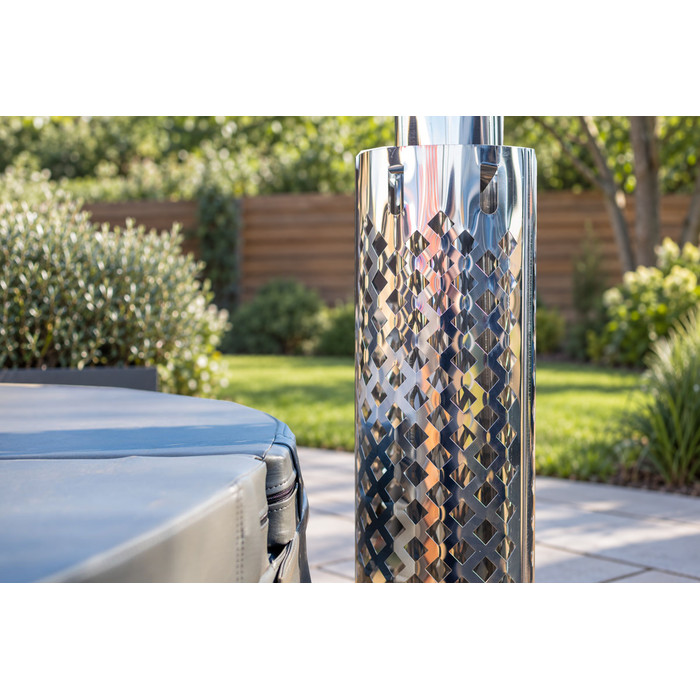
If children are likely to use the hot tub, check age and safety guidance separately from seat fit. Ask the manufacturer for the age restrictions or recommendations for the exact model, and consult current local authoritative safety guidance rather than assuming a product described as a family option is suitable for every age. A place on a diagram does not establish that a child can get in and out safely, sit comfortably or use the tub without adult support. Do not infer child suitability from a large occupancy figure or from the model name; neither describes a child’s needs. Confirm that any advice applies to the exact model rather than a broad product range.
Discuss the practical arrangements for the children in your household with the seller and follow the manufacturer’s instructions and current guidance. Be clear about who is responsible for supervising, how the child reaches the seating area, and what happens when adults need to move around or leave. Keep these questions separate from whether a child appears to fit a seat. For the Bloomcabin Hot Tub Fjord 8, as for the other three models, child-specific seating and any stated age range remain unconfirmed in the information available here. Where guidance is unclear, do not treat uncertainty as approval.
How to make a final family shortlist
Before deciding, separate requirements from preferences. Requirements might include a confirmed place for each regular user, enough shared room for the usual group, and an entry route each person can manage; preferences might include a particular posture or facing arrangement. Give each requirement a yes, no or unconfirmed status, and note whether the answer comes from product information or a demonstration. A model should not pass simply because its claimed occupancy is high, nor fail because it has unused seats if its arrangement otherwise suits regular household use. Keep preferences separate so that an attractive optional feature does not obscure an unmet requirement. The aim is to compare the layout with how your family actually sits, not to maximise the number printed on a page.
Review the results with the regular users before settling on a model. If you tried a demonstration unit, distinguish what each person found comfortable from details that still need confirmation. If you relied on a labelled plan, keep any unresolved questions visible rather than treating the drawing as proof of comfort. Apply the same standard to the Bloomcabin hot tub Aurora 10 and every other candidate. If one person could not take part in a trial, make sure their requirements have not been overlooked. A model that suits most of the family may still leave one regular user without a practical place. When a must-have remains unanswered, keep the choice open rather than forcing a winner.
Frequently asked questions
How many seats should a family hot tub have?
There is no fixed number for every household. Start with the people who are most likely to use it together, then check the manufacturer’s stated occupancy against a labelled seating plan. The number of people in your household does not show how many will use the tub at the same time.
Do the numbers in Cove 2, Haven 6, Fjord 8 and Aurora 10 show how many people they seat?
No. A model name identifies a product; it does not establish its seat count. Check the exact model’s current product information for stated occupancy and a seating layout, and ask the retailer or manufacturer if either detail is missing.
How can I compare seating for family members of different heights?
Consider each person’s preferred posture, legroom and the position they would use. If a demonstration model is available, ask whether the family can try the seating arrangement together. Otherwise, request a labelled plan and any relevant internal measurements, while remembering that dimensions alone cannot prove comfort.
Is the highest advertised seat count automatically the best choice?
No. A higher stated capacity does not show whether the positions suit your household, leave enough shared legroom or are easy to reach. A layout that works for the people who use the tub most often may be a better fit than one chosen only for its advertised total.
What should I check if children will use the hot tub?
Ask the manufacturer for age restrictions or recommendations for the exact model, and consult current local authoritative safety guidance. Do not assume that a family label or a place on a seating diagram proves suitability for a child.
A family hot tub should suit the people who use it together on ordinary days, not just match a model name or the largest number on a page. Compare your household’s usual combinations with confirmed seating positions, shared legroom and a practical route in and out. For Cove 2, Haven 6, Fjord 8 and Aurora 10, the product information available here does not establish those details, so an evidence-based winner cannot yet be named. Keep the shortlist open until the seating facts that matter to your family are clear.
