
Condensation in a Garden Shed: Causes and Practical Remedies
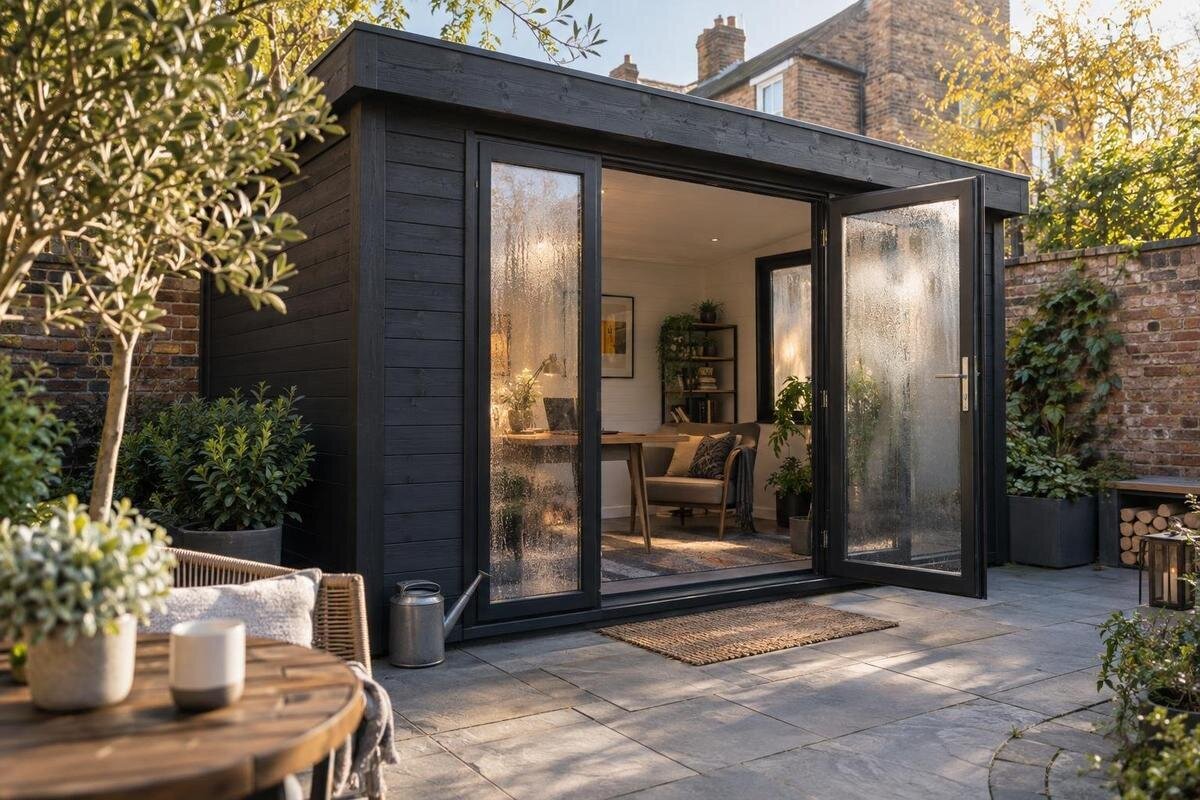
Garden shed care
Condensation in a garden shed can look like a roof leak: droplets may form beneath the roof, on a window or on stored items after the air or surfaces cool. The right remedy depends on the source. Moisture may condense from humid air, enter through a gap during wet weather, or reach the shed from the ground; more than one problem can occur at once. This guide explains how to read the clues, reduce moisture brought in with garden gear, improve everyday drying and protect stored belongings. If you are considering a replacement, it also sets out what to check in the product information before ordering.

01
What condensation looks like inside a garden shed
Condensation is liquid water formed from water vapour already in the air. In a garden shed it may appear as fine beads beneath the roof, on a cool wall or window, or as a damp film on tools and boxes close to those surfaces. It can leave metal objects wet, spoil cardboard, mark fabric and make the floor slippery. A single patch that dries is different from repeated wetting, but recurring moisture deserves attention because it can damage stored belongings over time. Note exactly which surfaces and items are affected: ‘the shed feels damp’ is too broad to identify a cause or choose a remedy.
Condensation often forms a fine film or many small beads on more than one cool surface, sometimes after the shed cools overnight. A trail from a seam, wetting that follows rain or a recurring mark at one point suggests water entry; dampness at the lower edge may instead be splash or ground moisture. The signs can overlap: a leak can spread and condensation can collect in one cold corner. Check whether boxes are wet on the side touching a wall, or whether items beneath a seam are affected. These details are useful clues, but the appearance of water alone does not prove its source.
How humid air turns into droplets
Air contains water vapour even when it looks clear. When the air beside a surface cools enough to reach its dew point, some vapour changes into liquid droplets. A roof, wall, window or stored object can become cooler than the surrounding air as the shed loses warmth, particularly when outdoor conditions change or the enclosure cools overnight. As air cools, its relative humidity rises, even if no extra water vapour enters. That temperature difference can produce water without rain passing through the structure. The dew point is simply the temperature at which this change begins; you do not need to calculate it to recognise a likely pattern.
Moisture has several possible sources: damp soil or garden waste, wet tools, plant pots, water left after cleaning, clothing brought in from rain or a spill. Stored items may release moisture as they dry. If a shed is packed tightly and has little air exchange, vapour can linger near cool surfaces. Wiping droplets removes visible water but not the moisture source. Fresh air only helps when it can carry moisture away, so opening a door during wet weather may not dry the contents. Consider both what regularly enters the shed and whether air can move through it without being blocked by stored goods.
02
Condensation, rain leaks and ground moisture
Not every wet surface is condensation, and different sources can occur together. Condensation often appears as droplets on surfaces that have cooled. Rain entry is more likely when wetting follows a shower or appears near a particular joint, edge or fastening. A damp patch near the base may result from splash, water collecting beside the shed or moisture from the ground. Water can travel before it becomes visible, so the point where a mark appears is not always the entry point. From ground level, look for a repeatable link with rain and note whether the damp begins high up or near the floor; do not rely on one wet spell as proof.
Dry the inside area and nearby belongings, take a dated photo, then observe what happens after dry weather and the next shower. Avoid climbing onto the roof or dismantling panels to trace a route. If the same area keeps getting wet, or a joint or structural part appears damaged, ask a suitable shed installer or tradesperson to assess it. If a leak or site issue leads you to consider a replacement, check the relevant weather-exposure and base information for Verdana 1 garden shed rather than assuming a new product will solve a problem with runoff or the location.
Track when and where damp appears
A short log can make an intermittent problem easier to understand. Record the date and time, recent weather, whether the door or any existing vents were open, and which surfaces or belongings felt damp. Note if the moisture appeared after a cool night, after rain, after watering nearby plants or only when wet equipment was inside. A basic humidity meter can show how readings change, but it cannot identify a leak or guarantee that a particular reading is right for every stored item. Keep it away from wet surfaces and compare readings under similar conditions, rather than treating one measurement as a diagnosis.
Look for a pattern across several checks. Droplets on a number of cool surfaces after a temperature change support a condensation explanation; one streak that returns after rainfall deserves a closer look for water entry. Dampness that follows wet gear suggests an indoor source, while a musty smell alone does not show where moisture began. If your notes prompt you to compare alternatives, use the information for Verdana 2 garden shed to check what is actually stated about construction, ventilation and care. Ask about anything important that is missing instead of inferring a feature from a picture.

03
Reduce moisture brought in with garden equipment
List the things that regularly bring water into the shed: spades with wet soil, garden tools after rain, pots, watering cans, muddy footwear, damp covers or recently cleaned equipment. Knock off loose soil and wipe tools dry where their instructions allow; let fabric and covers dry before folding them away. Check for leaking pots or containers and wipe up spills promptly. If an item must be stored while still damp, keep it separate from cardboard, paper and fabrics and inspect it later. Even modest wetness added day after day can maintain a damp interior, so include routine jobs in your check, not only rainy weather.
Make drying part of the storage routine. Empty water from containers when practical, and avoid leaving wet plant matter or equipment sealed in a box. A tray beneath a pot can catch a spill, but check and empty it rather than assuming it will dry the space. A replacement such as Durano garden shed will not dry wet equipment by itself. Before ordering, compare the documented use and access details with what you plan to store, and address moisture carried in whatever shed you choose.
Use ventilation to help the shed dry
Make sure any existing vents or openings remain unobstructed, including from the inside. Leave room around boxes and bulky tools so air can move rather than stagnate against a wall or in a corner. A short period of airing may help when outside conditions favour drying and there is no risk of wind-driven rain. A door left open all day is not a universal solution: it can expose stored items to rain or damp air without resolving the cause. Ventilation supports drying, but it cannot remove a leak or stop wet equipment from releasing moisture into the shed.
Do not seal every gap because droplets appear, cut new openings or add powered equipment based on generic advice. Restricting an intended air path can leave moisture trapped, while permanent changes need to suit the structure and its exposure. For Veltor 1 garden shed, check whether the product information describes ventilation and any care associated with it; do not infer this from an image. If you are considering a permanent change to an existing shed, consult the manufacturer or a suitably qualified installer before proceeding.
04
Keep stored belongings away from damp surfaces
Protect belongings by avoiding direct contact with damp floors and external walls. Put cardboard, paper, fabrics and vulnerable metal items on a stable, dry shelf or platform that is suitable for their weight, and leave small gaps between boxes so their surfaces can dry. Keep frequently used tools accessible rather than buried behind tightly packed goods; crowded stacks hide wet patches and make checks harder. Do not put wet items in the same pile as dry ones. Follow the maker’s stated capacity for shelving, and position heavy or awkward items safely rather than balancing them on unstable stacks.
Containers can shield dry contents from drips, but a sealed box can trap moisture brought in with damp tools or fabric. Let items dry fully before closing a container, and check its base if something has been stored damp. A desiccant or moisture absorber may help in a small enclosed space only if its label says it is suitable; it needs attention and cannot resolve a leak or damp air throughout the shed. When choosing a replacement, verify the usable measurements and access for Orello 1 garden shed so belongings can be arranged with room around them.
What to do when damp keeps returning
If droplets return, move vulnerable belongings to a suitable dry place and wipe accessible surfaces, then allow them to dry. Do not cover a damp area with boxes or a lining that hides it. Look for repeated staining, softening, flaking, corrosion or swollen joints, and compare those signs with your notes. Surface cleaning may remove a mark but will not stop a leak or reduce a continuing source of vapour. If water keeps appearing, a structural part seems damaged or a larger area is affected, arrange an assessment by an experienced shed installer or another suitable tradesperson rather than masking the problem.
Be cautious about quick fixes such as sealing the shed more tightly, adding a lining or insulating a surface without understanding where the moisture goes. Changes can alter how the structure dries, and a treatment suitable for one design may be wrong for another. Check manufacturer care and alteration guidance before applying a coating or making changes; ask for professional advice if the guidance is unclear. If considering a replacement such as Modano 1 garden shed, verify product-specific details rather than assuming that it will resolve an existing damp problem.

05
What to check before ordering a garden shed
Consider replacing a shed only after separating a correctable source, such as wet contents or blocked airflow, from rain entry, runoff or recurring condensation. List what you need to store, whether those items are often wet when put away, how much room is available at the site and what access you need. Then compare stated dimensions, openings, assembly requirements, base guidance and care instructions with those needs. For wooden garden shed M, as with any listing, confirm what the product information actually says about ventilation, weather exposure and maintenance; the product name does not establish those details.
Before placing an order, check the practical fit: the specified footprint and height, room to open doors and move belongings, the route from the delivery point to the site, and any base or assembly requirements given by the supplier. Confirm which parts or options are included rather than inferring them from a photograph. Ask how the manufacturer expects the exterior to be maintained and whether ventilation features are included, if relevant. If key answers are missing, obtain them before ordering. A careful comparison cannot guarantee a dry interior, but it can prevent assumptions about a product from driving the choice.
A practical routine for keeping damp under control
Build a simple routine around the shed rather than waiting for a puddle. After prolonged wet weather, look from ground level for signs around the roof edge, walls, door area and base. Inside, check cool surfaces, corners and the backs of stored items. Keep existing air paths clear, remove wet equipment until it has dried and note any new marks. Do not climb onto a roof to inspect it; if a check requires access at height or a repair, arrange suitable help. A photo of the same areas over time makes a new stain or change easier to spot and compare with your earlier notes.
Review your log when the weather or storage routine changes, and follow the maker’s instructions for cleaning, finishes and maintenance rather than using a universal schedule. If care requirements matter to your choice, check whether guidance is available for wooden garden storage shed S before ordering; ask the supplier if the relevant information is not stated. Keep the same simple checks in place after a purchase. Damp prevention in a garden shed is more effective when moisture sources, air movement and the condition of the structure are considered together.
Frequently asked questions
What causes condensation in a garden shed?
It forms when moist air cools against a surface and water vapour turns into droplets. Wet tools, plant pots, damp clothing and limited air exchange can all contribute. Rain or ground moisture may also be responsible for damp patches, so look at when and where the water appears.
How can I tell condensation from a leak?
Condensation often appears as a film or small droplets on several cool surfaces, while a leak may follow rain and return near the same joint or edge. Ground moisture or splash can affect the lower part of a shed. These patterns are clues, not proof; record when the damp appears and seek an assessment if it keeps returning.
Should I leave the shed door open to dry it?
Not all the time. Airing can help when the outside conditions favour drying, but damp or rainy air may not help and wind-driven rain could wet the contents. Keep existing ventilation openings clear and avoid treating an open door as a substitute for removing moisture sources or investigating a leak.
Will a moisture absorber stop condensation?
It may help with a small, enclosed space if the product label says it is suitable, but it will not fix a leak or a steady source of moisture. Check and maintain it as directed, and address wet items, poor air movement or water entering the shed.
Should I insulate a shed to prevent condensation?
Not automatically. Changes to a shed can affect how it dries, and adding a lining or insulation without understanding the moisture source may not solve the problem. Check the manufacturer’s guidance and consult a suitably qualified installer before making permanent changes.
Persistent condensation is easier to manage once you know whether moisture is being generated inside, condensing on cool surfaces or entering from outside. Start by noting when and where it appears, remove avoidable sources of dampness, keep belongings clear of wet surfaces and allow suitable air exchange. Where the pattern points to a leak, a site issue or repeated damage, get the structure assessed rather than masking it. If you eventually choose another garden shed, compare its documented ventilation, care and setup details with your actual storage needs; a product name alone cannot guarantee a dry interior.
