
How much does it cost to replace every window in a house?
Buying windows as a whole-house project
Replacing every window is rarely as simple as adding up ten or fifteen catalogue prices. Once an entire house is involved, repeat standard windows may account for much of the budget, but bespoke shapes, the condition of the reveals, access and the preferred work sequence can change a comparison considerably. Build a project budget that separates windows, surveying, removal, installation, connections and reinstatement. Start with a complete window schedule and give the same specification to several suppliers; this makes it easier to see why quotations differ. This guide covers the cost headings needed for a sound overall picture, the decisions to make early and how to avoid unnecessary variations after installation.
Buyer checklist 1
Cost the house as one project
Do not begin by asking for the price of one window; begin with an inventory for the entire house. For each opening, note the room, approximate width and height, floor, opening direction, number of sashes, existing shutters or window boards, and visible special features. Add photographs from inside, outside and within the reveal. This creates a quantity schedule that helps suppliers understand the task. A house with many similar openings can be organised differently from a building with bay windows, roof windows and reveals of varying depth. Also consider which works are taking place at the same time: facade work, decorating or a new heating system can alter the programme and interfaces.
Then divide the schedule into recurring groups and exceptions. Eight matching bedroom windows may form one group, while the patio door, stairwell window and a round gable window need their own entries. This shows which decisions affect a whole series and where individual planning is required. Decide too whether every unit should be replaced in one operation or whether phasing by side of the building is more sensible. Phasing may make the house easier to use, but creates additional handovers and can bring repeated set-up costs. Ask the quotation to state clearly which assumptions about quantities, access and construction sequence underpin the calculation.
Comparing window prices properly
A unit price is meaningful only when the configuration is the same. Do not compare a brief description with a detailed line item. Each opening enquiry should include dimensions, frame and sash layout, opening type, glazing, colour or finish, glazing bars and the required ironmongery. An inward-opening single-casement window describes the basic form, but the chosen dimensions and fittings must still be stated precisely for a quote comparison. A change in appearance, for example through glazing bars, is not merely decorative: it affects the unit layout and should be shown exactly. The enquiry should also state whether existing proportions are to be retained or deliberately changed. A narrower sash, an offset mullion or a different frame sightline can mean that two units of similar calculated size do not represent the same design. Mark the internal and external view for each window and resolve uncertainties with drawings before comparing prices.
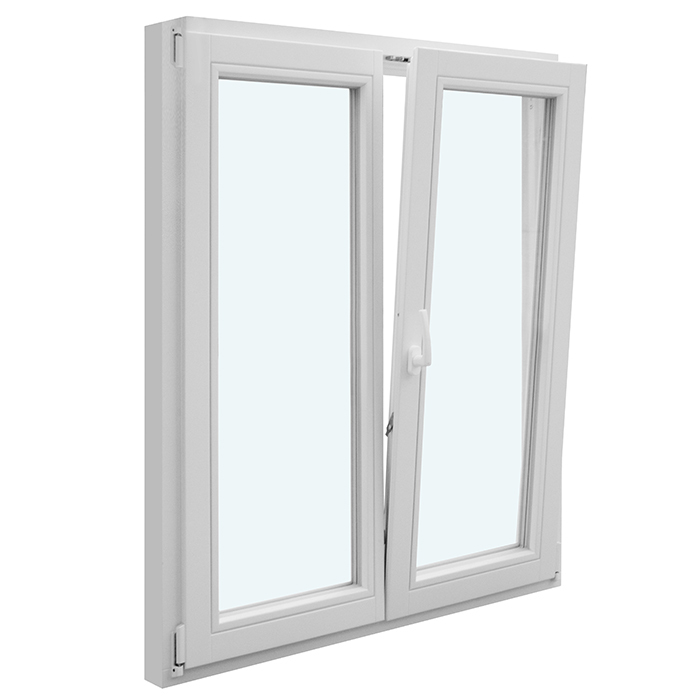
Ask for a unit schedule rather than one combined sum. Matching windows can be grouped by quantity, while bespoke sizes are listed separately. Check that every quote refers to the same internal and external views and that accessories are already included. A double-casement window can have different operating and visual requirements from several separate units. For wide openings, an inward-opening double-casement window offers a different arrangement from a fixed light with an opening sash. The right choice depends on furniture, ventilation habits, cleaning access and the intended facade appearance. Price differences become assessable only when these use considerations are treated consistently in every option.
Buyer checklist 2
Treat removal and disposal as separate items
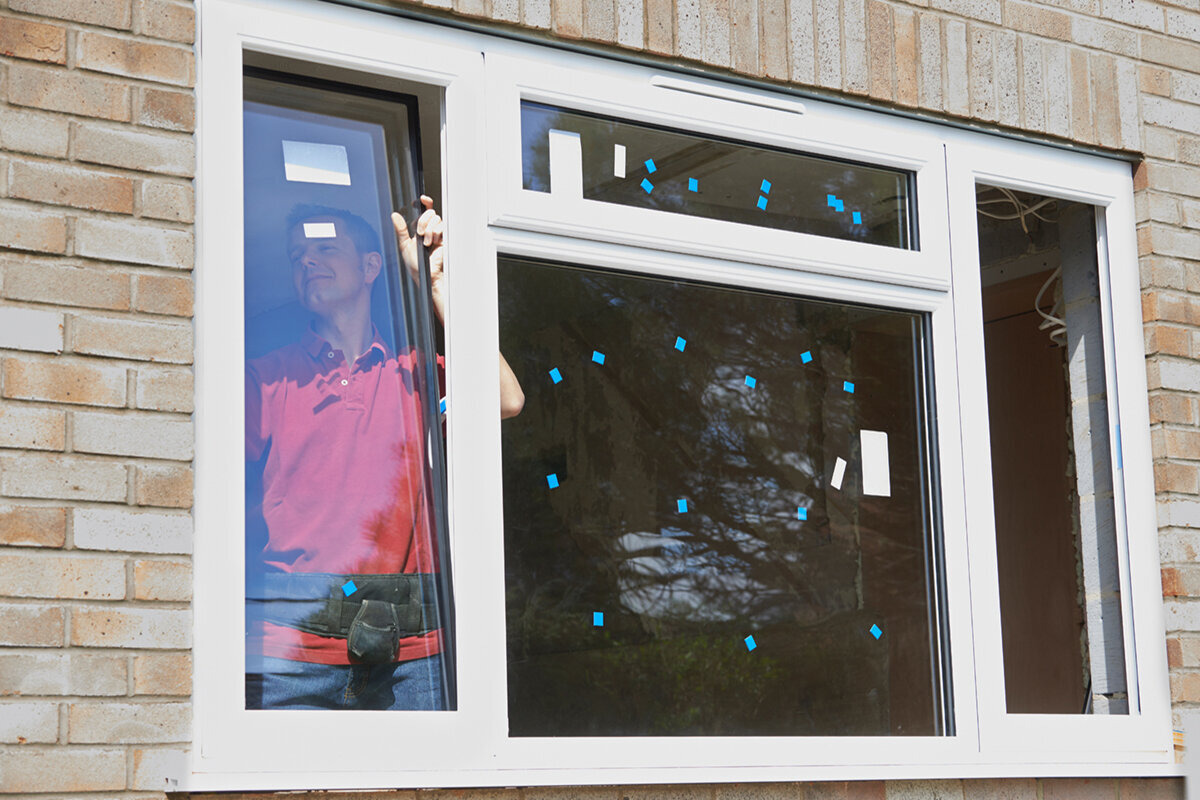
In window replacement, practical work starts before the new unit is fitted. Old sashes, frames, fixings and sealants must be removed without unnecessarily damaging the adjoining building fabric. The extent of this work often becomes clear only at survey stage or after opening an initial reference opening. The quote should therefore state whether floor and furniture protection, removal, transport and disposal are included. Also clarify who removes and reinstalls window boards, shutter boxes, internal linings or existing attachments. A lower quote is of little value if these services later appear as unplanned extras.
An arrangement for findings that cannot reliably be seen before removal is especially important. Ask how the contractor proceeds if substrates need repair, fixing points need alteration or reveals require partial repair. A good answer identifies responsibility, documentation, approval and charging for such additional work rather than leaving a broad risk term open. Agree that photographs or an inspection record the starting condition. For a whole-house project, it can be useful to use one easily accessible window as a trial sequence. This clarifies dust protection, the duration of each stage, follow-up work and the condition of exposed connections before the remaining rooms follow.
Do not hide installation and connections in one catch-all term
A new window performs in a house not through the unit alone, but through the connection between frame and opening. The quotation should therefore identify installation, fixing, sealing and connection work. Ask what is planned internally, in the joint and externally, and who prepares the connection surfaces. Technical execution depends on the existing building fabric and the planned overall construction; where uncertain, a qualified designer or installing specialist should assess the details. Avoid comparisons where one quote says only “installation” and another lists specific connection works. The two prices may otherwise cover different tasks.
Plan at the same time what will remain visible after fitting. Internal plaster, wallpaper, paint, tiles, window-board connections and external render often belong to other trades or are reinstated only to a limited extent. For each side of the opening, ask: where does the work end, in what condition is it handed over, and who completes the finish? With a window with fixed glazing there is no operating sash, but careful planning of the frame, appearance and connection remains necessary. Where a fixed light replaces an opening-sash solution, decide based on room ventilation, cleaning and facade design, not solely on an apparently simpler installation.
Buyer checklist 3
Budget special shapes separately
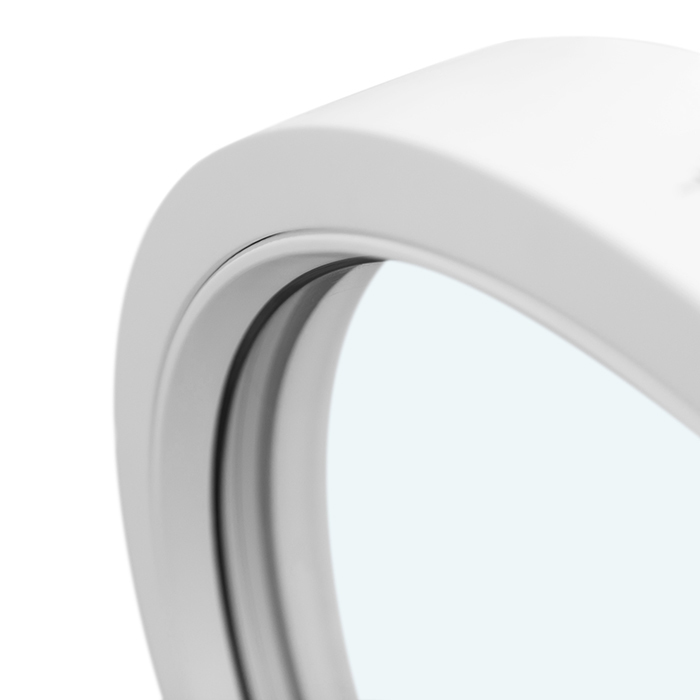
Special windows should not distort the price comparison for many standard openings. Round, angled or semicircular openings require a separate survey and a clear drawing. For a triangular or angled window with fixed glazing angles, connections and the transition to the surrounding construction matter at least as much as the visible glazed area. Obtain a traceable individual description for these items and check whether the existing opening needs particular protection or temporary closure during the works. A simplified allowance in an initial overall quote can be useful if dimensions are still missing; it should be explicitly marked as provisional and not confused with a binding final price.
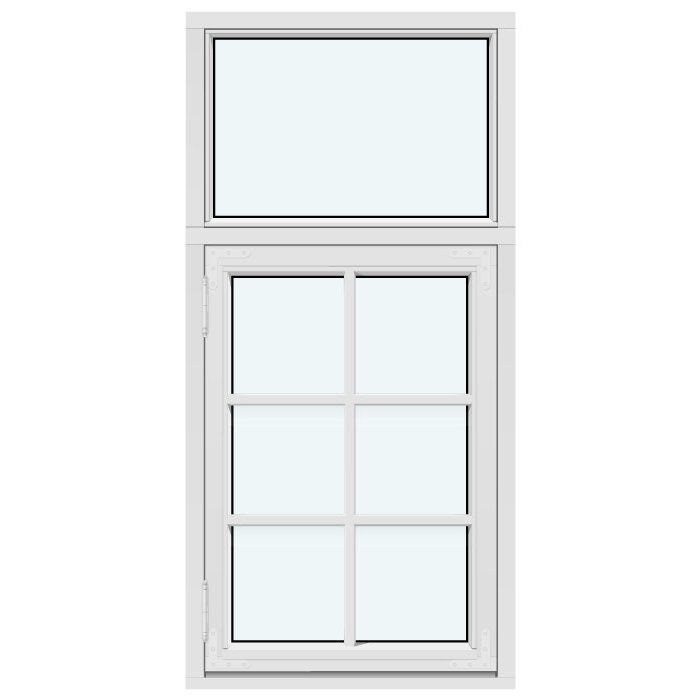
The facade appearance also deserves a separate decision. Historic proportions, existing glazing bars or unusual divisions may mean that no standard grid can be transferred without visible change. An outward-opening historic-style “Kombi” casement window is a possible product form for a suitably designed opening, but it does not replace checking dimensions, appearance and opening direction for the actual building. For distinctive elevations, request elevation drawings and compare them with photographs of the existing property. If the building or its surroundings are subject to particular controls, discuss the necessary steps with the Planning Authority, a perit and appropriate specialists before ordering. No design assumption should be treated as permitted without a project-specific assessment.
Plan roof, terrace and large openings separately
Not every glazed opening belongs in the same cost group. Roof windows involve the roof position, internal lining and connection to the roof covering; an on-site inspection is particularly important here. A centre-pivot roof window is a different product type from a vertical facade window because its installation setting and consequential works raise different questions. Clarify roof access, protection for the interior, any scaffolding or safety measures, and reinstatement of linings. If roof work is already planned, coordination can combine work sequences. Whether this is economical for your project depends on the actual condition and programme.
For patio and large sliding units, the checklist should also cover the threshold, floor build-up, external finish, drainage and movement space within the room. For a wide opening, a Patio Life lift-and-slide door may be an option, but its exact size, division and specification must first be matched to the opening. Have the existing threshold measured inside and outside, and document level differences, adjoining finishes and planned floor build-ups. A later change in floor finish can affect the connection height and therefore the scope of follow-on work. Drawing this interface before ordering prevents the window installer, flooring contractor and landscaping contractor from using different reference levels.
Buyer checklist 4
Allow for access and site logistics
A ground-floor window on a clear side of a house is installed differently from a unit above an extension, in a narrow stairwell or behind a difficult-to-reach terrace. Note vehicle access, storage space, passage widths, heights and obstacles in the enquiry. Clarify whether units can be carried through the house, whether outside areas need protection and whether special access equipment is planned for upper floors. An occupied home also needs a process for furniture, curtains, plants and delicate surfaces. This preparation is not incidental: it determines whether the installation team can work without interruption and which services are actually included in the price.
Also ask about the room sequence and daily security of open areas. For a complete replacement, a room plan is useful: which rooms are cleared when, which openings remain open until fitting, and where can occupants stay in the meantime? Appoint a contact person who can approve decisions on unexpected findings. Do not assume that a quote includes scaffolding, lifting equipment, protective coverings or access routes; these items must be named expressly. Bloomcabin delivery is in 4 to 6 weeks, subject to order confirmation. Set a firm installation date and schedule the other trades only after the order has been confirmed.
Compare work packages, not just the total
Request quotes based on the same window schedule and give every supplier the same photographs, measurements and desired elevations. Ask for separate items for survey, units, accessories, delivery, removal, disposal, installation, connection work and reinstatement. Add a list of possible alternatives without mixing them into the main option. For a secondary room, an outward-opening top-hung window may be considered as an option if operation and available space suit it. However, the comparison line should clearly say whether that option forms part of the total or is offered solely for a decision.
Read every line item for exclusions as well. If information on internal or external works, protective measures, shutter components, window boards, electrical connections or painting is missing, have these points clarified in writing. A useful comparison discussion asks not only “What does it cost?” but also “What condition will be handed over?” and “What assumption would change the price?” Check the payment schedule, quote validity, responsibilities and procedure for changes too. Where existing-condition work remains unclear, record whether a variation, unit rate or separate quotation is required before work begins. The calculation basis matters just as much: do quantities, individual items, alternatives and the total agree, and have unselected options been removed from the order total? A commercially clear version makes later checks of stage payments and changes easier. Bloomcabin provides a 5-year manufacturer guarantee for windows and doors. Separately, ask which documents, care instructions and handover information will be supplied for the configuration actually ordered.
Buyer checklist 5
Set priorities when the budget is limited
If full replacement does not fit financially or organisationally in one go, a reasoned sequence is better than choosing rooms at random. First assess visible damage, ease of operation, perceived draughts, signs of moisture, particularly exposed weather sides and building works already planned. Document the existing condition rather than deciding on age alone. A specialist contractor or qualified designer can then help assess interactions between windows, connections, ventilation and other refurbishment measures. For internal decisions, create a simple overview using the categories “check soon”, “coordinate with another trade” and “monitor for now”. For each opening, add the reason for its classification and the likely disruption to the room. This reveals whether a small first phase genuinely tackles the most urgent issue or merely includes the easiest windows. The sequence should also avoid reopening newly finished internal or external surfaces shortly afterwards for the next stage.
A partial measure still requires a consistent overall design. Keep dimensions, elevation drawings, colour samples and decisions on glazing bars so later phases can match. Remember that different sides of the building may have different requirements for operation and use. A fixed window in a room ventilated differently is not automatically the right model for the whole house. When phasing, ask about possible effects on deliveries, survey appointments and installation set-up instead of simply scaling costs up from the first phase. This guards against false expectations and allows each stage to be commissioned with a complete, traceable specification.
Final checks before ordering and handover
Before ordering, read the final unit schedule line by line against the survey and quotation. Do the room name, quantity, width, height, opening direction, sash division, glazing-bar pattern and accessories match? Check elevations particularly carefully for windows perceived differently from outside than inside. Record which samples or drawings form part of the contract. Do not order an unresolved alternative by default. For every bespoke size, it should be clear who approved it and which reference points were used. This check takes time, but is much easier than a correction after manufacture or installation.
Prepare for handover early as well. A room-by-room checklist can cover operation, visible surfaces, glazing, ironmongery, connection areas, agreed reinstatements and removal of protective materials. Test the windows only once the work area is clean and accessible, and record observations clearly with location and photographs. Distinguish defects from outstanding follow-on works agreed under the contract. Ask for guidance on operating and caring for the specific units supplied. Keeping these documents, the final unit schedule and handover records together creates useful documentation for later maintenance, alterations or individual repeat orders.
Frequently asked questions
Can I simply calculate costs from the number of windows?
Only as a very rough initial guide. Identical quantities can represent entirely different tasks because of different dimensions, opening types, floors or reveal conditions. Instead, create groups of similar windows and separate entries for special formats, patio doors and roof windows. Only installation and ancillary work produce a comparable project scope.
What measurements do I need for an initial enquiry?
Approximate width and height for every opening help with early planning. A binding survey is still needed for an order. Add photographs from inside, outside and the reveal, information on the floor and opening direction, plus notes about shutters, window boards and special shapes. This reduces follow-up questions and hidden assumptions.
Are window boards and plastering included in window replacement?
Not automatically. Ask separately about removal, connections, internal and external reinstatement, and window boards. Also ask for a description of the condition in which the area will be handed over. This shows whether decorating, plastering, tiling or external works must be commissioned separately and coordinated.
Should every window in the house have the same opening type?
Not necessarily. The suitable opening type depends on furniture, cleaning, ventilation habits, facade appearance and the specific room function. Consistent elevations may be an important aim, but they do not replace checking each opening. Keep the main option and alternatives clearly separate in the quotation so the total remains understandable.
When should I set the installation date?
Only once the survey, configuration and order confirmation are available. Bloomcabin delivery takes 4 to 6 weeks, subject to order confirmation. Plan scaffolding, clearing rooms and follow-on trades only on that basis. Also coordinate the sequence with every contractor working on reveals, floors, the facade or the roof.
Next step
The cost of replacing every window becomes manageable when you treat the house as a coordinated building project. A complete window schedule, separate cost headings and clearly described connections are more valuable than a quick price per unit. Compare only quotes with the same configuration and ask about responsibility, handover condition and possible price changes wherever there is a gap. Standard windows can be grouped, while large openings, roof windows and special shapes need individual decisions. A binding survey, checked unit schedule and coordinated site programme provide the basis for a reliable order rather than later surprises.
