
Do You Need Permission for a Hot Tub in Malta?
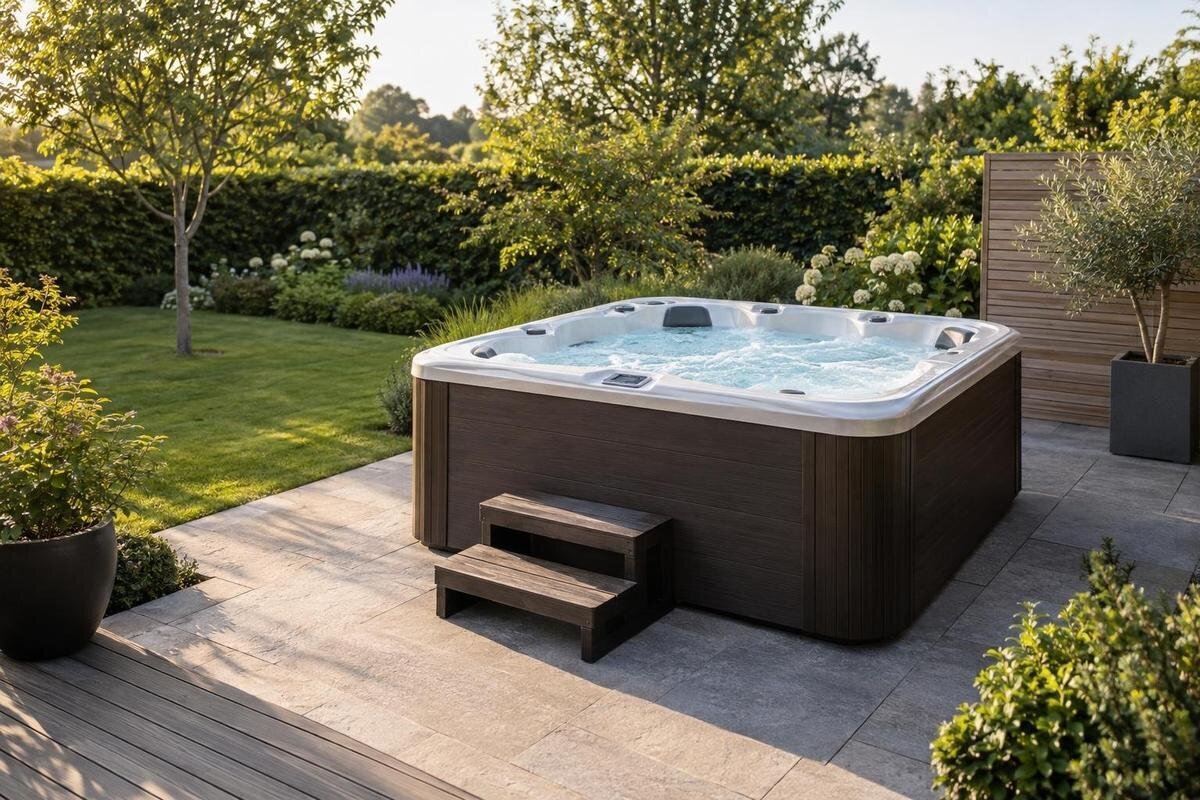
Site preparation
Before choosing a hot tub for a property in Malta, treat permission as a question about the complete proposal, not just the product. The tub’s position, any supporting work, a shelter or deck, changes to services and the property’s existing permissions can all affect what you need to ask. Planning clearance is also separate from a landlord’s agreement or a decision about shared property. Describe the location and every part of the work to Malta’s Planning Authority and the people responsible for the property, then wait for the relevant answers before committing.
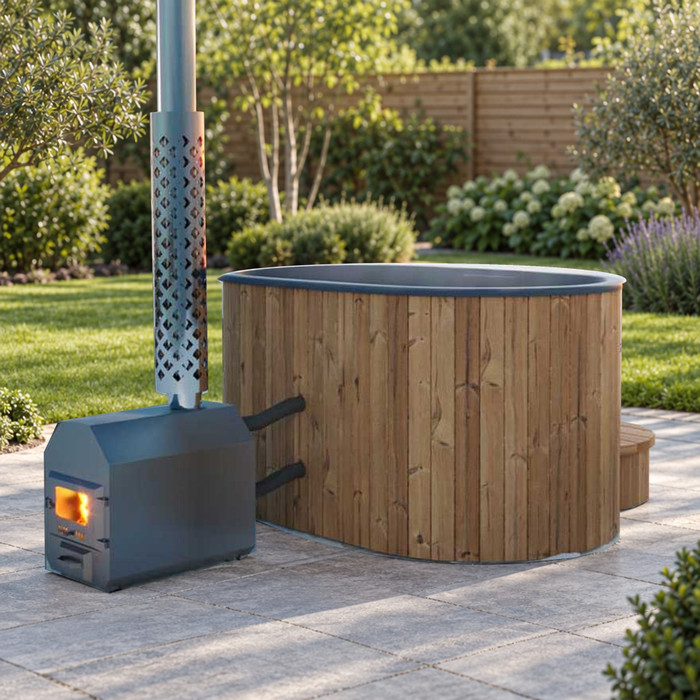
Describe the complete installation
Write down the installation you are actually considering before asking about permission. Give the property’s address, the exact part of it you have in mind—such as a garden, courtyard, terrace or roof area—and whether you own, rent or share it. Describe what is already there and what would change. If you know of existing planning decisions or conditions for the building or site, mention them and ask the Planning Authority what further information it needs. If you have two possible locations, identify them separately; advice about one position should not be treated as an answer for the other.
List the tub and each related element rather than describing the whole job simply as a hot tub installation. Include any base or platform, added deck, screening, canopy or enclosure, and proposed changes to the building or services. If you are considering Bloomcabin Hot Tub Cove 2, identify it by name and request current product information from the seller for your enquiry. Keep the product description separate from the proposed site works: the tub’s specifications will not describe a deck or shelter designed for your property. Mark undecided details as provisional so the Authority can explain which facts affect its answer. A simple description with clearly labelled uncertainties is more useful than a seemingly complete proposal based on guesses. Keep a copy of this first version so you can identify what changes as you refine the project.
Check Malta’s current planning guidance
Start with the Malta Planning Authority’s current planning information, application procedures and published material on exemptions or other routes. Use its official website or contact channels rather than relying on an old discussion, a neighbour’s experience or a seller’s general assurance. A previous garden project may have involved a different site, property status or scope of work. If published guidance does not answer your question, ask the Authority to apply the current framework to your address and precise proposal; do not turn a general example into a rule for your home.
Ask the Authority to state the route in its current official terminology: whether the proposed works need planning permission, qualify for an exemption or must follow another procedure, and what conditions or exclusions apply. Establish whether the response is general guidance or a decision on the proposal you submitted. Ask which documents are needed and whether a formal application is necessary to settle the position. If you are considering Bloomcabin hot tub Haven 6, explain that it is your candidate model, not an installation already cleared for the property. Ask whether any existing planning condition or site designation is relevant. Where guidance refers to a particular category of work, ask why that category applies to your proposal rather than choosing the closest-sounding description yourself. Record the terminology used so any follow-up enquiry addresses the same procedure.
Do not assume that a tub is exempt
Do not infer a planning exemption from the fact that a tub is described as portable, can be moved later or sits outdoors without a permanent room. Those descriptions do not establish how the full proposal is treated at a particular address. Nor should you assume that every outdoor tub needs the same permission. Ask the Planning Authority what rule applies to the tub itself and to any work required to install it. Raise the question before choosing a location on the strength of an unverified claim that the installation is exempt.
If the Authority identifies an exemption or simplified route, ask for its current official name and the exact limits that matter. Check whether it covers the tub only or also any related structures and service changes, and whether property-specific conditions or designations exclude your proposal. Ask how to keep evidence that the conditions were met. When considering Bloomcabin Hot Tub Fjord 8, compare the information requested by the Authority with the confirmed details available for that model. If a relevant detail is missing, leave the exemption question open until it can be supplied; a catalogue name is not enough to resolve it. Also distinguish an answer that confirms your proposal meets the stated conditions from one that merely explains those conditions. If the reply remains conditional or unclear, ask what formal step will resolve the uncertainty before work starts.
Assess a deck, shelter or enclosure separately
Treat a shelter, deck or enclosure as a separate planning question until the Authority tells you otherwise. A pergola or canopy, fixed screen, enclosure, new raised deck or extension to paving may change the built or visible part of the proposal, even if you regard it as an accessory to the tub. Work on a roof terrace or outside wall also needs to be described explicitly. Do not assume that a commonly used garden structure is automatically permitted, or that an answer about the tub includes every addition.
Send a sketch or annotated photographs showing existing and proposed features, and provide the proposed dimensions of any new structure when known. Describe whether each item already exists, is freestanding or would be attached; these are facts for the Authority to assess, not a test to apply yourself. Ask whether the tub and accessory are considered together, need separate assessment or follow different procedures. If you are reviewing Bloomcabin hot tub Aurora 10, show its proposed position separately from the outline of any deck, canopy or enclosure. This makes clear which part of the plan describes the product and which part describes additional work. If a shelter or deck is optional, label it accordingly and ask whether omitting it would change the planning response. Do not present an accessory as existing merely because you intend to install it before the tub.
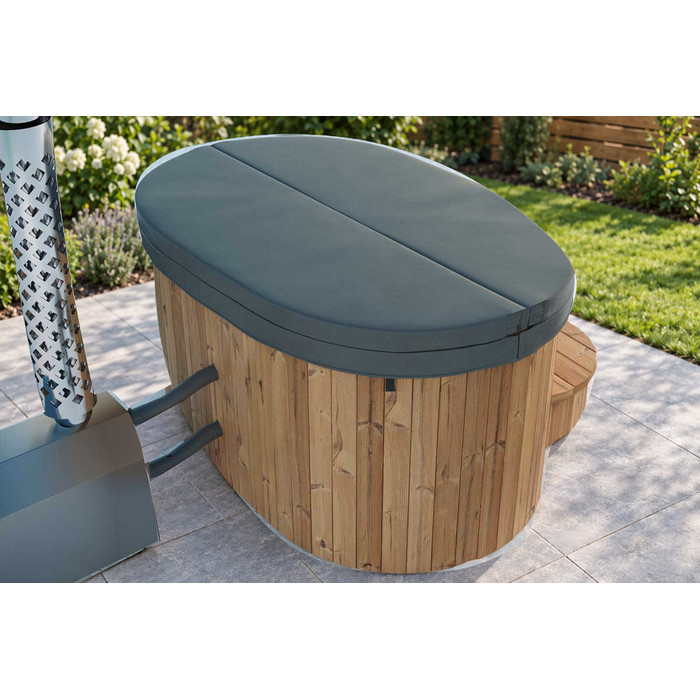
Get landlord consent for rented property
Planning clearance and private permission are different checks. If you rent, read the lease for terms about installations, alterations, gardens or terraces, and reinstating the property. Ask the landlord or properly authorised agent for written consent to the complete proposal, not a vague approval of a tub. Give them the same description sent to the Planning Authority, including any platform, enclosure or service changes. A clear record should identify the agreed location and work, any conditions, who arranges it and what happens if the tenancy ends.
Check who has authority to agree: a letting agent may manage the tenancy but may not be able to approve every alteration. If the lease sets out a request or approval process, follow it before placing an order. Use the Bloomcabin Hot Tub Cove 2 listing to identify the product in your request, alongside the location and proposed work. Ask for any conditions of consent to be recorded clearly, particularly where they concern alterations, responsibility for the work or reinstatement at the end of the tenancy. If the landlord agrees only to part of the proposal, revise the description so there is no ambiguity about what remains excluded. Landlord consent does not settle the planning question, and planning permission does not replace the landlord’s agreement. Keep both records, with the proposal each one refers to, rather than relying on a general message saying that a hot tub is acceptable.
Check consent for shared property
In a flat or shared building, establish whether the area is privately owned, assigned for exclusive use or part of common property before seeking consent. A courtyard, roof or terrace may be available to one occupier without giving that person authority to alter the building or common services. Check the title or purchase documents, lease, condominium or management rules and any written building procedures. Ask the administrator, owners’ association or other named decision-maker who can approve the proposed work. Do not rely on an informal nod from a neighbour where shared property, the exterior or a common route is involved.
Ask what process applies under the property’s own arrangements. It might involve written consent from specified owners, a meeting or vote, permission from a manager or another step; do not assume which one is required. When discussing the Bloomcabin hot tub Haven 6 listing with a building manager, explain the proposed location and identify any common area, exterior feature or shared service included in the work. Ask whether the person handling your request can make the decision or must refer it to someone else. Keep the request and response together, including any conditions or parts of the proposal that were not agreed. This avoids treating consent for the use of an area as consent for every alteration shown in the plan. Check that the version considered under the building’s arrangements matches the version presented to the Planning Authority.
Separate planning from service and building approvals
Look beyond the tub if the project includes a change to a wall, roof, paving, platform, drainage, water supply or electrical service. This guide does not determine which permission or technical approval any such work requires. Ask the Planning Authority whether its planning response covers each item and whether you should also consult another authority, the relevant service provider, the building manager or a qualified local professional. If shared infrastructure or a public asset could be affected, first establish who controls it. Planning advice may not give permission to alter a service or building element owned or managed by someone else.
Make an itemised description of the work and ask who is responsible for each approval, rather than asking only whether a hot tub is allowed. For a model on your shortlist, such as the one shown in the Bloomcabin Hot Tub Fjord 8 listing, request current product and installation documents from the supplier. Share the relevant confirmed information with the professional assessing each part of the work. Keep their questions specific: which work is being considered, who controls the affected building element or service, and whose agreement remains outstanding? Do not infer connections or construction requirements from a model name. If the Authority refers you to another body or procedure, note the referral against the relevant item in your description. Ask whether that response needs to be coordinated with the planning process, so one unresolved element is not overlooked when the rest of the proposal progresses.
What to include in an enquiry to the Planning Authority
A written enquiry is easier to answer when it includes the basic facts. Provide the property address through the Planning Authority’s official contact process, indicate whether you own or rent, and attach photographs or a simple plan showing the proposed position. Separate existing features from proposed changes, including the base, deck, shelter, screening and any service work. Mention previous planning references or known conditions if available. If the model or design is not final, say so and flag what remains undecided; do not fill gaps with assumed dimensions or a guessed construction method.
Organise your questions around the decisions you need: which procedure applies, which elements it covers, what conditions or exclusions matter, and what information is still missing. For a candidate shown in the Bloomcabin hot tub Aurora 10 listing, provide confirmed supplier details relevant to those questions rather than relying on the product name or photograph. Ask the Authority to distinguish its answer about the tub from its answer about each associated work. If an informal response cannot settle the issue, ask what formal process is needed and check the current application instructions and fees through official channels. Keep the reply with the material sent. For a follow-up enquiry, refer to the earlier correspondence and identify the specific point you need clarified; resending a changed plan without explaining the changes can leave uncertainty about which version the response addresses.
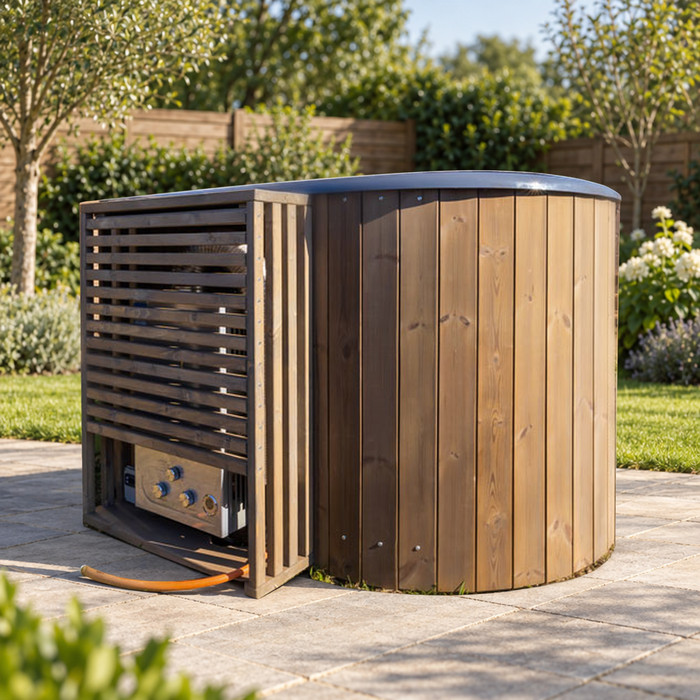
Resolve permission questions before ordering
Resolve the planning position before committing to a purchase, rather than leaving it until after delivery. If the Authority has not answered, its reply is conditional, or it has referred you to a formal procedure, do not read that as approval to proceed. Ask what remains outstanding and which step will resolve it. A response about a tub alone may not cover a deck or service alteration added later. Before paying or booking related work, make sure the proposed position and full set of changes match the version actually assessed.
Once you understand the likely route, compare candidate models using confirmed product information for the exact model, then send any material changes back for review. Do not use digits in a model name to infer size or capacity, or assume a product is suitable for a location from its photograph. Check the seller’s order terms before committing, but do not treat a return or cancellation policy as a substitute for planning clearance. If you have not chosen a model, you can ask about the location and work first, then return with exact details before making a final commitment.
Keep the final proposal aligned with the decision
Keep a dated file for the project: your enquiry, photographs or plans, product documents, the Planning Authority’s response or formal decision, and any landlord or shared-property consent. Record any conditions and exactly which features were considered. Before work starts, compare the final arrangement with the proposal assessed. A different position, new screen, revised deck or changed service work can make the earlier answer incomplete; ask the Authority and property decision-maker whether it still applies rather than deciding that a change is too small to matter.
If the proposal includes structural alterations, affects a shared building or involves a site designation or existing planning condition, ask the Authority who else should be involved. A local architect or planning professional can help prepare an application or describe the site, but that advice does not replace any official decision or private consent that is required. The aim is to keep the site, tub, associated work and approvals aligned, so the model is ordered only when its proposed installation is understood.
Frequently asked questions
Does a portable hot tub automatically avoid planning permission in Malta?
No. Being movable or described as portable does not, by itself, settle the planning position for a particular property. Ask Malta’s Planning Authority about the tub, its exact location and any associated work, and confirm whether an exemption or another procedure applies.
Is landlord consent enough to install a hot tub?
It addresses the private agreement with the property owner, not the planning question. Check the lease and obtain written consent for the full proposal, then ask the Planning Authority whether its current rules require permission or another procedure. One answer does not replace the other.
Will a deck or shelter be assessed with the hot tub?
The Authority may need to consider those works separately or as part of the overall proposal. Do not assume that an answer about the tub covers a deck, canopy, screen or enclosure. Describe each element and ask which procedure applies to each.
Can I order a hot tub while the planning position is unclear?
You can identify a model for an enquiry, but it is safer to delay a financial commitment until you understand the applicable route and have checked property consent. If the proposed model or associated work changes, ask whether the advice you received still covers the revised plan.
Who should I contact about a hot tub in a shared building?
Ask the Planning Authority about planning matters and the person or body responsible for the building about shared-property consent. Check the property documents to identify the right decision-maker. If the proposal also affects a service or structure, ask who else should be consulted.
There is no reliable blanket answer based only on a hot tub’s name or the fact that it can be moved. The planning position depends on the proposal the Authority is asked to assess, while landlord, lease and shared-property consent follow separate routes. Confirm the current procedure for the exact location and related work, and make sure the final approvals still match the installation you intend to buy.
