
Furnishing Ideas for a 6–9 m² Garden Shed
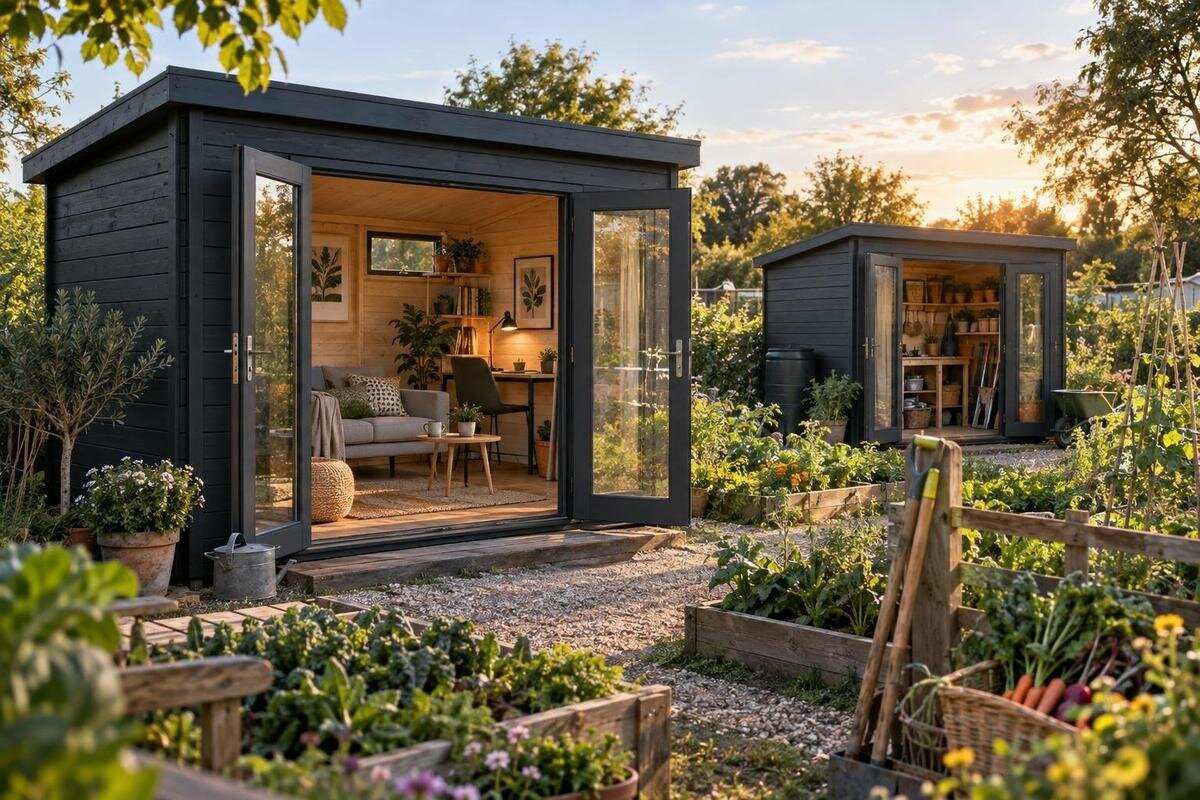
Garden shed furnishing guide
A 6–9 m² garden shed leaves little room for furniture chosen by eye. A worktop, chair, storage unit and the space needed to open a door all draw on the same floor. The most useful layout is not the one with the greatest number of items; it is the one that lets you reach and use the essentials. Decide what the shed must do, measure the actual interior and openings, then test the full footprints of furniture before ordering. The ideas below focus on fit, access and the product details that shape a purchase decision.
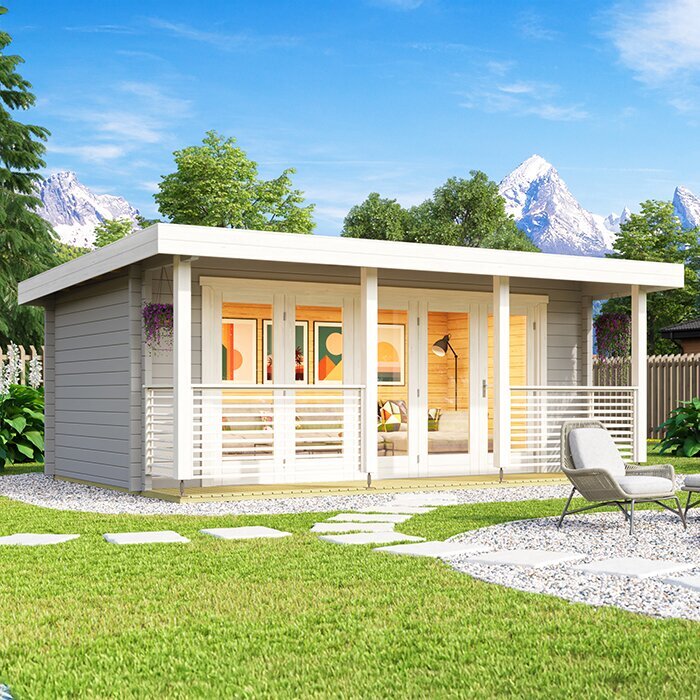
Decide what the shed needs to do
Before choosing a table or cupboard, decide what the shed must do most of the time. List the activities it needs to support and separate regular tasks from occasional ones. A potting or hobby space may need a usable worktop and nearby supplies; a storage-led room needs easy access to the items you retrieve often; seating calls for enough room to sit down and stand up, not just a place to position a chair. Several uses can coexist, but each added activity takes space from another. A clear priority makes it easier to reject furniture that looks useful but has no practical place. It also helps you decide which items must remain permanently accessible and which can be brought in only when required.
List the largest objects first, with their width and depth, then note what has to sit beside them: a chair, a container, materials or equipment used for the task. Include items that need to stay within reach, but do not buy storage for things you have not decided to keep there. Think through a typical visit: what do you carry in, where do you set it down, and what needs moving afterwards? If the Verdana 1 garden shed is on your shortlist, compare the information provided for that model with your list. A name or photograph alone cannot confirm that your planned arrangement will fit.
Measure the interior, not just the stated area
The 6–9 m² figure is a useful guide, but it does not show the room’s proportions or clear floor. Two interiors with the same stated area may have different widths and lengths, affecting where a desk, shelves or seating can go. Check whether the measurements refer to the inside or outside: furniture decisions depend on the interior dimensions, while outside measurements help you judge the shed’s footprint in the garden. Note recesses and fixed features that interrupt a wall or floor run. A headline area on its own cannot guarantee that a particular table or storage unit will fit. Record the usable length of each wall as well, because a long wall may be interrupted by an opening or corner.
Draw a simple plan and keep internal and external measurements separate. A graph-paper sketch or scale plan can make it easier to compare the room with furniture footprints. If dimensions are missing, ambiguous or shown in a drawing without a scale, ask for clarification before choosing furniture. When considering the Verdana 2 garden shed, use only the information provided for that specific model rather than carrying measurements over from another listing. Record which dimensions are confirmed; a sketch helps you plan, but the actual measurements are what matter before ordering.
Map the entrance and openings before placing furniture
An empty floor plan can look roomy until you add the entrance. Mark its position and show how much space the opening takes. For a hinged door, include the swing; for another opening arrangement, allow room to operate it and bring in larger objects. Note windows, handles, sills and other fixed features if they limit where a tall or deep piece can stand. These details may rule out a wall for a table or shelving before you buy. Check the opening information for the chosen shed, and ask if its position or dimensions are unclear rather than planning around an assumption.
Draw a route from the entrance to the main activity and the items you use most. Place the largest furniture around that route, then test the plan with cardboard or masking tape on a floor. Try entering, reaching the intended work area and accessing storage without moving a piece each time. Include any turn needed after entering, particularly when carrying boxes, tools or supplies. When reviewing the Durano garden shed, check the details stated for that model and ask about anything you need for the layout that is not clear. Do not assume that a product image shows the full usable floor or the space required to operate an opening.
Measure furniture in use, not only when closed
For each piece, record its width and depth, then consider what happens when it is being used. A chair needs room to move away from a table; drawers and cupboard doors need space to open; an extending surface takes up more floor than it does when closed. If the seller gives dimensions only for the furniture in its stored position, ask for its full size when open. Leave room for the objects you use on a worktop too, rather than measuring the furniture alone. Also account for any bins, baskets or portable equipment that are normally placed beside the furniture during use.
Test the largest footprints first, since they have the greatest effect on the remaining layout. A narrow unit may fit against a wall but still block a passage when its door opens; a chair pushed under a table may leave too little room to use it comfortably. Compare the interior measurements for the Veltor 1 garden shed with the full footprints on your plan, including the space needed to reach and open each item. Do not rely on a product name to tell you whether the arrangement will work.
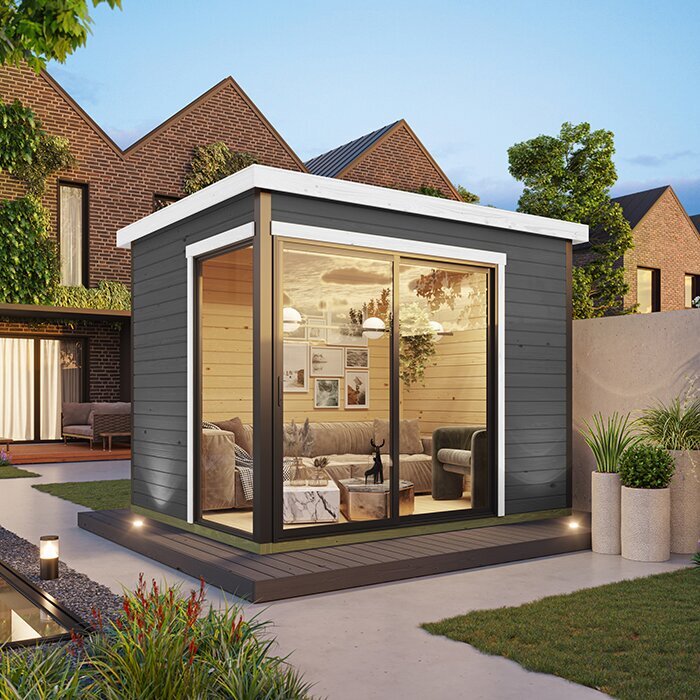
Position a work surface for the task
If the shed will be used for a practical task, choose a work surface to suit what happens on it. Measure the width and depth you need for the activity, including containers or materials that stay on the top. A deeper surface can take more floor space and push a chair into the route, so compare depth as well as width. Placing the long side against a wall may preserve more open floor, but only if the entrance, windows and any other fixed features leave that position usable.
Mark the chair or stool in its working position and make sure there is room to sit, stand and reach the items you use regularly. Decide whether supplies belong on the surface, beside it or in separate storage; this affects the footprint of the whole work area. Consider where unfinished work can be left without preventing access to the entrance or storage. Before assigning a worktop to a wall in the Orello 1 listing, check the internal measurements and opening information given for that model. If the listing does not provide the details your plan depends on, get them before ordering rather than basing the layout on an image.
Match storage furniture to its contents
Choose shelves, drawers or a cupboard around the objects you actually need to store. Measure the longest or bulkiest items, and check whether lids, handles or drawers need extra room to open. Frequently used supplies should be easy to reach; items used only occasionally can be placed further away if the arrangement still works for you. A unit’s outside dimensions do not tell you how much room its contents require, so consider both the unit and the way you will access it. Grouping similar items before selecting storage can reveal whether open shelves, enclosed storage or smaller movable containers make better use of the available space.
Storage also uses space while it is being opened and filled. Keep doors, windows and the main route accessible, and make sure shelves do not occupy the wall space needed for other furniture. Do not assume a wall can support a particular shelf or fixing: check the furniture maker’s guidance and consult a qualified installer if the wall or fixing method needs assessment. If the Modano 1 garden shed is among your options, compare its stated dimensions with the storage furniture you intend to bring in before deciding how much shelving or cupboard space to plan.
Allow space for seating while it is occupied
A seat takes up more room in use than its outline suggests. Allow for pulling a chair back, getting into position and standing up again. A stool may be easier to move than a chair with a back, but it still needs a place when it is not being used. If seating is part of a work area, include the table and the seated position together on your plan; measuring them as separate objects can make the layout seem roomier than it will be.
If more than one person may use the shed at the same time, draw both seats in place and check that neither blocks the entrance or the main activity. Consider how the seats will be kept when they are not needed, rather than leaving them in the route. Test whether someone can leave their seat while another person is working or retrieving an item. When reviewing Wooden Garden Shed M, compare the stated measurements with a plan that shows seating in use. A product image is not a substitute for checking dimensions, and furniture shown in a picture should not be assumed to be included.
Use folding and multi-purpose pieces selectively
Folding, nesting or stackable furniture can make a layout more adaptable when a piece is needed only now and then. Its folded or stacked position still occupies space, however, and it needs to be easy to move without blocking access. Decide where it will be stored before buying it. If you expect to fold and unfold a table often, check that the process fits your routine and that there is room to do it without shifting other furniture each time.
A bench with storage or a table with drawers can serve more than one purpose, but combined functions do not automatically save space. Check the full dimensions, how each part opens and whether the storage suits the items you plan to keep in it. Consider whether accessing one function prevents use of the other at the same time. For wall-mounted or load-bearing furniture, confirm suitability with the supplier or a qualified installer rather than assuming the shed wall will support it. Use the same checks when comparing Wooden Garden Storage Shed S: its product details, not the title alone, must show whether your intended furniture plan is possible.
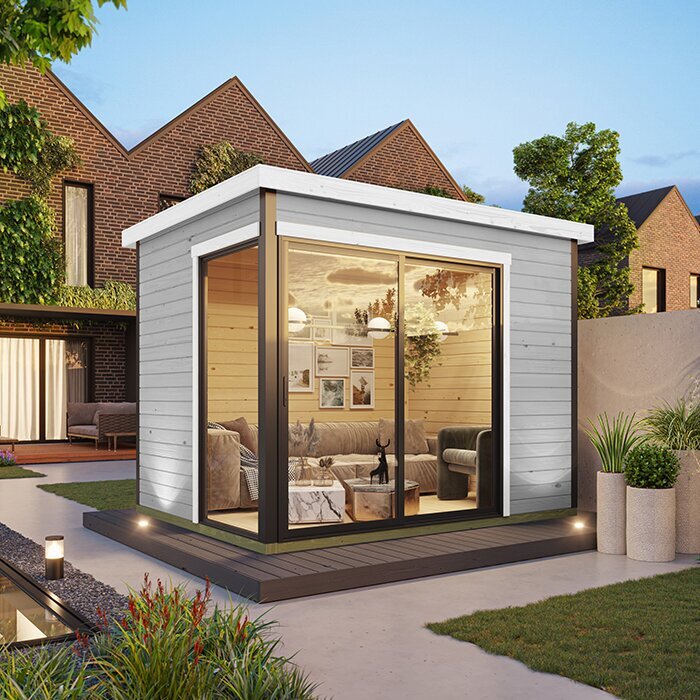
Verify the listing before you place an order
Before choosing a shed, bring the measurements and layout information together in one comparison note. Check the internal and external dimensions, the position of openings and any details that affect where furniture can stand. Read what the listing says is included, including whether pictured furniture is part of the purchase, and look for the assembly and product information that affects your plans. If the area basis, opening position or another important detail is not clear, ask the seller before ordering. Consistent information makes it easier to compare options without relying on photographs or assumptions. Keeping questions beside each model prevents an unconfirmed measurement from being mistaken for a fact when you compare shortlisted options.
Consider how the shed and its contents will reach the intended location. Measure narrow gates, paths or turns that may affect access, and check the seller’s current delivery, access and assembly information rather than assuming it is the same for every product. Read the relevant terms for returns or changes before buying, especially if your plan depends on a precise fit. If a base, wall fixing or other site detail needs professional assessment, confirm the requirements with the supplier and a qualified professional before proceeding.
Stage purchases around the largest essentials
Set priorities before filling the room. Decide which furniture is essential from the start and which can wait until you have tested the layout. The largest or least movable pieces usually have the greatest effect on where everything else can go, so use their measured footprints when comparing options. Allow for necessary storage and accessories only after checking what the shed listing includes. If furniture has care or maintenance requirements, read the maker’s information and consider whether it suits the conditions where you intend to use it.
Before ordering smaller pieces, lay out the plan again with the selected large items and check the entrance, route and openings. Once the shed is ready, use full-size templates or the actual furniture to test positions before adding more. A staged approach can prevent a spare chair or extra cupboard from taking the place of something the main activity needs. It also gives you time to notice which supplies are used often and which do not need permanent storage indoors. Keep the measurements and product information together, so that later choices are based on the usable space you have rather than on a general area figure.
Frequently asked questions
How much furniture fits in a 6–9 m² garden shed?
There is no fixed number of pieces: the interior shape, entrance position and space each item needs when in use all affect the layout. Measure the largest furniture and its working area, then test the arrangement on a plan. Keep a usable route to the main activity, and do not count the space taken by an open cupboard or pulled-out chair as spare floor.
Should I plan from the stated floor area or the internal dimensions?
Use the internal dimensions to judge whether furniture will fit. A stated area does not show the room’s proportions or where its openings are, and outside measurements include space that is not usable indoors. If the listing does not make clear which measurements it gives, ask for clarification before buying furniture.
Which furniture should I choose first?
Begin with the largest item that is essential to the shed’s main use, such as a worktop or storage unit. Include its full footprint and the room needed to use it, then plan smaller pieces around it. This helps prevent a chair, container or extra shelf from blocking the main task.
Is folding furniture a good choice for a small shed?
It can be useful when the furniture is needed only occasionally, but it still needs a place when folded and room to open safely. Measure both positions and check how it will be stored. For a wall-mounted piece, confirm that the wall and fixing method are suitable with the supplier or a qualified installer.
How can I tell if a garden shed listing suits my furniture plan?
Compare the listing’s stated internal dimensions and opening positions with a measured floor plan of your furniture. Check what is included and whether the published information is clear enough to plan from. A model name or product image alone does not confirm that your furniture will fit; ask the seller about any missing details.
Furnishing a 6–9 m² garden shed works best when every piece has a clear purpose and a measured place. Start with the main activity, plan around the largest items and include the room needed to open, reach and move around them. Then check the specific shed dimensions and listing details before ordering. This makes it easier to choose a useful combination of work surface, seating and storage without assuming that a headline area tells the whole story.
