
Garden Shed Lighting: Plan Task and Ambient Lighting
Garden shed planning
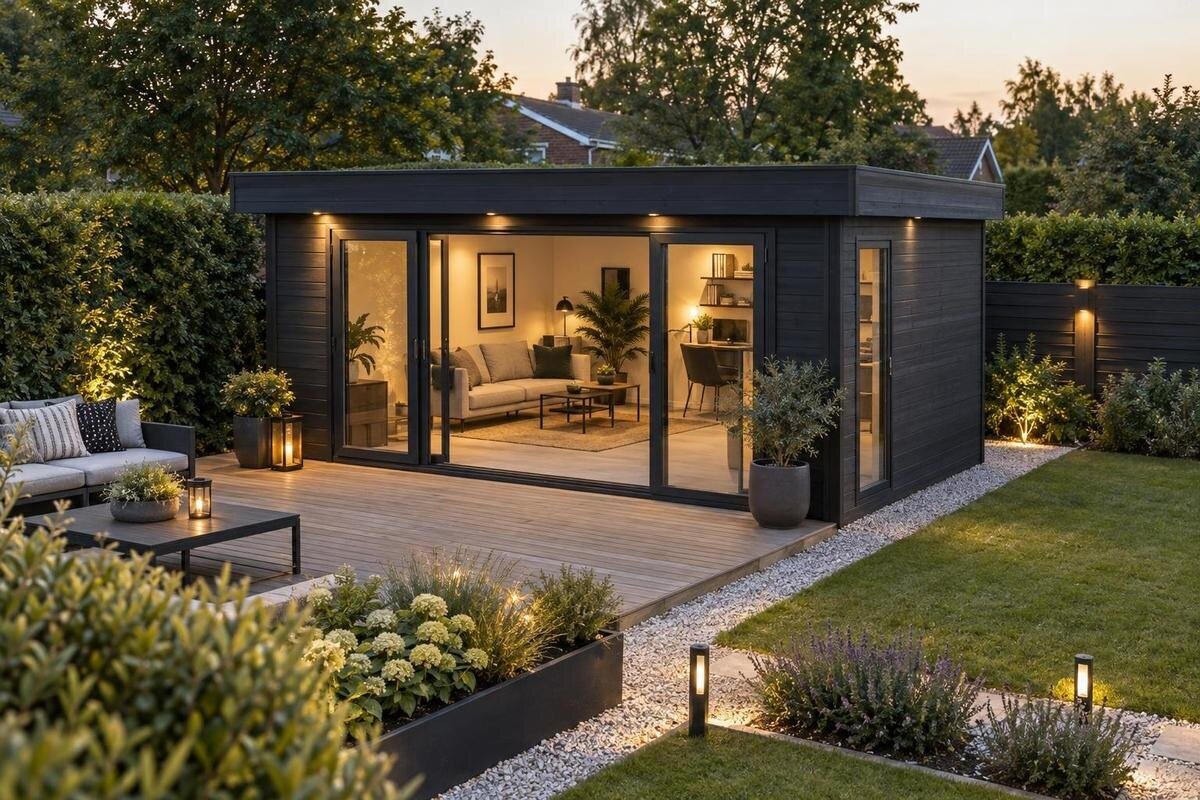
Good garden shed lighting starts with a plan of the room, not a shopping list of lamps. Decide what you will do inside, mark work surfaces and storage, then combine focused task lighting with softer ambient light for moving around. A useful layout also takes account of daylight, obstructions, controls and how power can be supplied safely. If you are choosing a garden shed at the same time, check its dimensions and openings before ordering; the lighting plan should fit the actual building rather than an imagined one.
Map the shed around its intended use
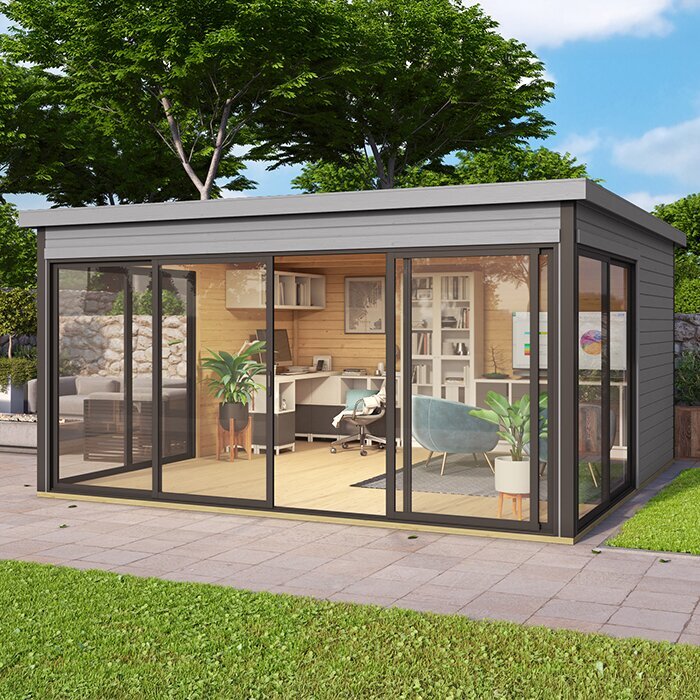
List the activities the shed will actually support: finding stored items, sorting tools, potting, making repairs or using a workbench for close-up tasks. Each calls for a different spread of light. General movement may need a broad view of the room, while reading labels or handling small components calls for more concentrated light near the surface. Note which activities happen regularly, which take place after sunset and which can wait for daylight. This prevents an occasional job from dictating the whole arrangement and gives you a practical basis for comparing options.
Sketch the floor area and mark the entrance, proposed work surfaces and storage. Add the route you will take between them, since a light that works at the bench may not help you see a shelf or reach the exit. A simple drawing is enough to compare ideas, but it should use confirmed measurements. Add a comparison row for Verdana 1 garden shed and enter only details confirmed in the product information or by the seller; leave unknown internal dimensions blank until they are checked. A product photograph is not a scale plan. Show the likely depth of shelving and the footprint of bulky equipment as well. This helps distinguish a clear walkway from an area that merely looks open before the shed is in use, and it may change where general light is most useful.
Check daylight before planning electric lights
Mark any doors or windows shown in the confirmed details for the shed you are considering. Their positions affect where daylight falls, but daylight is not constant: it changes over the day and with the weather. A bright patch near an opening can sit beside a darker work area, and direct light can make it harder to see a surface clearly. Observe the intended site at the times you expect to use the building rather than assuming a catalogue image represents its surroundings.
When reviewing a candidate such as Verdana 2 garden shed, use only confirmed opening positions on your sketch. If the details do not show where openings are, ask before deciding where a bench or light should go. Mark where sunlight and shade appear during likely working hours, then note which tasks would still need dependable light. This does not need to be a technical survey: a few observations can show whether daylight is a useful supplement or something you should not rely on for regular work. Include nearby trees, walls and garden features that may alter light at different times of year. Their effect can be especially relevant when the shed is used in the morning or late afternoon, rather than only during the brightest part of the day.
Put task lighting at work areas
Task lighting belongs close to the activity it serves. A bench used for repairs may need a focused light over the work surface, while occasional sorting or potting may call for a more flexible arrangement. Decide where your hands, tools and materials will be before choosing a fitting. Consider how your posture affects the light: if your body or arm blocks it and casts a shadow across the job, the position may need to change. Avoid choosing a light solely because it looks suitable in a product photograph.
Compare the maker’s information for the proposed fittings, including their light spread and any details relevant to the work you do. A narrow beam may suit one small area but leave its edges dark; broader coverage may be more useful for a larger surface. Before settling on a bench layout around Durano garden shed, check confirmed internal measurements rather than inferring working room from an exterior image. Keep enough clear space for the task itself, then mark proposed light positions for an electrician or installer to assess. Also consider where frequently used tools, boxes and materials will sit while you work. A surface that is clear on a drawing can become crowded in practice, so identify the part of the bench where close work normally takes place.
Use ambient light for the rest of the shed
Ambient lighting provides general visibility when you enter, move between areas or look for stored items away from the workbench. Its purpose is different from a concentrated task light: it should make the overall layout easier to read, including the route from the entrance to the main storage or work areas. Consider whether shelves, stored equipment or partitions could leave parts of the room poorly lit. A single bright spot can still leave the rest of the shed difficult to navigate.
Think about how the general light will work alongside task lighting, rather than treating either as a substitute for the other. The aim is useful, even coverage without unnecessary brightness at every point. For Veltor garden shed, as for any shortlisted model, check confirmed internal dimensions and opening positions before deciding where ambient light might be blocked. If the listing does not provide the detail you need, ask the seller instead of assuming that a photograph reveals ceiling height or the available wall space. Consider the order in which you use the space too: entering with items in hand, finding storage and putting things away may require light in different places from the main work area. This keeps general lighting tied to everyday movement rather than to a single viewpoint.
Prevent glare and shadows
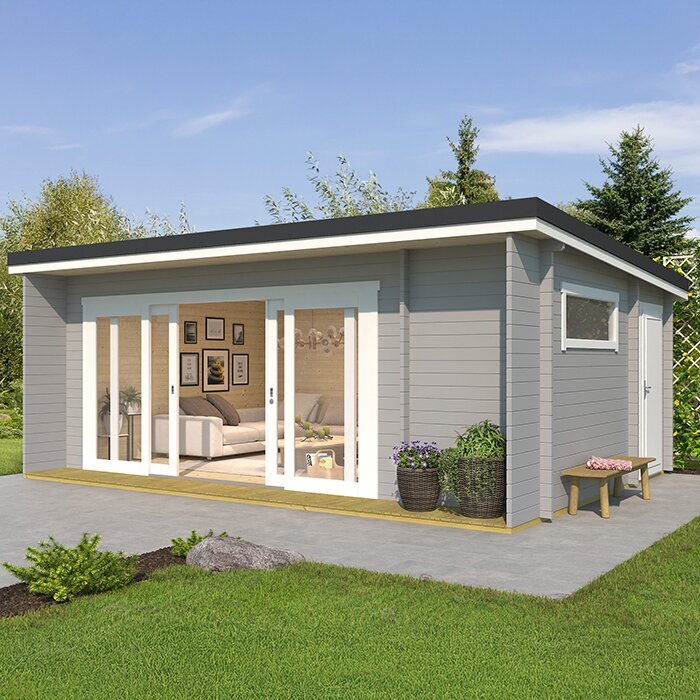
A light can be bright but still uncomfortable or unhelpful if it shines directly into your eyes or reflects from a glossy work surface. Check the view from the entrance, bench and usual standing positions, not just the position marked on the plan. Also consider how a task light, daylight and ambient light overlap: strong contrast between a lit surface and a dark background can make it harder to see details when you look up from your work. The placement of equipment and storage can change these sightlines.
Before you settle the layout for Orello garden shed, mark proposed fittings and work areas on the drawing, then check them against the confirmed room details. You can also use removable markers or a simple mock-up to test sightlines before any electrical work is planned. Include the path of a door and the space needed to reach shelves, so lights and their controls do not end up hidden behind stored items. Treat this as a planning check, not a substitute for a professional assessment of the fitting positions. Note surfaces that are likely to reflect light, such as pale storage boxes, metal tools or a polished bench top. Moving a task area slightly, or changing the direction from which light reaches it, can reduce distracting reflections without changing the shed’s overall layout.
Plan switches and lighting zones
Consider whether task and ambient lighting should operate separately. Separate controls let you choose the light needed for a particular activity instead of switching on every fitting at once. The value of this depends on how the shed will be used: a single simple area may need a straightforward arrangement, while a room with distinct work and storage zones may benefit from separate control. Decide what you want to switch on when you enter and which light you need while working at a bench.
Mark preferred control positions on the plan, including whether they will be easy to reach on arrival and during the main tasks. If you are considering dimming or other controls, check that the proposed fittings and controls are compatible; do not assume that a feature will work with every light. For Modano garden shed, use confirmed dimensions and layout information to identify any questions about access or proposed control positions. A qualified electrician can assess the control arrangement with the rest of the electrical plan. Think through ordinary routines, such as arriving after dark or leaving with both hands occupied. A control arrangement that makes sense on paper should also be simple to understand for anyone else using the shed, especially where separate lights serve different areas.
Decide how the shed will be powered
Before buying lighting, decide whether you expect fixed lights, portable lights or a combination. A garden-shed listing does not by itself confirm whether electrical provision or electrical work is included, so check what is supplied rather than making an assumption. If you want fixed lights or switches, ask a qualified electrician to assess the supply, proposed cable routes, controls and suitability of fittings for the actual site. Share your sketch and explain the tasks you have in mind; a request for one fitting alone may not describe what the space needs.
If you are considering rechargeable or battery-powered lights, compare the maker’s stated operating time and charging requirements with how often and for how long you expect to use them. Where you are considering a solar option, check the manufacturer’s information about its operating conditions rather than assuming it will suit the site. Keep these questions separate from the choice of building: for wooden garden shed M, confirm any electrical provision with the seller instead of inferring it from the listing name. Portable lighting also needs a planned place that will not obstruct the route through the shed. Consider where a portable light will be stored between uses and how you will avoid misplacing it when the shed is busy. This can be important for occasional evening tasks, when finding the light should not become the first difficulty.
Check fittings against the shed environment
A garden shed should not automatically be treated like a dry indoor room. Depending on the site and the way the building is used, dust, moisture or condensation may affect the area where a fitting is planned. Check the fitting manufacturer’s information for the conditions it is designed for, and ask a qualified electrician whether it is suitable for the actual location. Do not infer a fitting’s suitability from its appearance or assume that every indoor light is appropriate for a garden building.
Think about access for cleaning and routine maintenance as well as the light’s position. A fitting that is difficult to reach or regularly blocked by stored items may not suit the layout, even if its light reaches the work area. When comparing wooden garden storage shed S, use only confirmed product details and ask the supplier or installer about any uncertainty over a proposed mounting location. The right position depends on the particular building and fitting, so it should be assessed rather than guessed from a model name. Leave enough practical access around the proposed position for ordinary cleaning and for checking the fitting if it stops working. Avoid treating a high or concealed position as automatically better simply because it keeps the fitting out of the way.
Compare shed details before ordering
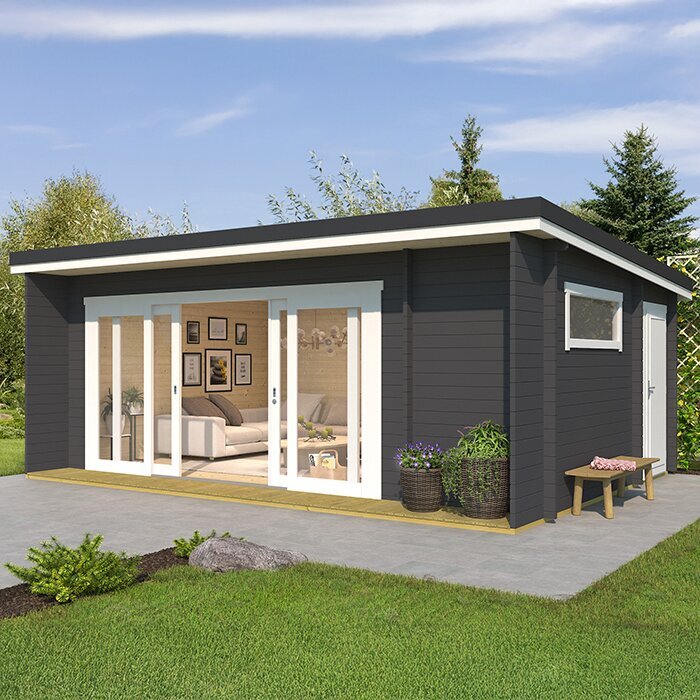
Use your lighting sketch as part of the buying comparison. Check the shed’s confirmed external dimensions and, where provided, its internal measurements; make sure you understand which is which. Look for reliable details about door and window positions, and compare them with your proposed workbench, storage and lighting zones. If a drawing or listing leaves an important point unclear, ask the seller before ordering. The layout must fit the building you are buying, not just the amount of space you expect from a photograph.
Keep the building and lighting requirements on the same checklist, but verify them separately. Confirm what is included with the shed and what would need a separate purchase or professional arrangement; do not assume that a light fitting, wiring or electrical work is part of the order. Record any answers about dimensions, openings and electrical provision alongside the product information. This makes it easier to spot a mismatch before committing and gives an electrician a clearer brief if you decide on fixed lighting. Use the same sketch for each model you compare, rather than drawing a fresh arrangement that quietly assumes more room. A consistent comparison makes it easier to see whether a preferred bench, storage run or clear route remains realistic in every option.
Review the layout for everyday use
Before finalising the plan, walk through each activity in order: enter, reach the storage, carry out the main task and leave the shed. Check whether a light would be blocked by a person, an open door or equipment placed where it is normally kept. Revisit the plan at the times you expect to use the building, including after dark if evening work is likely. This simple review can reveal that a light is aimed at the wrong surface or that a route needs more general coverage.
After any fixed lighting has been assessed and installed by a qualified professional, consider the layout during your normal tasks and raise any adjustment with them. Storage may change over time, so leave the plan flexible enough to accommodate items that could block a fitting or make a control awkward to reach. A useful final arrangement is one in which ambient light supports movement, task lighting helps with specific jobs, and neither gets in the way of the way you use the shed. Keep a note of the original layout when making later changes to shelving or furniture. This gives you a reference point if an area that was previously easy to use becomes shaded, obstructed or less convenient after the shed’s contents have changed.
Frequently asked questions
What is the difference between task lighting and ambient lighting?
Task lighting concentrates light where you carry out a particular job, such as a workbench. Ambient lighting provides a softer, more general level across the shed so you can move around and find things. Many layouts benefit from both.
Can daylight replace electric lighting in a garden shed?
Daylight may be enough for occasional daytime use, but it changes with the time of day, weather and any shade around the building. If you need reliable light for work or evening use, plan a separate lighting option.
Is one ceiling light enough?
It may be adequate for simple storage, depending on the shed’s layout and the tasks involved. A single fitting can leave a work surface or shelf in shadow, so check the proposed position against the actual room plan before deciding.
What should I check in a garden-shed listing before planning lights?
Look for confirmed dimensions and any available information about door and window positions. Check whether measurements refer to the inside or outside, and ask about details that are missing. Do not treat a product name or photograph as a scale plan.
Who should assess fixed wiring and light fittings?
Ask a qualified electrician to assess the proposed supply, controls, cable routes and fitting suitability for the actual site. Share your layout and intended uses so the advice relates to the shed you plan to buy and how you will use it.
A practical garden shed lighting plan follows the way you use the space: focused light for the jobs that need it and softer ambient light for moving around. Check daylight, storage and confirmed building details before ordering, and have a qualified electrician assess any fixed electrical arrangements. With those decisions connected, the shed and its lighting can be planned as one useful space.
