
Garden Shed or Storage Shed: What's the Difference?
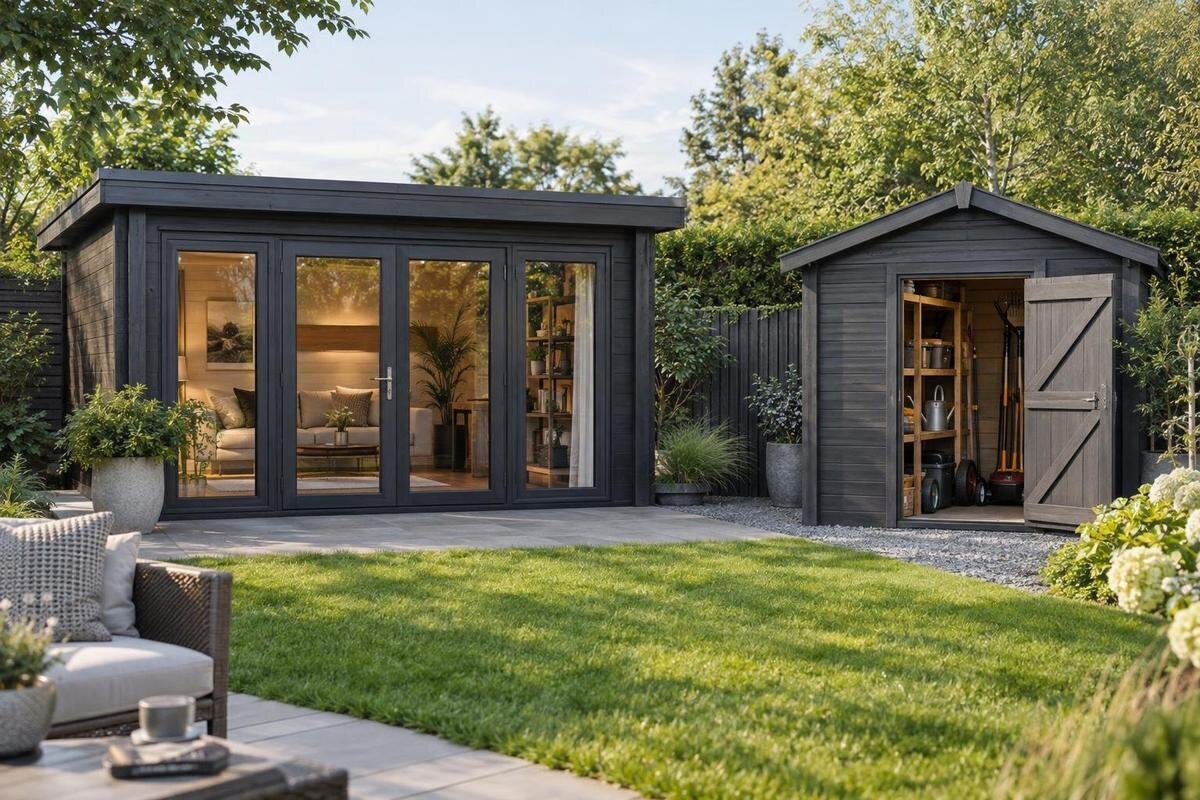
Garden shed buying guide
Choosing between a garden shed and a storage shed is less about two entirely separate building types than about what you need the building to do. In everyday listings, the labels can overlap: a garden shed may be used mainly for storage, while a storage shed is still a garden building. The useful distinction is the priority behind your plan. A hobby or leisure space needs room for people to spend time and carry out tasks; dedicated storage needs to keep belongings organised and easy to retrieve. That affects layout, access and the ground area worth setting aside. Compare the intended use first, then check whether a particular listing provides the details your plan depends on.
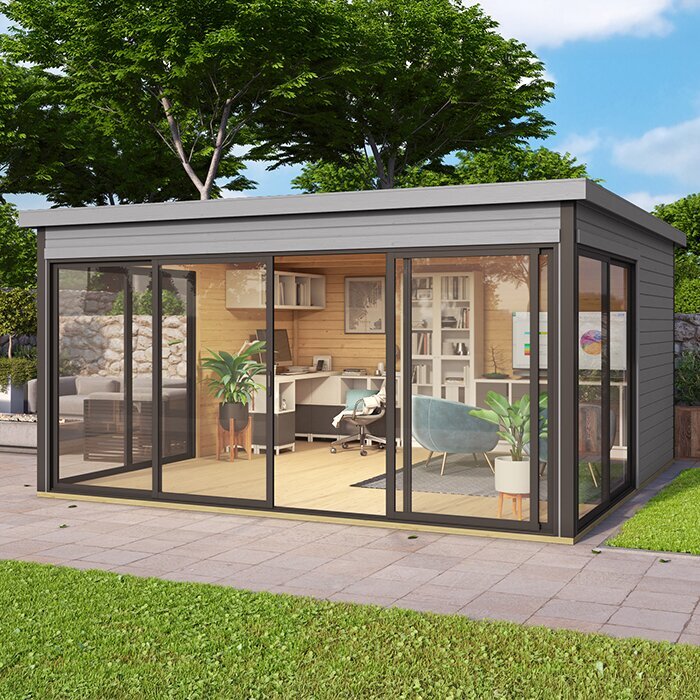
The difference is usually the intended use
The names describe a difference of emphasis rather than a fixed division. Garden shed is commonly used for an outdoor garden building as a category; storage shed foregrounds the job of keeping belongings. A garden shed can be chosen mainly for storage, and a storage shed remains a garden building. Retailers may also use garden house for a building intended to feel more like a room. Treat the title as a clue, not a specification: it cannot tell you the exact floor plan, level of comfort or included fittings. Those details have to come from the information for the individual model.
Two broad briefs make the difference clearer. A storage-first plan begins with the belongings: what needs a place, how bulky the items are, how often they are retrieved and whether their condition calls for particular protection. A hobby or leisure plan begins with the activity: who will use the space, what they will do and which tools or furniture need to stay set up. The priorities can overlap, but one usually drives the layout. The word house does not itself promise insulation, services or suitability for residential use, so base expectations on the stated details and your intended use.
List the items and activities first
Before comparing sizes, make an inventory of what you want to keep in the building and what you plan to do there. Note each item’s approximate height and length, whether it moves in and out often, and whether it is used seasonally. A long-handled tool, folded chair or bulky piece of equipment can affect access differently from small boxes. For a hobby, include the work surface, chair, materials and equipment that must remain ready to use. Separating fixed needs from occasional ones prevents a vague wish for extra room from becoming your only measure of size.
Rank the uses, too. If storage is the main job, decide what must be easy to reach and what can be put away less often. If you want to use the building for a hobby, note what must remain in place and how much open floor area the activity needs. For a combined plan, decide whether some belongings can be moved when the room is in use, or whether both uses need to work at the same time. This turns a general idea into a practical test for the layout and helps avoid buying space that does not solve your main problem.
Measure the footprint and usable floor area
Measure the area available on the ground before choosing a building. Record the maximum length and width it can occupy, then note the approach route and any space that needs to remain clear for access, assembly or maintenance. Compare those limits with the stated outside dimensions and site or base requirements for each option. Do not estimate a footprint from a photograph. If the space is close to a boundary or has other site constraints, confirm what applies before settling on a position. A building that fits on paper but leaves no workable way to reach its entrance may be a poor choice.
The outside footprint is not the same as clear interior floor area. Use stated internal measurements where available, then sketch the items, furniture and activity zone to scale. Mark the entrance and the space needed to open its door; show planned shelving or a work surface as well. If only the outside dimensions are given, do not guess how much room remains inside. Compare a listing such as Verdana 1 garden shed with your sketch using its written dimensions, not the model name or the perspective of an image.
Storage layout depends on access
A storage shed is useful only if you can get to what is inside. Group belongings by how often you use them: items needed regularly should not be trapped behind seasonal equipment. Leave room for bulky or long objects to pass through the entrance and be moved into position. Think about the order in which you would put things away, too. A layout that looks full on a drawing may leave no clear route to retrieve the item at the back, so count access space as part of the plan rather than treating every clear patch of floor as storage.
Decide whether you will use free-standing storage, shelves or another arrangement, and check what is included with a particular model instead of assuming fittings are supplied. Any planned storage system also needs to suit the building and the items placed on it; check the product information or ask if that is not clear. A listing such as Verdana 2 garden shed is one candidate to compare against your written storage plan. Its name alone cannot show what will fit or what storage fittings are included.
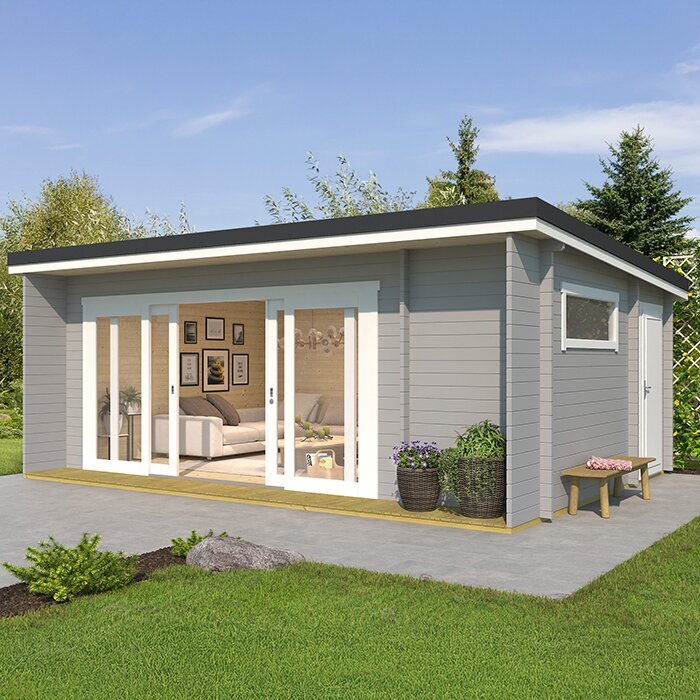
A hobby space needs room for the activity
For a hobby or leisure space, plan around the task rather than simply counting floor area. A craft activity may need a surface and room to move materials; a quiet place to sit needs a different arrangement. Mark the furniture or equipment that must stay in place, then check whether you can still move around it and reach the entrance. If more than one person may use the building, allow for their movement as well. These details help distinguish a space that can contain hobby equipment from one that can be used comfortably for the activity you have in mind.
Consider how often and for how long you expect to use the space. An occasional activity may allow some equipment to be packed away, while a regular hobby may work better if its main setup can remain ready. Decide which items can be moved and which need a permanent place before choosing a layout. If you are reviewing a named option such as Durano garden shed, read its written description for the stated configuration; do not assume from the name that it includes a ready-made leisure layout.
Check doors and openings against what must pass through
The entrance can determine whether the building works for storage or hobbies. Measure the widest and tallest item that must pass through, allowing for how it will be carried or manoeuvred. Check the stated clear opening, not just the overall size of the building. If the door opens outwards, account for the space its movement needs and check that it will not obstruct your route or planned use. For a hobby room, think about moving furniture and equipment in before the space is arranged; access can be harder to solve after the building is in place.
Openings also affect how you can arrange the inside. A window or doorway may mean less uninterrupted wall space for storage or a work surface, so compare their stated positions with your sketch. Product images can help you picture the appearance, but they are not a substitute for measurements or a written description of the configuration. When reviewing Veltor 1 garden shed, match any published opening details with the objects and route you have measured; ask for missing information before making a decision.
Choose a position that works for daily access
Think about the route between the building and the places where you will use or store its contents. A shed for frequently used tools may be more practical when the route is easy to follow; a hobby space needs an entrance you can reach without having to move stored items or garden equipment first. Consider how you will carry bulky belongings to and from the building and whether the approach remains usable for the intended routine. The best location is not necessarily the one with the shortest distance if reaching it means working around obstacles every time.
Also leave room for whatever access is needed during assembly and later maintenance, following the product guidance rather than guessing at a clearance. Check the ground and base requirements for the building and seek suitable professional advice if the site raises questions you cannot resolve from the instructions. Confirm any relevant site restrictions with the appropriate authority. Add a listing such as Orello 1 garden shed to your comparison only after establishing the available footprint, then check its stated dimensions against the site.
Check the specification against your intended use
A room-like appearance does not establish that a building has the features you need for longer hobby sessions. Write down the practical conditions your activity depends on, such as daylight, ventilation, a suitable floor or a particular amount of clear wall space. Then look for those details in the written product information. If a requirement is not specified, ask rather than treating a photograph or general category name as proof. This matters especially when the activity needs a stable arrangement of furniture or equipment that is difficult to change later.
Storage needs also vary with the belongings. Some items may require more protection from moisture or dust than others, so check what the product information says about the building’s construction and intended use before relying on it for them. Do not assume that every garden shed provides the same conditions. Use Modano 1 garden shed as another listing to assess against your requirements, not as evidence from its name or appearance that it offers a particular level of comfort or protection.
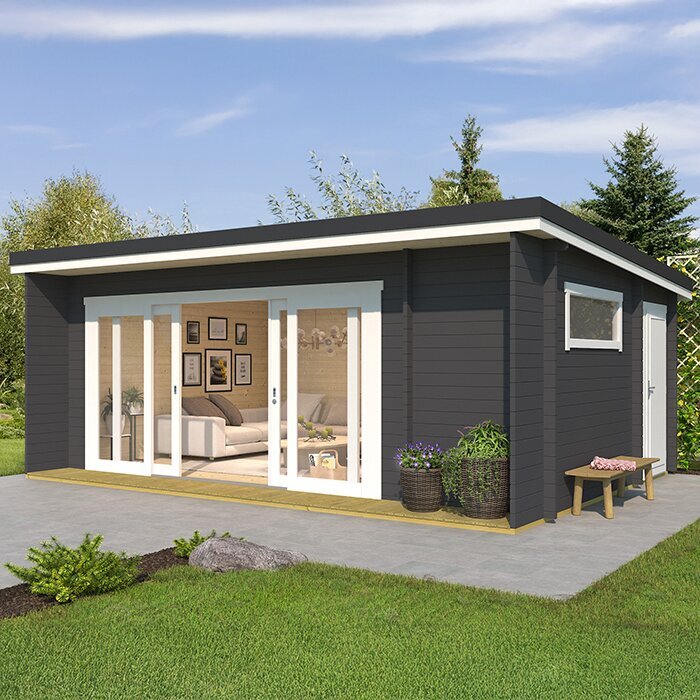
Compare what is included before placing an order
Compare product information line by line, not just by the broad category or model name. Check the stated outside and internal dimensions, door and window details, and which components are included. Note anything described as optional, as well as any base, assembly or maintenance requirements relevant to your plans. If a floor, storage fittings or other item matters to your layout, confirm whether it is part of the order or needs to be arranged separately. These checks let you compare like with like and reduce the chance of discovering that a key part of your plan was based on an assumption.
Before ordering, consider how the building will reach its intended position and what you need to arrange for assembly. Check the delivery and access information provided for the specific order, including any details that affect your route or site. If the product page does not answer a question that changes your choice, clarify it before proceeding. Keep a record of the exact model and any selected options so your order matches the version you compared. A listing such as wooden garden shed M should be assessed by what is actually documented and included, not by features that its name may suggest.
Choose a clear priority for a shared building
If the building will serve one purpose, let that purpose lead the comparison. For storage, focus on the belongings, retrieval and the usable arrangement they require. For hobbies or leisure, give priority to clear floor space, movement and the setup needed for the activity. If you need both, draw the two uses on the same plan and decide whether they can operate together or whether one will need to be moved aside. A mixed-use room that only works when everything is rearranged may not suit a routine that depends on quick access.
A name can help you identify the kind of listing you are reading, but it cannot settle the buying decision. For example, wooden garden storage shed S is a storage-oriented product name; the stated measurements and details still need to match your inventory and access plan. Choose the building whose documented layout supports the use that matters most, and treat a second purpose as a real requirement only if the space can accommodate it without blocking the first.
Frequently asked questions
Is a garden shed always for storage?
No. Garden shed is a broad name for an outdoor garden building, while storage shed emphasises its purpose. The terms can overlap in product listings, so compare the stated layout and intended use rather than deciding from the label alone.
Can one building be used for storage and hobbies?
Yes, if the usable area and arrangement support both. Work out which belongings will stay inside, keep a clear route to them, and mark any work surface or seating that should remain ready to use. If storage regularly takes over that space, the shared plan may not work in practice.
How do I work out what size garden shed I need?
Measure the available footprint, then compare it with the building’s stated outside dimensions and usable interior measurements. Sketch the contents, activity area, entrance and door movement. Do not base the choice on a product photo alone.
What should I check in a storage-shed listing?
Check the stated dimensions, clear door opening, included components, optional extras, assembly information and any base or site requirements. If your plan depends on a detail that is missing, ask for it before ordering rather than inferring it from the model name or images.
Does the term garden house mean it is suitable as a hobby room?
Not automatically. The name does not establish comfort or room-like features. Consider how you will use the space, then check the written information about the floor, openings, ventilation and any other requirements that matter for your activity.
Treat the names as clues, not instructions. If storage is the main job, choose around the belongings and how you will retrieve them. If an activity is the priority, focus on usable room and the space needed to carry it out. For mixed use, draw both arrangements and test them against the same measured footprint. The most suitable choice is the one whose documented layout supports your main purpose without relying on assumptions about space, fittings or comfort.
