
Can You Stay Overnight in a Garden Shed? What to Check First
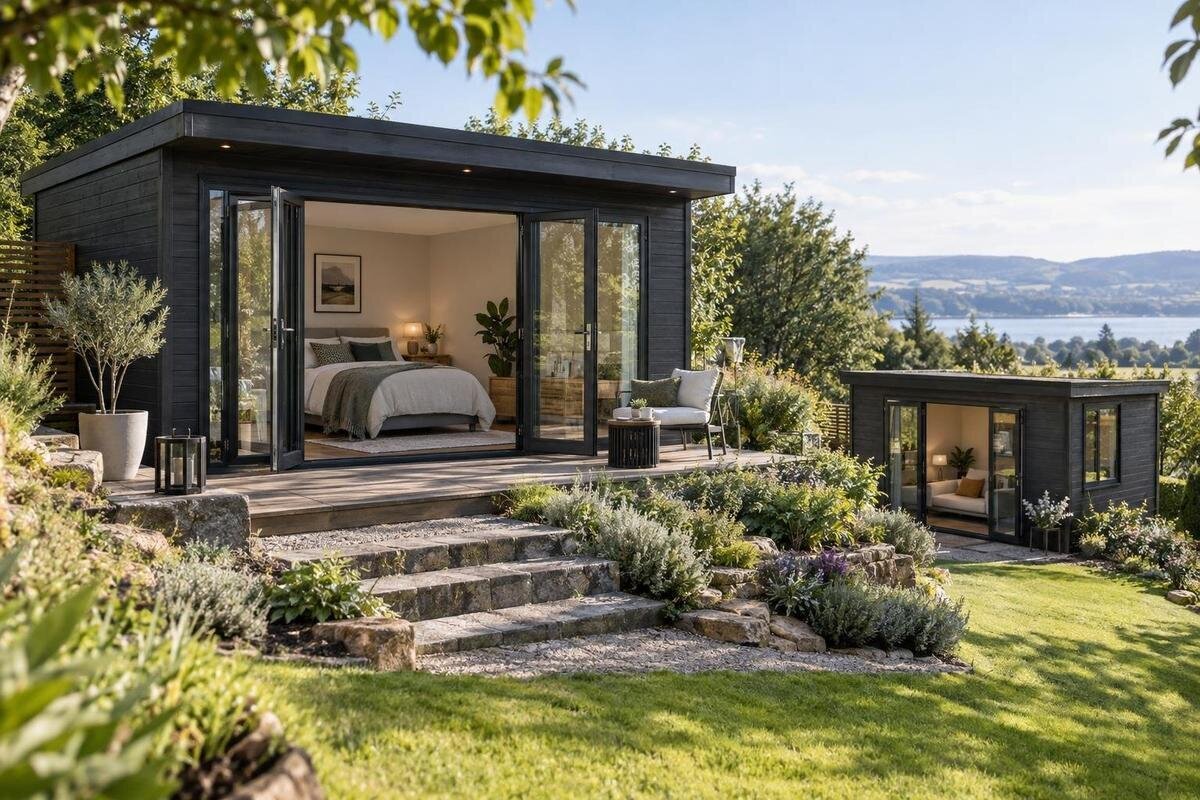
Garden shed planning in Malta
Staying overnight in a garden shed in Malta is not something to decide from a product name or photograph. You need to resolve two separate questions: whether the proposed use is accepted for the particular property, and whether the chosen building, access and facilities can safely support people staying there. A seller can clarify the product; that does not establish the planning position. Before ordering, describe your intended use to the Planning Authority, then check the relevant product information and professional advice against that use. The right sequence matters: a structure that is convenient to buy may still be unsuitable for the purpose you have in mind.
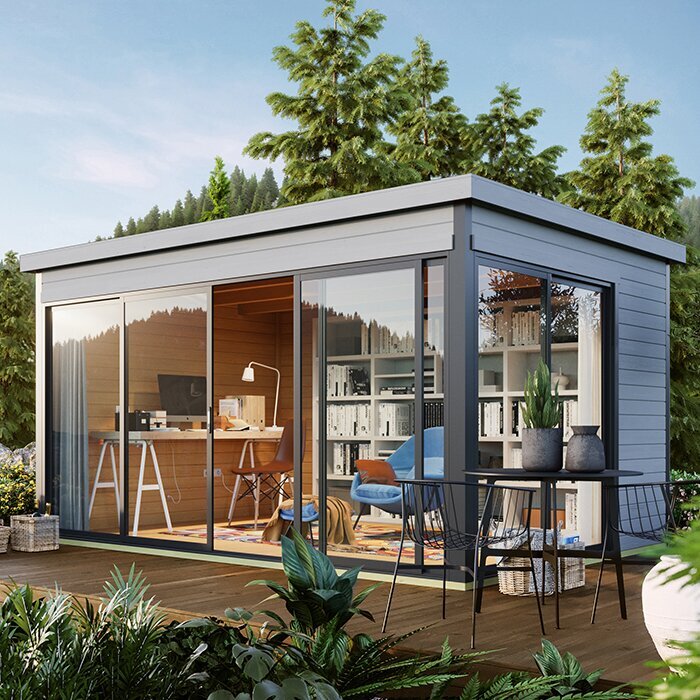
A garden shed’s label does not settle its use
The term “garden shed” identifies a type of product; it does not, by itself, establish which activities are accepted at a particular address. A building bought for tools or garden equipment cannot be assumed to qualify as sleeping accommodation just because a bed would fit inside. Ask about the exact proposal: a one-off night, recurring visits, longer stays or paid accommodation. The planning position may depend on the site, its existing approvals or conditions, the building proposed and the way people will use it. A neighbour’s arrangement or a retailer’s wording cannot settle the answer for your property.
Keep planning acceptance separate from physical suitability. An answer about the proposed structure does not automatically confirm that its floor, enclosure, ventilation, access or services are appropriate for sleeping; equally, a room-like appearance does not prove that overnight use is accepted. When comparing options, use the Verdana 1 garden shed listing to identify a model and ask for its exact product information, not as evidence of permission or suitability. Product names, photographs and broad descriptions are not substitutes for a planning response or written specifications. Treat missing information as an open question rather than filling it in with an assumption.
Ask about overnight use before ordering
Before committing to a purchase, put the actual overnight proposal to Malta’s Planning Authority for the property concerned. Explain that you are considering sleeping in a garden building, say where it would stand, and make clear whether a structure is already there or is still being planned. Ask what information is needed to assess the proposed use and whether the existing planning position, including any conditions, addresses it. If you have not chosen a model, say so; if you have, share accurate product information where available. The aim is a response to your proposal, not a generic answer about garden sheds.
Keep the reply and any conditions with your buying records, and ask for clarification if a response is limited or conditional. If you need help describing the proposal, consult a local qualified professional; do not infer approval from silence, a neighbour’s example or a seller’s comment. If the Verdana 2 garden shed listing is on your shortlist, use its model name to identify the item in your enquiry and provide product details if available. A product page can help identify what you are discussing, but it cannot decide whether the proposed use is accepted at your address.
Describe how often people will stay
Be specific about the pattern of use. Tell the authority whether this means one occasional family stay, overnight use every week, longer periods or paid accommodation. Include the likely number of people, how long they would stay, how often, and whether they would use the main house’s kitchen or bathroom. Mention if occupants are expected to enter independently. These details make the request meaningful and avoid an answer based on an incomplete description. Do not call a plan occasional if you already expect regular stays or intend to host paying guests; state the likely arrangement honestly.
The intended pattern also affects whether a purchase makes sense. A building acquired for rare visits may not serve a later plan for frequent or extended stays, even if the structure appears unchanged. If you may expand the use, explain that possibility before relying on an answer about a narrower plan; revisit the question if the use later changes. For the Durano garden shed listing, check the information for the exact product against your intended pattern rather than relying on its name or promotional image. Do not assume that a model’s title describes its approval, capacity or suitability for regular occupation.
Check the building’s documented suitability
Ask for product information about the exact model, not a general description of garden buildings. Check the documented internal and external dimensions, floor details, walls and roof, doors and windows, ventilation provisions, weather protection, and what the package includes. The information should help you distinguish supplied features from work or fittings you would have to arrange separately. A timber label, glazed front or room-like appearance does not establish that a structure is designed for people to occupy overnight. If a detail matters to your plan but is not stated, ask the seller to confirm it in writing before making a decision.
For regular sleeping, have a suitably qualified building professional review the product information and proposed installation; a sales description is not a structural assessment. Ask about the building in its intended setting, including weather exposure, moisture, security and the safety of its floor and enclosure. Check the usable internal layout against the actual bed and furniture, leaving a clear route through the space and to the exit. Use dimensioned drawings where available, not a photograph alone. For the Veltor 1 garden shed listing, verify these details for the exact model before deciding how it could be used.
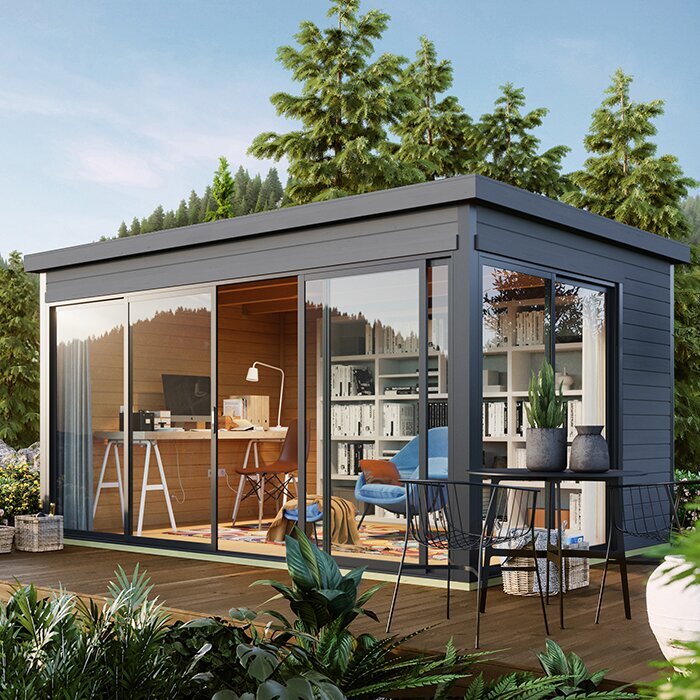
Ventilation and comfort need specific answers
Ventilation deserves a direct question, not a guess based on an openable door or a photograph. Ask how fresh air is intended to circulate while people are inside and the building is secured, which vents or opening windows are included, and how airflow can be balanced with privacy and security. A door left open all night may not be a practical plan. For regular occupancy, ask a qualified professional whether the proposed arrangement is appropriate for the building and its use. If there is no clear information, treat ventilation as unresolved before ordering rather than as a minor extra to consider afterwards.
Consider comfort through the hours and seasons in which the shed might be used. Sun exposure, a warm evening, rain or damp conditions can make an overnight stay feel different from a short daytime visit, but no conclusion can be drawn from a product name or material alone. Ask for any documented information on insulation, ventilation and moisture protection for the exact model; do not assume that a finish or wall description guarantees comfort. Compare the Orello 1 garden shed listing only against facts actually supplied for it, and seek professional advice if regular occupancy is planned.
Plan access and a clear way out
Walk through the proposed route from the house or entrance to the building as it would be used after dark. Check for uneven ground, steps, thresholds, narrow turns, gates and places that may become slippery in wet weather; consider whether someone unfamiliar with the garden could find the route. Think about outdoor lighting and, if it is needed, have electrical work assessed by a qualified electrician. These are practical questions for guests and residents alike, not details to leave until the first night. A route that seems easy in daylight may be harder to use at night or in poor weather.
Check the building’s actual door position, opening and locking arrangements, and ask how occupants would open it from inside and leave without furniture or stored items blocking the way. Seek qualified advice on fire safety, alarms and escape arrangements for the intended use rather than assuming ordinary garden-shed fittings are sufficient. For the Modano 1 garden shed listing, verify the door and window details in the product information; do not infer them from an image. Confirm that the planned layout and access route remain workable after installation, including for anyone who may need assistance.
Consider washing, water and toilet arrangements
An overnight space needs a realistic plan for basic facilities as well as a place to sleep. Decide where occupants would use a toilet, wash, obtain drinking water and dispose of waste. Using the main house may be practical for an occasional visit, but consider the route, privacy and access at night, in poor weather and for every person expected to stay. If the plan is for frequent or extended use, relying on household facilities may be less convenient. Write down who will provide access and whether the facilities will be available throughout each stay; a comfortable bed alone does not make the whole arrangement workable.
If you are considering plumbing or drainage, ask the relevant qualified installer and the Planning Authority what needs to be assessed before buying. Do not assume that a small sink or temporary toilet can simply be added without further questions. Check what the product includes and what changes would be required, then make sure services will not compromise the internal layout or exit. The wooden garden shed M listing is only a product identifier; use actual drawings and professional advice to establish whether your proposed facilities can fit and be supplied. Avoid committing to a model until those needs are understood.
Read product details separately from planning advice
Make a model-by-model comparison using details that affect the intended use: internal space, door and window positions, floor information, ventilation, weather protection, included parts, assembly requirements and any work excluded from the purchase. Confirm which measurements refer to the outside and which to usable interior space, and ask whether drawings or installation guidance are available. Photographs can help you understand appearance, but they do not establish clearances, package contents or how a finished building will work for sleeping. Record the answer for each exact model so that you are comparing products on the same basis.
Ask the seller in writing whether the exact model is intended for occasional or regular occupancy, what documentation supports the answer, and which adaptations your plan might require. A seller can explain the product but cannot confirm that its use is accepted on your site. The wooden garden storage shed S listing has a storage-oriented name; that wording neither proves nor rules out overnight use. Treat it as an item to investigate, ask about its documented intended use, and verify the planning position independently before purchase.
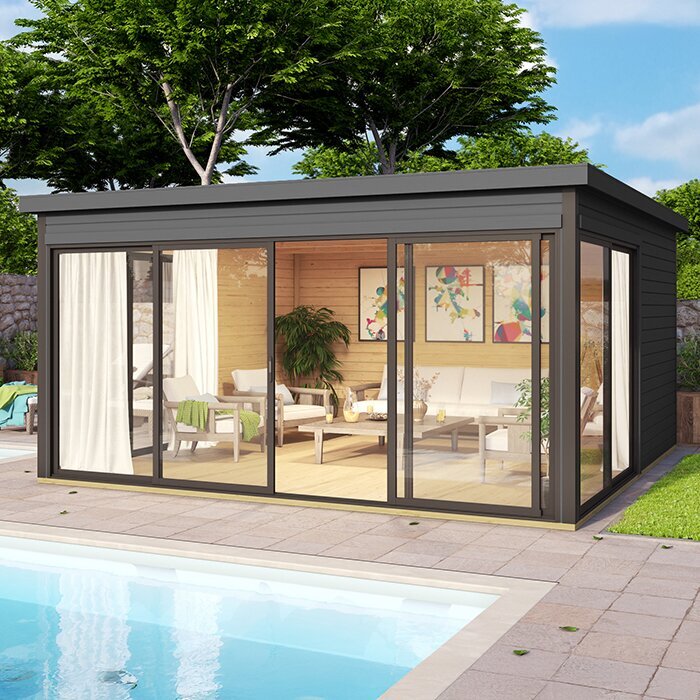
Check delivery, assembly and purchase terms
Product choice is not complete until delivery and installation responsibilities are clear. Ask how the model is delivered, what access is needed to move components to the intended location, who handles assembly, and what site preparation or other work is excluded. Confirm whether the order includes the items you need or whether you will arrange them separately, without assuming that illustrations show package contents. If a contractor or supplier will install it, ask who checks the proposed location and what information they need. Resolve these practical matters before scheduling work, especially where access to the site is limited.
Read the purchase terms before paying, including how changes, cancellations and any customisation are handled; do not assume you can return or adapt a building if the intended use is not accepted. Ask whether the order can be paused while planning advice is pending, and keep the product specification, written answers and agreed scope together. Avoid placing a firm order on the basis of an informal promise about permission. A supplier’s response should clarify the product and order, while planning questions belong with the relevant authority and technical questions with an appropriately qualified professional.
Know when to pause before using the shed overnight
Set a clear hold point before anyone sleeps in the building. You should have a usable answer on the planning position for the pattern of use described, reliable information about the exact model and installation, and professional advice on any unresolved safety or service questions. Check that ventilation, access, a clear way out, and toilet or washing arrangements work together rather than treating each as a separate tick-box. If an essential point is still unknown, pause the purchase or intended use; a bed delivered to the garden will not resolve a missing approval or a safety concern.
Keep one record of the Planning Authority’s response, existing conditions, product information, supplier replies and professional recommendations. If you later change from occasional visits to frequent stays, add facilities or alter the structure, do not assume earlier advice automatically covers the new plan; ask again before relying on it. If the proposal is not accepted or the building cannot be made suitable, choose another arrangement whose permitted use and practical facilities are clear. That is better than buying a garden shed on assumptions and discovering afterwards that it cannot serve as overnight accommodation.
Frequently asked questions
Can I sleep in a garden shed in Malta for one night?
A single night is not automatically covered or exempt simply because it is brief. Explain the exact plan and location to Malta’s Planning Authority, and ask whether any existing planning conditions affect it. Separately, check that the building and its access are suitable for sleeping, including ventilation, a clear way out and practical access to facilities. Do not rely on a product name or a neighbour’s arrangement as confirmation.
Does approval for a garden shed automatically cover overnight stays?
Do not assume it does. An existing planning position may relate to the structure or to a particular use, so ask what it covers before changing how the building is used. Describe the overnight pattern you actually intend, including how often people will stay and whether they will be paying guests. Keep the response with the product information and check any conditions or limits it mentions.
What should I ask a seller before choosing a model?
Ask for information about the exact model, including its usable internal dimensions, floor, doors and windows, ventilation provisions, weather protection and what is included in the order. Ask whether it is intended for overnight occupancy and what documentation supports the answer. Confirm which work or fittings are not included. A seller can explain product details, but cannot determine whether the proposed use is accepted at your property.
Is opening the door enough to ventilate a garden shed?
Do not assume so. Ask how fresh air is intended to circulate while people are inside and the building is secured, and confirm which ventilation features are actually included. Consider how the arrangement works alongside privacy and security. For regular overnight use, ask a suitably qualified professional whether the proposed ventilation is appropriate for the building and its intended use.
Should I order the shed before checking with the Planning Authority?
It is safer to resolve the planning question before committing to a purchase. If you have shortlisted a model, use its exact name and any available product information to explain what you are considering. Also read the purchase terms, including how changes or cancellations are handled. Do not assume that a building can be returned, altered or used overnight if the proposed use is not accepted.
Treat an overnight stay as a proposed use to verify, not a feature to assume from an item advertised for the garden. When the planning response, exact product information and professional advice on safety and facilities all match the real pattern of use, you can decide whether ordering is worthwhile. If they do not match, pause and change the plan before buying. It is better to choose a building for a use that is established than to retrofit expectations after delivery.
