
Garden Shed Planning Permission: Check the Rules for Your Address
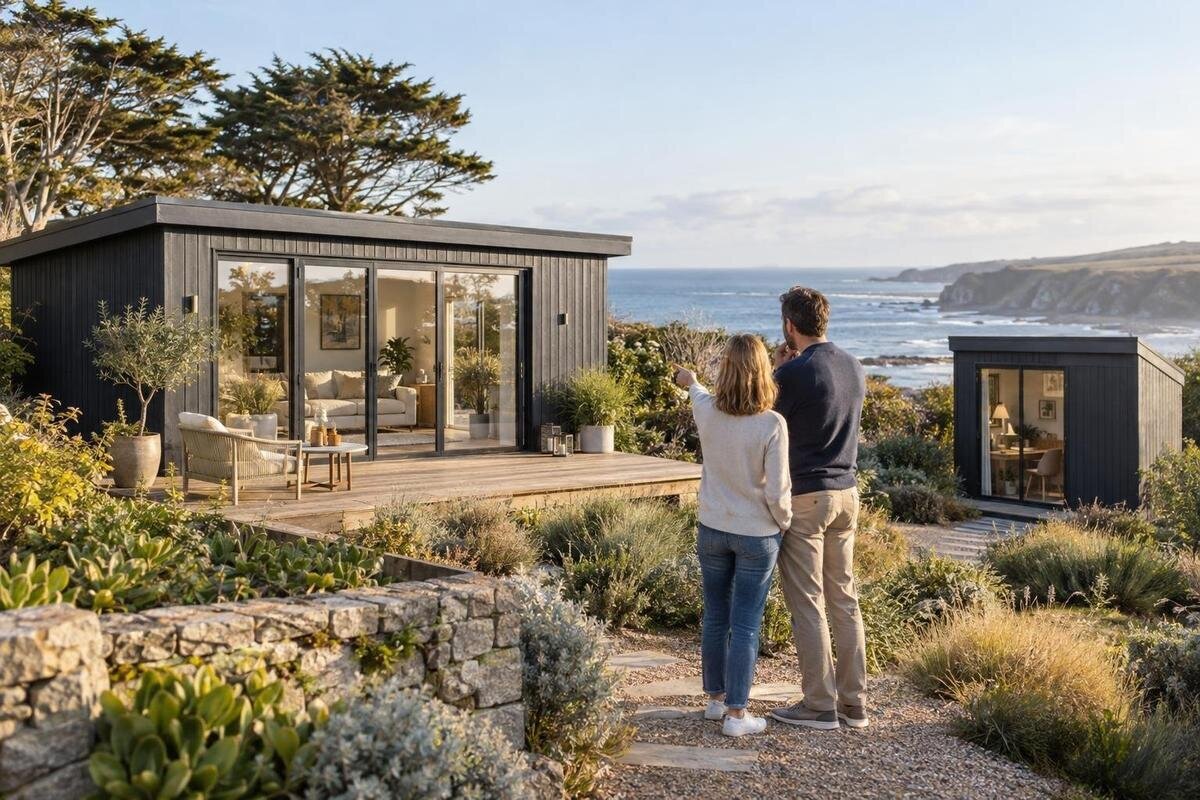
Garden shed planning
Planning a garden shed in Malta? The phrase garden shed planning permission has no useful yes-or-no answer until the property and proposed building are identified. A general online summary, a product label or a similar shed on a neighbouring plot cannot establish the position for your address. The useful question is whether any planning permission or other planning step applies to the exact shed, location and intended use. This guide explains how to prepare that enquiry and what to confirm before ordering. It does not set universal Maltese size limits or exemptions; ask the responsible authority to confirm the current position for your site.
Why the address changes the answer
Planning requirements can depend on the land and on a defined proposal, so two sheds that look alike may not be treated alike. The address, planning history, conditions on earlier approvals, any site designation and the surrounding development are matters the responsible authority may need to consider. It is for that authority to say which are relevant to your plot. A neighbour’s structure is not a reliable precedent: it may have a different approval, be older, stand on another parcel or have been installed without approval. Nor does the category name garden shed settle the question. Treat general articles and forum replies as prompts for questions, not decisions about your land.
Describe the proposal honestly and clearly enough to be assessed. Say whether the building is for storage, where it will go, whether utility connections are planned and whether you intend any other use. Storage, a workspace, overnight accommodation or commercial activity should not be folded into one vague label: explain what you genuinely intend and ask whether the purpose affects the planning process. If the use is undecided, say what you are considering rather than presenting it as storage only. You can also explain whether the placement is intended to be temporary or permanent, without assuming that either description decides the planning question.
Describe the shed you are considering
Before sending an enquiry, collect current information for the particular garden shed you may buy. Ask the seller for confirmed external dimensions, overall height, footprint and a drawing or elevations, where available. Note construction details or projecting parts only from verified product information, rather than estimating them from a photograph. If a drawing uses unfamiliar measurements, ask which figures the authority needs instead of choosing a basis yourself. You do not need to decide which features matter under Maltese requirements; the purpose of the information is to let the authority assess the proposal accurately. If you have not chosen a model, say so and ask which details must be fixed first.
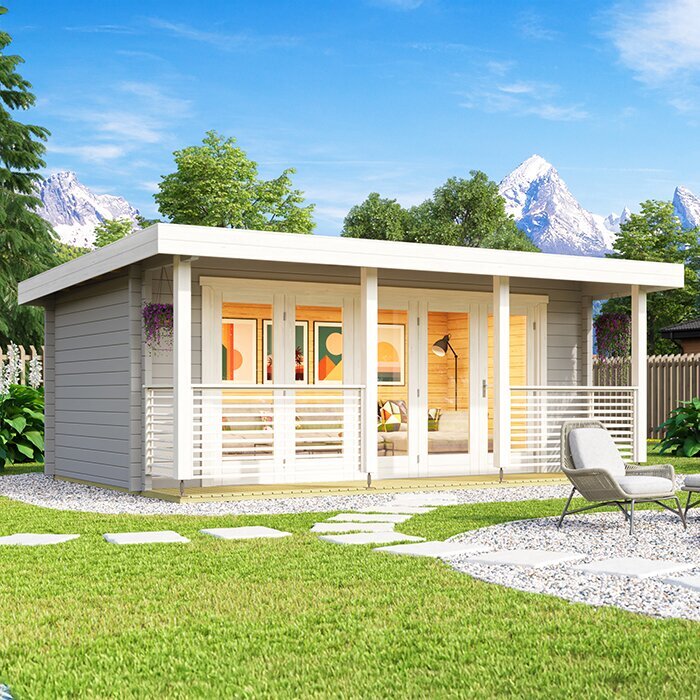
If you are considering a listing such as the Verdana 1 garden shed, record its exact model name and request the current specification and plan from the seller. A product title can identify a candidate, but it does not establish dimensions, compliance or planning status. Send the authority the drawing it asks for, not an estimate based on a screen image. Keep the document date or version with your notes so the information you submit matches the item eventually ordered. If you are comparing alternatives, ask whether each needs to be identified separately rather than assuming that details for one model apply to another.
Identify the plot, not just the street
Give the full property address and identify the land on a plan; a street name or postcode alone may not identify the relevant plot. Mark the proposed position in relation to the house and other buildings, and state which dwelling or area you mean if the address covers several units. For a shared courtyard or garden, make that clear rather than implying it belongs to one home. If you have a site or property reference, include it; if you do not, ask how the authority wants the land identified. Do not present an approximate line as a surveyed boundary, especially if its location is disputed.
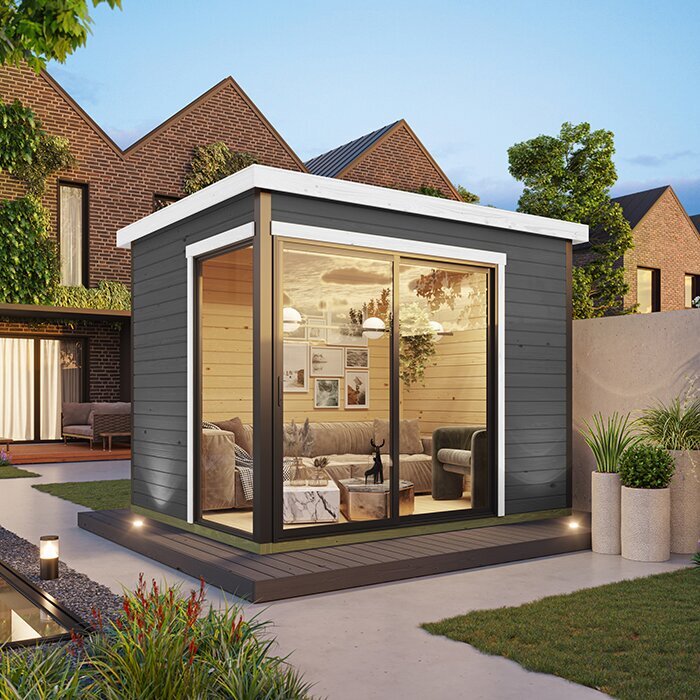
A product page such as the Verdana 2 garden shed identifies a possible model, not its position on your property. Attach a plan that makes the proposed location easy to understand and ask the authority to confirm it has identified the correct address and parcel. If several homes share an address or outdoor space, name the dwelling and explain who controls the area. A plan relating to the wrong unit can produce an answer that does not fit your proposal, even if the product details are accurate. If you need help preparing a suitable plan, ask what format the authority accepts before commissioning one.
Check the planning history and existing conditions
For a planning enquiry in Malta, begin through the Planning Authority’s official contact channels and ask how to check the planning history for the property. Earlier approved plans, written conditions or decisions may be relevant, but do not try to determine their effect from a document title alone. Give any reference you already have and ask which record or condition applies to the proposed garden shed. If there are plans for a house extension, garage or other outbuilding, include them where relevant so the authority can understand the existing arrangement. Ask whether any earlier approval covers or limits a separate garden building, and keep the documents or references with your site plan.
An existing structure does not by itself establish what may be added. It could relate to a different proposal, be subject to conditions or stand on a separate plot. When considering a candidate such as the Durano garden-shed listing, keep the new product distinct from anything already on site and ask whether the property’s planning history affects it. If records appear incomplete or inconsistent, ask the authority how to resolve that before ordering. A local planning professional may help review documents, but the authority is the source for its own decision on the current proposal.
Ask which permission or application route applies
Put the central question in terms that identify the whole proposal: for this address and site plan, with these dimensions and this intended use, is planning permission required? If not, what official basis or conditions apply? If an application is needed, which procedure and documents should be followed? Ask whether the response is informal guidance or a formal decision, which office issues a formal decision and whether another authority must be consulted. Do not assume a general answer about small buildings covers your site. If a further application or assessment is needed, ask what should happen before you order or arrange installation.
When referring to a possible purchase, identify it precisely; the Veltor 1 garden-shed page can help name the candidate. Ask whether the information you have supplied is enough for an address-specific answer. If the seller has not provided a drawing or confirmed dimensions, say so rather than filling in the gaps. If staff refer to a policy, condition or record, request its title or reference and where you can consult it. Keep a dated note of the question, contact channel and attachments. If the answer depends on a particular position, size or use, ask the authority to make that clear so you know when a new enquiry would be needed.
Check ownership and shared-property consent separately
Planning confirmation and permission to use a particular piece of land are separate matters to check. If you rent, share a courtyard, live in a managed development or want to use common property, ask the owner, landlord or management body what consent is needed before work is arranged. Do not take a planning response as confirmation that you own the proposed spot or may alter it. Check the relevant agreement and property records; if the boundary, access or shared-area responsibilities are unclear, obtain qualified local advice. A neighbour’s assurance or a seller’s product description cannot establish who has authority to approve changes to the land.
Name who controls the proposed area in your enquiry and explain whether it is private, shared or uncertain. A listing such as the Orello 1 garden-shed listing can identify the product being considered, but it does not establish whether a shared garden or rented plot may be altered. Ask the owner or manager for separate consent in writing, and make sure they are considering the same position and design as the planning enquiry. If several people are responsible for the area, clarify who can give consent. Keep any private agreement with your planning correspondence, but do not treat one as replacing the other.
Explain the intended use
Use the intended purpose, not a convenient label, when asking about planning requirements. Storage, a work area, commercial activity, overnight accommodation or a space with utility services can raise different questions; this list does not mean any of those uses is automatically allowed or prohibited. Tell the authority what you will do in the building, who will use it and whether another use is already planned. Ask whether the purpose changes the planning route or documents required. If you request guidance for storage, do not assume it also answers a plan to use the building as a workspace or for stays. Include future plans you already expect to pursue.
A product such as the Modano 1 garden shed is an identity, not evidence that a particular activity is authorised. If your plans may develop, separate what you intend now from possible later changes, and ask whether the authority can assess both or whether a later change needs a fresh enquiry. Keep the planning question distinct from practical checks on ventilation, lighting, power, fire safety or structure; consult suitably qualified professionals where relevant. This guide does not determine technical standards or approve a workspace or sleeping use. Giving a full description helps prevent a response about one purpose being applied too broadly.
Get a written response for the exact proposal
Where possible, get the response in writing before committing to a product or booking installation. A phone call may help you find the right team, but follow it with a concise written summary of the address, site plan, dimensions, intended use and drawing discussed. Ask whether the reply is informal advice or a formal decision, exactly which version of the proposal it covers, and whether any further permission or step remains. If the answer includes conditions, request them clearly and ask what changes would put the proposal outside that response. This helps you understand the basis of the answer rather than relying on a sentence separated from the documents behind it.
Use a product page such as the Wooden Garden Shed M as an identifier in your enquiry, not as proof of what the authority has approved. Ask the seller for documents the authority requests; if it asks for a plan, do not substitute a marketing image. Save each version you submit and the reply with its attachments, including the date of the correspondence. If you receive an oral indication but no written clarification, do not describe it as permission. Ask how to obtain a formal determination, if one is needed, and what should happen before installation begins. A clear record can help the seller or installer identify the version discussed.
Match the order to the proposal assessed
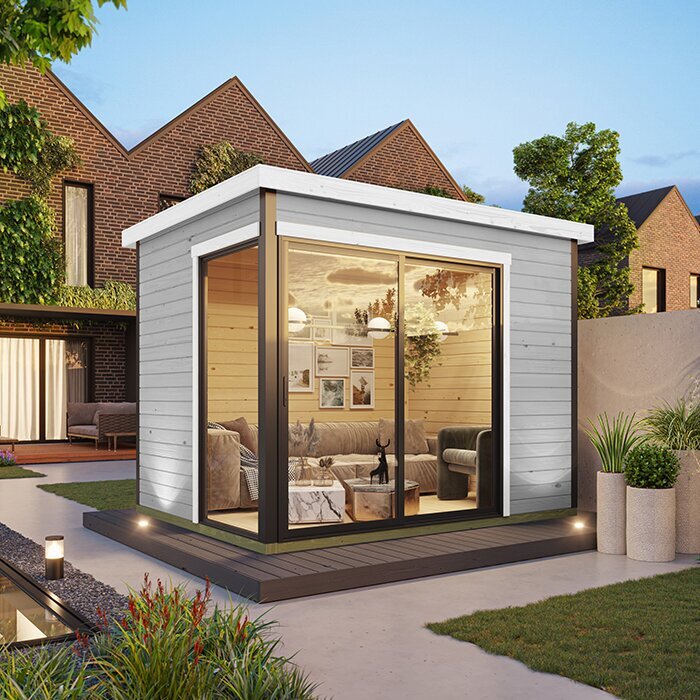
Once you know the applicable process, keep the order consistent with the proposal the authority assessed. Compare the seller’s current drawing and specification with the dimensions, design, position and use in your enquiry. If a page shows only a model name, or its information has changed, request confirmed details first. Do not assume that a visually similar product is an acceptable substitute or that a change is too minor to matter. Ask whether a different size, height, opening, location or intended use needs a fresh check. If an application or decision contains conditions, keep them available when discussing the order and installation.
If you are considering the Wooden Garden Storage Shed S, verify the exact product details with the seller and match them to the version discussed with the authority. The letter S in a model name is not a measurement, and a product label cannot establish the footprint. Give the installer the confirmed location and any conditions that apply, and ask for a change to be checked before it is made. Keep the supplier’s documents, correspondence and any formal decision together, including the versions of drawings involved. If a question arises during ordering or installation, you will be able to identify which product and proposal the authority considered.
Resolve unclear points before ordering
If the response is unclear, incomplete or appears to conflict with another official record, do not fill the gap with a guessed rule. Send a focused follow-up stating what remains unanswered and attach the same plan and product information again. Ask whether the matter needs a formal application, input from another authority or review by a local planning professional. Where the plot boundary, ownership or an earlier approval is unclear, resolve that point with the responsible person or a qualified professional. If you do not receive a response, use the authority’s official follow-up channel and keep a note of the enquiry reference; silence is not confirmation.
Keep a short file with the address and parcel identifier, site plan, proposed position, intended use, exact model and confirmed seller documents, plus your questions, replies and any decision or conditions. Include separate consent from an owner or management body where relevant. If you change a key detail, tell the authority and ask whether its earlier response still covers the revised plan. A clear record is useful even if the authority says a formal application is not required: it shows what was asked and which proposal was discussed. Keep the final documents with your purchase and installation paperwork.
Frequently asked questions
Does every garden shed in Malta need planning permission?
There is no universal yes-or-no answer based on the product category alone. The responsible planning authority needs to consider the address, proposed position, verified details and intended use. Ask it to state which process applies to your proposal rather than relying on a general rule or a guessed size limit.
Is a small, portable or temporary shed automatically exempt?
Do not assume that words such as small, portable or temporary settle the planning question. Give the authority the exact site, product details and intended duration, and ask whether any permission or other step applies. This guide does not set a Maltese exemption or size threshold.
Can I rely on a neighbour’s shed as proof that mine is allowed?
No. It may be on a different plot, covered by a different approval or subject to a different planning history. You can mention it when framing your enquiry, but it does not establish the position for your own address.
What information should I send with my enquiry?
Provide the full address, a plan identifying the plot and proposed position, the shed’s exact model and verified dimensions or drawings, and its intended use. Include relevant planning references if you have them. Ask the authority what other documents it needs before preparing anything you cannot verify.
Can I order the shed while I wait for an answer?
Waiting for an address-specific response before ordering is the more cautious sequence. If you are considering ordering sooner, check the seller’s terms directly and do not treat the purchase as planning approval. Ask the authority what should happen before you arrange installation.
Garden shed planning permission in Malta cannot be established by a product label, a neighbour’s example or an assumed size threshold. Put the exact address, plot, proposed position, verified product details and intended use to the responsible authority, then keep its response with the version you plan to order. If the product or proposal changes, ask whether the answer still applies. A reply that identifies the right property and the actual proposal is far more useful than a general rule when you are ready to buy or arrange installation.
