
Garden Shed Privacy Without Losing Natural Light
Garden shed planning
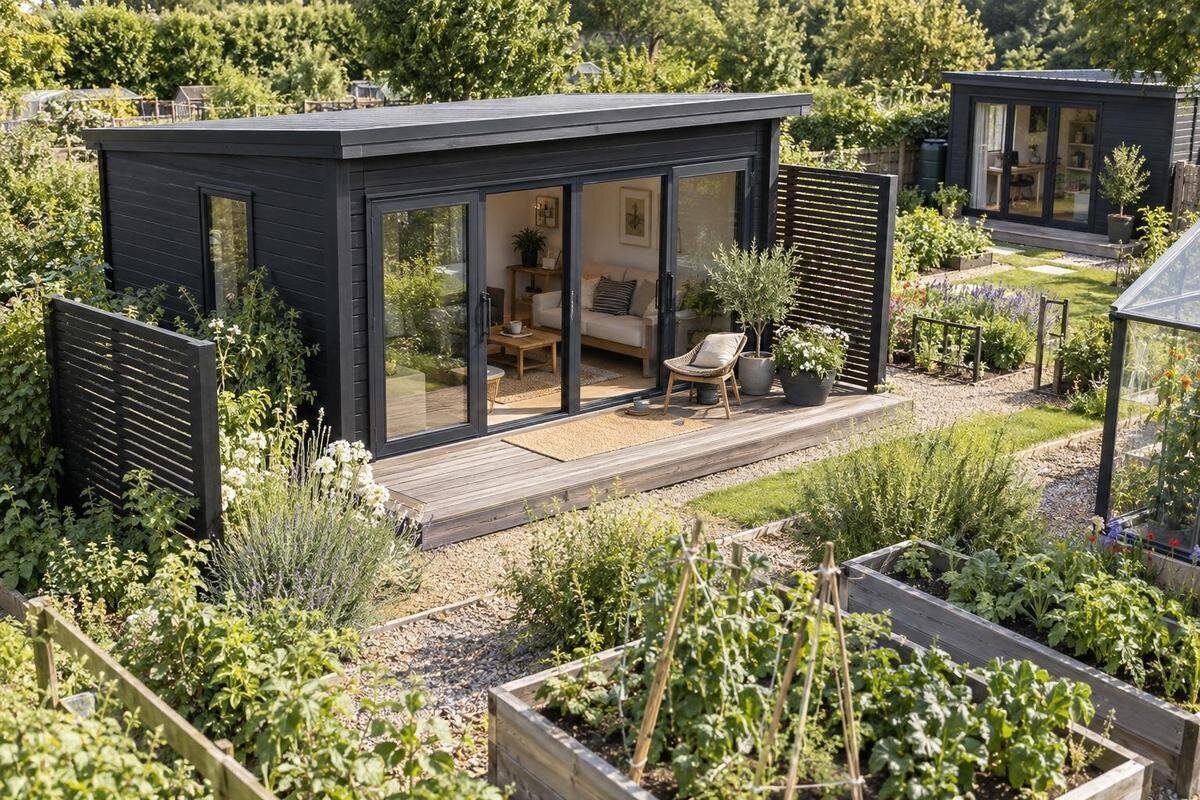
Garden shed privacy and natural light can work together, but the balance depends on where openings face and who can see through them. Before choosing a model, map views from nearby windows, paths and the garden, then decide which parts of the interior need screening. A carefully placed opening, suitable glazing or a targeted screen can address a specific privacy problem without covering every window. This guide explains how to plan those choices and what to confirm on a product listing before ordering.
Checks before ordering 1
Decide which views need privacy
Privacy is not an all-or-nothing requirement. A shed used mainly to store tools may need little visual screening, while one used for hobbies, paperwork or changing clothes calls for a more deliberate plan. Write down what you want to keep out of view: a work surface, equipment, personal belongings or the room while someone is inside. Then note which views you would like to retain, such as a flower bed, a path through the garden or a patch of sky. That distinction matters: the answer may be to screen one area rather than cover every window or enclose the whole building.
Think through ordinary use, not just the empty room. Where will you sit or stand? Will the door stay open while you work? Could somebody see a task area from the approach? If several activities share the shed, rank them by how much privacy they need. If uses change between weekday work, evening hobbies or occasional storage access, separate constant needs from occasional ones; that distinction can point to fixed screening in one place and an adjustable covering in another. A simple sketch with three labels—views to block, views to keep and areas that can be visible—turns a general preference into decisions about glazing and layout. It also prevents a common buying mistake: choosing from a bright product photograph before checking whether the openings face the activity that needs privacy. Separate visual privacy from security too: a screen may hide possessions from view, but it does not secure them.
Map sightlines around the proposed site
Begin with the site, not a catalogue image. Mark the intended footprint and look at it from every plausible viewpoint: the garden entrance, shared or public paths, nearby outdoor seating and neighbouring windows. Check seated and standing eye levels, and consider oblique views; a line blocked when looking squarely at a wall may still reach a window from the side. Include the doorway because an open door can expose a wider slice of the interior than a closed window. If there is raised ground or an upper-floor viewpoint nearby, include it rather than relying only on a fence-height view. Give recurring viewpoints particular weight if the shed will be used regularly.
Walk those lines at the times when the shed is likely to be used. Sunlight, garden furniture and seasonal foliage can change what is visible, so do not base a permanent privacy decision on leaves or objects that are only there temporarily. On a rough plan, draw a line from each observer to the area you want to screen; where it passes through a proposed opening, you have a direct sightline to address. Label each viewpoint as frequent or occasional, and note whether it is seated or standing. Compare the marked footprint and views with dimensions and layout information you can verify for the Verdana 1 garden shed listing. The name and main photograph do not establish window positions. If those details are not shown, request a drawing before deciding whether the layout suits the site.
Checks before ordering 2
Place windows to limit direct views
Window position can matter more than the total amount of glazing. A low, clear pane may put a bench, desk or stored items directly in view; an opening on another wall or at a higher position can reduce a straight eye-level line while retaining daylight. This is not an automatic privacy guarantee: an upstairs window, elevated garden or angled approach may still see inside. Consider the view from each opening rather than deciding that a wall is private simply because it faces a boundary. Include furniture and tall storage in the plan, since they can block one line of sight while redirecting another.
During product comparison, use an elevation or plan for the Verdana 2 garden shed page, if one is available, to compare opening positions with your marked viewpoints. The model name and a single exterior image cannot establish whether an opening is high, low, clear or screened. If the layout is unclear, ask what is included and whether the opening arrangement can be changed before ordering. A smaller window is not automatically better: in a position where it catches open sky without facing a neighbour, it may provide useful light with less direct exposure. If a drawing shows only an elevation, pair it with a plan where possible; a wall view alone will not show which viewpoint lines up with the glass.
Plan for daylight where you use it
Natural light depends on more than window size. The open sky visible from each wall, nearby buildings, trees and fences, as well as the hours when you use the shed, affect how bright it feels. Observe the proposed spot at different times and note where light reaches the places you will use, not simply the floor beside a window. A large clear opening may brighten the room but also create a direct view or glare at certain times. If a covering will usually be drawn, its theoretical glass area may not provide the daylight you want. Pale interior surfaces can help the room feel brighter, but they cannot restore light blocked by a screen or a neighbouring structure.
For the Durano garden shed listing, check the stated window and glazing details, if available, rather than using a catalogue photograph to judge light on your site. A straight-on image cannot show how a nearby building shades the interior. Draw the openings on a rough floor plan and mark the work or seating area, then ask whether daylight can reach that place without creating the unwanted view. Where possible, look at the proposed position in the morning, at midday and in the late afternoon during normal use. Seasonal changes matter if trees or movable screens form part of the plan. Assess the light at the area you need to use, not only the room as a whole.
Checks before ordering 3
Choose the right level of glazing privacy
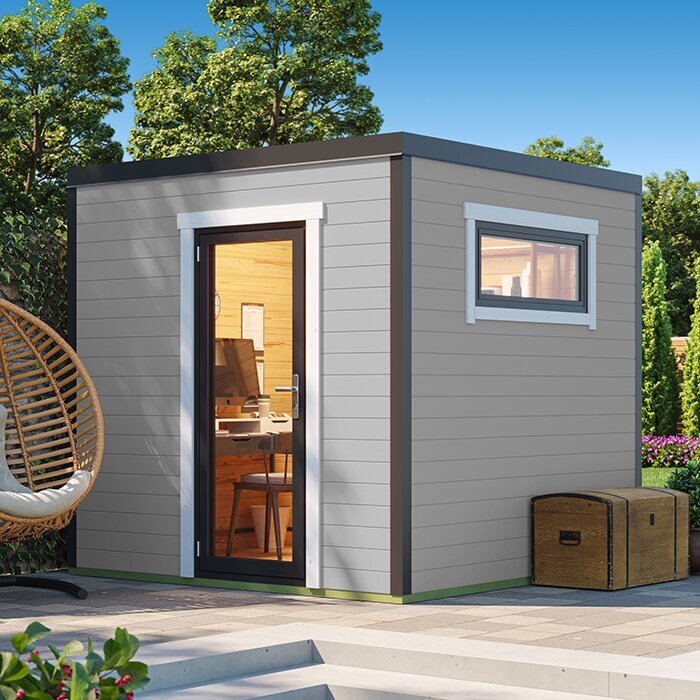
Think about each pane separately. Clear glazing preserves an outward view but also allows direct views into the shed. Translucent or obscure glazing can soften the view while admitting daylight, although the view from inside is less clear too and the amount of light varies by product. Privacy film or an internal blind offers a different balance, but should not be assumed to suit every frame or glazing type. Ask what level of privacy you need by day and after dark: a treatment that obscures detail in daylight may not work the same way when the interior is lit. If possible, inspect a sample from both sides in daylight and under interior lighting; a website image may not show how much detail remains visible.
Check the exact glazing specified for the Veltor 1 garden shed page or any other shortlisted model; a name, finish or promotional image does not identify the glass. If you plan to add film, a blind or replacement glazing, confirm that the option is suitable for the actual window and will not interfere with opening or cleaning. A useful compromise may be permanent privacy for the pane facing the most sensitive view and an adjustable or clear option elsewhere. If a clear view of the garden matters, consider keeping it at a separate opening rather than asking one privacy-treated pane to serve both purposes. Confirm the intended arrangement before ordering, so a temporary covering is not the only plan.
Use external screening selectively
An exterior screen can block a particular view without making the whole shed dark. Place a fence panel, trellis or planting between the viewer and the relevant opening, rather than automatically running a barrier around the building. That leaves other sides available for light and outlook. Check the screen from the observer’s position as well as from inside: a panel that looks substantial beside the wall may leave an oblique line of sight open. It can also cast shade, so test its proposed position against the daylight you want to keep. Make sure it will not make the everyday approach or use of a window awkward.
Planting is a slower, changing screen: consider its density in different seasons, the space it needs as it grows and the care it will require. A fixed panel is more consistent but can interrupt a view or darken an opening. Compare your proposed screen with the openings shown, if available, on the Orello 1 garden shed listing; check that it would not block access or interfere with a door or window. If planting has not matured yet, decide whether an interim screen is needed. For a screen near an opening, leave room for normal use and maintenance. Where the plan involves fixing or supporting an external structure, ask a qualified professional about suitable placement where necessary.
Checks before ordering 4
Add adjustable privacy inside
Interior treatments are useful when privacy needs vary during the day. Curtains, blinds or a movable screen can be opened when you want an outward view and closed when someone is nearby. A light-filtering option may keep more of the room bright than a fully opaque covering, but product descriptions differ; inspect a sample or ask how the material behaves rather than relying on a label alone. Keep the treatment clear of window handles and any opening movement, and think about cleaning it. A partial-height covering can screen eye-level views and leave upper glass uncovered, but its effectiveness depends on the sightline. A covering helps only when it is in the required position, so consider whether regular adjustment is practical.
Test the view after dark as well as during the day. When the interior is lit, silhouettes or the room itself may be more visible through clear glazing, even if the outside seems private in daylight. This matters if the shed will be used after sunset or faces a route that remains in use. For the Modano 1 garden shed page, check the stated window and glazing details before choosing an inside treatment; do not assume from the model name that a particular covering will fit. If a covering is removable, consider where it will go when open and whether it can be adjusted easily. Treat a blind or curtain as an extra layer, not proof that the supplied shed already provides privacy.
Include the doorway in the privacy plan
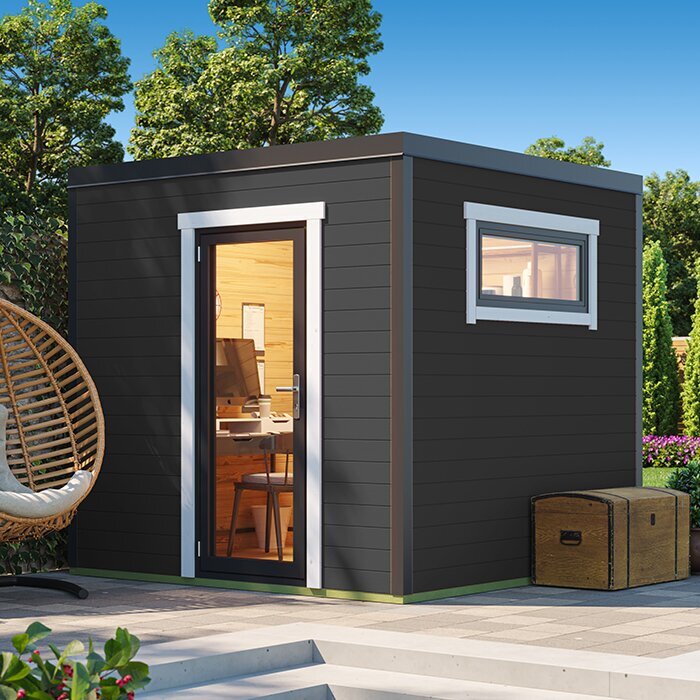
Doors deserve the same attention as windows. An entrance facing a path or neighbouring seating may expose the inside whenever it opens, and a door left ajar changes the sightline even if every window is well placed. Note the direction people will approach and where the open door sits, then decide whether the route reveals a workbench, stored items or seating. A small shift in the shed’s position can sometimes change that angle; alternatively, arrange the interior so that the most private activity sits away from the direct view. If the door has glazing, assess it as another window. Consider the changing view as someone approaches and passes through the entrance. A closed-door plan is not enough if it will often stand open.
Use a product drawing to check entry position, opening direction and the space needed to approach it. Compare your sketch with the garden shed M product page, but do not infer the doorway layout from the product name. If the relevant drawing is not available, ask for the door details before committing. Inside, a modest screen or furniture arrangement can hide a sensitive area while leaving upper window space open to daylight; test the view first so the solution does not create a dark corner or an awkward route. Keep the screen small enough to preserve the space you need for normal movement.
Checks before ordering 5
Check the details before ordering
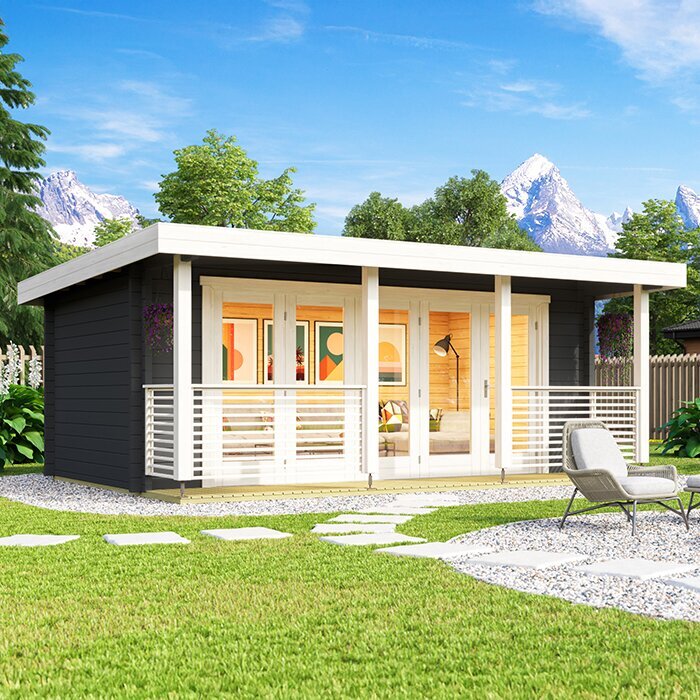
Turn the privacy plan into a written order checklist. Record the intended position and orientation, the opening locations you need, the preferred glazing and any external screen that must fit nearby. Compare the seller’s current plan and elevations with your site sketch, not only with styled photographs. Confirm which windows and glazing are included, whether the shown arrangement applies to the exact model or version you are buying, and whether changes are available. If an important detail is missing, ask before placing the order; do not treat an assumed feature as part of the specification. Describe each pane by its intended result, such as keeping one work area private while leaving another view clear. Keep the answer and selected configuration with the order record.
Review the garden storage shed S listing alongside other shortlisted products only after writing down your privacy requirements. Compare its published dimensions and opening information, where supplied, with neighbouring viewpoints and any screen you intend to add; do not infer layout from the model name. Check that the planned position leaves the access and clearance you need to use the openings and maintain the screen. If site preparation or changes to an existing boundary are involved, check relevant requirements with the appropriate local authority or a qualified professional instead of relying on a product photo. That keeps product decisions separate from assumptions about the site.
Compare options against the same test
Before settling on a layout, compare a few options against the same marked viewpoints. One may use a higher or differently placed opening; another may retain the opening but use privacy glazing; a third may add a targeted outside screen or adjustable interior covering. Treat these as options to investigate, not features to assume are available on every product. For each, mark what someone at the neighbouring viewpoint could see and where daylight would fall inside. Give the options two separate notes—sightlines screened and useful light retained—so a generally bright impression does not disguise a dim work area. A rough plan can expose conflicts, while a drawing or sample can help with details.
Make the final check from the positions that matter: seated and standing inside, door open and closed, and at the normal times of use. If a solution depends on a blind being drawn all day, consider whether another opening position or a screen would preserve more useful daylight; if it depends on seasonal planting, plan for the less-dense period too. Choose a fixed treatment for a constant sensitive view and a flexible one where privacy varies. Write down the outcome you want—for example, keeping a particular work area out of view from a path while retaining light at the bench—then compare every shortlisted layout against it. Once the windows, glazing and any screen agree with the site sketch, the purchase decision has a clear basis.
Frequently asked questions
Can a garden shed be private and still have natural light?
Yes. Map the views into the shed first, then consider placing openings towards less exposed areas and using privacy glazing or a screen only where needed. The right balance depends on the site, the shed’s layout and the views you want to keep.
Are high windows always more private?
No. A higher window can reduce a direct eye-level view, but an upper-floor window, raised ground or an angled approach may still overlook the interior. Check the sightline from each relevant viewpoint before choosing an opening position.
Does obscure glazing still let natural light in?
It can admit daylight while making a clear view through the pane harder, but the effect varies by product. Check the specific glazing details, and consider whether you also want an unobstructed view of the garden from inside.
Will a fence or hedge block a neighbour’s view?
It may block a particular sightline if it is positioned between the viewer and the window. The result depends on height, angle and, for planting, how dense it is at different times of year. Check from the viewpoint you want to screen.
What should I check before ordering a garden shed for privacy?
Compare the product’s current dimensions, window positions, door layout and glazing details with a sketch of your site. Confirm which features are included and ask about anything unclear before ordering. Include any external screening in the plan.
Good garden shed privacy comes from matching each opening to the views and activities around it. A site sketch, realistic sightlines and verified product drawings make it easier to keep daylight where it is useful while screening only what needs to be hidden. Settle those details before ordering so the layout reflects how the shed will actually be used.
