
Garden Sheds, Summerhouses or Log Cabins: What Do the Names Mean?
Garden-house terminology
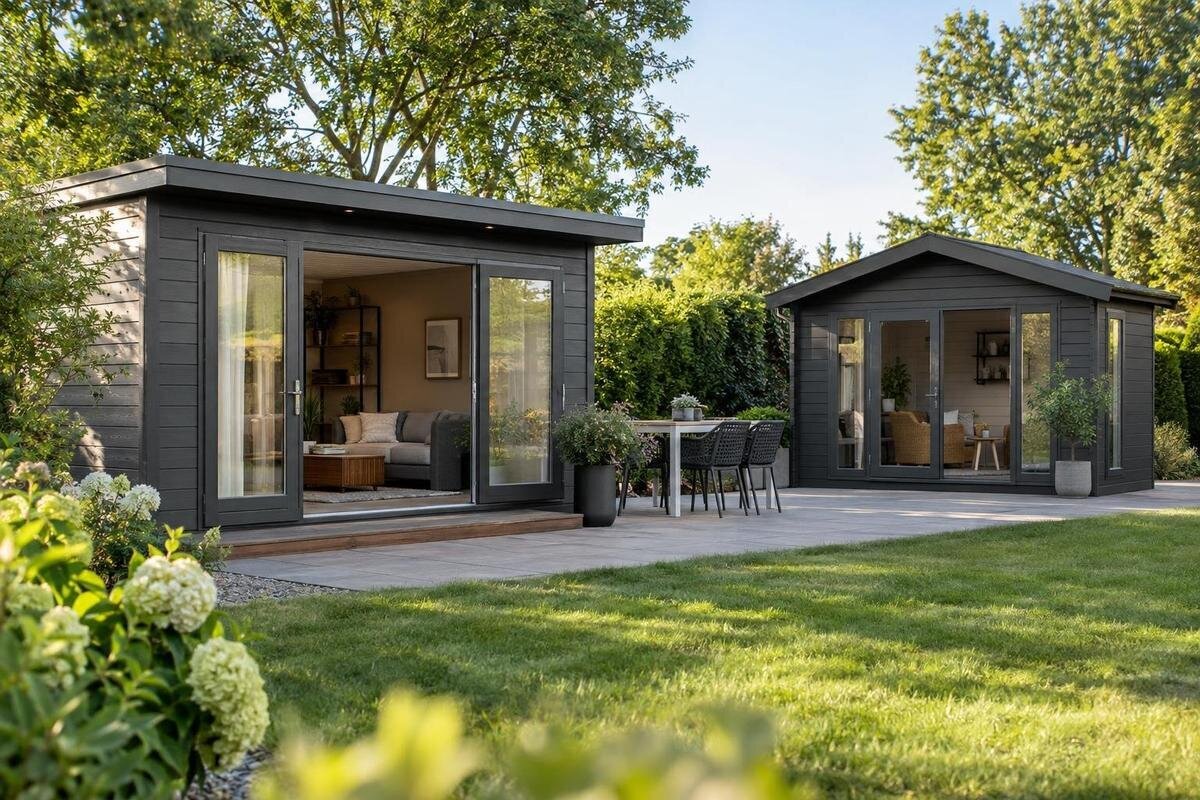
When choosing a wooden garden building, the names garden shed, summerhouse and log cabin bring different expectations. In everyday listings, however, they do not always describe separate, tightly defined types. A name may hint at the intended use, appearance or the way the building is described, but it does not settle what the product includes or how it can be used. Read the name as a starting clue, then compare the stated construction, dimensions, layout and order details. Understanding the usual meanings makes it easier to search and ask precise questions.
The names are clues, not fixed specifications
Garden shed usually points to a practical garden building; summerhouse suggests a place for leisure; log cabin evokes a timber style or a particular way of describing construction. These are everyday associations, not guarantees that every seller uses the words in exactly the same way. A store may group a range of designs under a broad category, while an individual product title highlights one purpose, appearance or construction detail. A building used for relaxed activities can still be called a shed, and a cabin-style building can serve a practical task. The labels overlap because use, appearance and construction are different ways of describing the same building. Treat them as helpful search language rather than fixed categories that settle every buying question.
A product name is not a specification sheet. By itself, it does not give exact outside or internal dimensions, materials, wall construction, included items or the level of use for which a building is suitable. Some titles add a purpose word, as in the wooden garden storage shed S listing; that describes how the listing is named, but it does not establish every detail of the offer. Read the product description and any accompanying plan for the facts relevant to your choice. If a key point is missing or unclear, ask the seller to confirm it before deciding rather than filling the gap from a familiar-sounding name.
What a garden shed usually suggests
A garden shed generally suggests a practical building associated with garden equipment, tools, pots or other items that benefit from being kept under cover. The word can also be used for a place to pot plants, carry out a hobby or keep a work surface, so it does not mean that the building can only be used for storage. Equally, the label does not promise a particular level of security, internal finish or arrangement. Think of it as a broad indication of purpose: the listing may be filed as a garden shed, while its details decide whether its form suits the task you have in mind. One seller's use of the term may be broader than another's.
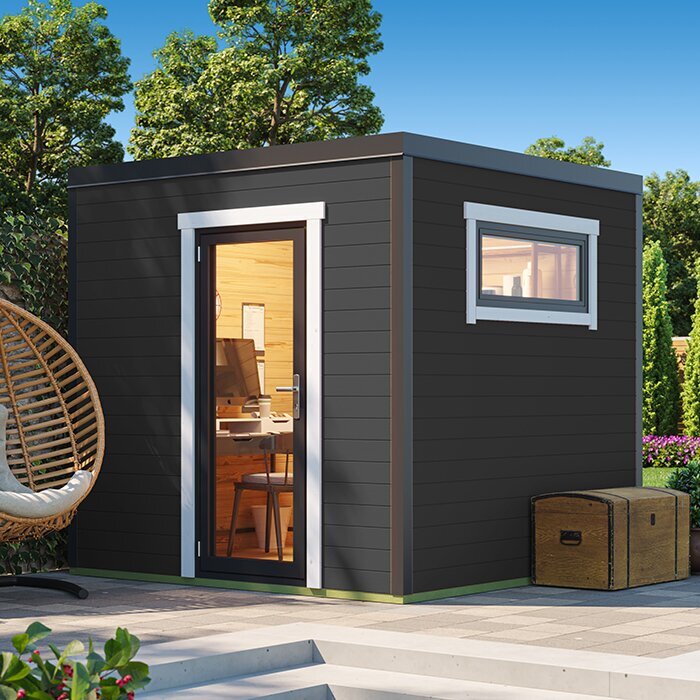
For a shed-labelled option, write down what needs to go inside and what you will do there. Bulky items may need a wider route through the doorway than their footprint alone suggests; shelving, a bench or a potting table also takes usable floor area. If you intend to move around while working, allow for that when judging the internal plan rather than counting only the exterior footprint. A catalogue example such as the Verdana 1 garden shed listing can be assessed using those questions, but its model name does not answer them. Use the stated measurements and details, and ask for clarification if a drawing leaves something important unclear.
What the word summerhouse signals
A summerhouse usually signals a building intended for sitting or leisure: perhaps a quiet place to read, spend time with family or enjoy a hobby. The word says more about the purpose than about a precise construction method. Some shoppers may associate it with a light, open or glazed design, but those features are not guaranteed by the label. Sellers may use summerhouse for a range of sizes and layouts, and the same building could still be described as a garden building or shed in a broader category. The term is most useful as an indication of how a product is presented, not proof of what it can provide.
Decide what leisure use means for you before treating the name as a match. A seat and small table need a different arrangement from a hobby space with stored materials; regular use may also make access, ventilation, daylight and the openness of the layout important questions. Look for information about doors, windows, interior finish and any parts needed for your intended use. Summerhouse does not itself promise insulation, heating, electrical provision or year-round comfort. If your plans depend on heating or electrical equipment, ask a qualified professional about the requirements instead of inferring suitability from the name.
What log cabin says about style and construction
Log cabin is more closely tied to a building's timber character or construction. In its traditional sense, the phrase evokes walls formed from logs or log-like timber sections arranged in courses. In sales language, however, it can also evoke a cabin appearance without establishing the precise wall assembly. The label alone therefore cannot tell you whether a building uses a particular timber profile, joint, thickness or construction system. If the word matters to you for its appearance, ask what creates that look; if it matters for construction, rely on the product's written details.
For a buying comparison, identify exactly which property you mean by log cabin. You may be looking for a rustic appearance, a specific timber wall arrangement or simply a separate garden room; those are not interchangeable requirements. Review the described materials and construction, how the parts are joined, and what the seller says about intended use. Do not assume that the word cabin guarantees a particular strength, insulation level, weather performance or suitability for prolonged occupation. When a specification is central to your decision, ask for it in clear, itemised terms and seek professional input for any site-specific technical concern.
Why one building may carry more than one label
In retail language, a category and a product title can do different jobs. The category may make a building easier to find, while the title may emphasise whether it is presented as a cabin, a summerhouse or a practical garden structure. The same timber building can therefore be described using more than one of these terms. A garden shed can be used for leisure; a summerhouse can include practical storage; a cabin style can appear in either description. This overlap is why a search result's label should not be treated as a complete comparison. When the terms seem inconsistent, return to the stated use, plan and material description.
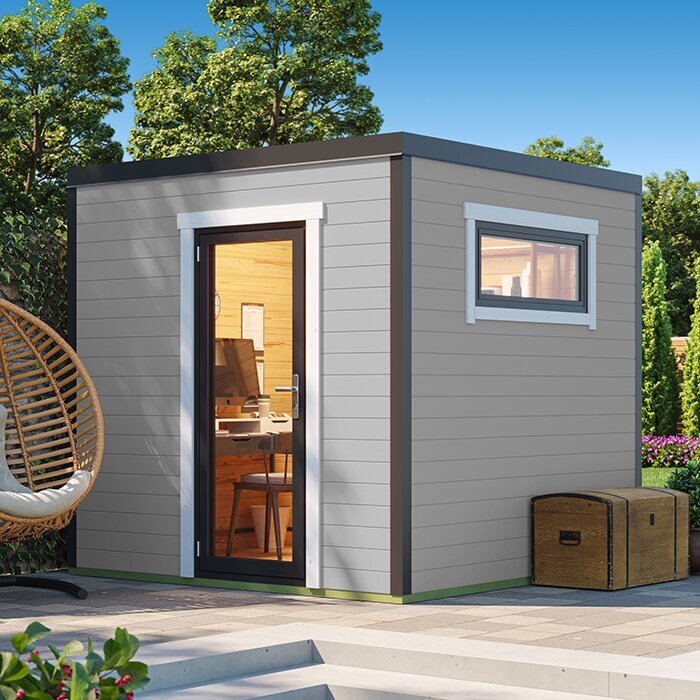
Search under more than one name, then compare like with like: stated dimensions, construction, layout and included items. If one listing says summerhouse and another says garden shed, ask what specific features make each suitable for your intended use rather than assuming the names signal a complete set of differences. The Verdana 2 garden shed listing is an example of a product name using the garden-shed wording; that label alone does not establish how its details compare with a listing called a summerhouse or log cabin. The descriptions and measurements are what allow a useful comparison.
Match the building to its main use
A clear use statement makes broad labels easier to interpret. Decide whether the main purpose is keeping equipment under cover, carrying out a hobby, sitting in the garden or combining more than one activity. Then list the items, furniture or work surface the building must accommodate. If it has more than one role, decide which takes priority; otherwise, a layout that works well for one activity may leave too little room for another. This is not about choosing a name that sounds right. It is about turning the idea behind the name into requirements you can compare with the product information.
Separate essentials from preferences. For example, you might need a particular amount of usable floor area, a clear route for moving equipment, or room for seating as well as storage. A descriptive title such as Durano spacious garden shed still needs to be checked against stated measurements: the word spacious does not tell you whether the layout will work for your equipment or furniture. Record the dimensions or features that matter to you, and compare each listing against the same points. This keeps a persuasive label from taking the place of a practical fit.
Read beyond the product title
When comparing dimensions, check what each measurement refers to. External measurements describe the overall space taken up by the building, while internal measurements are more useful for judging what can fit inside. A floor plan or diagram may also show how doors, windows and internal divisions affect usable space. Do not assume that two listings use the same measurement convention; compare equivalent figures where possible. If a dimension is important but its location or meaning is unclear, ask the seller to explain it before making a choice. The title, whether it says shed, summerhouse or cabin, cannot resolve that ambiguity.
Also check what the order includes and what may be an optional extra. Look for clear details about the building components, floor, doors, windows, fittings, finish and any selected options; do not assume that an item shown or mentioned is part of the supplied product. Information about assembly and preparation is also relevant to planning an order, but requirements can differ by building. For a product such as Veltor 1, use the available item description and documents rather than relying on its short model name. Ask for any important omission to be clarified before you compare the final offer.
Check appearance and construction separately
Words that describe appearance are not necessarily material specifications. A building may be described as cabin-like, modern or traditional, but those terms do not identify every material, finish or construction detail. Even the word wooden does not tell you which components are timber or how they have been treated. If material or construction is a deciding factor, look for the product's stated materials, wall details, finish and joining method. Where those terms are unfamiliar, ask the seller to explain them in plain language. This helps distinguish a style you like from the construction details you need to understand before ordering.
The finish and care requirements matter to ownership as well as appearance. Check whether a finish is supplied, what the product information says about upkeep and whether any treatment or further work is expected. If the design includes glazed openings or other features you rely on, confirm the exact details rather than assuming them from the label or photographs. The Orello 1 listing is a named option to assess using its published information, not a reason to infer specifications from its model name. Keep style preferences and confirmed construction facts in separate parts of your comparison.
Match the layout to how you will use it
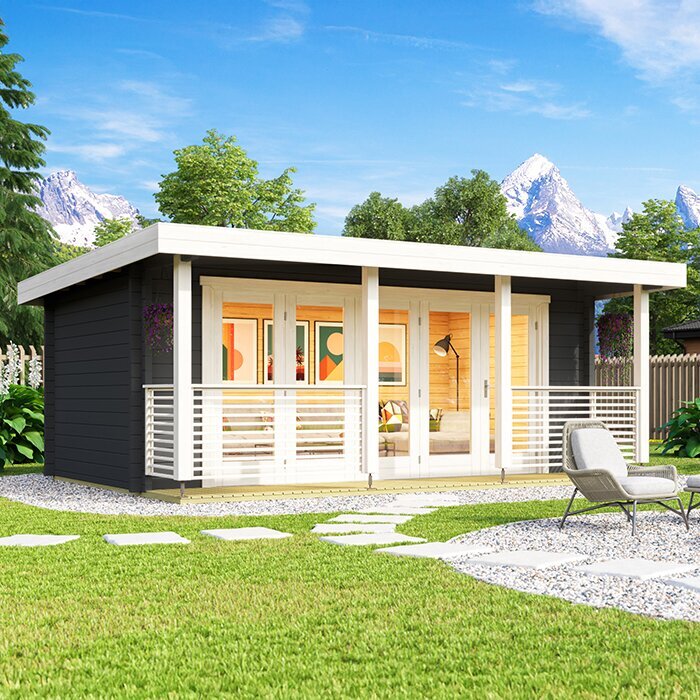
A building's usable layout can matter more than its broad category. Think through the interior arrangement: where equipment, shelves or furniture would go, how you would reach them, and whether there is enough room to move around. For a mixed-use building, sketching the intended arrangement can reveal whether practical storage and a seating or hobby area can coexist. Pay attention to usable internal measurements rather than relying only on the outside footprint. Also check whether furniture, shelving or other items shown in product imagery are actually included; images help you picture a product but do not establish its contents.
Consider how often you expect to use the building and what conditions that use requires. Occasional sitting, regular hobby work and prolonged use may call for different information about construction, ventilation, insulation or openings. The names summerhouse and log cabin do not confirm that a building is suitable for every season or for a particular form of regular use. Compare the stated intended use and technical details with your own needs; if a requirement is not covered, ask before ordering. For example, Modano 1 garden shed is a listing name, not evidence of internal dimensions or suitability for a particular activity.
Questions to settle before ordering
Before ordering, make a short list of points that matter for your choice: the main use, the measurements you need, the construction details, the layout and what is included. Add any questions about options, assembly or preparation that the product information does not answer. Keep the exact product name and any selected options with your notes, so you can distinguish one listing from another when comparing them. A product such as the wooden garden shed M should be assessed in the same way as any other: by the details provided for that specific listing, not by a general expectation attached to the words garden shed.
For a shortlist, record the same information for each option and note which points are confirmed, unclear or not relevant. Ask the seller to clarify important gaps, then make sure the order reflects the model and options you intend to buy. This also helps avoid confusing a broad description with a specific inclusion or intended use. There is no single label that identifies the right building for everyone. Garden shed, summerhouse and log cabin can guide your search, but a clear match between the stated details and your plans is what makes the choice meaningful.
Frequently asked questions
Are a garden shed, a summerhouse and a log cabin separate product types?
They are common labels, but their meanings can overlap. Garden shed usually suggests a practical purpose, summerhouse a leisure use, and log cabin a timber style or construction. Sellers may use the terms differently, so compare the details of each individual building.
Does a summerhouse have to be used only in summer?
No. The name suggests a place for leisure, but it does not confirm that the building is suitable only for summer or for comfortable use throughout the year. Check the stated construction and intended use. If your plans involve heating or electrical equipment, ask a qualified professional about the requirements.
Does log cabin always mean that the walls are made from logs?
Not necessarily. The term can refer to a traditional timber construction or to a cabin-like appearance. Check the product description for the actual materials and wall construction rather than relying on the name.
Can a garden shed be used for a hobby?
It may suit a hobby if its layout, dimensions and stated intended use meet your needs. The label alone does not confirm usable floor space, access or other requirements, so compare the product details with the activity you have in mind.
Which term should I use when searching?
Try garden shed, summerhouse and log cabin, as well as the broader term garden building. Since the labels overlap, compare the descriptions, measurements, construction and included items rather than choosing solely by the wording in a search result.
The names are most useful at the beginning: they help you find the kind of garden building you have in mind and understand why different listings look or read differently. A garden shed points towards practical use, a summerhouse towards leisure, and log cabin towards timber character or construction, but none is a complete specification. Once you have the right broad idea, judge each option by its intended use, described build, measured layout and included items. That makes the label part of your search, not the basis of the decision.
