
Garden Trends 2027: 12 Trends for Gardens in Malta
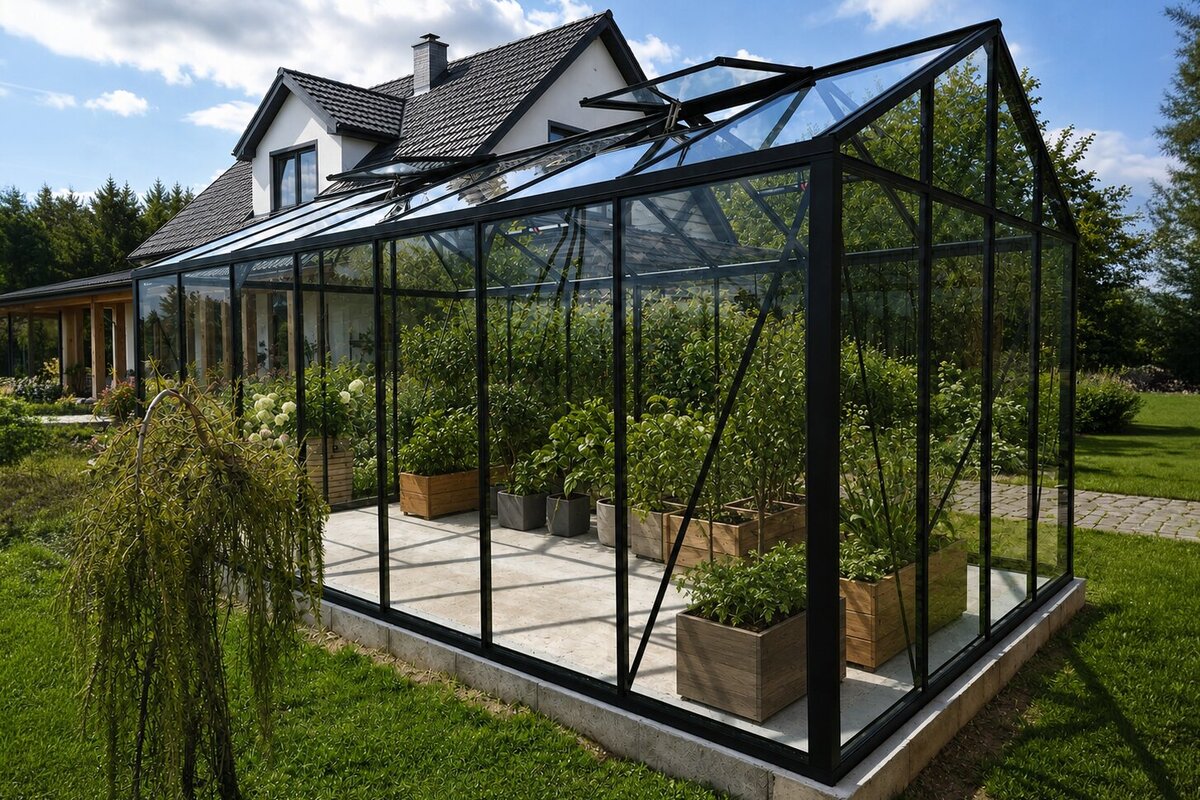
Seeing garden trends only as new colours, materials or planting fashions misses the point for 2027. Several long-term developments are converging in Malta: outdoor spaces should look beautiful while supporting wildlife, retaining water, reducing heat stress, producing food and demanding less routine care.
There are clear signs of this shift. A representative KfW Research survey from 2026 shows how firmly nature-friendly gardening is embedded in everyday life in Germany. 47 percent of garden-owning households use all four nature-friendly approaches examined by KfW. 89 percent avoid pesticides or synthetic fertilisers, 66 percent deliberately choose food plants for animals, and 74 percent consciously avoid invasive species.
These figures show that wildlife-friendly gardening is no longer a niche subject. In Malta, prolonged dry weather, heatwaves and occasional intense rainfall also require a rethink of planting and design. The most important garden trends for 2027 emerge where beauty, ecology and everyday practicality meet.
Ecology becomes design
01
The nature-led garden grows up
Malta’s nature-led garden in 2027 will differ greatly from simply letting everything grow. Its new quality lies in combining ecological function with clear design. Native or site-suitable perennials can grow densely, seed heads can remain through winter, and deadwood can be used deliberately, while paths, edges, seating and architecture bring order.
The KfW figures show that biodiversity is no longer only a concern of small specialist groups. In design terms, plant choices are increasingly judged by whether they provide food, shelter or nesting opportunities. A garden can become visually richer, not poorer, as a result.
The key step for 2027 is purposeful planning. A nature-friendly garden needs a concept: a sequence of flowers across the year, varied heights, structurally rich shrubs, open soil for certain wild bees and sheltered areas. The result can feel carefully composed while remaining alive.
A nature-led garden in 2027 is not neglected. It is more deliberate about what it allows nature to do.
Gardening in a changing climate02
Climate-resilient planting replaces fragile standard recipes
Current garden-trend analysis in German-speaking countries already puts water retention, climate-adapted planting and nature-led concepts centre stage. For Malta in 2027, the principle is clear: choose not from a wish list first, but from site, soil, exposure and water availability.
In sunny, heat-reflecting front gardens, robust perennials, deep-rooted shrubs and shade-giving planting layers matter more. Where heavy rain can occur, focus instead on infiltration, humus-rich soil and plants that tolerate temporary moisture. Even one plot can contain microclimates that need different treatment.
Plants that perform several roles become especially valuable: drought-tolerant and pollinator-friendly, shade-giving and edible, or structure-forming and low-maintenance. This multiple usefulness shapes many of the trends below.
Water as a design material · 03
Keep rain in the garden instead of sending it away quickly
In 2027, water management becomes a visible part of good garden design. Rainwater is not simply collected in a barrel; gardens are arranged so that rainfall remains on site for as long as possible. Shallow swales, permeable surfaces, planted dips, humus-rich beds and rainwater storage can work together.
This also changes the look of gardens. Large sealed surfaces and fully paved front gardens continue to lose appeal. Gravel paths with permeable bases, planted joints and areas that can briefly hold water during rain gain importance instead.
Targeted irrigation becomes more important in vegetable and greenhouse gardens. Drip lines place water at the root zone, mulch reduces evaporation and good ventilation helps prevent unnecessary stress. Anyone planning protected growing will find {link("https://www.bloomcabin.com/mt/greenhouses-and-conservatories","greenhouses and conservatories from Bloomcabin Malta")} in a range of sizes for different gardens.
Everyday biodiversity
04
From insect hotel to complete habitat
The classic insect hotel remains a charming detail, but in 2027 the focus moves to the entire habitat. Pollinators need more than nesting places: they need food for many months, water, shelter and areas with minimal pesticide use. Birds benefit from seed heads, berries and dense shrubs; soil life benefits from organic matter and less disturbance.
Seasonal gaps therefore matter more. A garden that flowers spectacularly for one period but offers little food at other times is less ecologically effective than a system staggered through the year. Early flowers, summer perennials, later bloomers and plants with useful winter structure should be planned together.
A new benchmark follows for design and care: not every spent perennial needs cutting back immediately, and not every leaf needs removing in autumn. Order belongs where use and sightlines require it; elsewhere, biological value can take priority.
Beautiful and productive
05
Food growing becomes part of garden design
In Malta, food growing can take a contemporary, visible place in the garden in 2027. Vegetable beds need not be hidden behind hedges; they can be integrated deliberately into the overall design. Chard, herbs, berries, fruit trees and edible flowers can each contribute colour, texture and structure.
This makes small spaces more interesting. A raised bed can also define an area; trained fruit uses a wall vertically; herbs beside a terrace connect kitchen and garden. Mixed planting gains new design value because it combines different leaf shapes, colours and flowering times.
For more ambitious home growing, a greenhouse can make sowing and harvesting more predictable, extend selected growing periods and shelter sensitive crops. In Malta, ventilation and shading should be considered from the outset. A classic model such as the {link("https://www.bloomcabin.com/mt/greenhouses-and-conservatories/aluminium-greenhouses/aluminium-classic-greenhouse.html","Aluminium Classic greenhouse")} can also serve as the architectural focus of a productive garden.
Redistributing space06
Lawns become smaller, but more valuable
Lawns will not disappear from Maltese gardens. They will be used more selectively. Where people play, relax or need open space, they remain useful. Edges, slopes and little-used front gardens, however, are increasingly converted into perennial beds, meadow-style areas or shrub planting.
This does not automatically reduce every task, but it changes the type of work. Rather than weekly mowing, a perennial area may need a few focused maintenance visits each year. At the same time, flowering, structure and soil protection against evaporation increase.
A compelling middle ground is therefore likely in 2027: neatly cut lawn as a calm stage, surrounded by richer, more natural planting.
Garden as living space · 07
Terrace, pergola and garden room become one architecture
The Maltese garden is increasingly planned like a floor plan. Rather than a single terrace, it can include zones for dining, retreat, planting, cooking and work. The key is not to fit in as many functions as possible, but to create transitions through views, surfaces, planting margins, shade and light.
Pergolas play a larger role because they define spaces without closing off the garden. A {link("https://www.bloomcabin.com/mt/greenhouses-and-conservatories/bloomcabin-bioclimatic-pergola/bloomcabin-pergola.html","bioclimatic Bloomcabin pergola")} can frame a dining or lounge space architecturally. By the building, a {link("https://www.bloomcabin.com/mt/greenhouses-and-conservatories/bloomcabin-wall-pergola/bloomcabin-pergola.html","wall-mounted pergola")} creates a clear transition between indoors and outdoors.
The trend is intentionally calm: fewer random individual items and more lasting spatial quality. Materials and colours are coordinated more closely with the façade, window lines and garden structure.
Less work, more impact
08
Low maintenance is planned, not promised
In 2027, “low maintenance” is not shorthand for gravel and three evergreen balls. A genuinely manageable garden comes from site-suitable plants, dense ground cover, durable materials and a realistic care plan.
Robust perennials in larger groups can reduce weed pressure. Shrubs are chosen to work without constant clipping. Irrigation is used efficiently where it is genuinely needed. Paths and edges simplify care without making the garden feel sterile.
This matters especially to households seeking high-quality outdoor spaces without committing every weekend to garden work. Investment shifts from short-lived decoration to structure that lasts.
Technology in the background
09
Smart gardening becomes quieter and more useful
In 2027, the winning garden will not be the one with the most sensors, but the one where technology quietly solves real problems. Soil-moisture sensors, weather-responsive irrigation, automatic ventilation and more precise plant identification can save resources and reduce poor decisions.
The relevant step is relating data to your own site. A general weather app says little about how dry a sunny raised bed really is. A sensor, or simply regular soil checks, can make irrigation more accurate.
This approach is particularly clear in a greenhouse: temperature, ventilation and humidity can be monitored more purposefully. The aim remains gardening, not technology for its own sake.
Intensify instead of compromise10
Small gardens become more spatially sophisticated
In towns and densely built neighbourhoods, space is precious. Good gardens in 2027 respond not with less design, but with greater precision. Vertical layers, trained fruit, slim planters, multifunctional seating edges and carefully chosen shrubs achieve more in smaller plots.
Protected growing can also be compact. Lean-to or narrow greenhouse solutions use places that might otherwise be unproductive. It is important to consider paths and door areas early, so the space remains practical.
A small garden also benefits from a calm material palette. A few repeated materials, clear sightlines and restrained colour in fixed elements make more abundant planting feel more refined.
Emotion over perfection · 11
The cottage garden returns in climate-adapted form
After years of highly reduced garden design, the desire for atmosphere, scent, abundant flowers and personal stories is growing. In 2027 this appears as a modern cottage revival: roses, perennials, herbs and fruit can feel denser and more romantic without becoming a historical copy.
The difference lies in plant selection. Rather than preserving delicate classics at any cost, choose robust varieties suited to the site. Native species can grow among traditional garden plants; drought tolerance and biodiversity become part of the romantic look.
The result is a garden with more emotion than strict minimalism, yet one better suited to today’s climate and maintenance needs.
Protected growing and architecture
12
The greenhouse becomes both growing space and garden architecture
A greenhouse fits the central trends of 2027 unusually well: home growing, climate adaptation, a longer garden season and the desire for a special place among greenery. It no longer has to be considered solely as a technical production area.
Depending on its size, it can protect young plants, grow tomatoes and cucumbers, shelter sensitive container plants seasonally or include a seat. Good planning considers ventilation, paths, beds, water and shading from the outset.
The {link("https://www.bloomcabin.com/mt/greenhouses-and-conservatories","Bloomcabin greenhouse collection for Malta")} illustrates how differently this role can be interpreted, from a classic productive greenhouse to a more architectural garden room.
A closer look
What these trends really mean for Maltese gardens
Malta is not one uniform gardening environment. Coastal exposure, dense towns, sheltered inland locations and Gozo’s more open landscapes require different responses. Trends matter in 2027 when translated into the site, intended use and realistic level of maintenance.
Place before one-size-fits-all gardens
A garden exposed to coastal wind and salt spray needs different treatment from a sheltered urban courtyard that stores summer heat. In exposed areas, wind and dry soil can dominate; shaded enclosed sites may retain humidity longer. In 2027, the important question is less “Which plant is trending?” than “Which plant will work on this particular site for years?”
This strengthens locally adapted planting concepts, robust perennials, native shrubs and closer observation of microclimates. South-facing walls, shade, wind corridors and sealed areas should be mapped deliberately. Such a garden can look more contemporary than a conventional one because it corrects less and plans more.
Nature-led gardening becomes more precise
A strong interest in nature-friendly and biodiversity-led gardening need not lead to a disorderly appearance. On the contrary, clear paths, calm material surfaces, precise greenhouse or pergola architecture and intentional edges can frame a freer growth of native perennials, grasses and shrubs.
For 2027, expect a clearer distinction between organising and living elements. Architecture becomes calmer while planting grows denser and more diverse. This reduces bare soil, creates habitat and can look more refined than a garden filled with isolated specimen plants.
Home growing becomes more selective and higher quality
Modern self-sufficiency does not mean every household wants to meet all its food needs in the garden. More attractive is a focused selection: excellent tomatoes, herbs, berries, salads or unusual varieties whose freshness and flavour are immediately noticeable. This is more realistic, space-efficient and better suited to contemporary homes.
A greenhouse reinforces this approach because sowing, raising young plants and heat-loving crops can be organised more reliably. Combining outdoor beds, perennial planting and protected growing works especially well, making production a visible part of the garden rather than a separate utility plot.
Maintenance becomes a planning measure
Many garden owners want more greenery without more routine work. This creates an important distinction: low maintenance must not mean few plants. Dense, site-suitable perennials and ground cover can create less work over time than large open gravel or bark areas that constantly need clearing of unwanted growth.
For planning in 2027, ask a simple question for every zone: what work arises weekly, seasonally or only every few years? A good design distributes effort. Keep lawn where it is used; let robust planting take over edges; use automatic irrigation or ventilation only where it genuinely saves time.
From outlook to your own garden
How to turn the trends into a realistic garden plan
Not every trend belongs in every garden. A useful sequence clarifies site and use first, then makes style decisions.
- Map the site. Observe sun, shade, wind, soil moisture and problem heat zones over several days.
- Understand water routes. Check where rain infiltrates, runs off or remains before planning new surfaces and beds.
- Assess lawn by function. Keep only areas genuinely used as lawn; edge zones may become more valuable ecologically.
- Create a flowering calendar. Combine early, summer and late flowers so pollinators find food for a long period.
- Integrate edible plants. Place herbs, berries or trained fruit where they also make a design contribution.
- Define outdoor rooms. Separate sitting, dining and garden areas clearly but gently with plants, paths or a pergola.
- Plan the greenhouse early. Consider foundations, paths, water access, sun and ventilation before completing the rest of the garden.
- Use technology selectively. Use sensors and automation where they genuinely reduce water use, time or plant losses.
FAQ
Garden trends 2027 in Malta: common questions
What is the most important garden trend for Malta in 2027?
The strongest trend is linking nature-friendly gardening with climate resilience. Gardens should support biodiversity while coping better with heat, drought and intense rainfall.
Is a nature-led garden automatically low maintenance?
No. A nature-led garden still needs planning and care. With site-suitable plants, dense planting and less formal clipping, however, ongoing work can be different and often lower.
Will the traditional lawn disappear?
Not entirely. Lawn remains useful where it is used. Little-used areas, however, are more often converted into perennial, meadow-style or shrub areas.
Will home growing remain relevant in 2027?
Yes. Combining ornamental and productive gardens is especially appealing: vegetables, herbs, berries and fruit are increasingly integrated into the overall design.
Does a greenhouse suit a modern nature-led garden?
Yes. Well positioned, it can provide an architectural counterpoint to looser planting while extending the growing season.
What garden technology is useful in 2027?
Above all, technology with a clear benefit: precise irrigation control, soil-moisture measurement, local weather data or automatic greenhouse ventilation.
The Maltese garden of 2027 is less decorated and better considered
The most interesting garden trends of 2027 are not short-lived style changes. They reshape what a good garden should do. Biodiversity, water, climate, food, relaxation and architecture are no longer considered separately.
This creates more personal gardens. A small town garden can be highly productive with vertical planting and a compact greenhouse. A larger family garden can combine lawn, natural areas and covered outdoor rooms. A strictly modern house can gain warmth from loose, ecologically valuable planting.
The best garden in 2027 will therefore not be the one that copies every trend. It will be the garden whose plants, materials and spaces suit its place so precisely that it becomes more beautiful, more alive and easier to use.
Planning your garden for 2027?
If a greenhouse, pergola or lasting garden room is part of your plan, explore the Bloomcabin collection for Malta as a starting point for sizes, forms and architectural possibilities.
Sources and further information
- KfW Research – Biodiversity in German gardens 2026
- Maschinenring – Garden trends 2026: climate-resilient, nature-friendly gardens
- Bloomcabin Malta – Greenhouses and conservatories
Garden trends for 2027 are an editorial outlook based on data, specialist sources and developments available in 2026. Plant choices and suitable measures should always be adapted to the region, soil, microclimate and plot.
