
Keeping a Glazed Garden Shed Comfortable in Summer
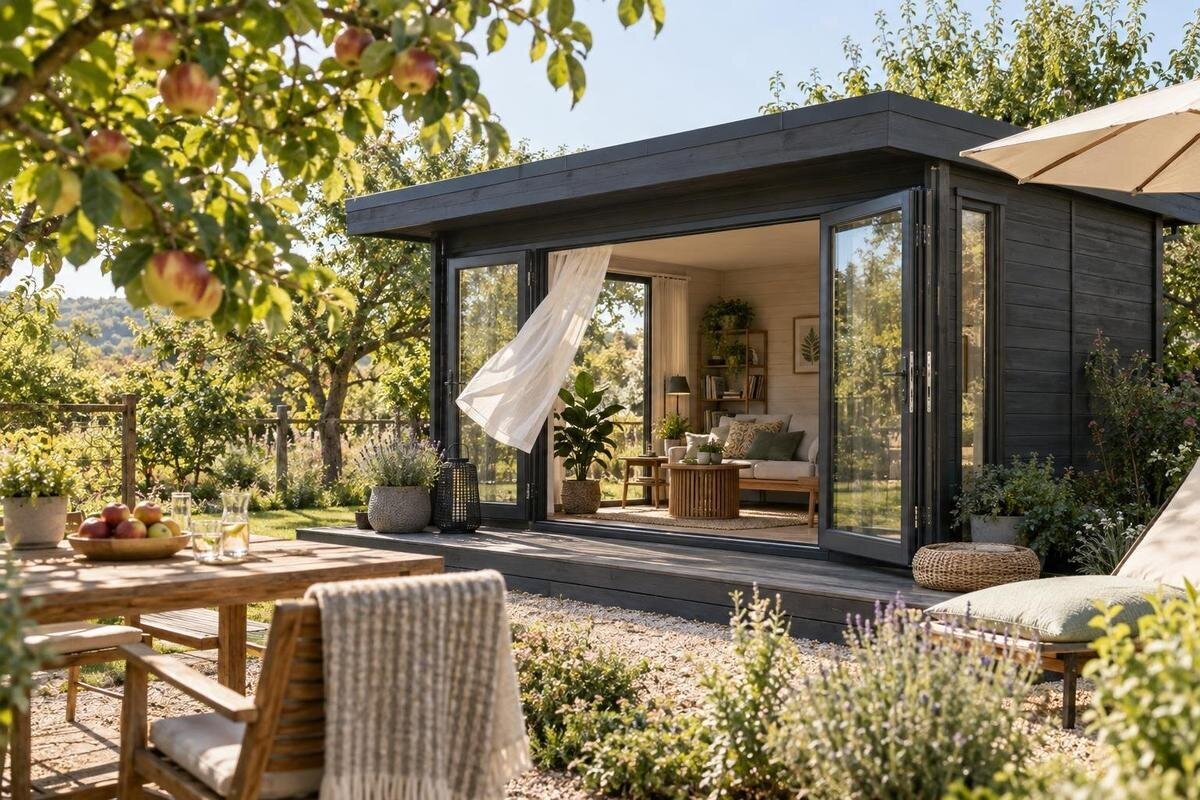
Garden shed planning
Glazing can make a garden shed bright and inviting, but direct summer sun may also bring glare and warmth into the space. In Malta’s warmer months, comfort depends on more than the amount of glass: placement, shade, openings and the way you use the shed all play a part. This guide explains what to consider before buying and how to preserve useful daylight without leaving the interior exposed to sun for hours.
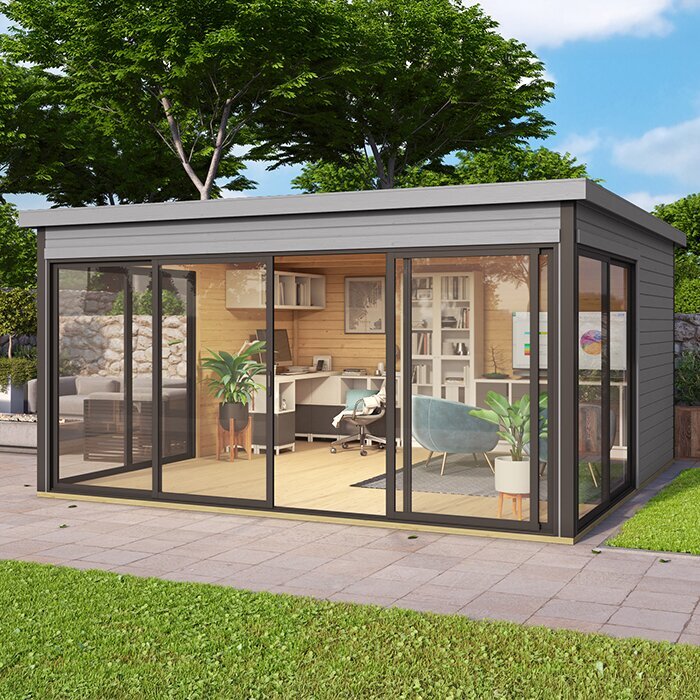
Why glazing can feel hot in summer
A glazed garden shed can feel warm for two different reasons: the air has warmed, or direct sun is falling on people and surfaces. Sunlight passing through glass is absorbed by floors, furniture and other objects; these then give off heat into the room. That is why a chair beside a bright pane can feel uncomfortable before the whole interior seems stuffy. The amount of glass, its position, the time of day, the shed’s surroundings and its openings all matter. A photograph taken in soft light cannot show how the same space will feel when direct sun reaches the glazing. If the design has roof glazing, consider it separately, since it may receive sun even when the walls are shaded.
Brightness and temperature are related, but they are not the same problem. A patch of sun can create glare on a screen or an uncomfortable seat even when the overall temperature seems manageable; conversely, a poorly ventilated small room may feel warm without much direct light. Decide whether the main use is sitting, reading, gardening tasks or storage, and at what hours it takes place. That description gives you a practical test: does sun fall on the occupied area, and can you shade or ventilate the shed during those hours? It also stops you choosing glazing only by how open it makes the garden look. A shed used briefly to collect tools has different priorities from one used every afternoon as a workroom.
Read the sun on the proposed site
Before choosing a position, mark the proposed footprint and observe the site at the hours you are likely to use the shed. Notice when direct sun reaches the side intended for glazing, whether the roof is exposed, and how shadows from the house, walls or established trees move. Check more than once: sunlight and shade shift through the day and season, and a tree’s canopy may change with foliage. A compass direction alone cannot tell you how exposed a particular plot will be. If possible, note the effect on the spot where a chair, desk or potting bench would go, rather than judging only from outside. Also consider whether the approach to the shed and a nearby place to sit are practical in the shade available.
Then compare that sun pattern with the exact glazing layout of a candidate. On the Verdana 1 garden-shed listing, confirm whether the exact variant has glass and which side carries it; the model name and a front-facing photograph do not establish either point. Match the supplier’s plan with the way you would orient the building on your plot. If the glazing position or dimensions are not shown, ask for them before comparing exposure. Where the shed can be oriented in more than one way, consider how each option changes the sunlight on the glass and the interior. Do not assume a narrow morning shadow will protect a window later in the afternoon.
Choose shade that preserves useful daylight
External shade can reduce direct sun before it passes through glass, so it is worth considering alongside the shed rather than as an afterthought. Depending on the site and the options confirmed for the building, this might mean making use of existing shade from a nearby wall or tree, or choosing a compatible external blind or separate shade element. An adjustable solution can be set to intercept direct sun while allowing more light when the sun has moved. A fixed shade panel may offer a simpler routine, but can darken the interior at times when daylight is welcome. Consider whether you can shade the most exposed panes while keeping another side bright, if the layout allows it.
Internal curtains or blinds remain useful for glare, privacy and local control, but the sun has already passed through the glass before an indoor covering intercepts it. They should not be treated as a complete substitute for external shade where solar gain is the concern. Choose a covering that can be adjusted without blocking every pane all day, and check that it will not obstruct doors, opening sections or the view you want. For a candidate such as the Verdana 2 page, ask whether the supplier confirms an external shade option for the exact configuration. Do not assume that an accessory shown in a lifestyle image is included or compatible.
Plan ventilation alongside solar control
Ventilation supports a shade plan, but it does not prevent sun from entering through a pane. When indoor air is warmer than outside air, opening suitable vents or windows can help exchange the air; when outside air is hotter, leaving openings wide may add warmth instead. The useful choice depends on conditions at the time, not a fixed rule such as keeping every window open throughout summer. Look for a route for air to enter and leave, rather than relying on one small opening or an open door alone. If the only practical way to ventilate is to leave the main door open, consider whether that fits your routine and the way you use the space.
Compare the opening positions on the actual specification, including which parts can be opened and whether air can pass through the room. For the Durano garden-shed listing, check the product information for those details rather than inferring ventilation from a model name or photograph; if the plan is unclear, ask the supplier for the relevant layout. A marked window is not necessarily an opening window, so confirm how each section operates. A room with openable glazing still needs shade on the pane receiving direct sun. In practice, shade limits further solar gain, while ventilation can release accumulated warmth when conditions outside are favourable.
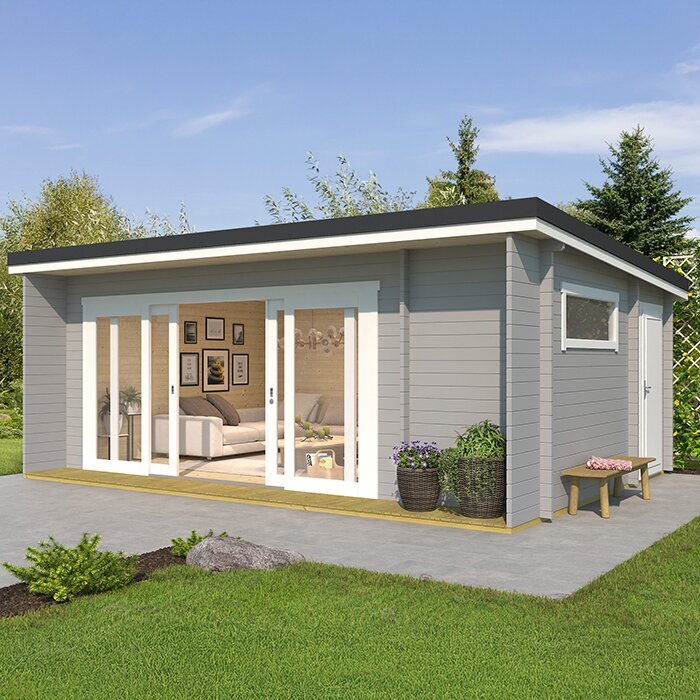
Compare the glazing specification
Ask what glass is specified in the exact version you are considering, and whether a solar-control option is available. If performance figures are provided, check what each one describes. The solar factor, often shown as a g-value, indicates how much solar energy passes through the glazing; visible-light transmission indicates how much daylight passes; and a U-value describes heat transfer through the assembly. A U-value alone does not tell you how effectively a pane limits summer sun. Ask whether the figures cover the full glazed unit, including fixed and opening sections, rather than only the centre of the glass. You do not need to calculate a building’s performance; ask for clear, comparable information for the configuration being quoted.
More solar control can help limit heat, but it can also change the amount or quality of daylight, depending on the glass and coating. That trade-off matters in a small garden room, where a darkened interior may lose the open feel you wanted. The linked product pages are prompts to verify exact details, not evidence of a particular glass type or summer performance. For the Veltor 1 product page, look for the stated glass, glazed area and any quoted solar-control data; if they are not listed, request them. If a quote gives only a general description, ask what it means for solar control. Compare the full proposed arrangement rather than judging glass colour in a photograph.
Arrange the interior around sun and use
Plan the interior around the sun path as well as the floor area. If a seat, workbench or screen sits directly in the beam, moving it away from the glazing may improve comfort without losing daylight across the rest of the shed. Place a screen where the window is less likely to reflect in it, and put reading or hobby space where adjustable shade can reach it. Leave a clear route to doors and windows so daily use does not require moving furniture before you can ventilate or adjust a blind. If several people will use the shed, consider whether each can sit or work away from the same sunny patch. Mark likely furniture positions on a plan before buying.
For a candidate such as the Orello 1 garden-shed page, use the stated internal dimensions and glazing plan, if provided, to test your layout; do not assume usable floor area from an exterior photograph. Include the space needed to operate doors and opening windows, and note where a sunny pane would sit in relation to the furniture. A larger glazed opening might suit the view but leave fewer ways to arrange a shaded work area; a differently positioned window may give a better balance for your routine. These are layout questions, not claims about one model. If dimensions or window positions are missing, request a drawing of the exact version before deciding.
Consider doors and the space outside
Think about how the entrance connects the interior to the rest of the garden. A door that is often left open can help air move when outdoor conditions are cooler, but may bring in warm air during hotter periods; it is not a dependable cooling strategy on its own. The surface just outside matters too: a bright view, reflective paving or sun falling straight through the doorway can add glare to the seating area. Walk the route from the house, imagine opening the door with furniture in place, and identify whether you can sit in an existing shaded part of the garden. A comfortable outdoor spot gives you an alternative without forcing the shed to be dark.
Before ordering, confirm the door location and opening arrangement for the exact candidate, along with the room needed to use it. Read the Modano 1 listing for its stated layout, rather than treating it as evidence of a particular door or glazing position; ask for a plan if the details are not clear. If you want shade near the entrance, confirm that the proposed solution is compatible with the shed. Do not attach an awning or other structure unless the manufacturer confirms the arrangement is suitable. Check where an open door will sit in relation to a chair, table or path, as well as whether it blocks an opening window.
Keep shade and openings easy to manage
Once the shed is in use, pay attention to when the sun actually enters rather than relying on fixed clock times. If the shade is adjustable, close it before direct sun reaches the main seating area and open it again when the beam has moved, provided the supplier’s instructions allow it. Ventilate when outside conditions are more favourable, then close openings when they would bring in hotter air. A few notes on sunny days—when the light reaches the glass, which side is exposed and what feels uncomfortable—can reveal whether the problem is a hot seat, screen glare or general warmth. Compare days with similar conditions, rather than drawing conclusions from one cloudy afternoon.
Make the controls easy to reach and maintain. Ask how any optional blind, vent or glazing component is operated, cleaned and stored, and what routine care its maker recommends; awkward controls are less likely to be adjusted when needed. For a candidate reached through the wooden garden shed M page, request instructions for the exact model and any proposed accessory rather than assuming one is included. If a movable shade needs to be raised, consider where it will sit and whether it will obstruct an opening. Simple, manufacturer-approved controls are more useful in daily summer use than a feature that looks effective in a photograph but is difficult to manage.
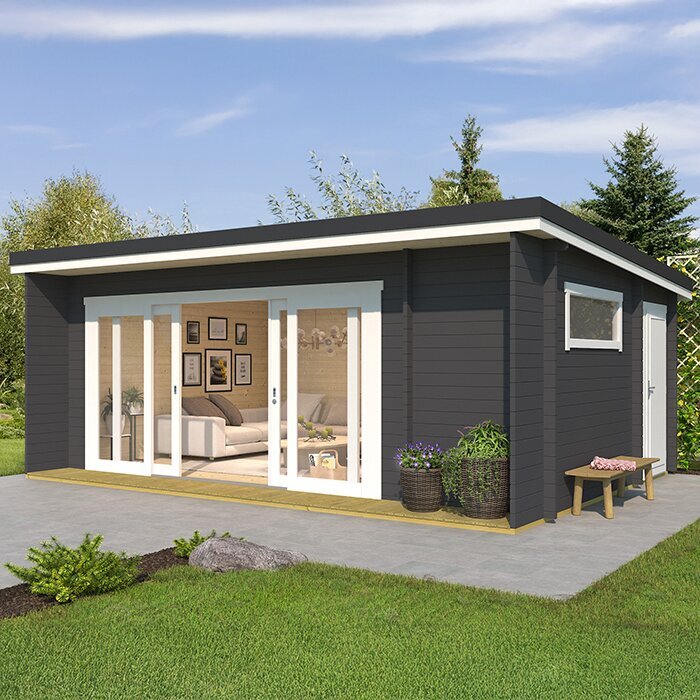
Allow for the full cost of summer comfort
Compare the cost of the complete arrangement, not just the base shed. Ask which glazing and opening components are included, whether shade is an optional purchase, and whether it needs separate supply or fitting. If you plan to add interior blinds later, ask whether the chosen dimensions and frame allow them; for external shade, check compatibility before buying rather than assuming a generic product will fit. Ask what installation, care and warranty terms apply to the exact components, and whether maintenance materials or replacement parts are available. It is useful to have the answers itemised in the quote, so you can see which comfort features are included and which would add to the overall cost.
If you are comparing a storage-focused model such as the wooden garden storage shed S listing with a glazed room for sitting or work, confirm the intended use and exact configuration before comparing prices. The name alone does not confirm glazing, ventilation or comfort features. Apply the same check to every model: establish what is supplied, what can be added and what is suitable for that version. If summer comfort depends on a particular feature, ask for confirmation before ordering. A storage option and a regularly used garden room are not a fair price comparison unless both meet the same practical requirements.
Settle the details before ordering
Before placing an order, write a short brief about your use: the hours you expect to be inside, whether you need space for a desk or seating, how much daylight you want and which side of the plot receives sun. Compare that brief with the product plan and stated glazing. The positions of fixed and openable panes, the door and any roof glazing should be clear. Ask about the glass specification, shade options and ventilation arrangement for the selected version. A simple sketch of the proposed site and the shadows you observed can help explain the layout you have in mind. Note any missing details, such as a compatible blind or the dimensions needed to plan furniture.
Use the same comparison points for every quote: exact model and variant, glass details, opening sections, dimensions, included accessories, optional costs and care guidance. If a key point is missing, pause until the supplier clarifies it; a picture or broad category description cannot settle a configuration detail. Then return to your site observations: will the proposed glazing face the sun when you use the shed, and is there a practical way to shade it while retaining daylight? Ask the supplier to identify which performance information applies to the version being quoted. This final check keeps the decision tied to your plot and routine, rather than to a showroom image or an assumed specification.
Frequently asked questions
Does more glazing always make a garden shed hotter?
Not necessarily. Direct exposure, the area and specification of the glass, available shade and openings all affect comfort. A glazed shed in partial shade may feel different from one exposed to direct sun for much of the day, so compare the exact layout rather than judging from a photograph.
Are internal blinds enough to control summer heat?
They can reduce glare and make a seat or screen more comfortable, but they intercept sunlight after it has passed through the glass. External shade can help keep direct sun off the pane. Check that any option suits the glazing and still allows useful daylight.
Should I leave the windows open all day?
There is no fixed rule for every day. Openings can help when the outdoor air is cooler than the air inside, but may bring in more warmth when conditions outside are hotter. Adjust them to the conditions and follow the instructions for the opening system.
How can I keep daylight while reducing glare?
Use adjustable shade on the glazing receiving direct sun and leave other panes clear where practical. Arrange seating or a desk outside the sunbeam, then adjust coverings as the sun moves. Check that shade does not obstruct doors or opening sections.
What should I confirm before ordering?
Ask for the glass specification, the positions of fixed and openable panes, the dimensions, compatible shade options and a clear list of included accessories. Make sure the written quote describes the exact version you intend to buy.
A comfortable glazed garden shed is planned as a whole: its position, glass, shade, openings and furniture all affect how it feels. Choose a layout that suits the hours you will use it, then make sure the controls you rely on are practical in everyday summer conditions. That way, natural light can remain a benefit without leaving the space exposed to direct sun.
