
Greenhouse snow load: compare technical specifications
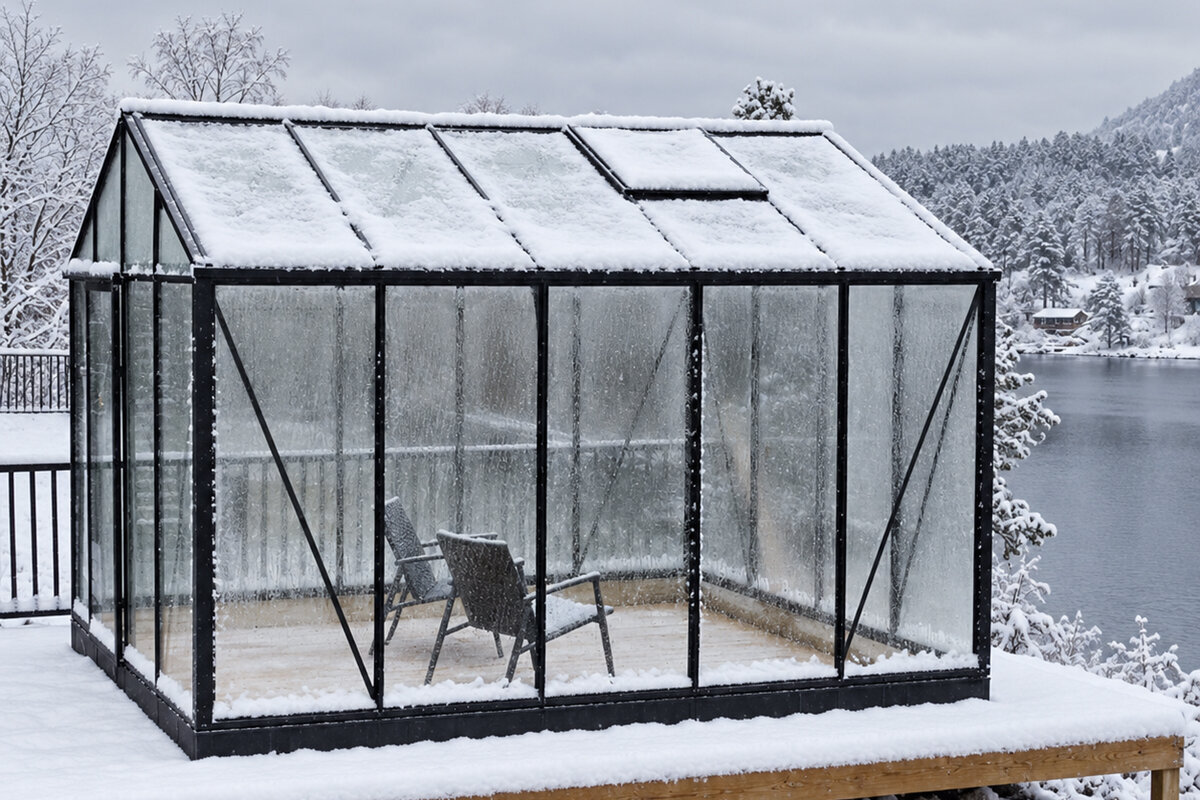
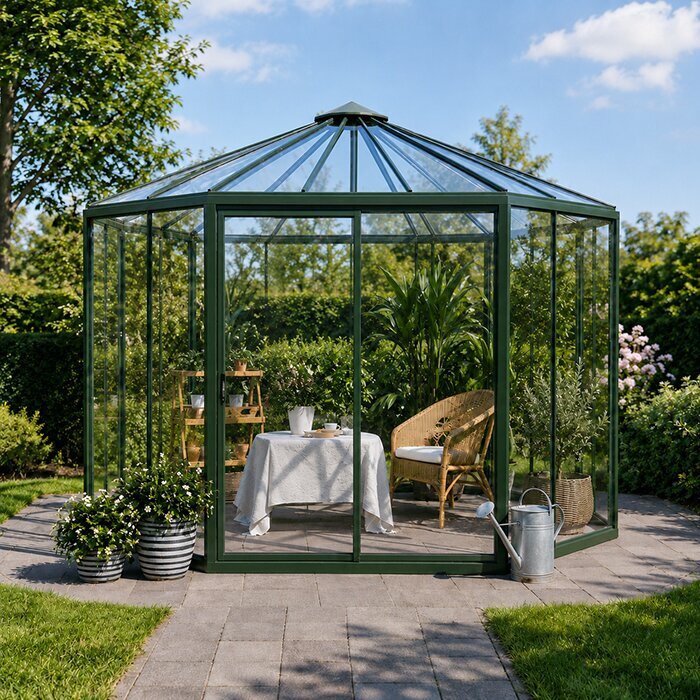
When planning a greenhouse for year-round use, do not treat a snow-load rating as an isolated figure. What matters is what has been documented, which version it covers, and the requirements for foundations, assembly and use.
Snow does not affect a greenhouse merely as a visible layer on its roof. Wet, compacted or wind-blown snow can behave very differently from fresh, loose snow. A meaningful comparison therefore needs more than a figure in a product sheet: start by asking how the load is defined and which components belong to the stated configuration.
For a Maltese project, the exact garden site and its surroundings still matter, even where snow is unusual. Exposed winds, roof runoff, shade, nearby buildings and trees can affect loads and water movement around the structure. A technical specification supports planning, but it does not replace a site-specific assessment.
This guide explains how to read greenhouse snow-load information systematically and compare offers fairly. It outlines which documents to request, why foundations and anchoring belong in the assessment, and which questions are useful before ordering. This turns a headline figure into a sound basis for a decision.
Technical basis · 01
What a snow-load rating actually means
A snow load is an area-related action on the roof structure. It helps explain the load a manufacturer has documented for a particular version. It does not automatically mean that every variation in a range, every size or every accessory has been assessed identically. Always read the relevant model designation and stated scope.
It is especially important to distinguish a product specification from conditions at the actual site. The documented design relies on defined assumptions. In practice, snow may settle unevenly, compact or build up in isolated areas through wind. Consider these exceptional effects when choosing the position and planning winter checks.
Also establish whether the technical statement concerns evenly distributed loads or addresses special accumulations separately. Snow can gather differently at junctions, gutter areas and beside higher structures than across an open roof. A model drawing and its assembly documents help ensure that these construction differences are not missed during comparison.
- Check whether the rating expressly covers the whole structure or only individual frame or roof elements.
- Ask about the scope where the product page, assembly guide and technical sheet provide different levels of detail.
As a starting point for a clearly documented freestanding form, consider standard Classic greenhouses and always compare documentation model by model.
Comparability · 02
Read roof shape, size and version together
A value can only be compared meaningfully when the underlying forms are similar. Roof pitch, spans, profile geometry and the way loads are distributed through frame and glazing shape the construction. A larger greenhouse is not simply an extended smaller model: extra bays and altered spacing can create technical differences.
For lean-to greenhouses, the interface with the building is an additional factor. The wall forms part of the setting, but its suitability, fixings and weatherproofing must be planned separately. Do not assume that a lean-to structure needs less attention during snow merely because of its position.
For a clean comparison, keep all documents for a configuration together. These include the product description, technical data, assembly guide and details of optional components. Check whether guidance applies to a basic specification or only with particular reinforcements. This prevents information from different variants being mistakenly combined into an apparently suitable rating.
- Compare only details that concern the same product size, roof version and glazing option.
- For lean-to models, clarify requirements for a load-bearing wall, connection details and anchoring.
For planning beside a house, find suitable sizes among full-size Lean-To greenhouses and check the wall connection as well as the product specification.
Reading documents · 03
Documents that offer genuine guidance
A clear product description is a useful introduction, but is rarely enough for a technical decision. The key documents bring together the model version, dimensions, components, anchoring and assembly conditions in a traceable way. The more clearly a configuration is described, the better you can compare greenhouses objectively and identify questions early.
Do not read instructions as mere footnotes. Statements on foundations, permitted equipment, inspection duties or action in exceptional weather form part of the technical picture. If something remains unclear, ask before ordering which version it concerns. A brief verbal answer is no substitute for the relevant product documentation.
A simple sketch of the intended position is helpful. Mark house walls, adjoining roofs, trees, paths and areas where roof runoff or debris may fall. Add the prevailing winter wind direction and places where material tends to collect. This preparation makes discussions with professionals more practical and helps apply technical advice to the actual garden.
- Record the model name, dimensions, roof version, glazing and planned accessories beside each snow-load detail.
- Check whether the assembly guide and technical description name the same configuration or refer to additional conditions.
When reviewing documents, you can use the product variants of standard Classic greenhouses as a clear comparison framework.
Site assessment · 04
Assess the garden, not simply the region
Regional weather experience is useful, but insufficient for a specific position. A sheltered corner may retain moisture or debris, while open areas can experience wind effects. An adjoining roof, high fence or dense planting also changes airflow and accumulation. Observe, where possible, how winter weather behaves at the intended location.
The ground is equally important. A level, load-bearing and properly prepared foundation supports the intended transfer of forces and careful assembly. Sloping ground, unstable soil or improvised supports can complicate planning. Where uncertain, seek professional advice and discuss construction questions with the relevant authorities.
Anchoring should not be decided only during installation. Check early which foundation solution is intended for the chosen greenhouse and whether the ground can be prepared accordingly. Differences in level, height or fixing can prevent components from working together as planned. Document the completed base and retain assembly information for later checks.
- Look for areas at the site where snow, water or debris can collect through wind, roof runoff or shade.
- Plan safe access so you can inspect the greenhouse and follow manufacturer instructions during winter.
Where a house connection shapes the location, examine regular full-size Lean-To greenhouses and their requirements for wall and foundation particularly carefully.
Understanding construction · 05
Why foundations and anchoring matter
A roof can perform its role only as part of the complete load-bearing structure. Profiles, connections, glazing, base and anchoring transfer forces and stabilise the construction. It is therefore problematic to compare a single snow-load figure alone. A properly designed foundation following assembly instructions is not an extra consideration, but part of the intended structural basis.
Changes after assembly also deserve attention. Shelving, plant supports, interior fittings or other additions should not be confused with load-bearing components without checking. Follow the assembly and operating instructions for your model. If the site or intended use differs from them, technical suitability should be clarified professionally in advance.
A winter routine works best when responsibilities and safe procedures are agreed before the season begins. After notable weather changes, inspect not only the roof but also doors, connections and the area around the greenhouse. Take unusual noises, deformation or blocked access seriously. Do not make unauthorised changes to structural parts; follow model-specific instructions.
- Use product-specific foundation and fixing requirements rather than general experience from other garden projects.
- After assembly, check that frames, doors and glazing sit without stress and all connections are completed as intended.
For freestanding garden solutions, consider Classic greenhouses as a standard model together with the applicable assembly information.
Winter operation · 06
Plan inspections and care during snowfall
A good choice considers not only construction but also how it will be managed in winter. Watch roof areas and junctions, especially after wet snow or changing temperatures. Follow the manufacturer’s operating guidance on whether and how snow should be removed. Unsuitable tools or point loads can damage components.
Keep doors, paths and the space around the greenhouse accessible. Snow or debris falling from nearby building elements or branches should not be underestimated. Do not work carelessly on the roof; safety comes first. In unusual loading conditions or where changes are visible, stop use and seek professional advice.
When comparing offers, separate documented information clearly from your own assumptions. Missing information is not evidence that a feature exists. Record open points, the status of documents and answers to each query. This overview supports an objective decision, especially where several sizes, roof forms or specifications appear similar at first glance.
- Before winter, decide who will make visual checks and how exceptional weather conditions will be handled safely.
- Avoid hard edges, aggressive tools and one-sided loads on the roof, frame or glazing.
At a building, short inspection routes make it easier to look after full-size regular Lean-To greenhouses during the colder season.
Assessing offers · 07
Compare technical specifications fairly
Create a short comparison list for every offer instead of recording only product names and a peak value. Note the relevant model size, roof form, foundation concept and assembly conditions. Add open questions beside them. You can then see quickly whether two specifications are genuinely comparable or describe different starting conditions.
Look for complete communication: good technical information makes assumptions visible instead of advertising with one figure alone. Do not draw positive conclusions from absent details. If you need evidence for planning, insurance or permission matters, ask the competent authority, insurer or professional which documents are required in your case.
Before ordering, make a final comparison between your desired configuration and the documents you have actually reviewed. Check that the model name, size, roof version, glazing and intended accessories match. Ask again about the relevance of technical data after changes. This keeps clear which conditions apply to your chosen greenhouse and what to consider during assembly, checks and winter use.
- Compare the delivery scope with the described configuration so accessories or special equipment do not silently alter the basis.
- Where unclear, ask for written confirmation that the technical rating applies to your selected greenhouse.
For a clear product comparison, use standard Classic greenhouses as a reference where identical versions are being compared.
Preparing a decision · 08
Resolve open questions before ordering
The best decision comes when product documents and site planning fit together. Describe the intended position, desired size and special circumstances, such as proximity to a house or an exposed location, to the supplier. Ask specifically which configuration technical information concerns. This avoids a general information level being misapplied to your actual project.
Also consider procedures after assembly. Who will inspect the structure in winter, how will access work, and what action is specified in the instructions? If planning questions arise in Malta, consult the Planning Authority and a perit early. Permissions depend on the site, designation, proposal and applicable conditions and must be assessed individually.
- Gather photographs, measurements and information about the intended position before raising technical questions on a particular configuration.
- Keep the product description, assembly guide and order configuration together so later checks remain traceable.
For projects directly against a façade, discover full-size regular Lean-To greenhouses and agree the details before implementation.
Comparison
Compare snow-load information correctly
These comparison questions help you avoid reducing technical information to a single figure. Enter details from the relevant product documents and mark differences. Where an answer remains open, make a specific enquiry before making your final choice.
| Check question | Comparable detail | Why it matters |
|---|---|---|
| Does the rating apply to the selected model? | Model name and exact dimensions | Variants within one range may be constructed differently. |
| Which roof version is described? | Roof form and construction details | Load distribution depends on geometry and supporting structure. |
| Which assembly is assumed? | Foundation, anchoring and assembly instructions | The technical design also relies on correct fixing. |
| Are equipment options included? | Glazing and intended accessories | Different components can change the comparison basis. |
| Are there operating instructions for winter weather? | Checks and recommended actions | Safe operation complements structural assessment. |
Putting values in context
A snow-load rating describes a technical design under defined conditions. Without reference to model, area, roof and assembly, it is not a complete comparison.
Check the site
No two snow situations are identical. Local accumulation from wind, roof edges or unfavourable deposits deserves particular attention in garden planning.
Match the documents
Request product-specific technical information and compare conditions, excluded configurations and winter-operation guidance carefully.
Five steps towards a sound choice
Start with the garden and work towards product details. This order prevents one figure from obscuring assembly, use and local site characteristics.
01
Record the site
Document area, access, ground, proximity to a house and possible snow accumulation. Observations from past winters are more useful than broad assumptions.
02
Choose the model
First select the construction type and size for your intended use and space. Record the exact configuration before comparing technical details.
03
Match the documents
Read the product description, assembly requirements and guidance together. Check that snow-load information is clearly assigned to your selected model.
04
Prepare the foundation
Plan ground preparation and anchoring according to the requirements for the chosen version. Professional advice may help in difficult conditions.
05
Organise winter checks
Set out access, visual inspections and action for exceptional snowfall. Always observe product-specific operating and safety guidance.
Checklist for your technical enquiry
These points help you obtain more targeted answers and compare offers clearly. Take the list to a consultation or use it while reading a data sheet.
01. Record the exact model name, size and desired roof version in writing.
02. Have the snow-load rating assigned clearly to the selected configuration.
03. Check requirements for foundation, base and anchoring in full.
04. Include planned glazing and accessories in the technical comparison.
05. Assess the site for drift, roof runoff and lingering snow accumulations.
06. Read the assembly guide for special winter instructions before ordering.
07. Plan access for safe visual checks during winter months.
08. Clarify individual requirements directly for authority or insurance queries.
Frequently asked questions about greenhouse snow loads
Is a higher snow-load rating always the better choice?
Not automatically. A rating is meaningful only alongside the specific construction, size, assembly and documented conditions. What matters for your garden is whether the selected configuration suits the site and intended use. Compare complete technical information rather than isolated values.
Can I compare information from different manufacturers directly?
Only where the details refer to comparable models and conditions. Check roof form, spans, foundation requirements, glazing and the exact scope. If important details are absent, a direct numerical comparison can mislead. In that case, request a clear written explanation.
What role does the foundation play in snow loading?
The foundation and anchoring form part of the greenhouse’s complete load transfer. They ensure the structure is assembled as intended. Unsuitable or uneven ground can cause problems. Follow the requirements for the specific model rather than relying on general assumptions.
Must snow be removed from a greenhouse roof?
That depends on weather, actual accumulation and the instructions for your greenhouse. Wet or wind-blown snow can act differently from loose snow. Follow the operating manual and act only where safe. Seek professional advice in unusual situations or where damage is present.
Do I need permission for a greenhouse in Malta?
There is no universal answer. Under Malta’s Development Notification Order, permission depends on the applicable class, planning policies, site conditions and exclusions. Consult the Planning Authority and a perit early. Product specifications never replace a project-specific planning or construction assessment.
Are snow-related losses covered by my insurance?
The scope of insurance depends on the policy, type of damage and agreed terms. Requirements for assembly, maintenance or documentation may also matter. Ask your insurer in advance about cover for a greenhouse and keep product and assembly documents organised.
Choosing a greenhouse
Make a safer decision with complete information
A greenhouse snow-load rating is an important selection criterion, but never the whole story. Only the model, roof construction, assembly, foundation and local winter conditions form a meaningful picture. Reviewing these points together makes technical information easier to interpret and offers easier to compare objectively.
Allow enough time for documents and questions, especially at demanding sites or for a structure against a house. Bloomcabin can help you navigate the range; for implementation, carefully consider the applicable product requirements and conditions at your property.
Explore suitable greenhouse forms and compare technical information for your planned version.
