
Hot Tub Electrical Requirements in Malta: What to Arrange Before Delivery
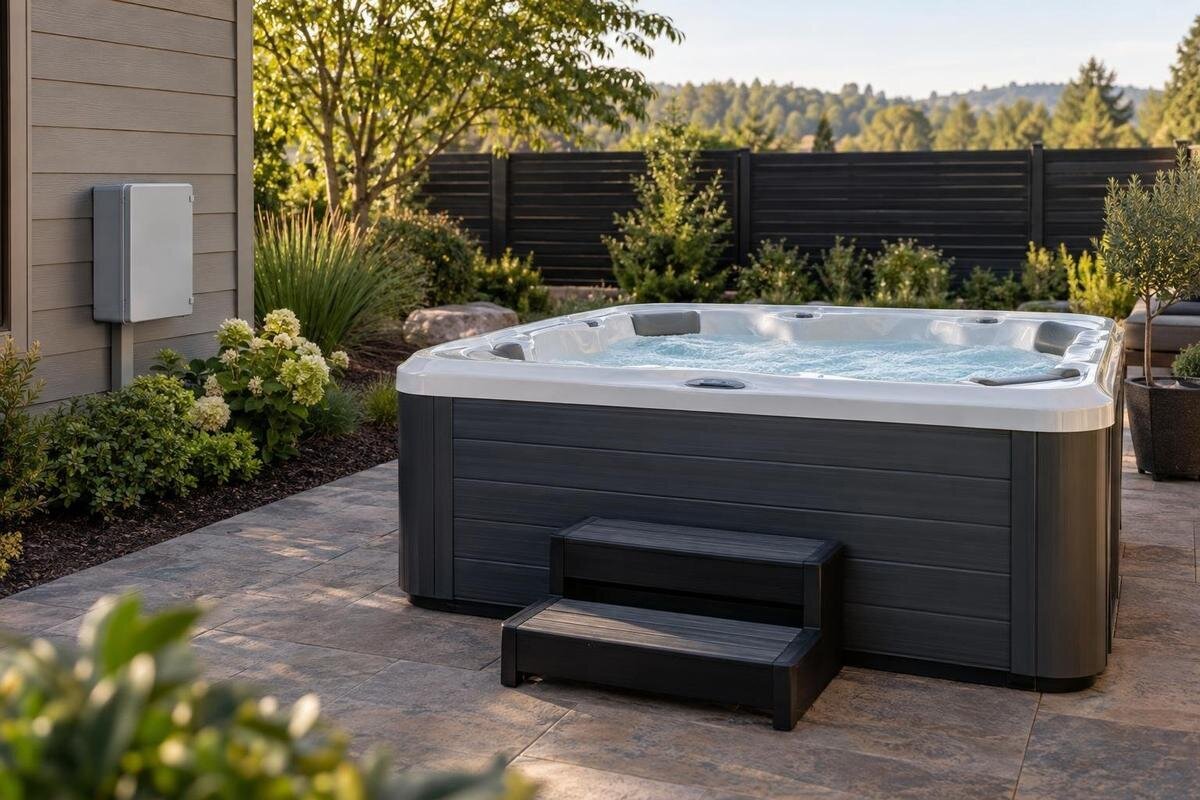
Malta hot tub planning
Before arranging delivery of a hot tub in Malta, have a qualified electrician assess the exact product and the proposed position. The electrical requirements depend on the manufacturer’s instructions and the supply and conditions at your property; there is no single setup to assume. Give the electrician current product documentation and details of the existing supply, then coordinate the advice with the supplier and delivery team. This guide explains what to prepare and which questions to ask without treating any electrical arrangement as universal.
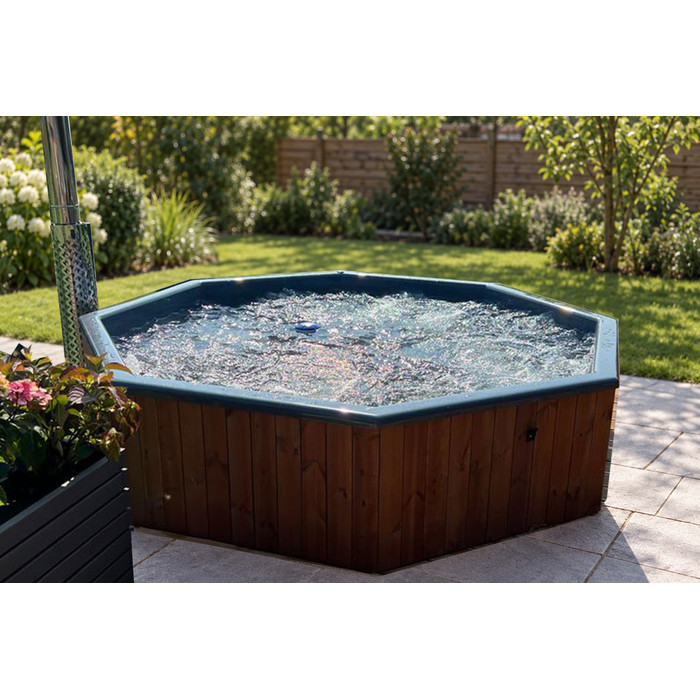
Why electrical planning starts before delivery
An electrical issue discovered after the hot tub arrives can mean a delay, a change to the planned location or additional work before it can be used. The point is not that every installation needs the same upgrade; it is that the right answer cannot be reached from a model name or a general rule of thumb. The electrician needs to compare the verified product requirements with the actual property, including the supply serving the proposed position. Start that conversation while you can still reconsider the model or site, rather than once delivery is already on its way.
Ask the supplier for the latest installation and electrical instructions for the precise model and version you are considering, and check that they apply to the product being supplied. A catalogue page may identify an item without giving an electrician enough technical detail to assess it. If you are considering the Bloomcabin Hot Tub Cove 2, use the product page to identify your choice when requesting those instructions, rather than treating the name as an electrical specification. Explain that you need the information for a pre-delivery site assessment, and ask whom the electrician should contact about any unclear product details. Keep the supplier’s response together with the instructions so the professional can see which version they concern. If the relevant documentation is not yet available, leave the electrical assessment open rather than assuming a similar model’s requirements will apply.
What to prepare for the electrician’s assessment
Bring three things to the first assessment: current manufacturer instructions for the exact model, a clear description of the proposed location, and what you know about the property’s existing electrical supply. Include the address and property type, whether the site is at a house or in an apartment block, and who manages any areas through which a cable might need to pass. If a landlord or building manager controls access to electrical areas, mention that early so the electrician can identify who needs to be involved. Do not assume that a supply point elsewhere on the property is available for the hot tub.
Ask the supplier which pages or documents the electrician should review, whether the instructions apply to the exact version being supplied, and what other product information is available. Send the document intact rather than paraphrasing a rating or connection detail. A simple plan or annotated photographs can show the proposed position, the route back towards the existing supply and visible obstacles; they provide context, not a substitute for an inspection. If you are considering Bloomcabin hot tub Haven 6, provide its documentation rather than a manual for a different model or a similar-looking product.
Assessing the existing supply and proposed location
The electrician needs to assess what is actually installed, not rely on what a household member remembers about it. Tell the professional where the main electrical distribution board is, whether you know of outdoor circuits or previous alterations, and whether other equipment already uses the supply. If you are unsure, say so. Do not remove covers, test a circuit, add an extension lead or try to identify conductors yourself. The electrician can inspect the installation safely and establish which details matter, including whether the existing supply can serve the proposed equipment.
Describe the position precisely, including exposure to rain or splashing, nearby walls, and places where people or vehicles pass. Explain if a possible cable route would cross an indoor room, an exterior wall or a shared area; each option may affect the assessment. Do not assume that the shortest-looking route is suitable. On a simple plan, distinguish your preferred hot tub position from any alternative you would genuinely consider, and ask the electrician to explain how each would affect the proposed work. For the Fjord 8 hot tub, the assessment must relate to its exact instructions and the position shown, not to an assumed supply requirement based on its name or image. If the electrician proposes a different route, ask them to identify it clearly enough for you to discuss access with anyone else involved. This helps prevent different people from agreeing to different versions of the layout.
What to confirm in the hot tub’s electrical instructions
The product information should be current, specific to the model and clear about its electrical data and connection conditions. Ask the supplier which installation sheet or manual is the latest version, whether it applies to the exact variant being supplied, and whether there are notes relevant to the destination market. Give it to the electrician before the visit if possible. Do not infer the load, plug type, connection method, heater arrangement or operating requirements from a photograph, a similar product or a number in the model name.
Ask the electrician to explain in plain language what the verified instructions mean for your property: whether the existing arrangement is suitable, what work is proposed and what must be completed before delivery or first use. When discussing Aurora 10, keep separate the information supplied about the product and the electrician’s conclusions about the property. Its name alone does not establish capacity, heater power or supply requirements. Ask which parts of the proposed work follow from the product instructions and which address the existing installation or chosen position. That distinction makes the assessment easier to understand without asking you to interpret electrical data yourself. If the supplier’s listing and the manufacturer’s instructions appear to differ, ask the supplier to resolve the discrepancy before the electrician prices the work. Keep the clarification with the relevant instructions, including which model and version it concerns, rather than relying on a verbal answer that others have not received.
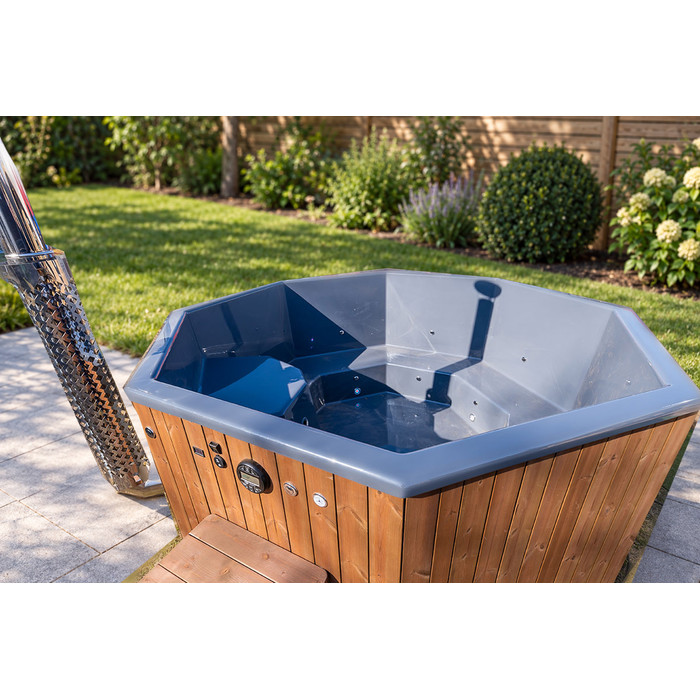
Protective arrangements, isolation and cable routing
Ask the electrician whether this particular installation needs a dedicated circuit, a particular protective device, earthing or bonding work, or changes to the existing board. Ask which product instruction or current Maltese requirement informs each recommendation. The answer depends on the equipment and the existing installation; these are not components to select yourself from a general checklist. A socket that accepts a plug, a spare switch or a breaker that appears available does not by itself prove that the supply is suitable. For the Cove 2 hot tub, give the professional its exact instructions and ask for the proposed protective arrangements to be explained as part of the site assessment. If the quotation uses unfamiliar terms, ask what work each item covers and whether it is included in the agreed scope. This gives you a clearer basis for discussing the proposal without attempting to design or alter the installation.
Discuss isolation as a specific design question: ask where it may need to be, how it can remain accessible and what the manufacturer’s instructions and applicable rules require. Ask how the proposed cable route will be protected from damage and from the site’s weather and water exposure, and whether another route should be considered. These are points for the electrician to assess, not instructions for placing a switch or running cable. Request a written description of the proposed work and any exclusions, so you can distinguish the electrician’s scope from the supplier’s delivery or assembly service.
Checking current Maltese rules and installer requirements
Check Maltese requirements against current official information at the time of the project. A guide written for another country, an old forum post or a supplier’s generic note may not describe the requirements for your property or the work proposed. Ask the electrician to identify the current Maltese rules and technical requirements that apply, and to explain whether any inspection, certification, notification or other record is required. Do not assume that every one of these steps applies, or that none does; the answer depends on the work and the current framework.
Ask what qualification, authorisation, registration or other status the person carrying out or certifying the work must hold, if a current requirement specifies one. Have the electrician explain how to verify that status through the relevant official Maltese body and who will provide any required completion documents. If different people design, carry out or certify the work, establish who is responsible for each part. Where an answer is unclear, ask for the applicable official requirement and a way to verify it rather than relying on informal reassurance.
Coordinating the electrician, supplier and delivery team
Keep the electrician, supplier and delivery team working from the same product and location details. Send the electrician the relevant product documents and give the supplier a concise summary of the proposed electrical arrangement, but ask each party to confirm what it actually needs. Clarify whether the supplier’s service includes electrical connection or covers delivery only, and what the delivery team expects to be ready on arrival. Do not assume the delivery service includes electrical work, or that the electrician is responsible for unloading or positioning the hot tub.
After the assessment, ask the electrician for a written summary of the agreed model, position, proposed work, any conditions to meet before arrival and who will confirm completion. Share the relevant information with the supplier and delivery team, including any restrictions on when the area will be ready. If you are comparing options such as Haven 6, make sure the supplier’s response refers to that exact product and the selected location, not a general statement about hot tubs. Tell all parties promptly if the model or site changes.
Allowing time for assessment and electrical work
Agree a sequence with the electrician before you set a delivery date. Ask when the site assessment can take place, what information must be available, whether a further visit or formal step may be needed, and what completion depends on. The electrician can give a realistic view after understanding the work; a general estimate from someone who has not seen the site is not a confirmed schedule. Avoid treating a quote as proof that the electrical work is complete or that the hot tub can be connected.
Before accepting a delivery slot, confirm with the electrician that the proposed sequence allows for the necessary work and any applicable checks or documents. Ask the supplier whether a delivery booking can be changed if the professional identifies a new requirement, and what notice is needed; do not assume the answer. If you are considering Bloomcabin Hot Tub Fjord 8, keep that model’s details tied to the proposed dates so the assessment, supplier’s confirmation and delivery booking all refer to the same product. Distinguish provisional dates from confirmed appointments, and note anything that must happen before the electrician can complete the work. For example, if the assessment is still awaiting a supplier clarification, ask who will obtain the answer and when the schedule can be confirmed. Agree who will tell the delivery team that the electrical preparations are ready, rather than leaving each party to assume someone else has done so.
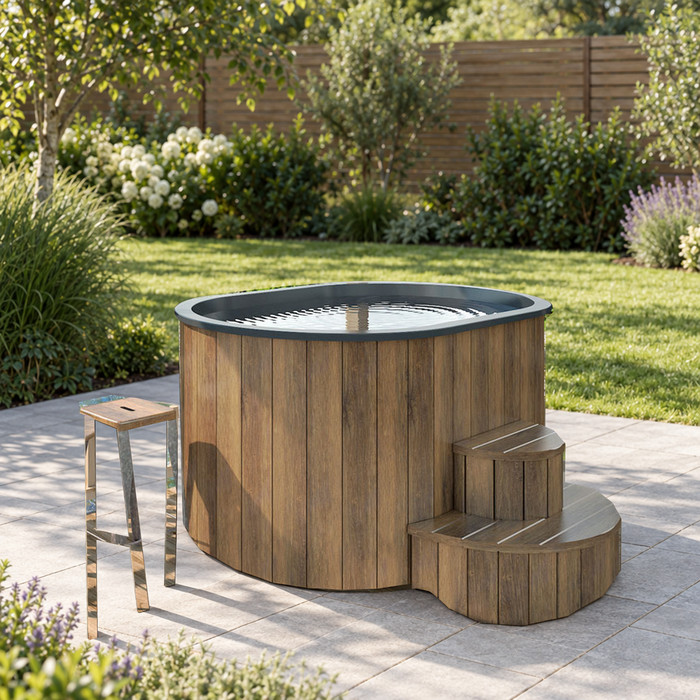
If the proposed electrical arrangement is unsuitable
If the electrician finds that the existing supply or planned route is unsuitable, treat that as useful information to resolve before delivery. Ask the professional to explain the available options, which might involve work to the existing installation, a different cable route or position, or a revised project plan. Have them set out what must be completed before connection and whether the proposed changes affect protective arrangements or access to isolation. Do not improvise to keep a delivery date, and do not rely on an extension lead or a different connection unless the electrician confirms it is appropriate for the exact product and current requirements.
Revisit the buying choice using verified information. A different product may have different documented electrical requirements, but a model name that sounds smaller or larger does not prove that it will be easier or harder to supply. If the Aurora 10 hot tub remains on your shortlist, ask the electrician to review its exact documentation and reassess the chosen position; do not transfer a conclusion from another model. Compare the revised work and timing with another location or product before deciding whether to proceed.
A practical pre-delivery electrical check
Before confirming delivery, keep together the current instructions for the exact model, the electrician’s site assessment and written scope, the agreed location and proposed cable route, and the supplier’s confirmation of the product-specific information. Include any documents the electrician says are required under the applicable Maltese rules. Note who is arranging each remaining task and when it needs to be completed. If the model, location, property access or proposed electrical work has changed, send the revised details to the people involved and ask whether the earlier assessment still applies.
Proceed when the electrician has confirmed the arrangement for the verified product and site, necessary work and applicable formalities have been addressed, and the supplier and delivery team have confirmed their respective readiness requirements. This does not mean every home needs an upgrade or a particular protective device; it means the decision is based on the product documentation and site assessment. If a key point remains unresolved, such as which manual applies, who will complete the work or whether the timing is realistic, hold the delivery booking until the responsible professional clarifies it.
Frequently asked questions
Can I use an outdoor socket that is already there?
Do not assume that a socket is suitable because it is outdoors or because a plug fits. Give the electrician the product instructions and ask them to assess the existing circuit and protective arrangements. Do not connect or test the hot tub yourself.
Does every hot tub need its own circuit?
There is no safe answer based on a general rule of thumb. The exact product instructions and the condition and capacity of the existing installation need to be assessed together. Ask the electrician whether a separate circuit or other work is needed at your property.
How do I check what qualifications the electrician needs in Malta?
Ask which current Maltese requirements apply to the work and whether the person carrying it out or certifying it needs a particular qualification, authorisation or registration. Ask how to verify any required status through the relevant official Maltese authority.
Can I book delivery before the electrical work is finished?
Only do so if the electrician, supplier and delivery team confirm that the proposed timing and readiness arrangements are workable. A quote or assessment is not the same as completed work, and you should not assume delivery includes electrical connection.
Can I use one model’s electrical information for another?
No. Ask for current instructions for the exact model and version being supplied. If you change the model or location after the assessment, check with the electrician and supplier whether the previous advice still applies.
A reliable pre-delivery plan ties together three confirmed details: the exact hot tub documentation, the electrician’s assessment of the property and position, and the supplier’s and delivery team’s readiness requirements. Keep the answers in writing, especially if the model, route or location changes. Once the professional has clarified the applicable Maltese requirements and any necessary work, you can make the delivery decision with fewer assumptions and a clearer understanding of what must be ready first.
