
Hot Tub Features Worth Paying For—and Which You May Not Need
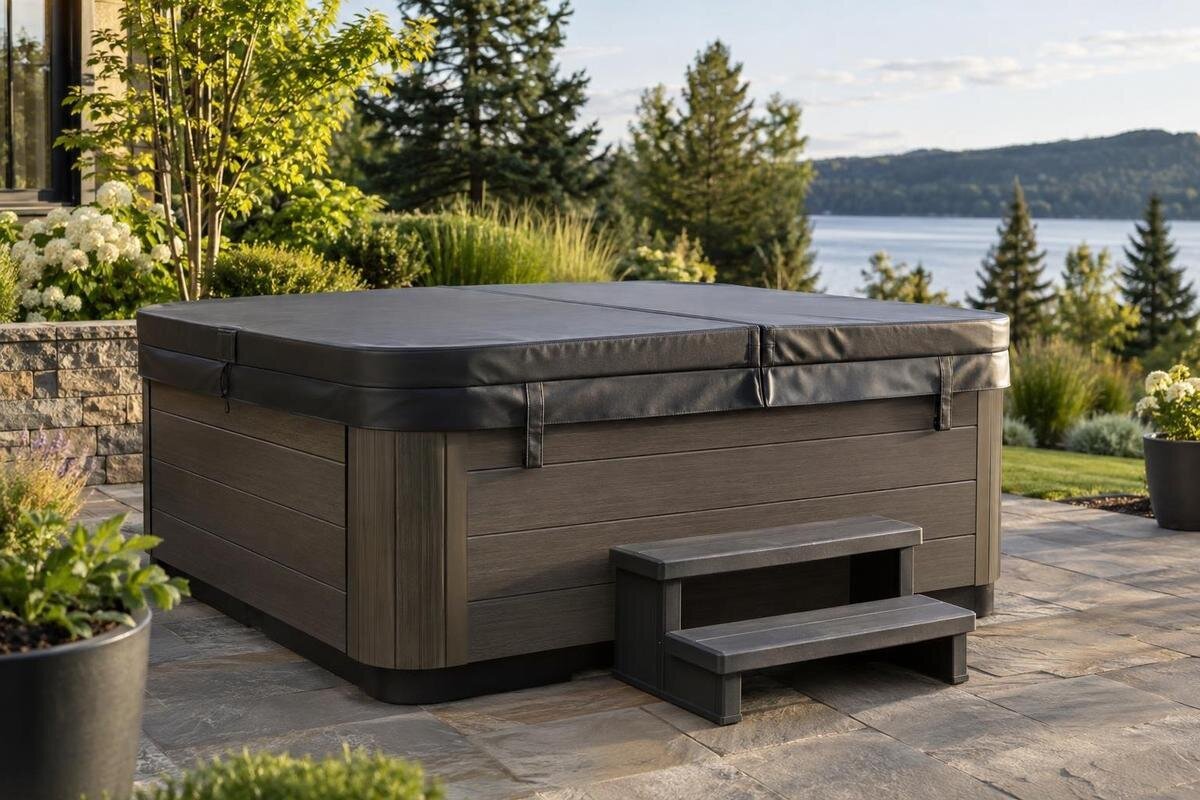
Hot tub buying guide
Long hot tub feature lists can make every option sound essential, yet the value of an upgrade depends on how you expect to use the tub. A comfort feature you notice at nearly every session may justify a premium; a novelty that rarely fits your routine may not. Compare frequency, comfort, convenience, upkeep and any continuing expense, while separating personal preference from performance claims. For buyers in Malta, as anywhere, the exact model and package matter: a name or headline label alone does not confirm what is included. The aim is not to strip out every extra, but to make each one earn its place in your comparison.
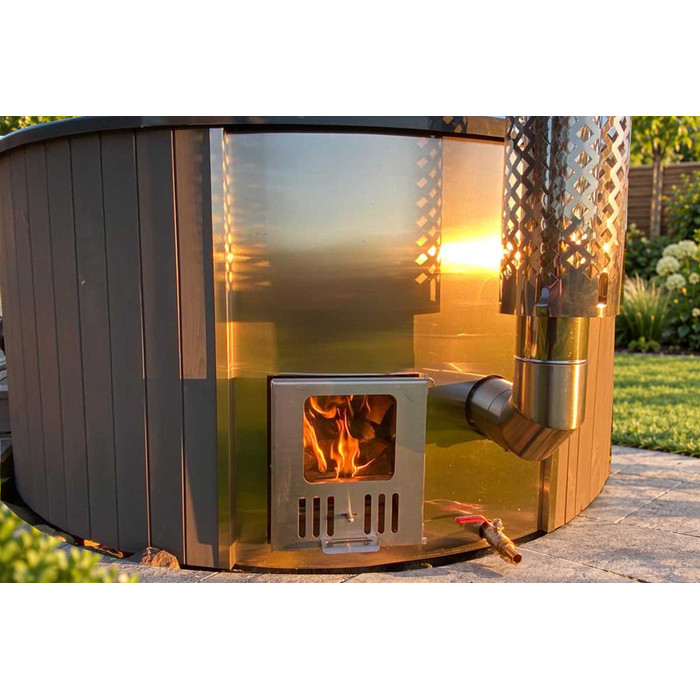
What makes a hot tub feature worth paying for?
Begin by naming what an option is meant to improve: comfort, convenience, upkeep or the experience of using the hot tub. Then ask how often that improvement would matter and how noticeable it would be. A benefit repeated at most sessions deserves more attention than one that sounds impressive but matters only on rare visits. Conversely, an option that solves a specific frustration may be worthwhile even if it is not used continuously. The useful comparison is not the number of labels on a specification sheet; it is the practical gain against the extra price and any obligations that come with it.
Make a short note for each feature: what it is said to do, whether it is standard or optional, what the extra price is and whether it brings a continuing cost or care requirement. Mark anything not stated as unknown instead of filling gaps with guesses from a photograph or a broad phrase such as premium. If Bloomcabin Hot Tub Cove 2 is a candidate, use its exact package as the basis for these notes; the name alone does not establish capacity or equipment. Keep your own reason for wanting each option beside the supplier’s description, so the comparison reflects your priorities rather than simply reproducing a sales list.
How often will you use the feature?
Picture an ordinary week rather than an ideal one. Think about who is likely to use the hot tub, how often sessions fit into your routine and what might make those sessions more comfortable or convenient. A feature used whenever you use the tub may have a different value from one that matters only when visitors come over. That does not automatically make the occasional extra a poor choice: it may still be worthwhile if you particularly enjoy it. The point is to judge it as an occasional benefit, not to assume frequent use because it sounds appealing today.
Consider whether your routine is likely to change. If you are uncertain, compare two realistic patterns: regular use and occasional use. Does the option still seem worthwhile in both, or does its value depend on an optimistic assumption? This is useful for features that seem convenient in theory but require an extra setting, action or change to your usual routine. Where several people will use the tub, distinguish a shared preference from something only one person wants. Neither has to take priority automatically, but agree whose use justifies the expense. An option valued by one frequent user may matter more to your household than something everyone finds mildly appealing. If you cannot identify a likely occasion for using a feature, leave it out of the main comparison for now. You can still choose it for enjoyment, but recognise that as a personal preference rather than a practical necessity.
Comfort features: judge the experience, not the label
Jets, seating arrangements and adjustable water movement can be possible comfort comparison points, but a feature list does not confirm that any particular hot tub has them. Nor does a count or descriptive label tell you how the experience will feel. If a model is described as having adjustable settings, find out what can actually be changed and whether the adjustment matters to you. Where possible, experience the exact configuration rather than relying on a demonstration of a similar model. Comfort is personal, so what feels pleasant to one person may not suit another.
Separate observable details from promotional language. A clear description of the controls or the range of adjustment gives you something specific to compare; a promise that an option is especially relaxing does not tell you whether you will prefer it. Avoid treating words such as therapeutic as evidence of a health benefit. When comparing comfort options for Bloomcabin hot tub Haven 6, ask which parts of the experience you can assess directly and which remain uncertain. If a demonstration is available, focus on the settings you would normally choose rather than the most dramatic effect. Where several people have different preferences, consider whether the confirmed adjustments would accommodate them. If you cannot try the configuration, distinguish a documented function from your expectation of how pleasant it will feel; those are different reasons for buying.
Controls that make regular use easier
Controls may be worth considering when they make a task you repeat easier or make the hot tub simpler for its intended users to operate. Compare the functions, not just whether a system is described as simple or advanced. Ask which settings can be changed, what information the controls show and whether the interface is clear to the people who will use it. A straightforward control may be more useful to your household than a feature-rich one if the additional functions would rarely be used. Convenience has value when it removes a real point of friction from an ordinary session.
For an app, timer or programmable control, ask exactly what it does and what it depends on. Check whether it needs a particular connection, device, service or extra payment, and which functions remain available if that service is not being used. Do not assume that automation reduces energy use or upkeep unless there is evidence for that specific claim. When considering Bloomcabin Hot Tub Fjord 8, identify any confirmed control upgrade by the task it would simplify for you. Would it remove a repeated adjustment, make information easier to read or merely provide another way to do something you already find straightforward? Also consider other intended users: a feature you enjoy using may not be convenient for someone who prefers the main controls. That distinction helps you value accessibility and ease of use separately from novelty.
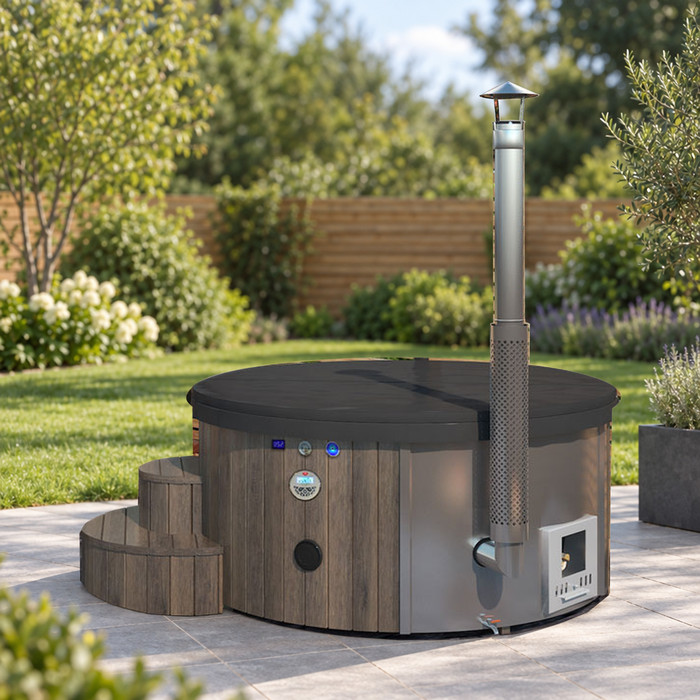
Filtration upgrades and the upkeep attached to them
Filtration is another possible comparison point, but a label such as enhanced or advanced does not explain what changes in practice. Ask what the system is designed to do, what evidence supports any performance claim and under what conditions that evidence applies. If a feature is presented as reducing effort, find out which task it reduces rather than assuming it makes all care easier. Filtration should not be treated as a reason to skip the hot tub’s stated water-care requirements; use the instructions provided for the exact model and equipment.
Consider any continuing work or expense linked to the feature. If it uses replaceable elements, ask how often they are expected to be changed, what the replacements cost and whether they are available. Check whether the option introduces additional consumables, services or care steps, rather than assuming that a more sophisticated description means less attention. A low-maintenance claim is most useful when it explains what work is reduced and what remains. If those details are missing, record the uncertainty; do not count a hoped-for reduction in upkeep as a verified benefit.
Insulation claims need comparable evidence
Insulation may appear on a feature list as a way to improve heat retention or reduce energy use, but wording alone is not a measured result. Ask what specific benefit is claimed and whether it has been assessed for the exact model and configuration you are comparing. General statements about efficiency do not show the difference between two packages. The same applies to any claim that one option will reduce the cost of ownership: without a clear comparison, it remains a claim rather than a dependable saving.
If a supplier gives an estimate or comparison, ask what assumptions it uses, including the usage pattern and period, and what it is being compared with. Use the same basis for each model and do not turn a broad claim into a personal saving estimate. For Bloomcabin hot tub Aurora 10, an insulation upgrade should be compared with the stated alternative configuration, not with an unspecified basic tub. Keep any claimed reduction separate from the purchase premium: knowing that a benefit is claimed does not establish whether its value outweighs the extra cost for your use. If there is no comparable evidence, leave the financial benefit unquantified. You can then decide whether the uncertainty is acceptable or whether the price difference makes another option more attractive, without assigning an invented saving to close the gap.
Lighting and extras: preference or practical value?
Lighting and other optional effects often depend more on personal taste than on a measurable performance gain. Ask yourself when you would use them, whether the look or experience genuinely appeals to you and how much that enjoyment is worth. A feature does not have to be essential to be worth buying, but it should be something you actually want. If you are drawn to changing colours or other visual effects, decide whether those details would improve ordinary use or mainly catch your eye in a product description.
Check whether the extra brings its own controls, replacement parts or care requirements, and whether those are included in the price. A preference can justify an occasional-use feature, but it is helpful to know what else comes with it. When looking at the Haven 6 listing, distinguish the effect you like from the equipment included in the package; an illustration alone does not establish a specification. If several lighting options are offered, identify which particular difference you would pay for rather than treating the most elaborate version as the default. Consider whether a simpler confirmed option would provide the experience you want. Your enjoyment is a valid part of the decision; keep it distinct from claims about convenience or performance.
Separate standard equipment from optional extras
Feature lists are difficult to compare when packages use different wording or include different items in the base price. An option may be standard in one configuration and cost extra in another, so compare what is actually included rather than counting labels. Ask for the exact equipment covered by the quoted price and the separate price, if any, for each extra. Then compare the totals for configurations that provide the features you want. A lower headline price may not remain lower after those options are added. Equally, a package with more equipment is not necessarily better value if you would not choose its additional features. Give unwanted inclusions no extra weight simply because they are described as standard.
Compatibility can also affect the value of an upgrade. Confirm whether the selected configuration supports the feature, whether it requires another option and whether combining features changes the price. Do not assume an add-on is available or works with every version. When reviewing the Fjord 8 product page, group any confirmed dependent options together in your comparison. If the feature you want requires a second item you would not otherwise choose, include both in the price of obtaining that benefit. This makes the trade-off clearer than assessing each item in isolation. Compare the resulting combination with other suitable packages, rather than assuming the advertised price of the individual upgrade represents its full extra cost.
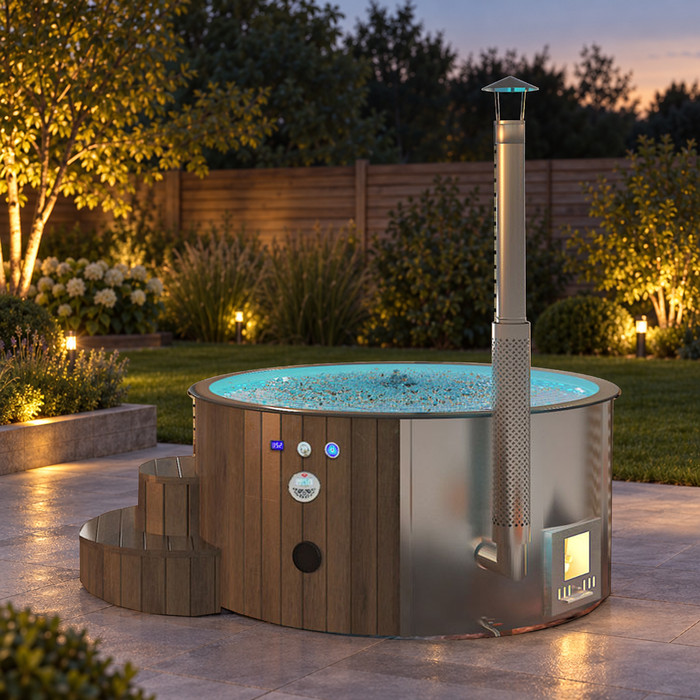
Compare the feature’s value with its extra cost
The price of an upgrade is only one part of its cost. Add any feature-specific replacement parts, consumables, service charges or energy impact that is stated and supported for the exact configuration. Keep these separate from the hot tub’s general ownership costs; do not attribute the whole cost of operating the tub to one feature. If the ongoing amount is not provided, mark it as unknown rather than inventing a figure. That gives you a more honest comparison than treating an unpriced obligation as free.
Set the extra cost beside the benefit you expect and the frequency with which you will notice it. A repeated convenience or a comfort preference you strongly value may justify more than a feature whose benefit is vague. Use a current price for the exact option and package. When comparing an upgrade for Cove 2 against your other shortlisted options, note whether you are paying only for the desired feature or also for changes you do not particularly want. If your budget covers only some extras, rank them by the benefit you would most miss, rather than by how impressive they sound. Consider the combined premium too: several individually acceptable additions may total more than you want to spend. Keep any promised savings separate until their assumptions are clear. You do not need to assign a monetary value to enjoyment, but you should be comfortable with the actual amount you are paying for it.
When to pay, choose another model or leave an option out
Pay for an upgrade when its benefit is clear, relevant to your routine or a personal preference you genuinely value, and the added cost and upkeep are acceptable. Compare another model or package when it offers the feature you want as part of a configuration that suits you better; judge the total package rather than assuming an included option is free. Leave a feature out when you cannot identify a likely use, its benefit is unsupported or its continuing requirements outweigh the value it brings. None of these outcomes is automatically right for every buyer.
For an uncertain option, identify the unanswered question that could change your decision: what it does, whether it is included, what it costs or what upkeep it brings. Distinguish that uncertainty from simple indecision about your preferences. A missing price needs clarification; uncertainty about whether you like an effect calls for a more personal judgement. If the Aurora 10 listing remains on your shortlist, compare the package you would choose with the version you would select without the disputed extra, where both are offered. Ask whether removing it would meaningfully change your expected enjoyment or convenience. If not, the simpler choice may suit you just as well. If it would, you have a specific reason to consider paying more. Each paid feature should have a clear purpose in your final choice.
Frequently asked questions
Are more jets always better?
No. A larger count does not show how the water feels, whether the jets can be adjusted or whether their positions suit the people using the tub. Compare the actual arrangement and try it, if possible, rather than judging by a number.
Does insulation automatically mean lower energy use?
No. A description of insulation is not a quantified saving. Ask for evidence for the exact configuration and the assumptions behind any energy-use comparison, such as the usage pattern and period being considered.
Can an occasional-use feature still be worth paying for?
Yes, if the enjoyment or convenience matters enough to you to justify the price. Treat it as an occasional benefit rather than assuming it will be used every week, then decide whether that personal value is worth the extra cost.
How can I tell whether an upgrade adds upkeep?
Ask what replacement items, consumables, services or care requirements relate specifically to the feature, and what each is expected to involve. If the information is not available, record the upkeep as unknown instead of assuming it is negligible.
How should I compare two hot tub packages?
Compare the exact configurations, separating standard equipment from optional features. Set out the price difference, any feature-specific ongoing costs and the benefit you expect. If an inclusion or compatibility detail is unclear, ask for it in writing before treating the packages as equivalent.
A useful comparison ends with a reason behind each extra: regular comfort, a convenience you will use, a documented performance benefit or enjoyment you genuinely value. If an option has no clear place in that account, leaving it out is a considered choice, not a missed opportunity. Let the benefit you can identify—and the cost you can accept—matter more than the length of the feature list.
