
Hot Tub Filtration: What to Check Before Choosing a System in Malta
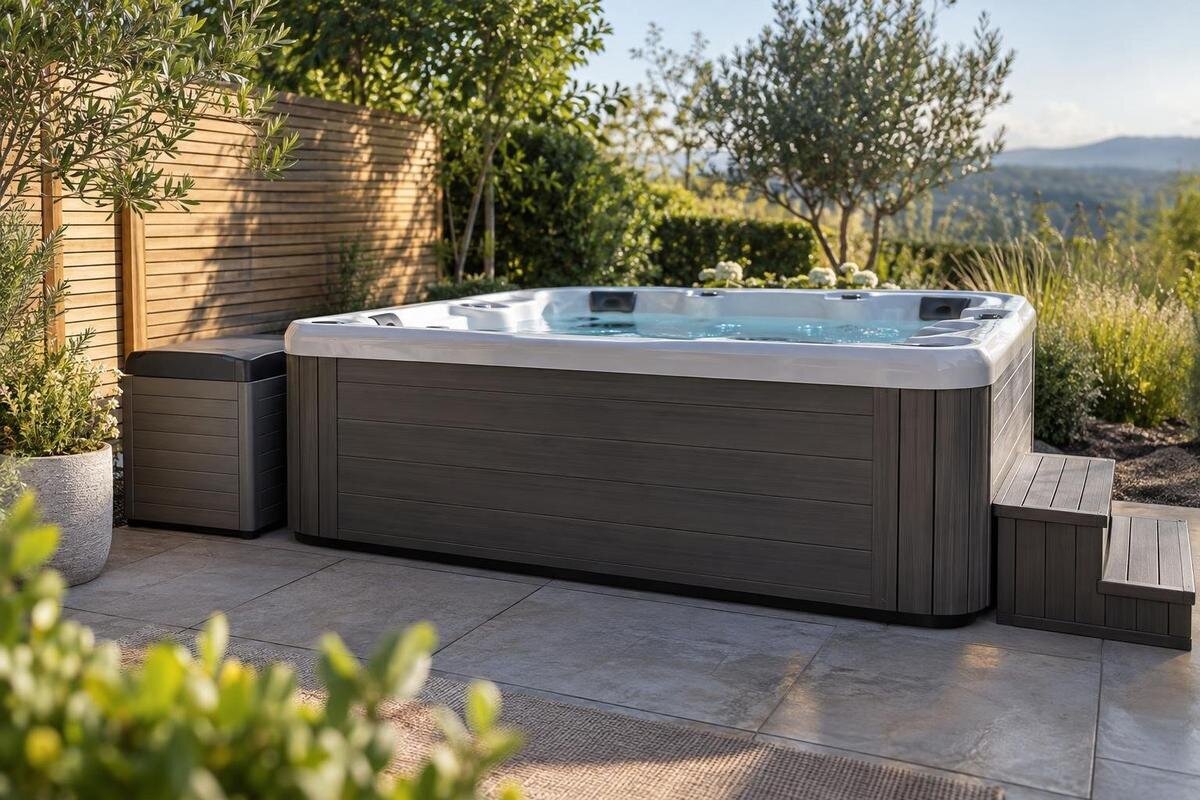
Hot tub filtration guide
In Malta, choosing hot tub filtration is about more than recognising a filter label. The system needs to match the exact tub, come with the parts you expect, and use replacement elements that you can source. Product names and photographs do not establish filter type, package contents or compatibility. Before buying, ask for model-specific documentation, practical access information and details of where to obtain suitable replacements.
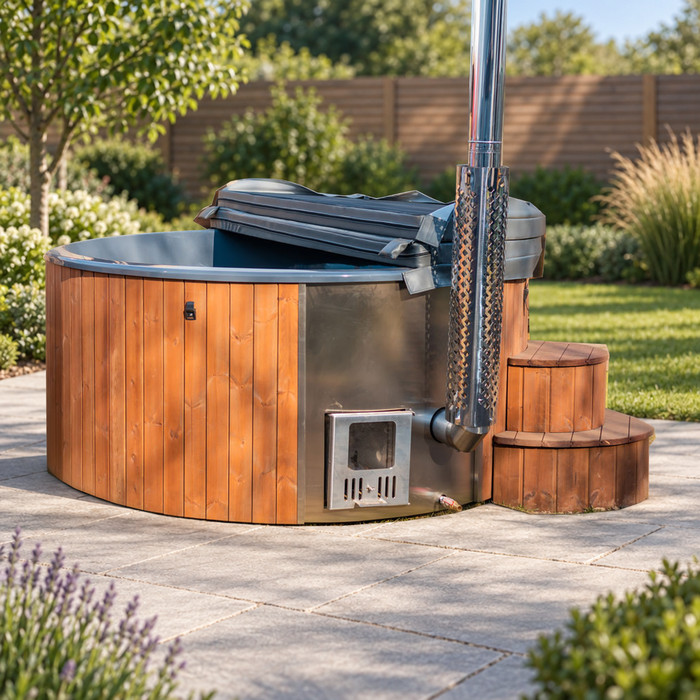
Before you buy 1
What filtration does—and what it does not replace
Filtration is one part of a hot tub’s water-circulation arrangement. In a typical system, water passes through a filter element or medium that retains some suspended material, but the exact path and components depend on the model. Ask the manufacturer or supplier to explain what the filter is intended to capture, where it sits and which parts make up the complete assembly. A diagram can clarify whether the seller means an element alone or a larger filtration arrangement. Do not infer a separate pump, automatic operation or a particular filter layout from the product name or photograph. Knowing the documented arrangement helps you compare like with like without assuming that two tubs work alike.
Filtration is not the whole water-care plan. It does not replace the manufacturer’s instructions for treatment, testing or other care, and it is not a guarantee that every unwanted substance is removed. Keep those instructions separate when comparing systems: ask how the filter arrangement is intended to work alongside the model’s stated water-care requirements rather than expecting a filter to do every job. Use the Cove 2 product listing to identify the exact tub in an enquiry, then request its applicable filtration documentation from the supplier or manufacturer. A product name or image is not confirmation of the equipment supplied.
Confirm compatibility with the exact hot tub
Compatibility means more than whether a replacement seems to fit into a housing. Ask the supplier to confirm in writing that the complete system—not just one loose element—is specified for the exact tub model and version you intend to buy. Request the assembly maker and part reference, the filter element’s reference and any model or production identifiers needed to match them. If the documentation gives connection details, dimensions or operating requirements, rely on those exact instructions rather than guessing from a near match or modifying parts. If there is doubt about installation or system requirements, have the manufacturer or a suitably qualified installer resolve it. A broadly described “universal” filter is not adequate proof of compatibility.
Check replacement compatibility just as carefully as the original assembly. Ask whether the proposed spare part is approved by the manufacturer for that assembly, and whether a later or changed configuration uses a different reference. A cartridge that looks similar, or a listing that gives only a general category, may not establish the match. When enquiring about the Haven 6 product listing, give the exact model identity and ask the supplier to identify the corresponding assembly and replacement references in the current model documentation. Save those references and the confirmation with your purchase records; they will make a later enquiry more precise than relying on a photograph or trying to recall the original description.
Before you buy 2
Filter-type labels do not establish suitability
Filter-type labels are useful vocabulary, not a ranking. A listing may mention a cartridge or describe another filter medium, but the label alone does not establish that it is designed for your tub, how the system must be operated or which replacements it takes. The meaningful comparison is the manufacturer’s stated configuration and requirements for each model. Ask what exact component the seller means by “filter”, whether it is the main element or a larger assembly, and where the relevant information appears in the manual. Without those details, general claims about convenience, performance or ease of upkeep cannot be applied reliably to your purchase.
If a supplier proposes two filtration arrangements, request documentation for both rather than assuming the more familiar-sounding type is suitable. Compare only features that the manufacturer specifies, including the intended model match, operating instructions, care method and replacement part. Do not infer that a different medium can be substituted without approval, or that one type offers a benefit just because its label is familiar. The Fjord 8 model page identifies the tub for a supplier enquiry; the exact filter type and any approved options must be confirmed separately. This keeps the decision focused on a documented system, not a general debate between filter categories.
Check exactly what the package includes
Ask for an itemised list of what the price covers. Depending on what the supplier means by “filtration system”, a quoted package could refer to the whole assembly or only an optional component; the listing should make that boundary clear. Have the supplier mark each relevant item as included, optional or sold separately: the filter housing, initial element, any circulation component supplied as part of the package, connections or fittings, and operating or care documentation. The point is not to expect every item in every package, but to know what you must source for the specified arrangement. Do not treat a photograph as an inventory of supplied parts.
Confirm whether the filter element is supplied with the tub, whether a spare is included, and which exact part reference applies if you order another one. Ask who supplies any item needed for the described operation and whether the price excludes accessories or additional work. Identify the Aurora 10 product page in your enquiry, but do not assume that it settles what a particular quotation contains. Ask the retailer to state inclusions against that model and the exact order, so you compare like packages rather than one complete arrangement with one partial quotation.
Before you buy 3
Plan access for filter maintenance
A filter may match on paper yet be awkward to maintain if its access point is blocked once the tub is in its intended position. Ask for the manufacturer’s layout or service drawing and the clearance needed to open the access area and remove the filter element as described in the manual. Then consider the actual site: walls, decking, steps, screens or other equipment may limit room. Do not estimate the required space from a product photograph or assume that a component can be reached from a different side. This is a pre-purchase planning check, not a reason to alter the tub or its panels yourself.
Think about the whole task: can the person responsible reach the component, take it out and return it as instructed, without moving the tub or blocking another service area? If the manufacturer specifies access dimensions, share them with the installer or site professional assessing the location. If you are considering the Cove 2 hot tub, request the drawing for that exact model rather than borrowing clearances from a different one. Confirm access for technical servicing as well as routine user maintenance, since the space needed for one may not be enough for the other.
Read the operating and care guidance
Ask for the current manufacturer’s manual before agreeing to a system. Find out how the filtration arrangement is intended to operate and what, if anything, the owner needs to select or monitor. Ask whether the instructions refer to a setting, a control or another part of the tub; do not assume that every system runs on the same schedule or is managed in the same way. If information is split between a tub manual and a component manual, request both and confirm that they apply to the version offered. A general guide for a similar-looking hot tub is not a substitute for the exact model documentation.
Care guidance should say what method the manufacturer approves for the filter element, whether it may be cleaned or must be replaced, and what determines replacement. Do not fill gaps with a generic routine. Ask for the part number alongside the instructions, so you know which element the manual describes, and keep filter care distinct from broader water treatment or surface cleaning. When considering the Haven 6 model, ask which manufacturer documents and revisions apply to its filtration equipment, including its operating schedule and care method. If instructions conflict, ask the supplier or manufacturer to resolve the discrepancy before purchase.
Before you buy 4
Check replacement-filter availability in Malta
Replacement availability in Malta is something to confirm with a supplier, not assume from an online search result. First obtain the exact replacement reference from the model’s instructions or manufacturer. Then ask a supplier serving Malta whether that reference is currently held locally or needs to be ordered, whether the quoted item is correct for your tub, and what the current price and delivery estimate are. Availability and delivery terms can change, so request up-to-date information when you buy. A product category or a search result for a similar filter does not confirm that the right part can be supplied to you.
Check the supply path beyond the first replacement: ask how to reorder the same part, what happens if its reference changes, and whether the manufacturer approves any alternative. If an equivalent is offered, request written confirmation tied to your exact system instead of relying on matching dimensions or a verbal assurance. When contacting a supplier about the Fjord 8 listing, include the exact model and ask which approved replacement part applies; do not presume the model name reveals its filter. Having a clear route to an identified spare is as important to the decision as the system’s initial description.
Know who supports the system
Find out who will answer questions after purchase. Ask whether the retailer, manufacturer or another service provider handles the filtration assembly, replacement identification and operating instructions, and whether support is available to customers in Malta. Confirm the contact method and the information support needs, such as the exact model, version or part code. Do not assume that the store listing itself is a technical help channel or that a local technician is included. A named contact and a clear route for getting model-specific answers are more useful than an unsupported promise of general assistance.
Before ordering, ask what support covers and what it does not: basic questions, part identification, diagnosis, a site visit and installation assistance are not necessarily the same service. Ask whether any service has a separate charge and where the applicable terms are recorded. Do not assume a warranty, response time or repair service; read the terms provided for the specific purchase. If you are considering the Aurora 10 hot tub, use the precise product name in your enquiry and ask who handles filtration questions for that model. This lets you compare the scope of support alongside the equipment and replacement parts, without assuming that every service is included.
Before you buy 5
Compare ongoing costs using documented requirements
Compare costs as a set of current, itemised variables rather than relying on a headline price. Ask what the filtration component costs if it is separate, which replacement elements are required, their current prices from suppliers serving Malta, and any shipping or handling charges. Include only supplies that the manufacturer says are needed; do not add speculative cleaners or replacement parts. If the tub price includes some equipment, show that separately from optional extras so one offer does not appear cheaper simply because it excludes the filter assembly or initial element. A catalogue model name cannot tell you these amounts.
A longer-term comparison depends on documented replacement guidance as well as price. If the manufacturer states when an element should be cleaned or replaced, use that guidance and a current local quotation to build an estimate; if it does not, request clarification rather than inventing an annual interval. Separate recurring replacement costs from one-off components, delivery and any paid service. You can then compare two options using the same assumptions and revise the estimate when a supplier gives new prices. This approach is useful without presenting an unsupported total or assuming that all filters last equally long.
Compare supplier offers on the same basis
Put supplier responses side by side before choosing. For each offer, record the exact tub model and version, filtration assembly and part reference, written compatibility statement, package inclusions, current manual, filter-care and replacement guidance, access information, and the replacement source and price in Malta. Compare the same scope: an offer that includes a complete assembly cannot fairly be compared with one that lists only a filter element. Mark unanswered questions rather than filling them with a guess. This record can also be shared with the installer or the person who will maintain the tub.
Treat confirmed fit and a viable replacement route as essential, then judge the practicalities: can the required instructions be followed in the planned location, are the included parts clear, and can you reach someone for model-specific help? If an answer is missing, ask the seller or manufacturer to provide it in writing before deciding. There is no need to choose by a broad label alone; the suitable option is the one documented for the exact tub and manageable for its owner. Comparing offers in that order avoids relying on a description that leaves compatibility or future sourcing unresolved.
Frequently asked questions
Does filtration replace the hot tub’s water-care instructions?
No. Filtration is one part of the system; follow the manufacturer’s separate instructions for water treatment, testing and other care. Ask how the specified filter system is intended to work with those requirements rather than expecting filtration to cover them.
Can I choose a replacement filter by matching its size?
Not on size alone. Ask the manufacturer or supplier to confirm the exact part reference and its compatibility with your tub and filtration assembly. Similar dimensions or appearance do not, by themselves, establish that a replacement is approved.
Is one filter type always better than another?
There is no basis for ranking types without model-specific manufacturer information. Compare the documented system, its operating and care requirements, and its replacement parts. A familiar filter-type label is not proof that it suits a particular tub.
How can I check whether replacement filters are available in Malta?
Give a supplier serving Malta the exact model and filter part reference. Ask whether the part is currently held locally or needs to be ordered, and request current price and delivery information. Confirm that any proposed alternative is approved for your system.
How should I compare ongoing filter costs?
Use current prices for the exact parts and any required supplies, along with the manufacturer’s replacement guidance. Include delivery and any separately charged service where relevant. If replacement timing is not documented, ask for clarification rather than inventing an annual estimate.
For a hot tub in Malta, a sound filtration choice combines a confirmed match to the exact model, clear package contents and a reliable source of suitable replacements. Check that the planned position allows the access required for maintenance, then compare current costs and supplier support. A familiar filter label is only a starting point; the model-specific information is what lets you judge whether the system will be practical to own.
