
How Much Does It Cost to Run a Hot Tub in Malta?
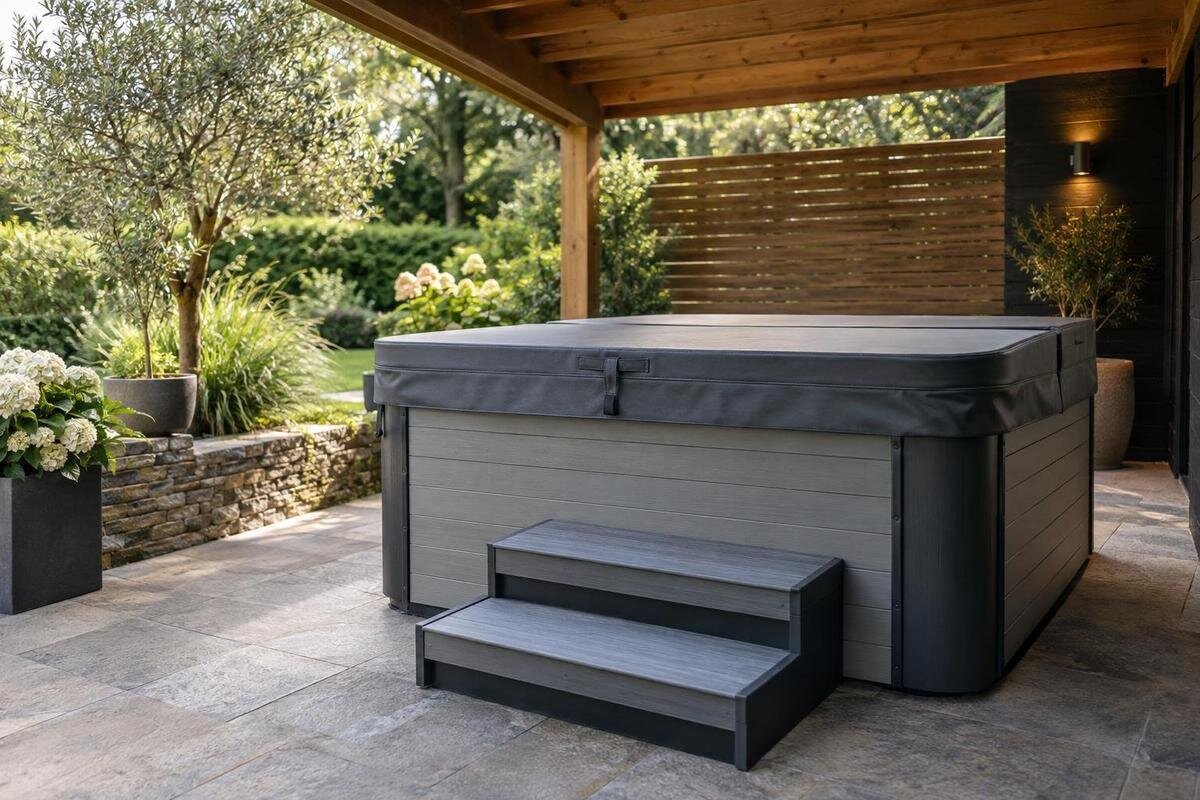
Hot tub running costs
A hot tub’s monthly cost cannot be read from its model name or a heater’s rated power. For a Malta budget, you need the actual energy used by the exact configuration over a realistic week, the unit rate that applies to your account, and separate amounts for water and water-care supplies. No dated Maltese tariff or verified model consumption figures are available in the supplied evidence, so this guide does not invent a euro total. It shows how to obtain and combine the right figures.
01
What counts as a hot tub running cost?
Count the recurring costs of operating the tub: electricity or another confirmed energy source, water added during the period, and water-care consumables. Keep the purchase price, delivery, ground preparation and installation outside the operating subtotal because they are one-off costs. Repairs and occasional servicing belong in a separate allowance too, rather than being hidden inside a typical month. Decide whether your figure means the tub’s direct running cost or the extra amount on a household bill. A fixed household charge already due is not automatically an extra tub cost; count it only if using the tub changes it. Also distinguish the cost of what you use from the timing of payments. Buying supplies in one month does not necessarily mean that the entire pack is consumed that month.
Use one time basis for all recurring items: weekly for a pattern you can monitor, then monthly for budgeting. Do not combine an annual consumables figure with a one-week energy reading. Keep a comparison sheet with the period, intended use pattern, confirmed energy source, measured kWh, applicable rate, water used and consumables. Mark missing information as unknown rather than treating it as zero. Give each amount a status, such as measured, estimated or awaiting a price, so that an incomplete subtotal cannot be mistaken for the full running cost. Add the Cove 2 product listing as a model reference on that sheet. Its supplied catalogue information establishes identity only, so leave technical and consumption fields open until you have the relevant details. Apply the same format to every model.
Confirm the energy source before calculating
The electricity calculation applies only to energy drawn from the grid. First confirm how the exact configuration is heated; if the heat source is another fuel, budget that fuel separately, and include auxiliary electricity only if the equipment is confirmed as part of the setup. Do not infer an energy source from a photograph, product name, category or another version in a range. Ask for the precise configuration and a written list of included equipment. Without that distinction, an electricity estimate can omit a cost or count energy that the tub does not use.
The supplied information for the Haven 6 listing confirms its catalogue identity only; it does not establish its energy source, included equipment or energy use. Treat the listing as a reference for the model you are asking about, not as proof of technical details. For any shortlisted tub, ask which components draw electricity, which source heats the water and whether any quoted running figure covers the whole configuration or only one component. Keep those answers with the date and version so that a later comparison does not mix different setups.
02
Find the applicable electricity rate on your Malta bill
Use the rate that applies to the premises where the tub will run, not an undated headline figure. Check a recent electricity bill and the supplier’s tariff information; note the billing period, the unit rate in €/kWh and whether the rate changes by time band or usage tier. No dated Maltese tariff evidence was supplied for this guide, so it would not be responsible to state a current Malta-wide price. Copy the applicable rate from your own bill, or ask the supplier how to identify it if the bill does not make it clear.
For a simple tariff, multiply kWh by the variable rate per kWh. If the bill shows separate time bands or tiers, split the energy between them and calculate each part at its own rate before adding the results. Keep fixed charges separate unless the tub causes an additional charge, and do not add a bill component twice if it is already included in the displayed unit rate. For a shortlist entry such as the Fjord 8 product page, use the same dated tariff basis as for other options; the product identity does not supply an electricity price.
Measure electricity in kWh, not just rated power
The most useful energy figure is the number of kWh consumed by the exact setup over a stated period, ideally a week that reflects the use you expect. Ask the supplier whether the figure is measured or estimated, what equipment it includes and how long it was recorded. If you already have the tub, use a metering method approved for the equipment and obtain professional help where the measurement involves fixed electrical work. A whole-house meter reading may include other appliances, so it does not automatically show the tub’s own consumption.
A rated input in kW describes a rate of power, not the total kWh used over a week. Multiplying rated kW by operating hours gives a calculation only under the assumption that the equipment draws that input continuously for all those hours. A heater can cycle, and any fitted pump, controls or other equipment may have a different use pattern. Treat that calculation as an assumption, not measured performance. If a seller quotes only power or a heating time, ask for a consumption figure and the conditions behind it before turning it into a bill estimate.

03
Build weekly and monthly scenarios around your use
Set out three intended patterns: an occasional week with one planned session, a typical week and a busier week. Write down the planned frequency for each, but do not assume that energy cost rises in direct proportion to session count; the tub may use energy between sessions as well. Give each pattern its own whole-week kWh figure, measured or supplied with clear assumptions. For each row, the calculation is weekly kWh × applicable rate in €/kWh = weekly electricity cost in euros. Keep the consumption figure and the rate in separate columns rather than recording only the result. This lets you see whether a higher estimate comes from greater energy use or a different electricity price. Where several rates apply, show the separate calculations beneath that scenario instead of forcing all the energy into one rate.
For a repeated pattern, calculate an average monthly electricity cost as weekly kWh × 52 ÷ 12 × the applicable €/kWh rate. This uses about 4.33 weeks per average month; it is not a promise that each calendar month will match. Carry out the calculation separately for the occasional, typical and busier weeks so that the monthly comparison retains the same assumptions. Do not multiply a weekly cost by four and label it an average calendar month. If your use changes across the year, keep separate quiet and busy periods rather than presenting one average as a fixed bill. For a candidate such as the Aurora 10 listing, enter scenario figures only when their basis is known; neither its catalogue name nor a planned number of sessions establishes kWh.
Add water and water-care supplies separately
Work out water as a separate line using the volume added during the period and the relevant rate on your water bill. If the bill prices water by volume, use matching units for the volume and rate; where it lists additional variable charges, include only those that apply to the extra water. Do not use a model number as a capacity figure or assume that a full refill is needed every month. Ask for the actual fill volume and estimate top-ups or refills only on a stated, realistic basis. No dated Malta water price was supplied here, so a euro amount cannot be quoted responsibly.
For water-care consumables, use the products and quantities required for the exact tub and the instructions supplied with them. Budget the amount used in your chosen period, not the full price of a pack every month. Record the pack size, purchase price and quantity consumed in matching units: pack price × quantity used ÷ pack quantity gives the cost allocated to that period. Keep the cost of opening supplies separate from the portion actually used, especially when comparing your first month with later months. A pack that is not yet empty still represents a purchase, but its full price should not also be counted as consumption in every subsequent month. For the Cove 2 listing, ask for its actual water volume and required water-care products rather than inferring them from the name. No local retail prices or model-specific requirements were provided for this estimate.
04
Compare models using like-for-like consumption evidence
A useful comparison uses kWh measured over the same length of time and for a similar use pattern. Check whether the figure includes the full equipment configuration, periods when the tub is not in use and any automatic operating cycles. Ask how the reading was obtained, what assumptions were used and whether it is a supplier estimate or a measurement. If the conditions differ, keep the numbers separate rather than ranking the models by a figure that appears lower but describes a different test.
The supplied record for the Haven 6 product page confirms identity only; it provides no consumption reading, energy source or test conditions to compare. Request a written energy estimate for the exact version and ask what is included before using it in your budget. If a supplier provides a range, retain both ends and the assumptions behind them rather than selecting the lowest figure for the comparison. Check whether that range describes different use patterns or uncertainty about a single pattern; those are different things to budget for. Where no comparable figure is available, leave the energy line unpriced and identify the missing input. Do not place that incomplete subtotal alongside a fully priced model as though both represent the same scope. A heater’s rated power, model number or image cannot supply the missing consumption figure.
Keep purchase and installation costs out of the running total
Keep the tub’s purchase price, delivery and installation in a one-off budget rather than spreading them into the weekly energy calculation. Those amounts matter when deciding overall affordability, but they do not tell you what operating the tub will cost. If you are using finance, show any repayment separately from the running-cost estimate too. That makes it possible to compare the regular cost of use without confusing it with how the purchase is paid for.
A practical budget can have separate columns for one-off purchase and setup, recurring energy, water and water-care supplies, and irregular servicing or repairs. Use the same time period for the recurring rows and show any estimate that is still unconfirmed. Label the sum of energy, water and consumables as the running-cost subtotal, then keep any broader ownership total clearly separate. This prevents a larger purchase payment from making one month appear unusually expensive to operate. For a shortlist entry such as the Aurora 10 product page, keep the supplier’s quoted package alongside these categories so you can see what belongs where. If supplies or a service are included in that quote, record the inclusion once rather than adding the same purchase again elsewhere. An included initial pack and the cost of replacing supplies later should remain distinct entries.
05
Record assumptions so you can update the estimate
Write down the date of the electricity bill, the applicable €/kWh rate, the energy reading or estimate, and the use pattern it represents. Record water and consumables on the same weekly or monthly basis, with their own source prices. This small log makes the estimate easier to revise if the tariff or your routine changes. It also helps distinguish a measured result from a supplier’s projection, which should not be presented as if both had the same level of certainty.
Once you have actual readings, compare them with the scenario you budgeted for and note differences in session frequency or the period measured. Keep the original estimate beside the result rather than overwriting it; otherwise, you lose the basis for judging how useful the forecast was. Separate a change in consumption from a change in the unit rate when explaining a higher or lower cost. Do not adjust the result by an arbitrary percentage; use new readings or updated supplier evidence. If you later receive figures for the Fjord 8 listing, save the stated test conditions and date beside them. Record whether those figures replace an earlier estimate or describe a different configuration. That distinction keeps an updated comparison from silently mixing an old setup with a new one.
Questions to settle before choosing a model
Use the outstanding budget entries to make a focused list of questions for the seller. An unknown energy source calls for confirmation of the configuration; an unpriced energy row needs consumption information; an incomplete consumables row needs product quantities and prices. Ask for answers against the exact version being offered so that a general reply about the range is not mistaken for a model-specific estimate. Give priority to gaps that prevent you from calculating a recurring total. A quoted heating time, for example, does not answer a request for whole-week energy use. Keep unanswered questions visible beside the shortlist rather than burying them in correspondence, and distinguish an answer that supplies a usable figure from one that merely describes the equipment.
Set your own affordable monthly limit before comparing the completed estimates. Look at which use patterns fit within it and which remain unpriced, rather than choosing solely on the lowest typical-week result. If the busier pattern is one you genuinely expect, include it in the decision instead of treating it as an irrelevant exception. Where a total exceeds your limit, identify the cost category responsible before deciding whether a different use pattern would help; do not simply reduce the estimate to the amount you would prefer to spend. An incomplete budget is not necessarily unaffordable, but it cannot yet demonstrate affordability. The useful outcome is a shortlist whose expected running costs, remaining uncertainties and intended use are clear enough to compare.
Frequently asked questions
What figures do I need to estimate weekly electricity cost?
You need the tub’s electricity use in kWh over a representative week and the applicable variable rate in €/kWh from your current tariff. If the tariff has different rates by time or usage band, calculate each part separately. Water and water-care supplies should be worked out on their own.
Can I calculate energy use from the heater’s rated power?
Rated power in kW multiplied by hours gives a theoretical figure only if the equipment draws that power continuously for the whole period. A heater may cycle, and other fitted equipment may also use electricity. A measured whole-system kWh figure or a clearly explained estimate is more useful.
How do I turn a weekly estimate into a monthly one?
For a repeated weekly pattern, multiply weekly kWh by 52 and divide by 12, then multiply by the applicable €/kWh rate. This gives an average month, not a prediction for every calendar month. Use an actual monthly reading when you have one.
Should purchase and installation be included in the monthly running cost?
No. Keep the tub price, delivery and installation in a separate one-off budget. The recurring estimate can include energy, water added during the period and water-care consumables. Show repairs or servicing separately if you want a broader ownership budget.
Why is there no euro-per-month estimate for Malta?
No dated Maltese tariff or model-specific consumption figures were supplied to support a reliable euro total. A made-up unit rate or assumed kWh figure could mislead. Use the rate on your current bill and request consumption data for the exact configuration and use pattern you are considering.
A useful Malta running-cost estimate is built from dated, relevant inputs: measured or clearly estimated kWh for the way you plan to use the exact configuration, the rate on your current bill, and separate amounts for water and water-care supplies. Keep one-off purchase and installation costs apart. Where evidence is missing, leave the figure open rather than turning a model name or rated power into a monthly promise.
