
How Often Should You Change Hot Tub Water?
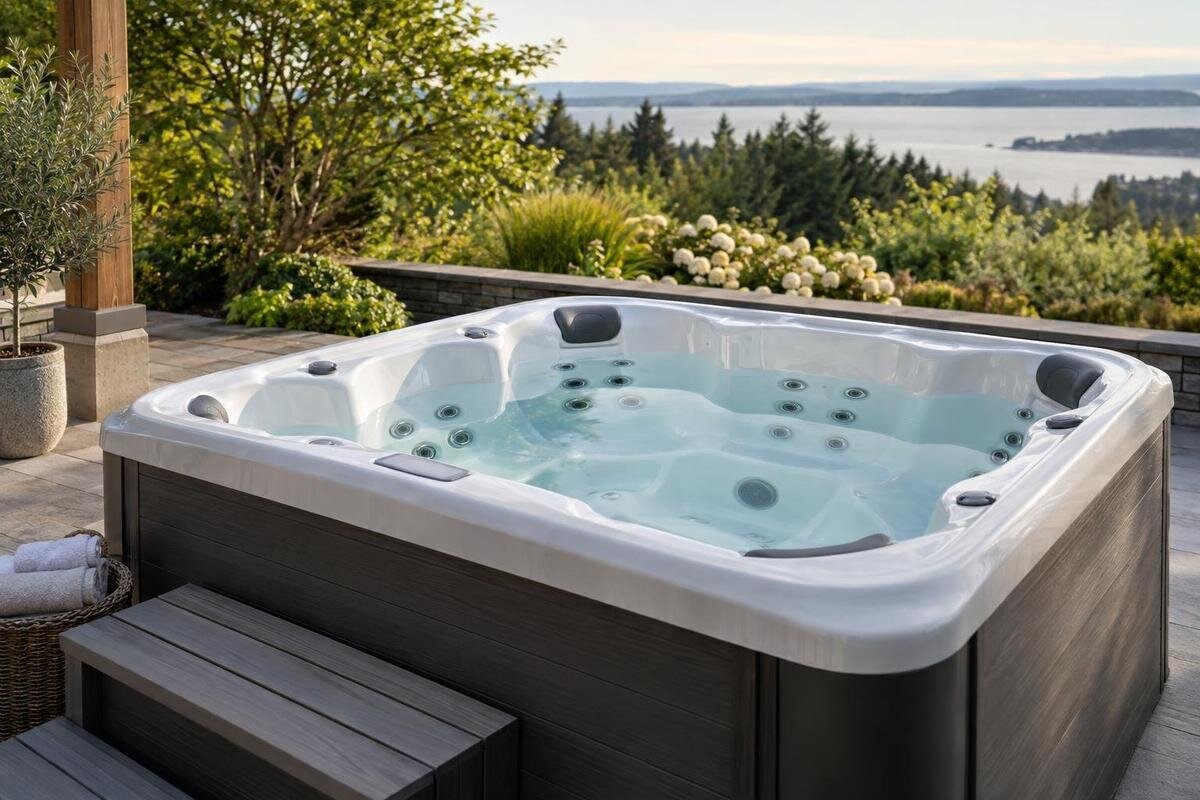
Hot tub water changes
Knowing when to replace hot tub water is not the same as following a testing routine. Testing and treatment deal with water while it is in the tub; a full drain and refill is a separate task, with timing set by the instructions for the exact model. Use model-specific guidance rather than an interval borrowed from another owner. In Malta, establish in advance where the old water can appropriately go, using current local guidance rather than assumptions about a nearby drain.
Is there a standard hot tub water-change schedule?
An outdoor hot tub does not have one water-change timetable that can safely be applied to every model. The relevant interval, where the manufacturer provides one, belongs to the current instructions for that exact product and the water-care arrangement those instructions assume. The wording may set a simple interval or make it conditional; read the actual conditions rather than reducing them to a broad rule. If the manual is missing, unclear or appears to describe a different setup, ask the manufacturer or supplier for a model-specific explanation before deciding when to drain. Keep that answer with the product documents so you can refer to it again.
A number in a model name is not a water-care schedule, and a product photograph or catalogue listing cannot establish one either. Do not estimate an interval from an assumed capacity or copy a timetable from an online discussion. Another owner’s tub may have different instructions, water-care arrangements or patterns of use. Generic advice can help you identify questions to ask, but it is not a replacement for the manual. If you have already filled the tub and cannot find the right guidance, contact the supplier or manufacturer rather than choosing a convenient interval and treating it as confirmed.
Which factors can affect water-change timing?
When asking for an interval, describe how you expect to use the tub: how often it will be used, the usual number of users and whether use is likely to vary through the year. Ask whether the manufacturer’s schedule takes any of these details into account, and how it describes the conditions that change the recommendation. These are details to give the supplier, not inputs for an owner-made formula. Do not assume, for example, that a particular number of users means you should shorten an interval by a fixed amount. If the guidance is conditional, ask which condition applies to your intended pattern of use.
Also ask whether the recommendation is tied to a particular water-care method, source water or model configuration. Do not assume that instructions for another tub—or even a similar-looking model—cover your product. When considering Bloomcabin hot tub Aurora 10, request the current instructions for that exact model and explain how you expect to use it. The catalogue name identifies the product, but it does not provide its water-care requirements. If the supplier gives a general answer, ask whether it is based on the same model and arrangement you plan to buy.
Routine water care and full water replacement
Testing checks the water according to the measurements specified in the care instructions. Treatment means acting on the water in accordance with those instructions. A full drain and refill is different: it removes the existing water and replaces it with fresh water. This does not necessarily mean changing the source used to fill the tub. These tasks may sit within the same overall care plan, but one does not automatically take the place of the other. A test result is meaningful only when interpreted using the right model-specific guidance; it does not by itself set a universal drain date. When reading a care schedule, distinguish entries about checking or treating the water from those that explicitly require a complete replacement. If a supplier uses the general phrase ‘water maintenance’, ask which of these tasks they mean before adding it to your calendar.
Keep records of routine testing or treatment separate from the date of a complete replacement. If the manufacturer gives a water-change schedule, do not assume that a recent test cancels it unless the instructions explicitly say so. Equally, an unexpected reading is not a universal instruction to empty the tub; follow the response described in the manual or ask for advice. A simple record of the last full drain, the instructions followed and any manufacturer guidance received makes it easier to explain the situation if you need support.
How to find instructions for your exact hot tub
Look for the owner’s manual and water-care information supplied for the exact model, using the manufacturer or retailer as the source. Match the product name carefully, and include a product label or other identifying detail if the manufacturer asks for one. A document for a product with a similar name may not cover your tub. Check that you have the complete guidance, including any separate section on water replacement, and ask whether it applies to the water-care method you intend to use. If more than one document is supplied, ask which one takes precedence.
For Bloomcabin Hot Tub Cove 2, request the current model-specific water-care instructions before purchase or first fill. Ask where the document addresses complete water replacement, rather than accepting a page that discusses only testing or treatment. You should be able to identify both the recommendation and any conditions attached to it. If the supplier sends several files, keep their titles and dates together so that a later answer can refer to the same wording. Where an instruction refers you to a separate document, include that document in your reading rather than treating the reference as the complete answer. This gives you a usable set of ownership instructions, not just an isolated interval. If the documents leave the replacement timing unresolved, ask the supplier to explain that specific gap and retain the reply alongside the relevant page.
How to apply the manufacturer’s water-change guidance
Once you have the correct instructions, read how the manufacturer defines the timing. It may be expressed as a stated interval or linked to conditions; do not silently turn conditional wording into a fixed rule. If you are unsure whether the timing is counted from filling, from use or in another way, ask for clarification rather than guessing. Record the relevant wording and the date of the full refill. If documents appear to conflict, do not combine parts of different manuals or choose the most convenient version; contact the manufacturer or supplier for an answer that identifies the exact model.
For Bloomcabin hot tub Haven 6, ask for guidance that matches the exact product and water-care method you are considering. Once the timing is clear, turn it into a planning note without losing the conditions that accompany it. If the manufacturer states an interval, record the starting date it specifies and the resulting replacement date. If the advice is conditional, record the condition instead of inventing a fixed calendar interval. Keep any clarification beside the original wording so that you can see why you made the entry. A reminder should help you follow the instructions, not become a substitute for them. If your circumstances later differ from those described in the guidance, identify that difference when asking for advice; do not simply move the reminder to a more convenient date or apply an interval taken from another model.
Questions to ask before buying a hot tub
Ask the supplier for the recommended timing of a full water replacement for the exact model, and whether that timing depends on use or another condition. Find out which manual or manufacturer document contains the answer and whether any separate guidance applies to the water-care method you plan to use. Ask what the manufacturer means by a full replacement and whether it gives separate instructions for draining and refilling. These questions help distinguish an official model-specific recommendation from a general statement about hot tubs. If the answer is conditional, ask for an explanation based on the way you expect to use the product.
When considering Bloomcabin Hot Tub Fjord 8, request the water-care documents as part of your product enquiry. Use them to assess the practical commitment of a complete replacement, rather than judging ownership solely by routine testing tasks. Think through the arrangements at your home: access to the intended refill source, a suitable destination for the old water and who will be available to carry out the documented routine. Keep questions about the product separate from questions about the property. The supplier can explain the model’s instructions, while local disposal enquiries concern the route available at your address. Note any unresolved point before deciding whether the routine fits your plans. This makes comparisons between products more useful: compare the replacement requirements actually provided for each one, and leave unanswered details open rather than assuming that all models have the same requirements.
Planning drain-water disposal in Malta
Before the first full replacement, establish where the old water can appropriately go. For a property in Malta, check current guidance with the relevant local authority or wastewater service and, where relevant, the property manager. Do not assume that a household drain, outdoor gully, soil or nearby surface-water route is suitable simply because it is accessible. The manufacturer’s instructions may also describe how the water has been cared for or identify handling points to consider. Use that information when asking about an appropriate route rather than relying on a general suggestion from someone with a different property.
Resolve disposal arrangements before scheduling the first full change, rather than while the tub is already being emptied. When making a local enquiry, explain that the water is from a hot tub and have the manufacturer’s relevant handling information available. Describe the proposed outlet clearly; a vague reference to ‘the drain’ may not identify the route you mean. If a supplier suggests an outlet, ask what type is intended and confirm its suitability locally. For Bloomcabin hot tub Aurora 10, the product page is a starting point for identifying the model, not confirmation of a drainage arrangement at your home. Keep the disposal answer with your refill plan and note which route it concerns. That helps avoid confusion if someone else organises a later replacement or if you consider moving the tub to a different part of the property.
What to do when you are unsure whether water needs changing
If a test, a change in appearance or another observation leaves you uncertain, do not treat that observation alone as a universal instruction to drain. Follow the exact model’s water-care guidance and any decision criteria it gives. Do not invent a test threshold, add an unspecified treatment or postpone a stated full replacement because the water looks acceptable. If the manual does not explain what to do in your circumstances, pause and ask the manufacturer or supplier for guidance before taking an unlisted step. This keeps the decision about replacement separate from guesswork about a particular water condition.
When seeking advice about water replacement for Cove 2, describe the uncertainty precisely. Give the date of the last complete refill, identify the instructions you followed and provide any relevant test information requested by the manufacturer. Separate what you observed from what you think it means: an observation and a proposed explanation are not the same thing. Ask whether the guidance calls for a full replacement in these circumstances or describes another response, and identify any passage in the manual that you find unclear. If the answer says to change the water, clarify whether it concerns this particular situation or also changes the routine schedule. Keep that distinction in your notes. A one-off answer should not silently become a permanent interval, just as a general schedule should not be treated as the answer to every unexpected water-care question.
Planning refills around household use
A schedule is only practical if you can carry it out as directed. Consider whether the expected timing fits your household routine, whether you can access the water source used for refilling and whether you have confirmed a suitable disposal route. If your use is likely to change—for example, becoming more frequent during part of the year—ask the manufacturer whether its guidance treats that pattern differently. Do not make the adjustment yourself unless the instructions explain how. A written recommendation based on your planned use can help you assess the commitment before buying.
When reviewing Haven 6 water-care requirements, describe a realistic pattern of use rather than an idealised one. Include any periods when the tub is likely to be used less often, and ask whether the manufacturer’s replacement guidance addresses them. This is a question about how to apply the stated schedule, not a reason to assume that unused water can remain indefinitely or must automatically be replaced. Consider who will organise each full change if more than one person shares responsibility for the tub. Agree where the replacement date and applicable instructions will be recorded so that one person does not mistake another person’s testing entry for a completed refill. Before buying, assess whether those arrangements are manageable alongside your household commitments. The useful comparison is the documented routine you can realistically follow, not an unsupported promise that one model needs less attention.
Keep a record of full water changes
A short record prevents routine water checks from being confused with complete replacements. Note the date of each full drain and refill, the exact model, the manual or written guidance you followed and any condition the manufacturer said was relevant. You can also record the water source if it is useful when discussing the refill with support. Keep these entries distinct from notes about testing or treatment. If you later need to ask a question, the date of the last replacement and the instructions used give the manufacturer a clearer starting point than an approximate recollection.
Keep earlier replacement entries when you receive revised guidance, so the record still shows which instructions applied at the time. For Fjord 8 ownership information, distinguish the product listing from the model-specific care documents and any subsequent clarification. Note the date of a new answer, the question it addressed and whether it changes future timing or only explains a past decision. If two replies appear inconsistent, keep both while you seek clarification rather than overwriting one with the other. You do not need a lengthy diary: the purpose is to make the sequence understandable when you next plan a replacement or contact support. A concise entry should let you identify the last full refill, the guidance used and the basis for the next planned change without reconstructing events from scattered messages or routine test notes.
Frequently asked questions
Can I use another owner’s water-change schedule?
Not as a substitute for your own model’s instructions. The other hot tub may have different documented water-care requirements or be used under different conditions. Ask the manufacturer or supplier for guidance that applies to your exact model.
Does testing the water mean I do not need to drain it?
No. Testing and treatment manage the water while it is in the tub; a full drain and refill is a separate task. Follow the manufacturer’s replacement schedule unless its instructions specifically say otherwise.
Can I work out the water volume from the model name?
No. A model name identifies the product; it does not confirm its water capacity or change interval. Use the model’s documentation for those details.
What should I ask a supplier before buying?
Request the current water-care instructions for the exact model. Ask how often a full replacement is recommended, what conditions that guidance assumes, and what steps or local disposal checks apply.
Where can I drain hot tub water in Malta?
Do not assume that a nearby household drain, gully or outdoor area is suitable. Check the manufacturer’s handling guidance and confirm an appropriate route with the relevant local authority or wastewater service before draining.
A dependable water-change plan combines the exact model’s instructions, an honest description of how the tub will be used and a locally confirmed route for the old water. Testing and treatment remain separate from a full drain and refill, so one should not be used to guess the timing of the other. Obtain the relevant guidance before filling, then keep a brief record of each replacement. That gives you a plan based on your own hot tub rather than a timetable borrowed from elsewhere.
