
How to Judge the Build Quality of an Outdoor Hot Tub
Outdoor hot tub buying guide
When buying an outdoor hot tub in Malta, judging its construction by its finish alone tells you too little. A photograph can show colour and visible assembly; it cannot confirm shell layers, structural supports, sealed joints or the extent of insulation. The useful test is whether information refers to the exact model and is backed by clear specifications or drawings. This guide separates what you can inspect from what needs written evidence, so you can compare without guessing from a model name.
Why appearance alone cannot prove build quality
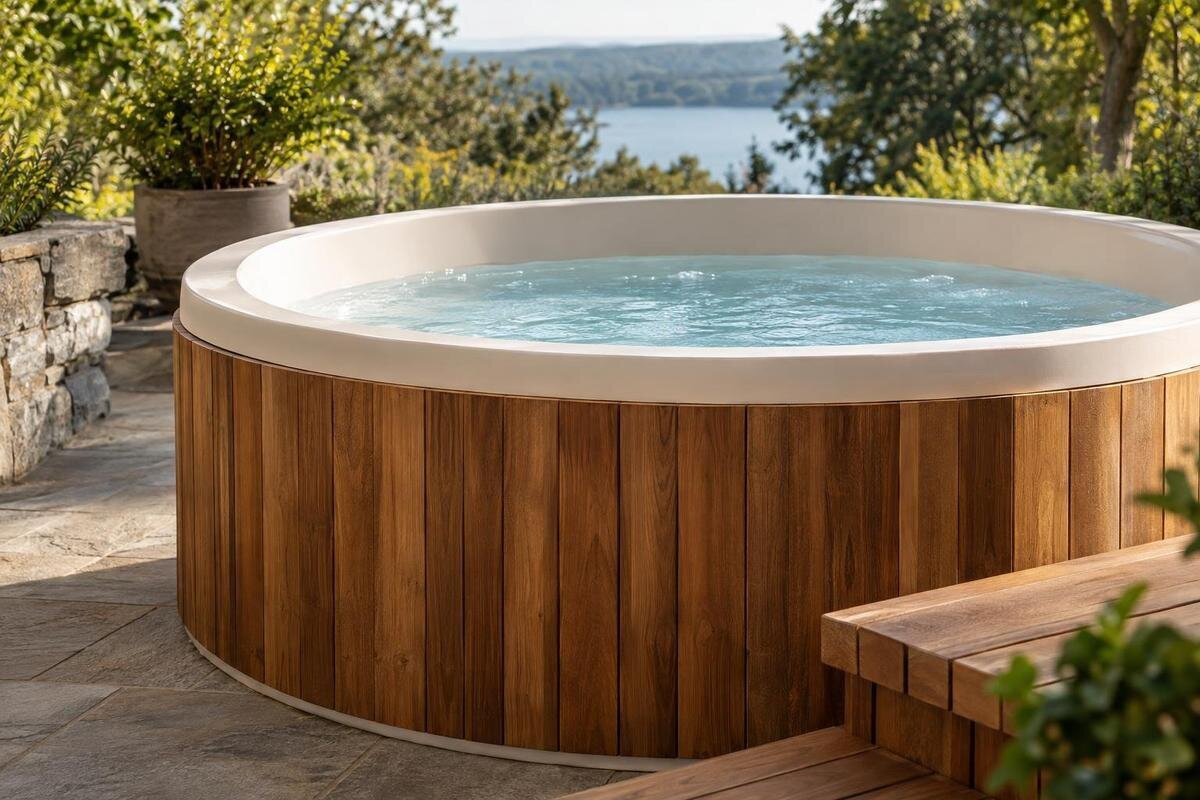
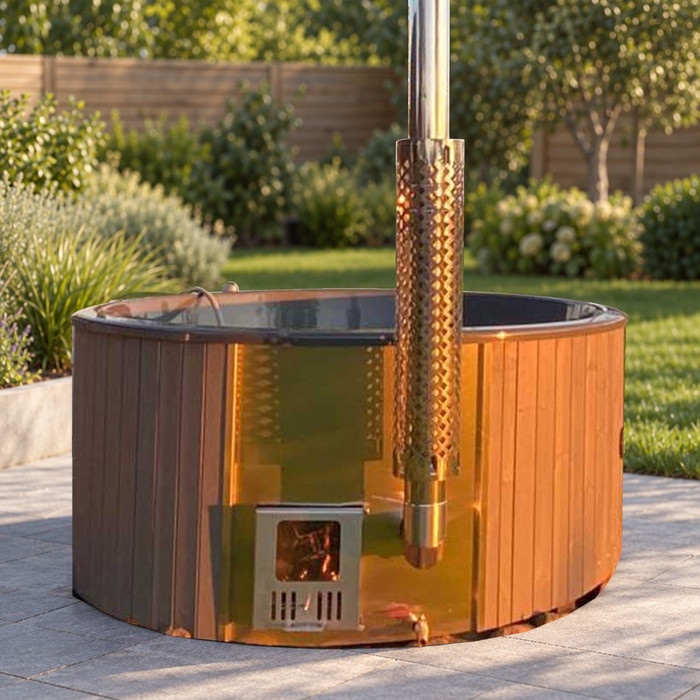
An even surface, tidy cabinet and polished photograph can make a hot tub look carefully made, yet they show only the parts visible from outside. They do not establish what lies behind the finish, how the shell is reinforced, how the structure supports it, how openings are sealed, or whether insulation reaches the areas named in the description. Those details are part of the build even when they cannot be seen in a product image. Lighting, camera angle and careful cropping can also make joins difficult to judge. A good-looking exterior is positive evidence about finish quality, but not a complete account of construction.
If you can inspect a display model, assess it as an assembly rather than judging gloss or colour alone. Look for panels that meet evenly, cleanly finished edges, consistent corners and accessible joints without obvious gaps, damage or loose pieces. Record what is visible and distinguish a cosmetic mark from a construction concern; neither should be assumed without context. A sample may also differ from the configuration offered for sale, so ask whether it is the same model and finish. Note which parts you cannot see, rather than treating an attractive surface as evidence about hidden layers.
What to check in the shell
The shell is the water-holding body, so its description should identify the material and construction rather than rely on a phrase such as ‘premium shell’. Ask whether it is a single-layer or layered assembly, what reinforcement is used, and how the shell is supported at its rim and underside. A specification sheet or construction drawing can answer questions a surface view cannot. If the seller gives a material name, clarify its role: a visible finish layer, a structural layer and a reinforced area are not interchangeable descriptions. A useful answer ties each term to a particular part of the exact model.
Do not treat a stated thickness as a quality score on its own. It may describe only one layer, while material, shape, reinforcement and support also contribute to the construction. Ask what the figure measures, where it applies and whether it refers to the model in the listing. When reviewing Bloomcabin Hot Tub Cove 2, for example, distinguish any description of the visible surface from information about the complete shell assembly. Apply the same questions to every candidate. A close-up can show the surface finish, but only model-specific information can explain hidden layers and how the shell is assembled.
How the support structure should be documented
The shell does not stand alone: its rim, base and supporting frame form an assembly. A useful specification identifies the frame or base material, the locations where the shell is supported, and how the components are joined. If the description says only that a frame is ‘strong’ or ‘heavy duty’, ask what material and construction those words refer to. Where different materials are used, clarify which component each description covers. An outer cabinet may make the whole unit look solid while obscuring the structure beneath it, so appearance alone cannot establish how the parts work together.
Request a drawing or clear technical description showing the support layout, relevant fixings and relationship between the shell and frame. It should apply to the model and version being offered, not simply to a similar-looking unit. If a display lets you see an underside or service area without removing parts, note the alignment, finish and any obvious damage; do not infer structural adequacy from how heavy a panel feels. When assessing Bloomcabin Hot Tub Fjord 8, keep observations about the outer cabinet separate from information about the supporting structure. This makes clear which parts you have inspected and which still need an explanation.
What joints and edges can reveal
Joints deserve attention where shells, panels and enclosures meet: at edges, corners and openings. On an accessible display, look for even joins, neat cut edges, securely fitted trim and consistent sealing where a seal is visible. A gap, irregular line or misaligned panel is a reason to ask a question, not enough on its own to diagnose a fault. Some joins are part of the design; others may conceal a connection. Do not pry apart panels or assume a decorative seam is structural. The supplier should be able to explain what you are looking at and whether the visible detail is representative.
Clarify which joints carry structural loads, which are part of the outer finish, and how water-containing parts or pipe openings are sealed. Words such as ‘sealed’ need a clear scope: which joint, which component, and what information supports the statement? A visible bead of sealant may be decorative rather than the seal used at a hidden connection, so ask for a detail drawing or photograph of the corresponding area on the exact model. For Bloomcabin hot tub Haven 6, distinguish visible seams from any concealed connections described by the supplier. A written explanation helps you understand what a neat-looking edge does—and does not—show.
How to assess the exterior finish
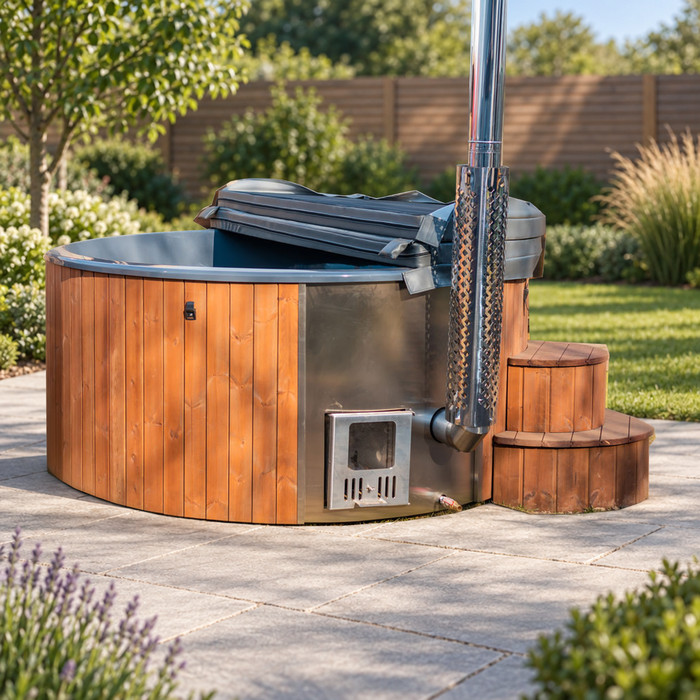
The outer finish is a separate part of the build from the shell and frame. A cabinet, cladding or coating may be chosen for appearance, protection or both; do not assume its function from its look. Ask what material forms each exterior panel, how exposed edges are finished, and whether a coating or surface treatment is part of the specification. If the description names a material family but not the component, clarify whether it means the visible panel, the structure beneath it or a trim piece. That distinction helps you compare like with like instead of treating one label as a description of the whole tub.
Where you can examine the finish, look for consistent colour and texture, tidy corners, and edges that do not appear unfinished or damaged. These are observations about workmanship, not proof of how the surface will perform outdoors. Describe the actual exposure at your chosen site and ask whether the specified material and finish are intended for it, and what information supports that claim. A sheltered position and a fully exposed position call for different questions about suitability; neither justifies guessing what a product can withstand. When reviewing Bloomcabin hot tub Aurora 10, record the specified finish separately from your impressions of its appearance in photographs.
What an insulation claim should specify
Insulation is often described with one adjective, although the claim may refer to different parts of an assembly. Ask whether it covers the shell, side walls, base, pipework or some combination, and request the material and extent where these are specified. A drawing can show whether the insulation is continuous or limited to particular zones. If a description mentions insulation without saying where it is fitted, you cannot tell what the claim covers. Keep the question precise: ‘What is insulated on this exact model?’ is more useful than ‘Is it well insulated?’
Do not assume that a thick-looking cabinet, material visible through an opening or the word ‘full’ settles the question. Ask for a model-specific specification and, if a performance comparison is offered, the test basis and conditions so that claims can be compared fairly. The information should identify the assembly and configuration described; a general statement about a product range may not settle what is used on one model. If you are checking the Cove 2 product listing, label the insulation information ‘documented’, ‘not stated’ or ‘awaiting clarification’, as appropriate. This prevents a vague phrase from becoming an assumed benefit.
Why service access matters to build quality
Service access belongs in a construction assessment because hidden components may need to be reached without damaging the exterior. Ask which panels or openings are intended to provide access, where they are, and which parts of the tub can be reached through them. A drawing or access plan can show whether the design has deliberate openings or whether reaching a component would involve removing a large section of finished enclosure. This is not a maintenance schedule; it is a way to judge whether the construction anticipates inspection and repair. A neat, uninterrupted cabinet can look appealing while leaving that question unanswered.
Look for access that is described rather than guessed from a visible seam. Ask whether panels are removable, how they are secured, whether removal affects the finish or seals, and whether the access points shown match those on the model offered. You do not need to dismantle a display; the supplier can provide a drawing or identify the panels. When reviewing the Haven 6 model page, distinguish any stated access arrangements from questions the page leaves unanswered. A written response can clarify which components each opening serves. If a component important to your decision has no documented access route, resolve that question before buying.
Which construction claims need evidence
Construction language should be precise enough to check against a drawing, material list or other model-specific record. Terms such as ‘reinforced’, ‘weather-resistant’, ‘premium’ and ‘fully insulated’ say little unless the seller identifies the component, materials or method involved, and what the statement is based on. For a performance claim, ask what was measured and under which conditions; for a material claim, ask for the exact material and where it is used. A brochure can be a useful starting point, but a broad phrase is not the same as evidence. The appropriate level of detail depends on how important the claim is to your decision.
Useful supporting information may include a technical sheet, assembly or section drawing, material description, and clear photographs of areas hidden in ordinary product images. Check that any document names the correct model and, where relevant, the correct configuration; do not carry details over from a neighbouring model or an older page. If a supplier answers verbally, ask for the answer in writing so you can compare it consistently. With the Fjord 8 listing, note each claim it actually makes and each point it does not state. A catalogue name or general range description is not proof of construction details. Keep the documents and responses together so confirmed facts remain separate from assumptions.
How to compare construction details fairly
Create a comparison record with separate lines for shell material and layers, frame or base construction, joints and seals, exterior finish, insulation coverage, and service access. For each candidate, mark a point as documented, not stated or needing clarification, then note the exact wording or relevant drawing. This is more reliable than an overall star score: one model may describe its finish in detail while leaving its shell or frame unexplained. It also prevents a familiar material label from standing in for a complete build description. Compare equivalent parts, not the best-documented feature on one model against the least-documented feature on another.
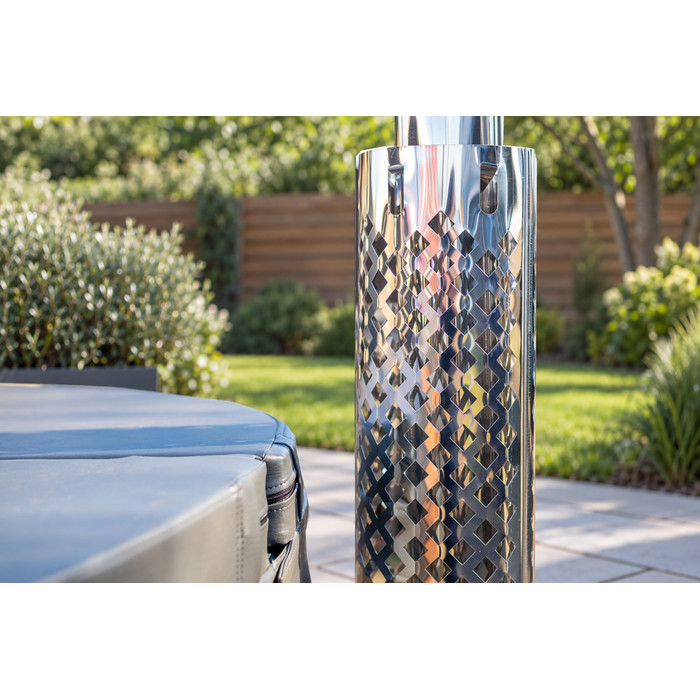
Use the same questions for every candidate and keep visual observations separate from written specifications. A tidy display may reassure you about finish, while a drawing may help explain hidden construction; neither automatically answers the other. Treat missing information as uncertainty, not proof of poor quality, and do not award extra points for adjectives without supporting detail. For the Aurora 10 product page, as with any product page, record only what is explicitly stated and ask about gaps that affect your expectations. This approach shows what you can judge now, what remains unknown and whether the available evidence supports the standard you want.
When missing details should delay a purchase
Pause if a detail central to your decision is still a guess: the shell material, supporting structure, way a joint is made, extent of insulation or route to serviceable parts. Ask the supplier to identify the exact component and provide a specification or drawing, rather than simply repeating a marketing phrase. If the answer refers to another model, a product range in general or a photo without explaining what it shows, request clarification. A missing detail does not prove that a tub is badly made, but it does prevent you from judging whether its construction meets your expectations. Prioritise the questions whose answers could change your choice.
You do not need a laboratory report for every visible trim piece, nor should you accept a sweeping claim where a substantial part of the build is hidden. Set your evidence threshold according to the question: visible finish can be inspected in person, whereas shell layers, support arrangements, insulation scope and concealed joints need written detail. Proceed when key points are specific, consistent and tied to the model you are considering; otherwise compare another option or wait for an answer. That is a more dependable basis for judging build quality than a model number or impressive photograph alone.
Frequently asked questions
Can a good finish prove that a hot tub is well built?
No. A finish can show visible workmanship, but it cannot confirm shell layers, reinforcement, concealed joints or the extent of insulation. Use an inspection to note what you can see, then use model-specific information to assess hidden construction.
Is a thicker shell always stronger?
No single thickness figure establishes overall quality. It may refer to just one layer, and construction also depends on the material, shape, reinforcement and support. Ask what the figure measures and where it applies.
What should an insulation description include?
It should identify which parts are insulated, the material and extent, and the exact model covered. If a performance comparison is made, ask what configuration and conditions it refers to.
What if the product page does not describe the shell or frame?
Treat those details as unknown rather than filling the gaps with information from another model or a photograph. Ask the supplier for a model-specific description or drawing, and wait for clarification if the missing information affects your decision.
Can a warranty replace construction details?
No. Warranty information and construction evidence serve different purposes. A warranty does not by itself identify the shell materials, frame, joints or insulation, so review its terms separately and request the build information you need.
A sound judgement combines visible workmanship with specific information about the parts you cannot see. Compare the same construction details for each model, keep stated facts separate from unanswered questions, and decide whether the evidence matches your expectations. If an important detail remains vague, waiting for clarification is more sensible than treating appearance or marketing language as proof.
