
How to Plan a Greenhouse Layout for Beautiful, Comfortable Gardening
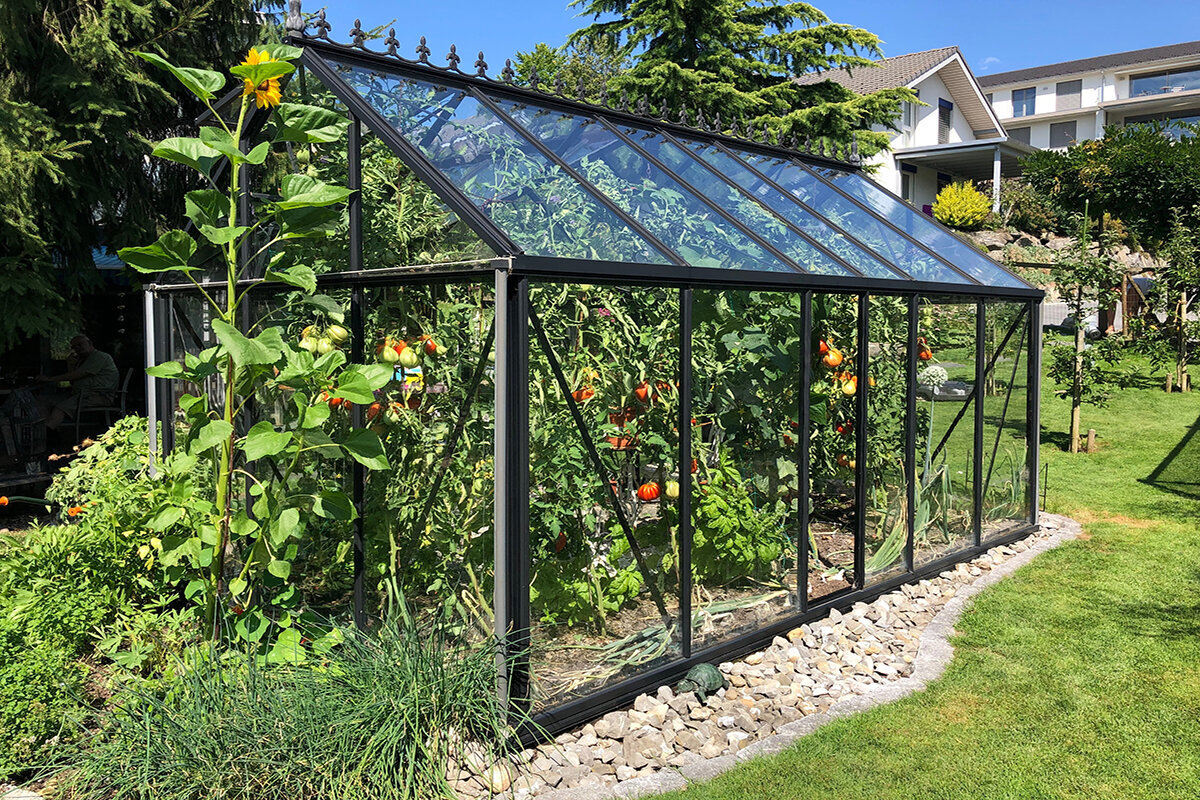
Planning your aluminium greenhouse layout is essential for creating a space that is both attractive and practical. A well-organised greenhouse makes the best use of available room, supports healthy plant growth and creates a comfortable place to garden. This guide explores ways to design an effective layout, focusing on plant placement, paths and overall appearance.
Understand Your Space
Before planning the layout of your aluminium greenhouse, take time to understand the structure’s dimensions and features. Aluminium greenhouses are valued for their durability and versatility, making them suitable for a wide range of plants. Measure the available space and consider the height, width and length. This helps you decide how much room is available for plants, walkways and storage.
Key considerations:
- Light: Place plants where they will receive adequate sunlight. Position taller plants at the back or along the sides, with lower-growing plants towards the front, to prevent unnecessary shading.
- Ventilation: Good air circulation is vital for plant health. Arrange the layout to allow cross-ventilation, keeping taller plants clear of vents and openings.
- Water access: Organise plants so they are easy to water. Consider installing an irrigation system to make this task more efficient, especially during Malta’s warmer, drier periods.
Divide the Greenhouse into Zones
Dividing your aluminium greenhouse into zones can help you manage different plant types more effectively. You might create one area for seedlings, another for mature plants, and a third for vegetables or flowers that need particular growing conditions.
Zoning tips:
- Temperature zones: Some plants prefer warmer conditions, while others thrive in cooler surroundings. Group plants with similar temperature needs together.
- Humidity zones: Plants needing frequent watering should be grouped together, separately from those that prefer drier conditions.
- Height zones: Arrange plants by height to improve light distribution and make access easier.
Paths and Accessibility
Clear, accessible paths are essential for comfortable gardening. Make sure walkways are wide enough for garden tools, wheelbarrows or trolleys. Paths should also allow easy movement between zones without disturbing plants or restricting access for everyday care.
Path suggestions:
- Central aisle: A wide central aisle gives straightforward access to every part of the greenhouse.
- Side paths: Narrower side paths can lead to specific zones or beds, allowing close care and harvesting.
- Raised beds: Consider using raised beds beside pathways for improved drainage and easier access to your plants.
Aesthetic Considerations
Function matters, but appearance also plays an important part in creating an enjoyable garden setting. A thoughtfully designed greenhouse layout should be visually appealing, with a balance of colours, textures and plant varieties.
Aesthetic tips:
- Colour coordination: Choose plants with complementary colours and textures to create a harmonious look.
- Vertical gardening: Use vertical space by growing climbers or fitting shelves for potted plants. This adds visual interest while also making better use of the available area.
- Decorative elements: Add decorative features such as benches, statues or water features to enhance the beauty of your greenhouse.
Efficient Use of Space
Making the most of the available room is central to a successful greenhouse layout. Aluminium greenhouses are particularly suited to this because their sturdy frames can support hanging baskets, shelves and tiered planters, helping you use vertical space effectively. This approach lets you grow more plants without overcrowding the floor.
Space-saving ideas:
- Hanging baskets: Ideal for plants that need little root space, hanging baskets free up floor area for larger plants.
- Shelving units: Use shelves to store pots, tools and smaller plants. Adjustable shelves can be adapted as your plants grow.
- Tiered planters: Tiered planters are ideal for growing several plants in a small area, making them especially useful in smaller greenhouses.
Planning a greenhouse layout calls for careful thought about space, plant needs and appearance. By understanding your space, dividing your aluminium greenhouse into zones, creating accessible paths and using the area efficiently, you can create a beautiful, comfortable environment for gardening. Whether you are an experienced gardener or a beginner, a well-planned greenhouse layout can improve your gardening experience and help your plants thrive.
