
How to sow seeds in a greenhouse
How to start seeds in a greenhouse
A practical guide to successful sowing with Bloomcabin greenhouses
Why start seeds in a greenhouse?
Starting seeds in a greenhouse is an excellent way to raise healthy, vigorous plants. The protected environment shelters young seedlings from rough weather and pests while helping you manage temperature and humidity. Whether you are an experienced gardener or just beginning, a quality aluminium greenhouse from Bloomcabin can make sowing easier and more enjoyable. In Malta, it also lets you protect tender seedlings from wind and intense sun while making an earlier start to many crops.
Step-by-step: starting seeds in a greenhouse
1. Choose the right greenhouse
Greenhouses differ in design and performance. Bloomcabin aluminium greenhouses are designed to create favourable growing conditions, with a durable structure and strong light transmission for seed raising. Choosing a long-lasting greenhouse supports your gardening plans while adding a smart feature to your outdoor space. Select a size that gives you room for trays, watering and ventilation, rather than filling every surface from the outset.
2. Choose quality seeds
Successful greenhouse gardening begins with the seeds. Choose reliable seed suited to your local conditions and growing aims. Organic and heritage varieties can offer diversity and resilient plants. Seed from trusted suppliers is also more likely to give dependable germination, helping you make the most of your greenhouse. Check sowing dates and heat requirements on each packet before you begin.
3. Prepare your greenhouse
Before sowing, make sure the greenhouse is clean, orderly and ready to use. A tidy growing space supports plant health and makes routine care simpler. Remove old plant debris, disinfect surfaces and set up a thermometer and hygrometer to track temperature and humidity. Adjustable shelving and good ventilation can make seed raising more convenient. In Malta, shade and airflow are especially important when sunny weather makes the greenhouse heat up quickly.
4. Use the right growing medium
Seedlings thrive in a light, free-draining seed compost. Avoid ordinary garden soil, which can compact and may contain pests. Instead, use a suitable seed-starting mix, such as one containing peat moss, vermiculite and perlite, to encourage healthy root growth. A good medium gives seedlings access to moisture, nutrients and oxygen. Choose products according to their label and intended use.
5. Sow your seeds
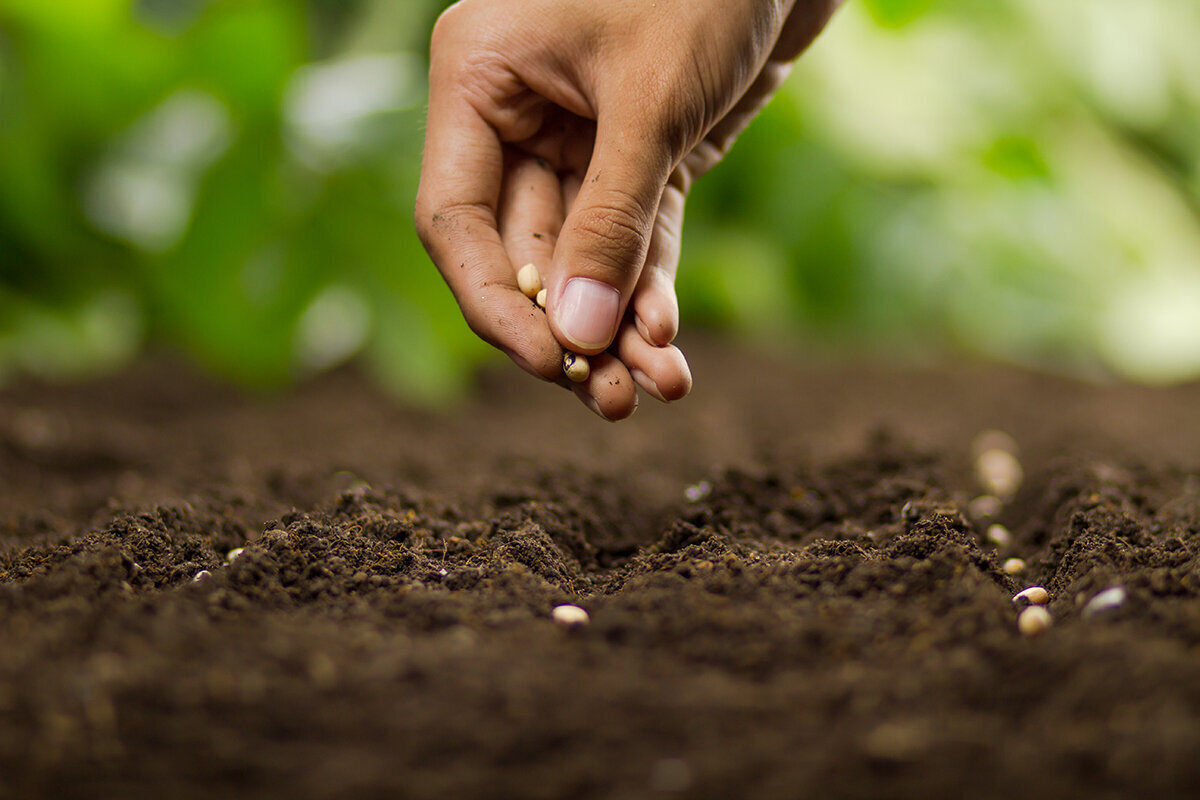
Follow the seed packet instructions for sowing depth and spacing. Use seed trays or pots with drainage holes to prevent waterlogging. A greenhouse provides room for several trays, allowing you to grow different plants at once. Label every tray with the variety and sowing date so you can follow progress accurately. Avoid sowing too densely, as crowded seedlings are harder to water and ventilate well.
6. Water and monitor
Even moisture is essential for germination. Use a fine spray to keep the growing medium damp without soaking it. Overwatering can encourage mould and other problems. The ventilation and insulating features of Bloomcabin greenhouses help maintain balanced humidity, while regular checks let you act before seedlings dry out or become stressed. Water early where possible, and adjust your routine to the season, sunlight and the drying speed of each tray.
7. Provide sufficient light
Seedlings need plenty of light to develop strong growth. Position trays where they receive bright natural light, but watch for overheating during very sunny periods. Bloomcabin greenhouses are designed for excellent light transmission, making them suitable for new and experienced gardeners alike. On dull days, supplementary grow lights can help provide consistent light. Turn trays occasionally so plants grow evenly instead of leaning towards one side.
More tips for successful greenhouse gardening
- Avoid draughts to reduce sudden temperature changes.
- Turn seed trays regularly so every plant receives even light.
- Record germination dates and rates to improve future sowing decisions.
- Harden plants off gradually by placing them outdoors briefly during the day.
Common seed-starting mistakes and how to avoid them
Even experienced gardeners occasionally make mistakes when sowing seed. Here are some common problems and practical ways to avoid them:
- Sowing too deeply: Many seeds need light to germinate. Placing them too far below the surface can restrict growth or stop germination.
- Incorrect temperature: Keep conditions as steady as possible, ideally between 18–24 °C where the seed packet recommends it. Cold slows germination, while excessive heat dries compost rapidly.
- Too much or too little water: Overwatering seedlings is a common mistake. Use a spray bottle or capillary system to provide consistent moisture.
- Poor ventilation: Still air can lead to mould and fungal issues. Use ventilation options to maintain good air circulation.
- Not transplanting: Once plants are strong enough, move them into larger containers or outside. Delaying transplanting can restrict their development.
Best plants to start in a greenhouse
Some plants are particularly well suited to greenhouse sowing. These popular choices work well for beginners and more experienced gardeners:
- Tomatoes: They enjoy warm conditions and benefit from early sowing for a longer harvest period.
- Peppers and chillies: These need plenty of warmth and a long growing season, making them ideal greenhouse crops.
- Lettuce: It grows quickly and can be raised in a greenhouse throughout much of the year.
- Herbs: Basil, parsley, chives and coriander thrive in greenhouse conditions.
- Flowers: Petunias, snapdragons and asters can be started early, then planted outdoors later.
After germination: caring for young plants
Once your seeds have germinated, a new stage of care begins:
- Increase light intensity: Make sure young plants continue to receive enough light. Dedicated grow lights are an optional addition.
- Feed plants: After the first pair of true leaves appears, you can use a diluted liquid fertiliser to support growth.
- Adjust temperature gradually: Acclimatise plants slowly to cooler outdoor conditions before planting them outside.
- Pot on regularly: Move plants into larger pots as they grow so their roots have room to develop.
Why Bloomcabin greenhouses are ideal for sowing
Our greenhouses combine contemporary design with practical growing benefits:
- Robust aluminium construction – weather-resistant and durable
- Excellent light transmission through quality glass
- Ventilation systems for temperature control
- Different sizes for every garden
- Optional extras including shelves, automatic window openers and gutters
Conclusion
Starting seeds in a greenhouse is rewarding: it helps you begin gardening earlier and grow healthier plants. A Bloomcabin greenhouse gives you protected growing conditions, stylish design and dependable functionality. Whether you grow vegetables, herbs or flowers, the right greenhouse setup is an important first step towards success. Observe each plant’s needs, ventilate and shade when necessary, and adapt watering to Malta’s changing light and temperatures for stronger young plants.
