
Inspecting a Garden Shed After Strong Winds or Heavy Snow
Garden shed care
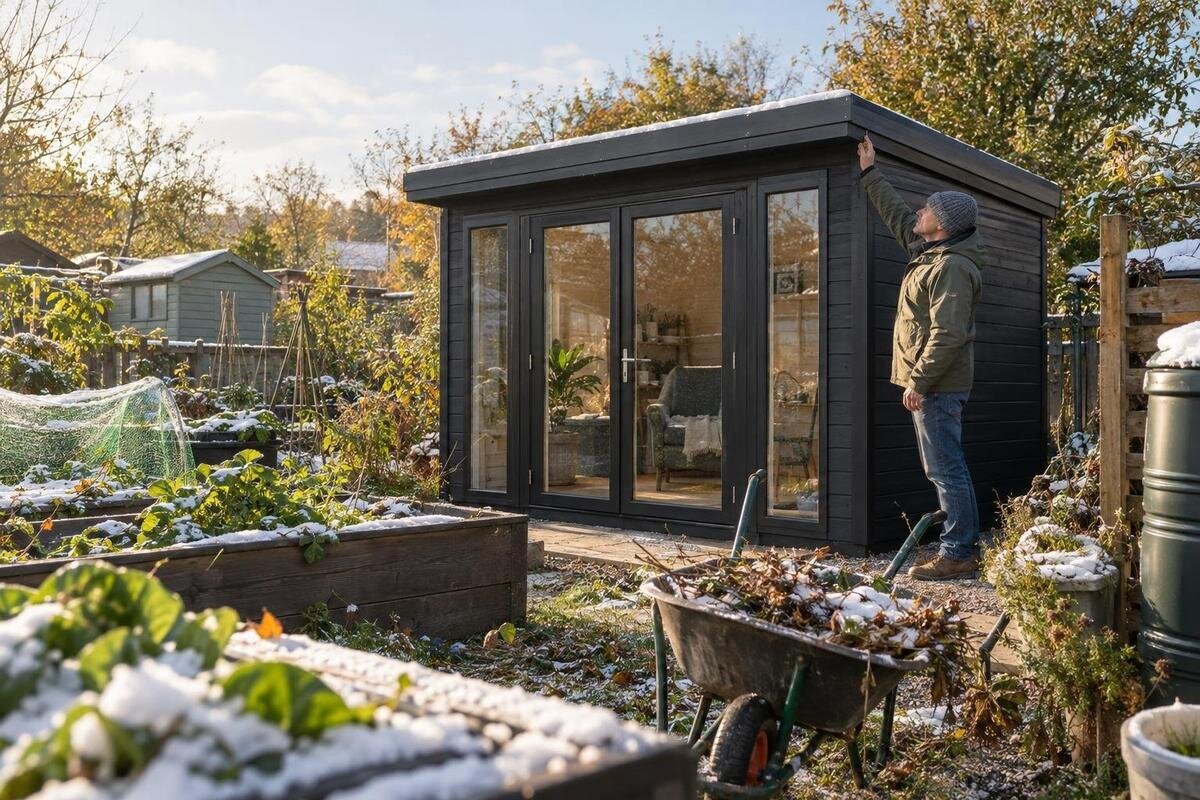
After a period of strong winds or heavy snow, a garden shed can look unchanged even when a roof edge, wall panel, door or base has shifted. A useful garden shed inspection after strong winds or heavy snow begins at a safe distance and follows the whole structure: roofline, walls, openings, base and, only where safe, the interior. The purpose is to spot visible changes and decide what needs further attention, not to diagnose structural safety by sight. Take a measured approach, record what you observe and keep clear of any part that appears unstable.
01
Choose a safe position before inspecting
Do not begin while strong gusts are still moving loose objects or while snow or ice is falling. From a firm, open position, look for hazards around the shed as well as on it: branches resting against it, hanging fragments, broken glazing, displaced items, or signs that a wall or roof is leaning. Keep other people away from the immediate area. Do not climb onto the building, stand beneath a questionable roof edge, or touch a loose component to see whether it is secure. Avoid clearing debris that may be holding a part in place. If there is obvious movement, sagging or material at risk of falling, do not enter; keep clear and arrange a qualified assessment.
Once the area is safe to approach, make a slow circuit at ground level before opening anything. Look at each side and corner from more than one position; a single angle may hide a dip or gap. Strong wind may leave fittings or coverings visibly displaced, while heavy snow can change the roof outline or mask damage until it clears. Treat these as prompts to record, not proof of what failed. An unchanged exterior does not reveal every hidden connection, so this first look is a screening check, not confirmation that all is sound. If debris, ice or poor visibility makes the route unsafe, stop and return when conditions allow.
Inspect the roofline without climbing
View the roof from several ground-level positions, far enough back to see its full outline. Note a new dip, bow, uneven edge, lifted or missing covering, loose trim, or debris caught where it was not before. After wind, focus on parts that appear shifted; after snow, compare the outline with an earlier photograph if you have one, since snow may obscure the surface itself. Look at every visible side, but do not use a ladder, climb onto the roof, pull at loose material or try to remove snow. If the surface is still covered, record that it could not be seen rather than guessing about its condition. A changed outline or hanging part is reason to keep clear and seek advice.
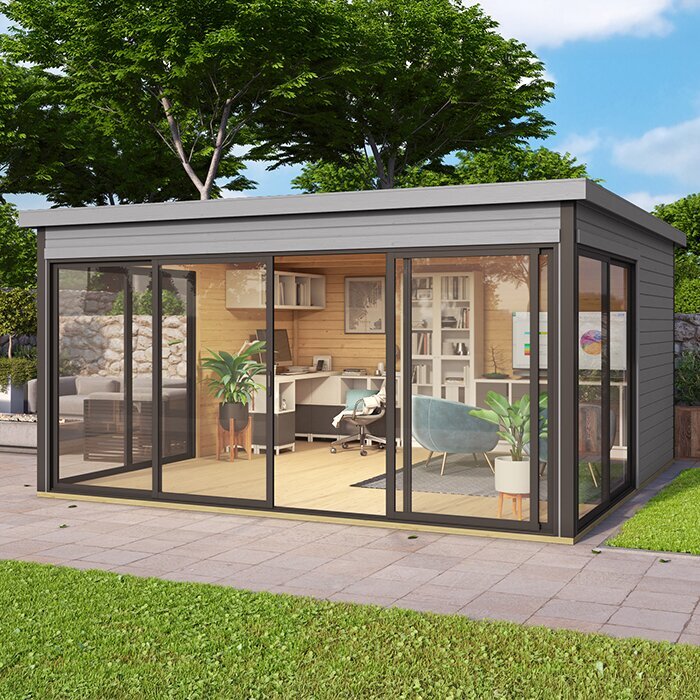
Only look beneath the roof if the external view gives no reason to suspect instability and the route inside is clear. From the doorway, note a fresh sag, shifted joint, split or water track, but do not walk beneath a section that appears to move. A visible mark is a reason to document and assess, not a way to calculate how much weight the roof can take. If you need product-specific instructions, match the item to your own records first; the Verdana 1 garden shed is a listing identifier, not a substitute for guidance for your exact unit.
02
Look for movement in the walls and corners
Walk around the building only where the ground is clear and you can keep a safe distance. Look for a new lean or bulge, wall panels that have shifted, a gap at a corner, a loose or missing section, or impact marks from branches and windblown objects. Notice whether a change appears on one face or continues around a corner, and where it sits relative to the roof edge and base. Do not push a panel, pull at trim or pry open a gap to test it. If a piece looks unstable or could fall, stop inspecting that side and keep away.
Use plain descriptions rather than guesses: note which wall has a displaced panel, whether the gap was visible before and what can be seen in a photograph taken from a safe position. Avoid treating one changed-looking surface as proof that the whole structure has moved; record separate observations independently. Wind may make a loose piece more obvious, but the inspection cannot establish when every mark began. If you contact a supplier, include the exact product name from your paperwork; the Verdana 2 garden shed is one listing identity, while your dated image records the condition of your own building.
Check doors, windows and other openings
Inspect any doors, windows or vents that the shed has, first looking at the surrounding frame and wall. Note cracked or displaced glazing, a new gap, a shifted frame, loose visible hardware or a door that no longer sits as it did. If the building otherwise looks stable, the glass is intact and the opening is clear, try the door once using its normal handle. Record scraping, catching or a latch that no longer meets its usual position. Do not force a jammed door, lean on it, or adjust hinges and fittings during this first check; resistance alone does not tell you what has moved.
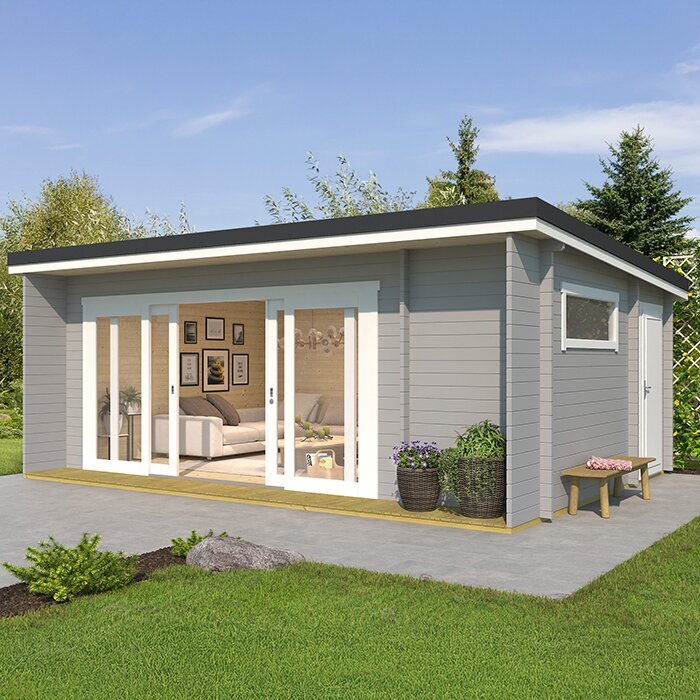
Look along the frame from outside and, only if the interior is safe, from inside too; a gap at one corner may be easier to see from a different angle. Do not lean through a broken window or handle loose glass. If an opening is damaged or cannot be closed normally, avoid using it and keep access to the shed limited. When asking a supplier or installer, include the model in your note; the Durano garden shed is an example of a listing name, while a description of where the door catches gives the relevant symptom.
03
Look at the base and the surrounding ground
Inspect only what can be seen at ground level around the base and where the walls meet it. Look for a new gap, separation, displaced visible support, washed-out soil, or a change in how the shed sits compared with earlier photographs. Note whether the change is at one corner, along an edge or across more than one side, but do not infer the type or condition of the foundation from what is visible. Check both sides where possible, and mark sections hidden by stored items or plants as not inspected. Do not crawl underneath, lift floor panels, wedge the structure or try to level it. A change in position deserves assessment rather than a hands-on test.
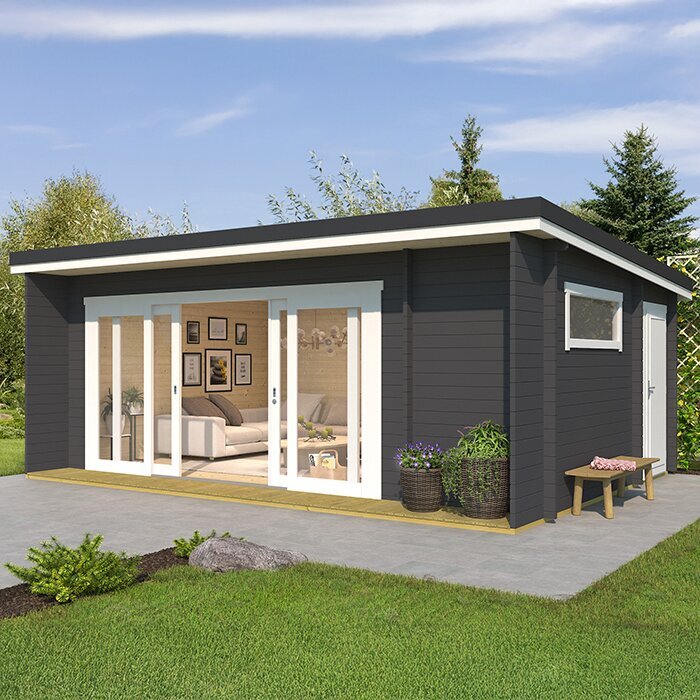
From inside, if access is safe, notice whether the threshold or floor meets the frame differently, but do not treat a small gap as a diagnosis by itself. The relationship between a shed and its base varies, and a surface view cannot show every fixing. Photograph the visible condition and note any other movement, such as a door that has started to catch, without assuming one caused the other. If you ask an installer or supplier for guidance, the Veltor 1 garden shed is an example of a product name to match to your paperwork; the page title cannot describe the base beneath your building.
Check inside only if access is safe
An indoor check comes after the exterior and only if nothing suggests the shed could be unstable. Open the door in its usual way; if it resists, stop. From the threshold, scan the underside of the roof and the walls, then the floor, for fresh debris, a changed gap, water marks, a wet patch, daylight through a joint or items that have shifted. Check the floor just inside before stepping in, since water can make it slippery. Do not enter beneath loose overhead material or move heavy boxes to expose a hidden area. If water is near electrical equipment, leave it untouched and get advice from a qualified electrician.
Describe water or debris precisely: state which area is affected, whether it is still wet and whether stored objects were displaced. A stain or damp patch alone does not identify its source, so avoid concluding that the roof, wall or base is responsible. If you need to contact the supplier, include the product name from your paperwork; the Orello 1 garden shed is an example of a listing identifier, while the location and appearance of the mark describe what you actually found. Leave contents in place if reaching them would mean passing under a suspect area.
04
Compare visible changes with earlier records
To judge what may have changed, compare your observations with photographs or notes taken before the weather event, if available. A wide view can show which side is affected; a closer view can show an edge or opening, but take both only from a safe position. Add the date, approximate time, whether snow remained on the roof and any locations you could not inspect. Do not remove a hanging part or clear debris to improve the picture. If a photograph would require climbing or approaching a damaged wall, leave it out.
Use caution when comparing pictures: a different camera angle, lighting or stored items can make a gap look larger or smaller. If there is no earlier record, say so and describe what you see now; do not claim that a mark is new just because you have only just noticed it. Keep observations separate, and note whether a feature appears changed, unchanged or uncertain. If your paperwork identifies the Modano 1 garden shed, using that exact name in a dated photo folder can help keep its records distinct from another building.
Know when to stop and request an assessment
Stop and keep people away if the roof is visibly bowed, a wall is leaning, a large part is loose, the base appears displaced, or anything moves while you are looking. Do not go inside to retrieve belongings, try the door, push a wall or place a ladder against the shed. Where a part may fall or the structure seems to have shifted, contact a qualified building professional or the original supplier for an appropriate assessment. If access around the building itself is unsafe, do not approach to take more photographs; a clear account from a distance is more useful than risking a closer inspection.
Less dramatic changes can still need attention before normal use, including a new leak, a persistent door problem, a visible gap at a joint or uncertainty about a support. Describe the change and when you noticed it, rather than deciding that a particular storm caused it. Do not repair or adjust structural parts on the basis of a general checklist. When arranging help, have the purchase record and photographs ready; if your documents identify the garden shed M listing, include that exact name alongside what is visible.
05
Record clear findings for follow-up
Keep a short event record with the date, weather, areas inspected, visible changes, photographs and any parts you could not safely check. Write 'gap at rear corner' or 'roof edge looks lower in the photograph' rather than 'structural failure' unless a professional has made that assessment. Note any immediate step taken, such as keeping the shed closed, and save later advice or repair details with the same record. This separates what you observed from what someone later concludes and makes a follow-up inspection easier to compare.
Keep the order confirmation, assembly or care instructions and supplier correspondence together if you still have them. Use the exact product name and avoid relying on a vague label such as garden shed; the garden storage shed S is an example of a listing name, not a description to copy unless it matches your own purchase. Add dates to later photographs and keep the account of the weather event with them. If an area was hidden or unsafe to inspect, mark it as unchecked instead of filling the gap with a guess.
Resume normal use only when concerns are resolved
A visual inspection is a way to spot reasons to pause; it cannot confirm hidden connections or certify a building as safe. If you find movement, loose material, a new leak that could be entering the structure, or any issue affecting safe access, wait for an appropriate professional assessment and follow the specific advice given for that shed. Do not store belongings beneath an area that appears unstable or resume normal entry simply because the door opens. Where the concern is serious, keep people clear until the area has been assessed.
When no concerning change is visible and there is no other sign of instability, return to ordinary use in line with the shed's supplied instructions. If you remain unsure, do not treat the absence of visible damage as confirmation; ask a qualified person to assess it. Where snow hid a surface or debris blocked a view, make another ground-level check once the obstruction is gone and conditions are safe. Add any later change to the same record rather than relying on memory or testing parts by hand.
Frequently asked questions
Can I climb onto the shed roof for a closer look?
No. Inspect from the ground and do not use a ladder to reach a roof that may have been affected by wind or snow. If the roofline has changed or you cannot see a section safely, leave it to a qualified professional to assess.
Is it safe to go inside if the roof appears to sag?
Do not enter if you see sagging, leaning, loose overhead parts or other signs of movement. Keep people away from the shed and arrange an assessment. Do not go in to retrieve belongings or test whether the structure feels stable.
What should I do if the door sticks after the storm?
Do not force it or adjust the hinges during your initial check. If the shed appears stable and the door is safe to approach, note where it catches and whether the frame or surrounding wall looks different. A qualified person can assess the cause if the change persists.
How can I tell whether a mark or gap is new?
Compare it with photographs or notes made before the weather event, if you have them. Use similar viewpoints where possible, since a different angle or lighting can make a gap look changed. If there is no earlier record, describe what you see now without guessing when it began.
Should I remove snow before inspecting the roof?
Do not climb onto the roof or try to remove snow as part of a visual check. If the roofline looks changed, parts appear loose or you are unsure about the condition, keep clear and ask a qualified professional for advice. Once the surface is visible, inspect it from the ground.
A careful post-weather check is a comparison with what you know about the shed before the event: look over the roofline, walls, openings and base from a safe position, then check inside only if access is clearly safe. Record what is new, what remains uncertain and what you could not inspect. Leave loose or displaced parts alone, and get qualified help where there is visible movement or any concern about safe use. This gives you a clearer basis for deciding when normal use can resume.
