
Preventing Mould in a Garden Shed During Damp Weather
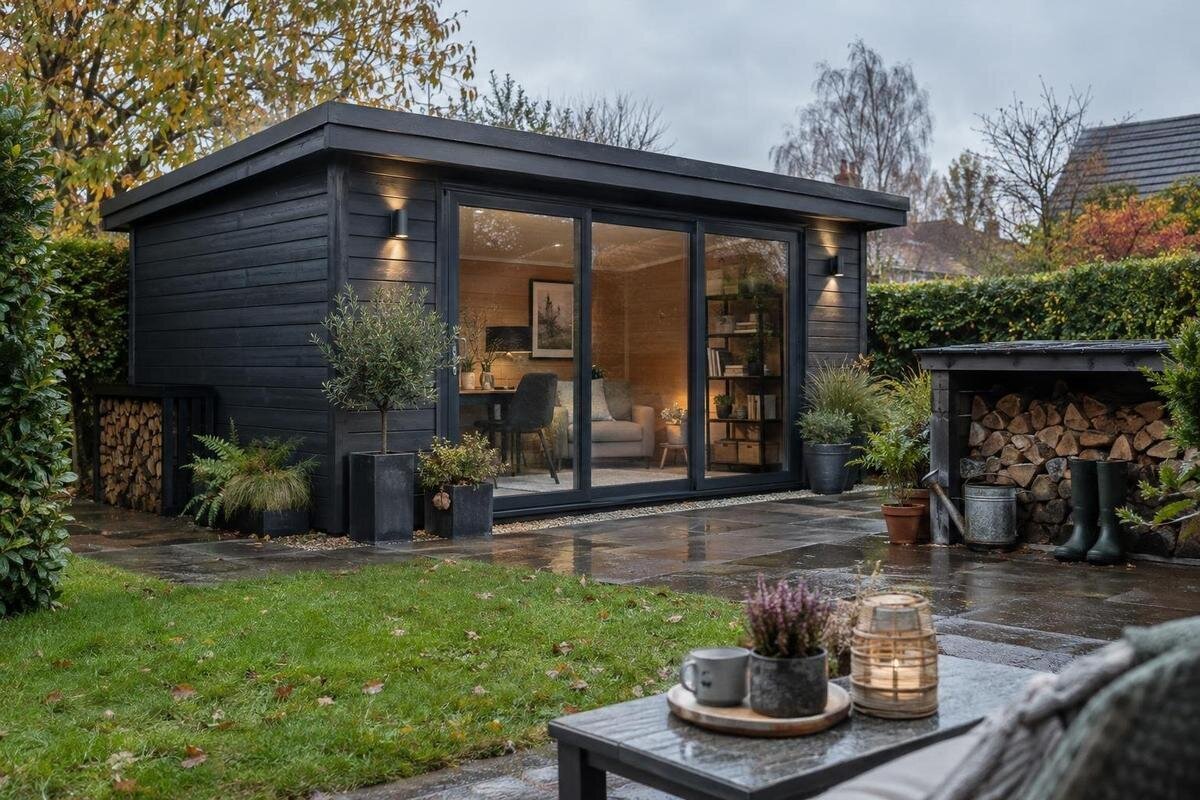
Garden shed care
Damp weather does not automatically mean mould will appear in a garden shed. Risk increases when water repeatedly enters or stays on surfaces and stored belongings, especially where air movement is limited. A useful response has three parts: trace the moisture source, shorten the time materials remain damp, and check for early changes after wet spells. The guidance below applies to an existing shed and highlights what to verify if you are choosing a replacement.

Choosing a garden shed 1
How mould develops in a garden shed
Mould risk depends less on a single damp day than on how long moisture stays in the shed. Rain can enter through a roof defect, a gap around a frame or splashes at the base; water can also come in on wet tools, pots and gloves. Condensation is another source: moisture in the air settles as droplets on cooler walls or the roof. Paper, cardboard, fabric, soil residue and plant debris can hold moisture, so a crowded corner may remain damp after the rest of the shed looks dry. Finding the source matters more than covering an odour or cleaning just the visible mark.
Look for new spots, droplets, damp packaging or a musty odour, and note exactly where they appear. A mark that shows up after rain may suggest water entry; droplets on several cool surfaces can point to condensation, but appearance alone cannot identify the cause. Record the date, weather and nearby stored items, then compare the same area at the next inspection. If you are choosing a new shed, use the Verdana 1 garden shed page to identify the model and look for stated materials, assembly, base and care details. Ask about missing information: a product name or photograph cannot establish suitability for a damp site.
Find water entry after rain
Inspect inside after rainfall, when a leak or damp path is easier to notice. Look at the underside of the roof where visible, roof-to-wall joints, upper corners, the frames around doors or windows, and the floor perimeter. Move belongings enough to see behind them, and distinguish fresh wetness from old discolouration. Follow a visible streak towards its highest point if you can do so safely; it may lead to a joint or opening. Note whether dampness appears on one side or after wind-driven rain, as that pattern may help narrow down where to look. Do not climb onto a shed roof; use a ground-level view or arrange a suitable inspection.
From outside, inspect visible roof edges, joints and frames from the ground, and notice whether rain is driven against one particular side. If the shed has gutters or downpipes, check from a safe position that they are not visibly blocked or spilling beside the building. A leak may be intermittent, so repeat the check after another wet spell before deciding that a small mark is harmless. Avoid smearing sealant over a suspected opening without understanding its purpose; a joint may need a repair suited to its construction. When comparing a replacement, use the Verdana 2 garden shed listing to identify the model, then ask what its stated roof and wall details mean for inspection and upkeep. Do not judge watertightness from a photograph.
Choosing a garden shed 2
Keep runoff and ground moisture away
Water held around the outside can keep the lower parts of a shed damp, even if the roof is sound. Walk around after rain and look for puddles, soil or leaves piled against the walls, and roof runoff falling beside the base. Keep the immediate perimeter clear enough to see the lower wall and allow it to dry; trim plants that touch the building and clear debris from any drainage channels you can safely reach. Do not assume that a damp floor proves moisture is coming from below: splash-back, a leak, wet items and condensation can produce similar signs. A photo of recurring pooling can help you compare the area after later rain.
The base and floor arrangement must follow the instructions for the particular shed; a generic gap or improvised support is not suitable for every design. If the ground stays waterlogged or the base appears uneven, ask a competent installer or builder to assess the site before altering it. Avoid piling soil against the walls or changing the base just to conceal damp patches. If you are considering a purchase, use the Durano garden shed page to identify the model, then confirm its written base requirements and any water-clearance guidance with the seller. Do not assume these details from an image. Resolving the siting question before delivery is easier than trying to manage moisture around an unsuitable base.
Use ventilation without letting rain in
Ventilation gives damp air a way to leave and allows replacement air to enter; simply having a door does not guarantee steady airflow. If the shed has vents or other openings, keep them clear of stored items, leaves and dust, and maintain them as the maker recommends. Air can be blocked behind stacked belongings or in a crowded corner as well as directly in front of a vent. Do not cut new openings, remove panels or alter fitted parts without checking the product instructions: an unplanned change can create a route for rain or affect the building. Make sure installed openings remain accessible rather than buried behind tools.
A brief airing may help when outdoor conditions are reasonably dry and rain is not blowing in. Opening the door during a wet spell can let more water inside, while very humid outdoor air may not help damp contents dry. Keep the focus on removing wet items, stopping water entry and leaving space for air to move. When considering a new shed, inspect the information for Veltor 1 garden shed and confirm which ventilation arrangements are actually stated, how they should be kept clear and whether alterations are permitted. Do not infer the presence of vents from a product image.

Choosing a garden shed 3
Reduce condensation and moisture from stored items
Condensation can happen even when rain is not entering. Moisture evaporates from wet gloves, garden tools, plant pots or a recently washed floor, then settles on a cooler surface. Dry items before storing them where practicable, empty water from trays and avoid leaving damp cloths or piles of wet leaves in a closed shed. If droplets appear on the roof or several walls, consider what has been put away and whether the shed had a chance to air when conditions were suitable. A simple humidity monitor can help you notice patterns after particular activities; use readings as a guide, not as a way to identify a leak.
Moisture-absorbing products may help in a small enclosed area, but they are a supporting measure, not a solution to rain entry or persistently wet contents. Follow the product label, check the absorber regularly and place it where it cannot spill onto stored goods. If it fills quickly or damp returns, look again for the continuing source rather than relying on repeated replacements. When comparing options such as the Orello 1 garden shed page, ask for the actual ventilation and care information relevant to your intended storage. The model name does not establish that a shed has a moisture-control feature.
Arrange stored items to leave room for airflow
Arrange belongings so damp air can reach more than the aisle. Leave a visible gap between boxes, tools and walls, and avoid pushing fabric, paper or cardboard into corners that you cannot inspect. Store only dry items: a lidded container can protect dry contents from drips, but sealing a wet item traps moisture inside. Keep soil, plant waste and dripping pots separate from clean stored goods. Where suitable storage supports are available, lift belongings off a floor that is prone to dampness. The aim is to make drying and inspection possible, rather than to pack every centimetre of space.
Think through the largest item you plan to store, how it will pass through the doorway and whether shelves or equipment will block an opening. Check stated internal and external dimensions, door access and floor details in writing rather than estimating from a photograph. The Modano 1 garden shed page identifies a model to assess, but the details you need are the ones provided for that model and confirmed before ordering. If adding shelves, use fixing methods approved for the construction, keep openings clear and plan a route for taking items out to dry without shifting every box.
Choosing a garden shed 4
Spot early signs and clean carefully
Make inspection part of the routine during damp spells, not only when the shed smells musty. Look behind larger objects, under shelves, along the floor edge and in roof corners; check cardboard packaging and fabric stored against an outside wall. Move belongings temporarily so previously hidden surfaces are visible, but do not dismantle panels just to inspect them. Note whether a mark is new, whether it appears after rain and whether it returns after airing. A musty smell is a reason to look more closely, but it does not by itself show where the moisture is coming from. Dated notes can help you avoid repeating the same guesswork.
If you find a small area of suspected surface growth, first check the shed maker's care guidance for that material. Use only a cleaning method suitable for the surface, follow the cleaner's label and never mix cleaning products; avoid brushing a dry patch into the air. Once cleaned, allow the area to dry fully before moving belongings back. A finish can be damaged by an unsuitable solvent or abrasive tool, so do not assume the strongest product is best. If you are comparing sheds, ask what care the particular construction requires; the wooden garden shed M listing identifies a product, but its name alone does not say how its surfaces should be cleaned.
What to do when mould is visible
Move nearby belongings out so you can inspect the affected surface and see whether anything else is damp. Deal with the moisture source as well as the mark: recurring roof drips, splash at the base, condensation and wet equipment need different responses. Clean only in line with the building and cleaning-product instructions, then let the area and any washable items dry before putting them back. Check stored goods according to their own care labels; paper and cardboard can be difficult to dry once thoroughly damp. Cleaning a patch and closing the shed while it is still wet can allow the problem to return.
Seek a qualified building or remediation professional if the affected area is extensive, keeps returning, is hidden behind a lining, or appears alongside soft or deteriorating material. A professional can help distinguish a surface issue from a problem needing repair; avoid covering it with paint or sealant before the source is understood. If recurring damp leads you to consider a replacement, use the wooden garden storage shed S page to identify the model and obtain its actual assembly, base and maintenance information before committing. A different product name is not evidence that moisture at the same site has been resolved.

Choosing a garden shed 5
A routine for damp weather
Before a wet spell, put away dry gear, empty trays and remove wet leaves or plant waste from the immediate area. From the ground, check for visible debris around drainage points and notice whether runoff is collecting beside the shed. Make sure ventilation openings are not blocked by stored items and that the door can close properly. Do not use a rainy forecast as a reason to leave the shed open; instead, keep wet equipment outside until it can dry, where practical. These small checks reduce the chance of bringing extra moisture indoors just as the surrounding area is getting wetter.
After rain, check the same interior corners and floor edges, then look at belongings stored against the walls. If conditions become reasonably dry, a short airing may help; close the shed again if rain is likely to blow in or security is a concern. Note any fresh wet patch and compare it with your earlier observations rather than cleaning over it straight away. If the same place gets damp repeatedly, arrange a closer assessment of the roof, openings, base or stored contents. A consistent check after wet weather is more useful than a single inspection on a dry day.
What to confirm before ordering a garden shed
Compare written product information rather than relying on a photograph or a general description. Confirm what is stated about the building materials, roof covering, floor, ventilation openings and surface care, and ask how the joints and openings should be inspected. Words such as weather-resistant are not a substitute for details relevant to your site and intended storage. Check whether maintenance is required and what guidance is available for it. If an important point is not listed, ask the seller to clarify it before deciding; do not assume that two sheds with a similar appearance have the same construction or upkeep needs.
Check site preparation and base requirements, the space needed around the shed for inspection, and whether the planned route allows the parts to reach the site. Confirm what is included in the order and who is responsible for assembly; do not infer flooring, vents or other components from an image. Make sure the proposed location can be checked after rain and is not routinely left surrounded by standing water. Keep written answers about dimensions, preparation and maintenance with your order details. If information that affects the site or storage is still unclear, resolve it before ordering rather than trying to adapt the shed after delivery.
Frequently asked questions
Will airing the shed prevent mould on its own?
Airing can help when outdoor conditions are suitable, but it will not fix a leak, water pooling around the base or damp items left inside. Keep ventilation openings clear and deal with the source of moisture as well.
Should I leave the door open during wet weather?
Not if rain could blow inside, and an open door is not a reliable answer to persistent damp. Air the shed briefly when conditions are reasonably dry and it is safe to do so; otherwise focus on leaks, wet contents and blocked ventilation.
Why is there condensation if I cannot find a leak?
Moisture from wet tools, pots or other stored items can settle on cooler surfaces. Look for droplets across several walls or the roof, and check what has been stored inside. Condensation is one possibility, but the pattern alone cannot confirm the cause.
Can I keep cardboard boxes in a garden shed?
Keep them dry and away from walls and any floor area that gets damp. Cardboard can hold moisture, so check it regularly during wet spells. A closed container can protect dry belongings, but sealing damp contents inside traps the moisture.
When should I ask a professional to inspect the shed?
Arrange an assessment if damp or mould keeps returning, covers a large area, appears behind a lining, or coincides with soft or deteriorating material. A professional can help identify a hidden source or a repair that needs more than a safe visual check.
Keeping mould away is less about a quick surface treatment than about reducing the time moisture remains and stopping it from returning. Check the shed after rain, keep wet items out, leave room for air to move and follow the care guidance for its materials. If the same area becomes damp again, trace the source rather than repeatedly cleaning the mark. Persistent, hidden or damaging dampness calls for a closer assessment before it spreads further.
