
Paint, Stain or Clear Finish for a Garden Shed?
Garden shed finishes
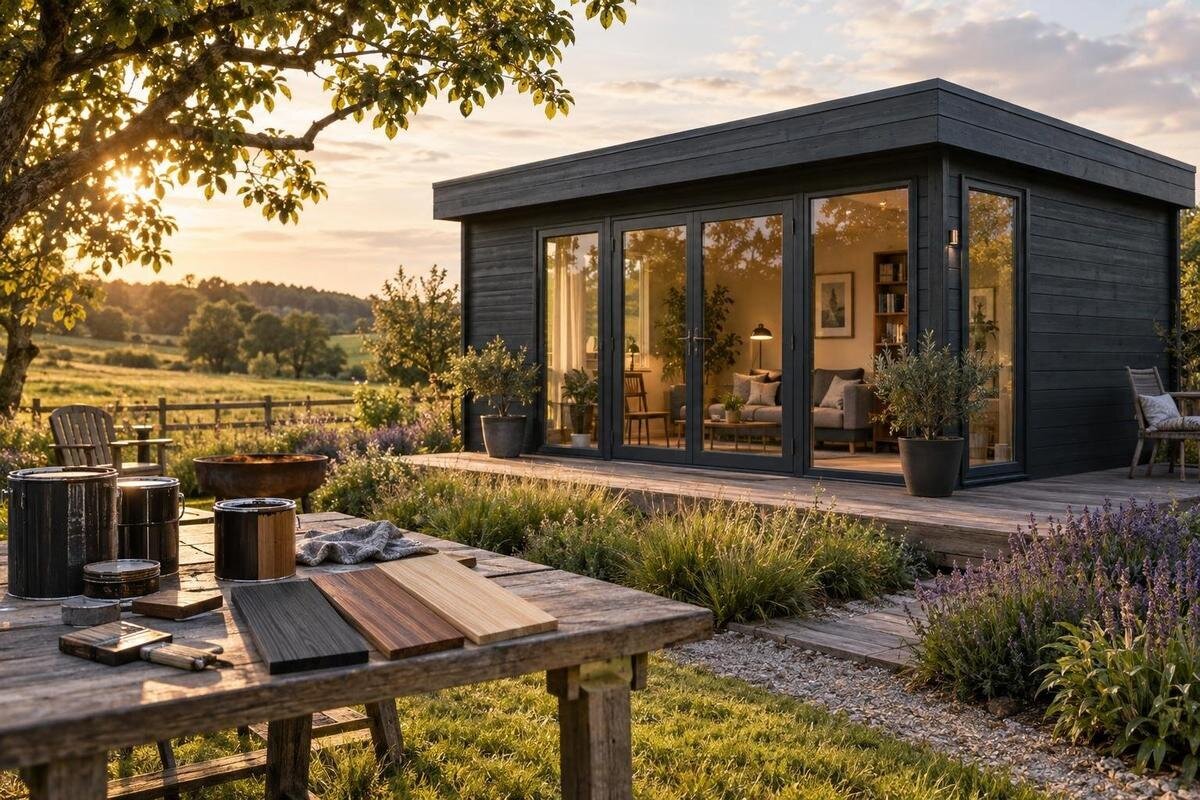
Choosing paint, stain or a clear finish for a garden shed is about more than colour. Each option changes how much of the timber remains visible, how uniform the surface looks and what future maintenance may involve. The product label and the shed’s supplied surface matter as much as the look in a photograph. This guide compares the three options and explains what to check for compatibility, exposure, sample colour and purchase quantities before you commit.
How paint, stain and clear finish change the look
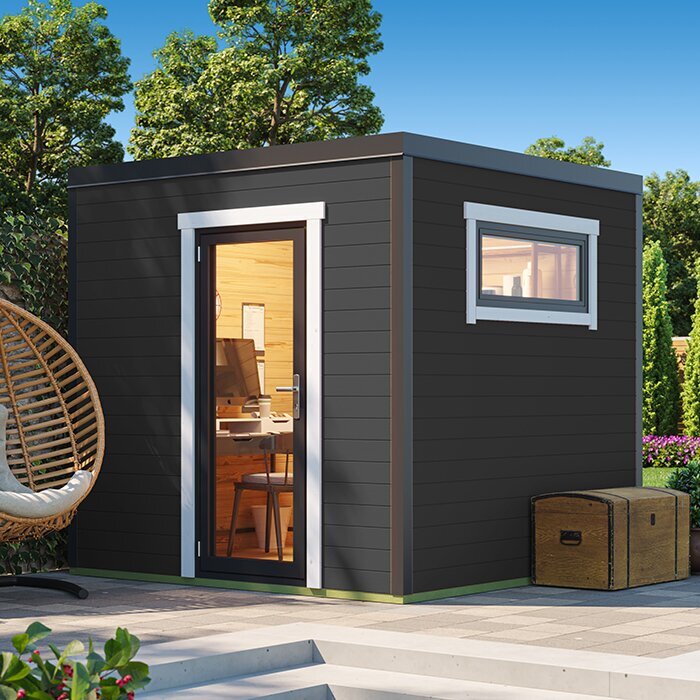
Paint, stain and clear finish differ first in opacity. Paint is usually chosen for an opaque, coloured surface, so the wood’s natural grain and colour variation become less prominent. Stains are available at different levels of opacity: some let much of the grain show, while more opaque versions add a stronger, more even colour. A clear finish adds little or no intentional pigment, but it may still change the surface’s sheen and tone. Read the product description rather than relying on the words “stain” or “clear” alone; those labels do not tell you exactly how the timber will look once treated.
Decide which appearance matters most before comparing products: a solid colour that relates to the garden, a tinted surface with visible texture, or a close-to-natural look. Appearance and protection are separate questions: pigment alone does not establish whether a product suits outdoor use, while a clear product may be designed for exterior timber. The label must state its intended application. If you are browsing the Verdana 1 garden shed, use its page to assess the model’s overall appearance, not as proof of which colour, treatment or finish is supplied. A product photograph can support a style comparison, but it cannot replace written details about the surface.
When paint suits the look you want
Paint suits buyers who want a defined, opaque colour and are less concerned with seeing the natural grain. A chosen shade can relate the shed to house trim, fencing or garden furniture, or create a deliberate contrast. That is a design choice, not a promise that paint will conceal every knot or unevenness. Check that the product is specified for exterior timber and find out whether it requires a compatible primer or undercoat. If the supplied surface is stained, sealed, primed or already painted, establish compatibility before buying rather than assuming that any new coat will adhere. The coating maker’s instructions should identify which products can be used together.
A colour chart is a starting point, not a reliable preview of a whole wall. A sample on the same type of timber lets you judge the actual opacity and tone; view it in the garden’s light and alongside nearby surfaces. Consider doors, trim and other visible panels too, as the shade may read differently over another material. If the Verdana 2 garden shed is on your shortlist, use its page to compare the model’s general appearance, then confirm in writing whether a finish is supplied and what paint system is suitable. Do not choose the colour from a photograph alone, especially if matching a house or fence is important.
What to know about stain opacity
Stain is not a single visual effect. Transparent and semi-transparent products allow more grain and colour variation to show; more opaque versions can produce a stronger, more even colour while retaining some texture, depending on the product. If preserving the wood’s character is your reason for choosing stain, check the exact opacity description and test an appropriate sample on matching timber. A tinted panel in a product photograph cannot show how the same stain will look on a different wood species, a darker surface or timber with an earlier treatment. Two products called stains can therefore give noticeably different results.
Check that the stain is labelled for exterior timber and is compatible with the supplied surface. A product intended for a bare, absorbent surface may not suit a sealed coating, and an existing colour can influence the final result. If you are considering the Durano garden shed, use its written product details to establish the exterior material and any supplied treatment before choosing a stain; neither is settled by the model name alone. Decide how much variation you will accept: a transparent product leaves the underlying colour more influential, while a more opaque one may give a more uniform appearance. Ask the seller if the surface or care guidance is unclear.
What a clear finish can and cannot do
A clear finish is a suitable choice if you want the timber itself to remain the main feature, but “clear” does not guarantee a colourless or unchanged result. Depending on its formulation, a clear coating can add sheen or make the surface look deeper in tone. It must also suit the intended use: do not assume that a finish for indoor furniture is appropriate for a garden shed outdoors. Look for an exterior-use statement and check which timber and existing surfaces the product maker accepts. Clear products can differ in both appearance and intended application.
More of the timber’s natural variation will remain visible than under an opaque paint, including knots and shifts in colour. That may be exactly the appearance you want, but it makes the base surface especially important: a clear coat cannot make different boards look identical. For the Veltor 1 garden shed, confirm the supplied material and any existing coating first, then decide whether a clear exterior finish is appropriate. If the seller’s care information recommends a particular treatment or says the surface arrives finished, take that into account before buying another product. A sample on matching timber is more dependable than a generic clear swatch.
Check the shed’s supplied surface before buying a coating
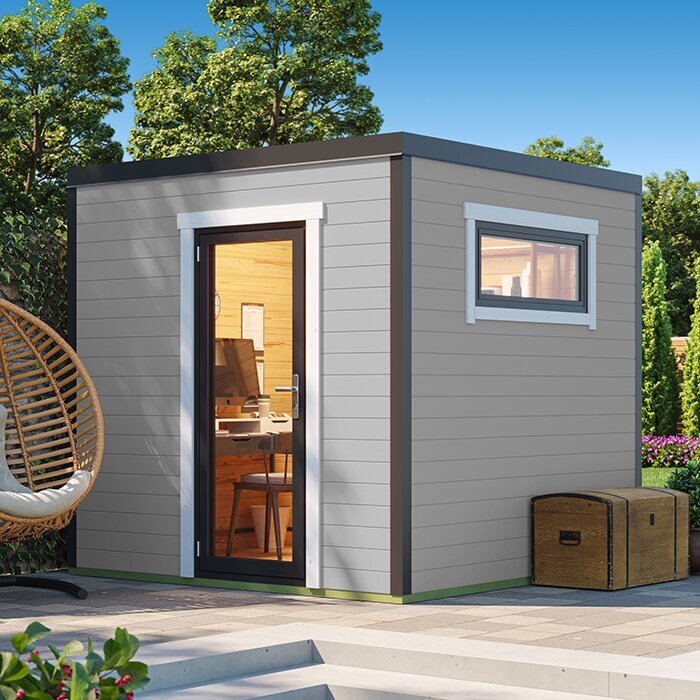
Finish selection starts with the actual exterior surface, not the model label. Establish whether the shed is bare timber, pre-treated, primed, painted or supplied with another coating, and whether all exterior components share that surface. A door, frame, trim or panel may differ from the main wall. Check the product specification and care guidance, and ask the seller when details are missing. These answers affect not only the look you can achieve but also which products are suitable; a finish that works for one component may not be appropriate for another. If the description only says “wooden”, request more detail rather than guessing.
Compatibility connects your preferred appearance to a product you can actually use. The coating maker may restrict a product to certain timber types, surfaces or earlier finishes; it may also call for a primer or coordinated system. Do not combine products just because both mention wood or exterior use. On the Orello 1 garden shed listing, look for details of the supplied surface and treatment before ordering paint, stain or clear finish; if they are not provided, ask the seller to confirm them. This avoids assuming that a garden-shed surface is bare and ready for any coating, and helps establish whether your preferred transparent or opaque look is achievable.
Match the finish to the shed’s location
Once you know which products are compatible with the surface, consider where the shed will stand. Direct sun, rain exposure, shelter from buildings or trees, nearby vegetation and sea air where relevant can vary within a garden. These conditions affect which product statements deserve attention. Choose a coating whose label covers exterior timber and read any limits or care notes; “exterior” is not a promise of identical results in every location. A more exposed wall may weather differently from a sheltered side, so consider the actual panels rather than treating the whole shed as one uniform surface.
Upkeep is part of that choice. Check what the manufacturer says about inspecting and renewing the coating, and whether its guidance fits the time you are willing to spend. Do not assume paint, stain or clear finish always lasts longer than the others; products and exposure vary. If the Modano 1 garden shed is among your options, request care guidance for its supplied surface and the location you have in mind. Compare those instructions with the appearance you want. A finish that needs attention on surfaces you cannot easily reach may not suit your routine, even if you like its initial look.
Test colour and sheen on a suitable sample
Colour is easier to choose on the wood than from a chart. A sample on an offcut of the same material, or on a test area approved by the coating maker, can reveal opacity, sheen and how the grain reads. Follow the product instructions for testing, particularly if the final surface is already treated or coated; a sample over a different base will not predict the finished result. View it in both light and shade where the shed will stand, then step back to a normal viewing distance. A small swatch can appear more intense when its colour covers a whole wall.
Compare the shade with nearby house walls, fencing, paving and planting, but do not choose solely to match a screen image. The Garden Shed M listing can help you consider the model’s general appearance, not the exact hue of a coating applied elsewhere. If you want a solid, even colour, test an opaque paint or stain first; if visible grain matters, try a more transparent stain or clear product. Sample the exact finish you intend to buy, as opacity and sheen differ between products. Keeping a note of the product and shade also makes it easier to compare alternatives accurately.
Read the product details before you order
Treat the coating label and technical information as part of the purchase, not small print to consult after delivery. Confirm that the product is intended for exterior timber and suits the shed’s surface and any existing treatment. Note whether it calls for a primer, how many coats are specified, application conditions, drying time and the maker’s recoat or maintenance guidance. These details help you compare products on a like-for-like basis; an attractive shade is not enough if its stated system does not fit the surface or your schedule. For a multi-part system, check that every required component is included in your order.
Work out the quantity from the area that actually needs finishing and the product’s stated coverage per coat, then allow for the specified number of coats and any primer. Do not use a model name, photograph or assumed shed size instead of actual measurements and label data. Check whether doors, trim and other surfaces need the same finish, and ask whether a factory-applied coating is included. For the Garden Storage Shed S listing, rely on its written dimensions and surface details, or ask the seller, rather than estimating from the name. The same approach applies whether you choose paint, stain or clear finish.

Plan for future care and possible changes
Think beyond the first coat and choose a finish whose upkeep you are willing to manage. Follow the manufacturer’s care instructions and check the surface at the intervals it recommends. Fading, flaking, cracking or a change in sheen can be reasons to investigate, but their significance depends on the product and the timber’s condition. Clear care guidance and access to compatible touch-up products can make future work easier to plan. If a highly uniform appearance matters to you, include regular visual checks in the decision rather than judging the finish only on day one. Exposure may also mean that one face needs attention before another.
Future changes are worth considering as well. If you may want to move from an opaque colour to a finish that shows the grain, ask what removal or other preparation the existing coating would require; a transparent layer cannot reveal grain hidden beneath paint. Check whether a future product can go over the finish you choose now. Keep the coating name, shade and care information with the shed’s records so any later repair is based on the original system. There is no fixed interval that suits every product and location, so use the maker’s guidance rather than assuming all coatings need renewal at the same time.
Questions to settle before placing an order
Put the products you are considering through the same practical questions. Is the finish intended for exterior timber? Does it suit the supplied surface and any earlier treatment? How much grain should remain visible? Have you checked the colour and sheen on a suitable sample? What primer, number of coats, drying conditions and future care does the maker specify? Resolve gaps in those answers before placing the order rather than treating a familiar product name as a specification. This comparison helps narrow the choice without assuming that the most appealing label is automatically the right one.
Then decide which compromise suits you. Paint prioritises an opaque colour; stain covers a range from more transparent to more solid effects; clear finish keeps the natural surface visible but may still alter its tone or sheen. Buy only a product compatible with the shed’s actual material and intended exposure. If none meets both the look and care requirements, reconsider the shade or opacity instead of forcing an unsuitable coating. A good choice fits the surface you have, the appearance you want and the instructions you are prepared to follow.
Frequently asked questions
Does a clear finish leave the timber exactly as it is?
Not necessarily. A clear product can affect the timber’s tone or sheen, even though it adds little or no intentional colour. Test the exact product on matching timber and check that it is intended for the shed’s exterior surface; “clear” does not guarantee an invisible finish.
Are all garden-shed stains transparent?
No. Stains are available at different levels of opacity, and some produce a stronger, more even colour than others. If visible grain matters to you, check the product description and test the chosen stain on the same type of timber.
Can paint go over a factory-applied treatment?
Only if the paint and existing treatment are compatible and the product instructions allow it. Find out exactly what surface the shed is supplied with, then follow the seller’s or coating maker’s guidance rather than assuming any paint will adhere.
How much finish should I buy?
Use the actual area you plan to coat and the product’s stated coverage per coat. Allow for the specified number of coats and any primer or other part of the recommended system. Do not estimate from a model name or photograph.
Is paint always more durable than stain or clear finish?
There is no reliable rule that one finish type always lasts longer. Products vary, and the shed’s surface and exposure matter. Compare the makers’ instructions for the specific products you are considering, including their intended use and care guidance.
There is no single finish that suits every garden shed. Choose paint if an opaque colour is your priority, compare stain opacity if you want a tinted surface with visible grain, or consider a suitable clear product when you want the timber to remain prominent. Then base the purchase on the shed’s actual surface, the product’s stated use and the care you are prepared to manage. That way, the finish is chosen for both the look you want and the coating the shed can take.
