
Planning a Hot Tub for a Holiday Rental in Malta
Holiday-rental planning
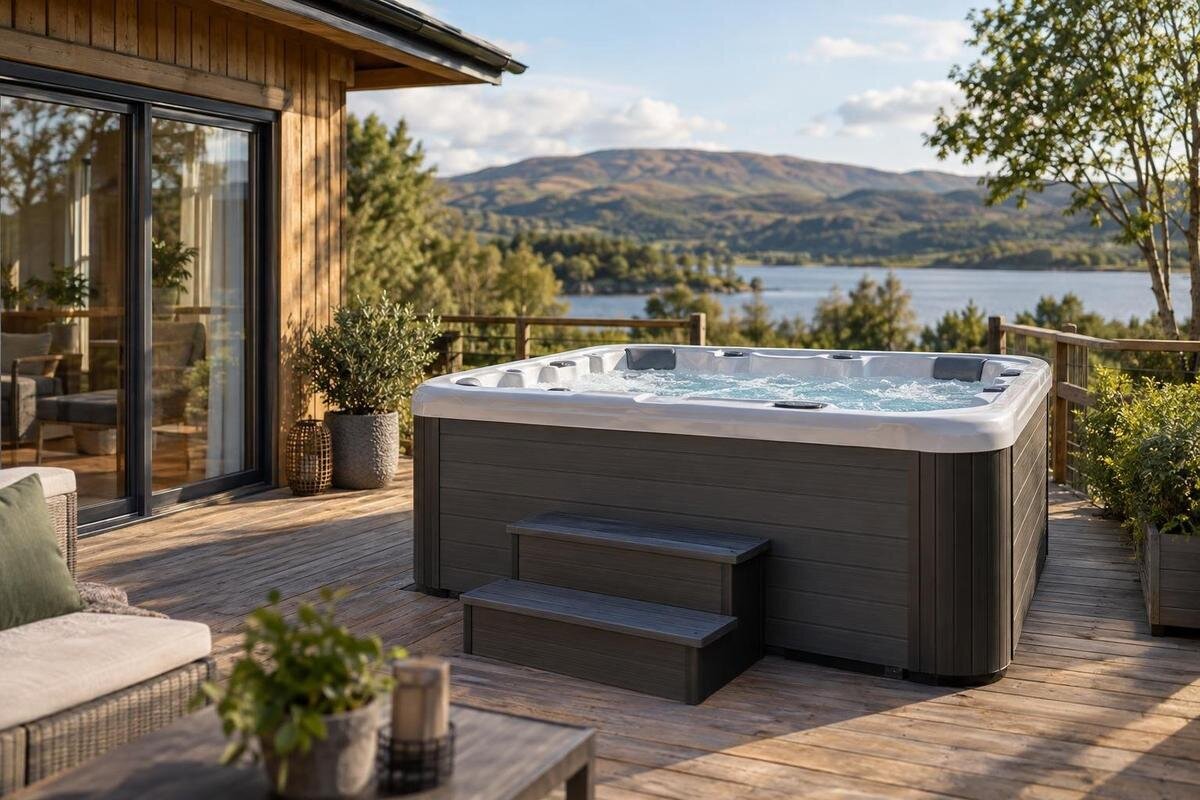
Adding a hot tub to a Malta holiday rental is an operating decision as much as an amenity choice. A private owner can prepare for a planned visit or postpone it; a rental owner has to fit checks, water care, cleaning and servicing around arrivals and departures, often with somebody else managing the property. Guests will expect an amenity advertised for their stay to be available, but that does not guarantee more bookings or income. The useful question is whether your site, booking pattern and management arrangements can support it consistently without making every changeover a race.
Is a hot tub practical for your holiday rental?
An owner using a hot tub privately can choose when to prepare it, postpone a visit or handle a care task. A holiday rental has a different rhythm: cleaning, water checks and servicing must fit around arrivals and departures, sometimes with someone else managing the property. If the amenity is advertised for a stay, guests will reasonably expect it to be available. Treat the purchase as an operating commitment, not simply an outdoor furnishing, and consider who will keep it ready throughout the periods when guests can book.
A useful first test is whether you can name the person responsible for the routine work and the person who can step in when they are away. Consider what happens if a changeover runs late, a check raises a concern or a service visit is needed. If the only plan is that the owner will deal with everything whenever time allows, the arrangement may be fragile. A rental can still be a good fit, but the decision should reflect the work you can consistently organise, not just the experience you hope to offer.
Match guest use to your booking pattern
Look at your actual booking calendar before assuming the tub will fit between stays. Note typical arrival and departure times, stay lengths, gaps between reservations and the days when a manager or cleaner is available. A property with frequent back-to-back bookings may need a different care arrangement from one with longer stays and more time between arrivals. Consider seasonal variation too, without assuming that all guests will use the amenity or that interest will translate into extra bookings. Test the arrangement against your busiest changeover days, not just an average week. Where several properties share the same staff, include their other commitments: a gap in this property's calendar does not necessarily mean someone is available to attend to the tub.
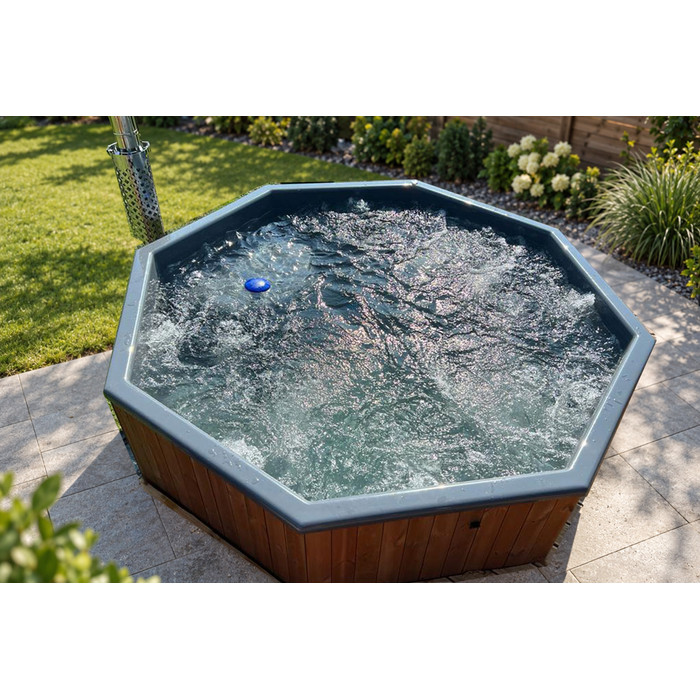
Think about who books the property and how you intend to describe the amenity. The number of guests your accommodation can host is not the same as a hot tub's permitted user count; confirm the latter from current supplier documentation. If you are considering Bloomcabin Hot Tub Cove 2, compare that confirmed limit with the groups you normally welcome rather than interpreting the model number as a capacity. Decide whether access will be exclusive to one booking or shared with other guests, and make that distinction clear in the listing. If not everyone in a booking can use the tub together, explain the limit before guests reserve. The advertised offer should describe what you can reliably provide, rather than leaving visitors to discover restrictions on arrival.
Build changeover time into the booking schedule
Map the work that must happen after one group leaves and before the next arrives. Depending on the selected model and its instructions, this may involve a visual inspection, cleaning, water-care checks, recording results and arranging any action needed before use. Ask the supplier or a qualified service provider what the model requires; do not set a timetable from a guess or from another property’s routine. Give the person doing the work enough time to follow the agreed process rather than squeezing it into the end of a room-cleaning visit.
Plan for the less convenient cases as well as the usual changeover: a late departure, a missed service visit, an issue reported by a guest or a booking that leaves little time before arrival. Decide in advance who can access the site, how a readiness check is recorded and when the tub must remain unavailable. When assessing Bloomcabin hot tub Haven 6, establish the necessary tasks from its written care requirements, then allow for the time your team needs to complete them at this property. Include the handover between the person carrying out the work and whoever welcomes guests. The booking buffer should end with an explicit confirmation that the tub is ready, not an assumption that it must be ready because the cleaner has left.
Assign water care and checks between stays
Water care needs a named person responsible for it, even when a property manager, cleaner or outside service provider carries out some tasks. Agree who follows the manufacturer's written instructions, who performs the required checks, who records them and who decides what action to take when something falls outside the stated requirements. Establish this arrangement before guests arrive, and make sure the responsible person can reach the equipment and the relevant guidance. Do not rely on a general cleaning checklist to cover work that has not been specifically assigned.
Keep a simple record of checks, actions, service visits and any periods when use was stopped. A record helps the next person understand what has been done and gives the owner a way to spot missed tasks. For Bloomcabin Hot Tub Fjord 8, as for any shortlisted model, base the record on the care instructions rather than copying a checklist from an unrelated tub. Make it clear where staff record an unresolved concern and who must acknowledge it. A note that a problem exists is not the same as confirmation that it has been dealt with. Set the process for both occupied periods and gaps between stays, with a clear handover whenever responsibility passes to someone else.
Plan for downtime and keep availability accurate
Even with a reliable routine, allow for times when the tub cannot be offered. Decide who can pause use if a check, fault or maintenance issue requires it, and who updates the property information before the next guest arrives. Check the booking platform’s terms and your own booking arrangements for how to handle a listed amenity that becomes unavailable; do not assume a particular remedy applies in every case. Clear, prompt communication is better than leaving an inaccurate description in place.
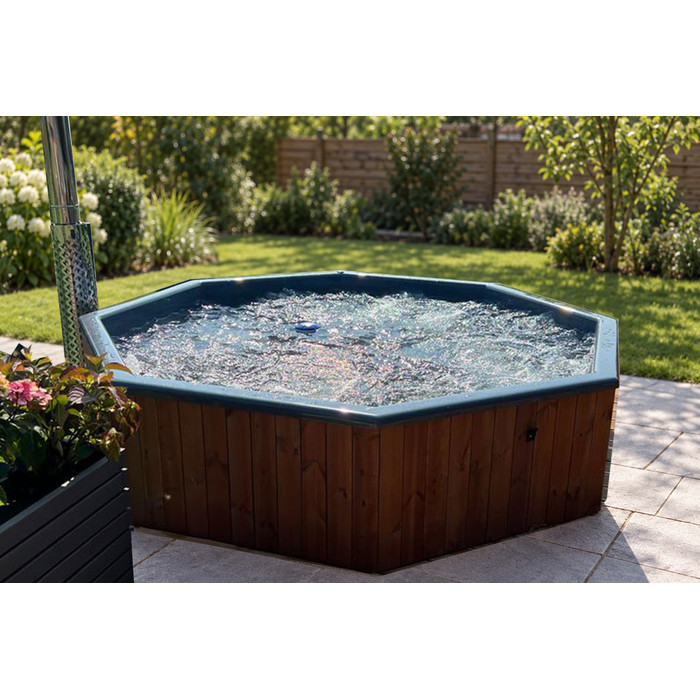
Ask the supplier what support is available to your property, what service work is included or excluded, where support is provided and how staff should report a problem. When enquiring about Bloomcabin hot tub Aurora 10, discuss your rental operation explicitly, including who will be on site to meet a technician if you manage the property remotely. Confirm opening hours, response arrangements and any relevant conditions in writing rather than assuming that local, rapid or out-of-hours assistance is available. Distinguish an initial reply from a service visit or a completed repair when discussing support. Your guest communication plan needs to work even when a resolution date is not yet known, so assign someone to keep affected guests informed without promising a reopening time that has not been confirmed.
Consider privacy and neighbours
Check what guests can see from the proposed location and what neighbours or other guests may see from their windows, balconies or shared outdoor areas. Consider whether people using the tub would be overlooked, whether access crosses another guest’s space and whether the amenity is visible in listing photographs. Screening or a change of position may help in some settings, but it should not block access needed for care or servicing. Think through the actual views and routes at your property rather than assuming one layout will work everywhere.
Noise is also part of the guest experience around a rental. Consider how conversations and ordinary use might carry towards neighbouring homes or bedrooms, and set any quiet-hour or behaviour rules consistently with the property’s arrangements and applicable requirements. If other accommodation units share the site, make clear which areas are private and which are shared. A hot tub can affect people who do not use it, so include neighbour relations and guest privacy in the go/no-go decision, not just the space occupied by the tub itself.
Check delivery and servicing access
The spot where a tub will sit is only one part of the site check. Ask the supplier what dimensions and access conditions are required for delivery, then measure the full route, including gates, turns, steps, doorways and any narrow passages. Check where equipment can be brought in and whether there is a practical place for delivery staff to work. Product photographs and model names are not a substitute for confirmed dimensions or a site-specific delivery assessment. Have unresolved access questions answered before committing to a location or order.
Plan for access after installation as well: the supplier's stated requirements for inspection and servicing, and the route a technician would need to reach the equipment. Avoid choosing a position that makes routine care or repairs impractical. When discussing delivery and servicing requirements for Cove 2, include any gates or shared areas that staff would need permission to use. Consider whether a service visit could take place while guests occupy the property and how you would arrange access without crossing their private space unexpectedly. If the proposed site is on a roof, do not assume it can support a hot tub; obtain a site-specific assessment from a qualified structural professional before treating the location as feasible. Settle these access questions while alternative positions are still available.
Give guests clear instructions and house rules
Provide concise instructions before arrival and keep an accessible copy at the property. Explain how guests should use only the controls and functions described in the manufacturer’s guidance, how to report a concern and whom to contact if something does not seem right. State the verified maximum user count and any access rules, rather than leaving guests to guess. The instructions should be easy to follow for someone who has never used the tub and should not ask guests to carry out water-care or servicing work assigned to staff.
Set house rules that suit the property, the supplier's guidance and your insurer's terms. They might cover who may use the tub, supervision arrangements, considerate noise and any items or behaviour you do not allow; verify the details rather than presenting assumptions as product instructions. If you choose the model shown in the Haven 6 product listing, use its confirmed instructions when preparing the welcome information. Share important rules before booking and repeat them at the property in clear language. Keep the booking description, arrival message and on-site instructions consistent, so guests are not given different limits in different places. Explain how to report a problem outside normal contact hours, while keeping responsibility for diagnosing faults and deciding whether use can resume with the appointed manager or service provider.
Compare models using verified rental requirements
Compare shortlisted models against a written list of requirements for your site and management plan. Ask for current specifications that matter to the operation: external dimensions, stated maximum user count, installation requirements, care instructions, energy-use information if available, and the access needed for servicing. Confirm what the supplier says about setup, ongoing support and use in a rental setting. Do not infer capacity, size, heating performance, materials or any other feature from a model number, photograph or product name.
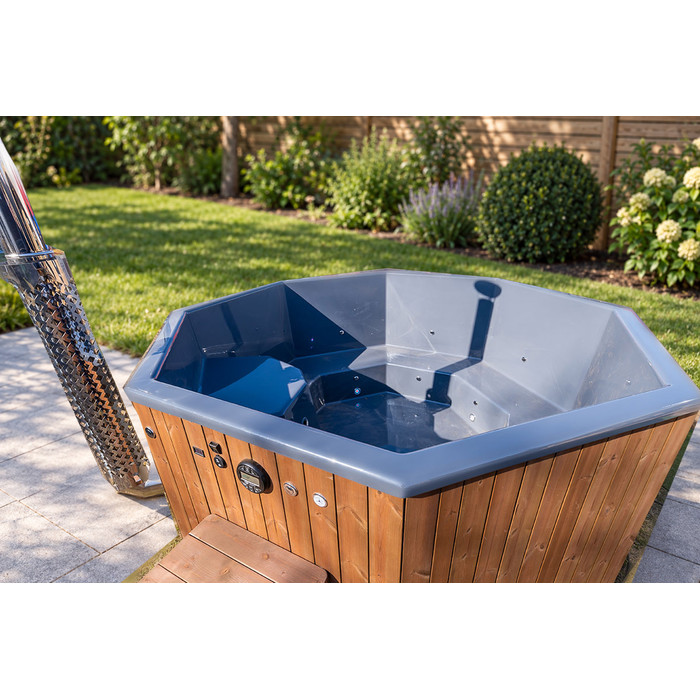
The product information supplied for this guide identifies the four models but does not provide current specifications with which to rank them. Treat the Fjord 8 listing as a candidate to investigate, not as a recommendation for a particular guest group or property. Use the same questions for every option and record the supplier's answers in one comparison sheet. Separate essential requirements from preferences: access that works at your property and a manageable care routine should be settled before you weigh less important details. Mark unanswered questions clearly rather than treating a blank as confirmation that a model meets your needs. This makes the comparison useful even if you eventually decide that none of the shortlisted tubs fits the way your rental is managed.
Budget for upkeep and check local requirements
Build a budget that separates the purchase from the cost of keeping the amenity available. Ask for itemised figures for delivery and any site work, then identify the expected costs of water, energy, care products where applicable, cleaning time, servicing and any insurance change. Some items depend on the chosen model or property, so verify whether they apply rather than treating them as standard. Separate costs incurred per changeover from those that continue during unoccupied periods, and include time spent coordinating staff and service visits even if you do that work yourself. Compare a few plausible booking and changeover patterns, including quieter periods and downtime, without assuming that the tub will increase occupancy or revenue. No current Malta prices are supplied here.
Before ordering, ask the relevant Maltese authorities or a qualified local professional whether the proposed site and rental use involve planning, tourist-accommodation, safety, water-care, electrical or fire requirements. These checks depend on the property and the proposed installation; this guide does not state what applies to any particular rental. Ask your insurer in writing about guest use, and review supplier terms separately from legal obligations. If the Aurora 10 product page is on your shortlist, use the supplier's confirmed installation scope to identify which items belong in its quotation and which you must arrange separately. Keep unresolved costs visible rather than recording them as zero. The final decision should account for the work and expense you retain as owner, not just the amount payable for the tub.
Frequently asked questions
Will a hot tub guarantee more bookings or income?
No. Guest interest may make it an amenity worth considering, but it cannot guarantee bookings, higher occupancy or additional income. Compare the cost and work of keeping it ready with your own booking history and budget, without relying on an assumed increase in demand.
How much time should I leave between bookings?
There is no universal interval that suits every tub, service arrangement or property. Set the gap using the selected model’s written care instructions, the time your checks and cleaning actually take, and the availability of whoever is responsible. Do not accept a new arrival time you cannot reliably meet.
Can my cleaner look after the hot tub?
A cleaner may be able to handle agreed tasks if they have the right instructions, time and training. Do not assume ordinary room cleaning includes water checks or servicing. Name a responsible person, provide a backup, and arrange qualified support for tasks outside their role.
Can I work out capacity from a model name?
No. A number in a product name does not establish the permitted user count, water capacity or footprint. Ask the supplier for current written specifications, including the manufacturer’s stated user limit, and compare them with your guest arrangements and site.
What should I verify for a Malta rental before ordering?
Check the proposed site and rental use with the relevant Maltese authorities or a qualified local professional, and ask your insurer about guest use. Separately confirm the supplier’s installation scope, care instructions and after-sales support. Treat these as distinct from one another: legal requirements, insurance terms and supplier conditions are not interchangeable.
A hot tub is practical for a holiday rental only when the guest offer is matched by a dependable plan for care, access, instructions and downtime. If the property has no workable changeover buffer or no one can take responsibility between stays, the extra amenity may create more pressure than value. If those operating details can be managed, a comparison based on confirmed specifications, supplier support and realistic costs gives you a sounder basis for deciding whether it belongs at your rental.
