
Placing a Garden Shed Near Trees: Roots, Branches and Debris
Garden shed planning
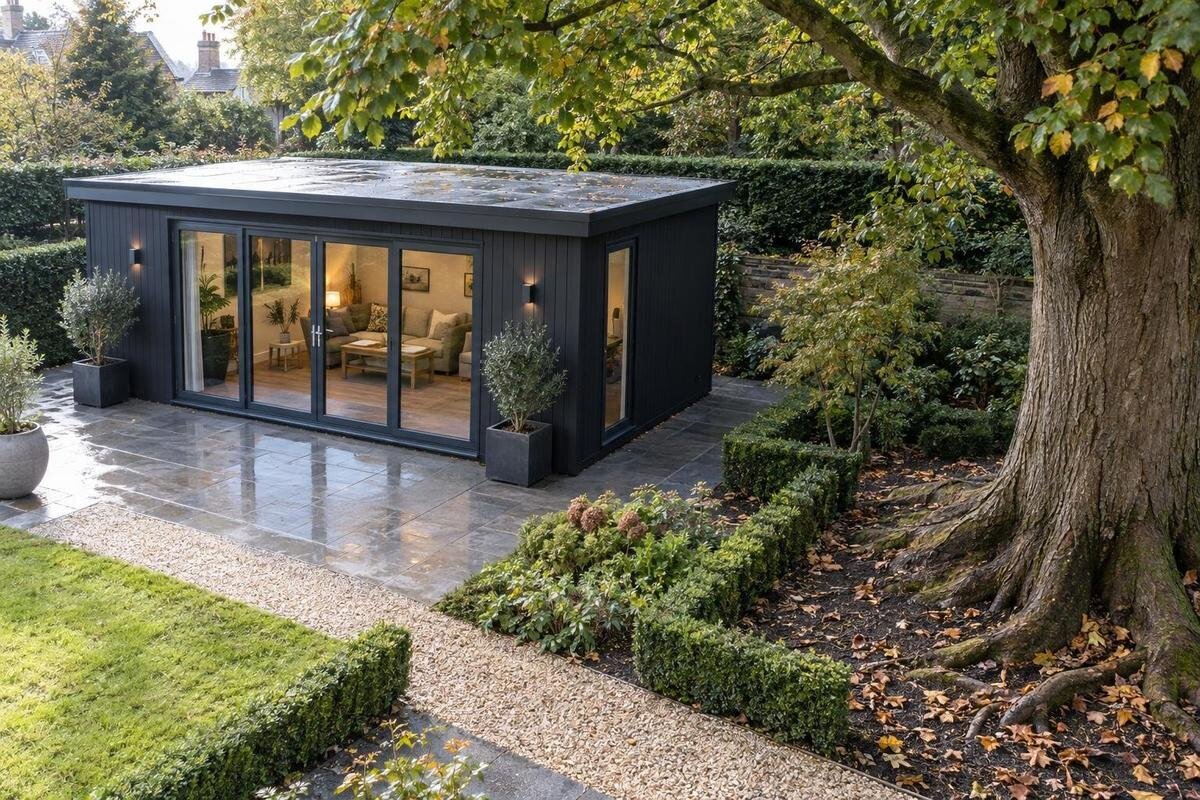
Trees can make a garden shed site look sheltered and established, but their roots, overhanging branches and falling material affect more than the view. A clear patch beneath a canopy may still be difficult to prepare, while a roof that fits between trunks may be awkward to clean later. Judge the location against the tree’s likely mature shape and the complete outline of the shed, not just the wall footprint. Before placing an order, assess the ground, look for branch contact and debris patterns, and decide how routine cleaning will work. Where the plan involves roots or pruning, get professional advice before choosing a model.
Assess the whole tree and the shed outline
Begin with the trees closest to the proposed shed site, not only the trunk beside the wall. Note the crown’s edge, low and major limbs, visible surface roots, and where leaves, fruit or other material collect. The canopy shows where branches are now, but it is not a map of the roots. Root spread and depth vary with species, age, soil and past changes to the ground; distribution may also be uneven around one tree. Look from several points, because a crown can seem clear from one angle while a branch sits over the intended roof line from another. A patch that looks open from above still needs assessment before ground is disturbed.
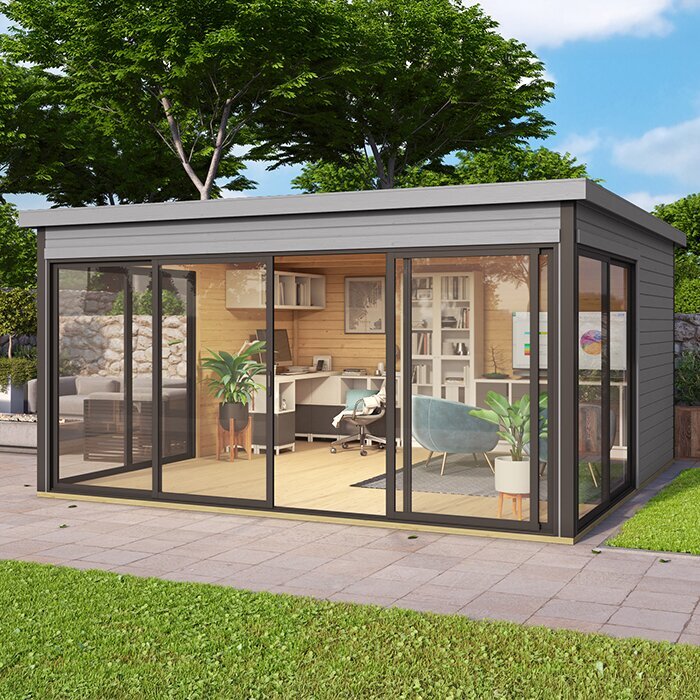
Compare the location with the shed’s complete outside envelope: walls, roof edge or eaves, and any projections shown on the plan. The base footprint alone can make a model appear to fit even when a roof edge sits close to a branch. Mark a tentative outline on the ground with removable markers, including the door side and the space above it. For a shortlist entry such as the Verdana 1 garden shed listing, ask for confirmed external dimensions and a drawing. Use those details to test the position, rather than estimating from a product photograph or name; include roof height and overhang if they are stated separately.
Roots can affect both the tree and the shed base
Tree roots are mostly hidden, so a visual inspection can only flag questions. Some roots show at the surface while others remain underground; visible roots or lifted paving near the proposed base are reasons to investigate, not a complete map of their extent. Roots do not reliably stop at the canopy edge, and there is no single distance from a trunk that makes every site clear. Species, maturity, soil and previous ground work all affect what may be present. If you know the tree’s name or whether the ground has been altered, record that information for the professional; do not treat a neat surface or empty bed as proof that excavation will be root-free.
Ground preparation can be the point where a shed plan conflicts with a tree. Excavation, levelling or compaction may affect roots; roots can also interfere with work needed for the chosen base. Do not cut a substantial root or change ground levels just to make an outline fit. Ask a qualified arborist to assess the tree and the shed installer to explain what the intended installation requires at that exact spot. Give both the same site plan and photographs, so each is responding to the same conditions. If their requirements do not match, consider moving the shed. For the Verdana 2 listing, confirm installation needs with the supplier instead of assuming a particular base will suit.
Allow for branch growth above the roof
Walk around the canopy from several viewpoints and compare it with the shed’s planned roof height, not only its ground footprint. Low branches may extend over the roof even when the trunk is some distance away, and branch tips can move in wind. Allow for likely growth instead of treating today’s crown edge as permanent. This is especially relevant for a young tree or one whose species is unknown: ask an arborist or knowledgeable tree professional about its mature form rather than guessing how much room it will need. Check the line above the roof as well as the side walls, because the outer roof edge can be closer to a branch than the base suggests.
Branch clearance and debris are separate considerations. A deciduous tree may drop much of its foliage in a particular season, while an evergreen can shed throughout the year; cones, seed pods, flowers or fruit may create other clean-up periods. Consider both the likely future reach of the branches and the material that falls. When assessing the Durano model page, request the confirmed height and roof dimensions for that exact model and compare them with the tree’s mature crown. A photograph cannot show how the roof will sit beside a real branch, and the word used in a product name is not a substitute for its dimension drawing.
Treat heavy or damaged limbs as a separate risk
Separate ordinary twig fall from a concern about a heavy limb. Note whether a major branch hangs over the proposed roof or door, and whether you can see an obvious problem from the ground, but do not try to diagnose tree health by appearance alone. A branch that rubs against a roof or hides its edge can complicate inspection even if it is not large. If something looks damaged or seems unusually close, take a ground-level note or photograph for a qualified arborist. Think about the area a limb could fall across, including the entrance route, rather than checking only whether the walls fit beneath it.
If the plan depends on cutting or shortening a branch, get qualified advice before you buy. Pruning is not a substitute for checking roots and the base, and it may not be suitable for every tree. Do not climb the tree or shed to inspect it. An arborist can advise whether any work is appropriate; the installer can then review the position against the confirmed product plan. If the advice changes the crown or rules out pruning, revisit the shed outline rather than assuming the original layout still works. Make that decision before ordering the Veltor 1 listing, not after the building is already planned for that spot.
Record where leaves and other debris fall
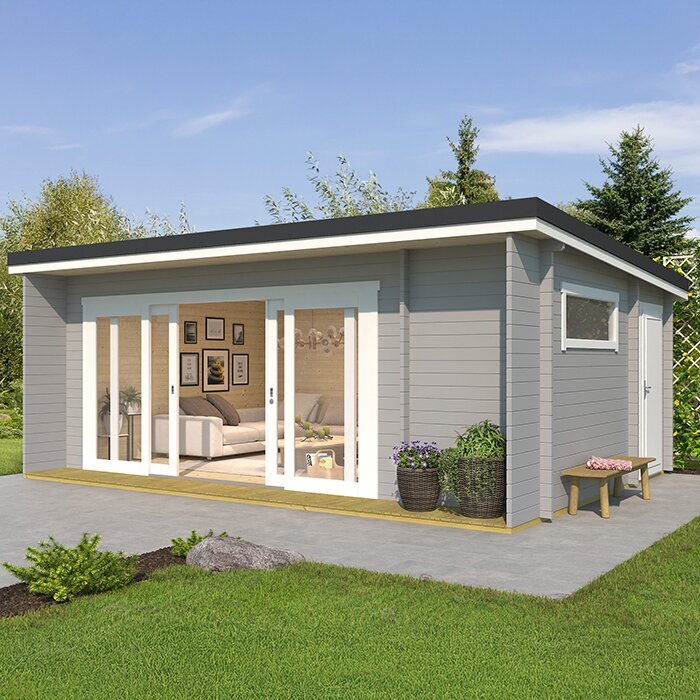
Record what the tree drops and where it lands: leaves, needles, small branches, flowers, seed pods, cones, fruit or sticky residue, depending on the species. The pattern can differ on each side of the crown. Material may settle on the roof, collect against a wall, gather around the base or land across the entrance route. Ask someone who knows the garden what happens at the tree’s busiest shedding time if your visit falls in a quiet season. The question is not just how much debris falls, but how often it has to be moved from the parts of the shed you need to inspect or use.
A thick layer of wet organic material can hide roof edges or leave debris against surfaces; leaves may also block gutters or drains if those are present. Consider how safely each likely collection point could be checked and cleared, and whether the canopy would make routine access awkward. Do not assume that a particular product includes gutters or any roof detail: check what is included or intended for the exact model. Before ordering the Orello 1 listing, request its confirmed roof outline and relevant drainage information, then compare those details with the tree’s drop zone. If clearing would be difficult, consider a different position before relying on frequent clean-ups.
Plan a realistic cleaning routine
Plan the cleaning task before choosing the final location. Decide how you would remove leaves from the roof edge, sweep debris from the entrance and inspect the base without reaching through branches or working in a cramped spot. Do not assume a ladder can be placed safely beside visible roots or on uneven ground. If roof or gutter work needs access at height, arrange competent help rather than making the tree a route for climbing. Think about where collected material will go, too, so a pile of leaves is not left against the shed or pushed into the doorway.
Consider frequency as well as effort. A tree that sheds repeatedly can make the area around a shed a regular maintenance task; an occasional clean-up may be easier to manage. Compare the dimensions and layout for the Modano 1 model page with the space needed to inspect and clean the surfaces likely to collect debris. Also consider whether you can carry a rake, bucket or other usual cleaning equipment along the approach without brushing against low branches. Then follow the care guidance for the material and finish specified for the model you choose. Product photographs cannot show the routine you will face beside your own tree.
Keep the entrance clear of falling material
Check the full approach to the door, not just the building footprint. Falling leaves, fruit and twigs can make the path untidy or obstructed, and a low branch can complicate carrying garden tools through the entrance. Consider where debris lands after wind or rain and whether it tends to gather directly outside the opening. A shed may sit beneath a canopy without constant problems, but a route that needs clearing before every use can become frustrating. Note whether branches or falling material affect the route at particular times of year, not only on the day you inspect it.
Door position and movement differ between models, so check the product drawing and assembly information before choosing a site. Verify which side the entrance is on, how it opens and whether branches or leaf piles would affect the approach; do not infer these details from a styled image. Ask the delivery or installation provider whether the route remains usable while materials are carried to the proposed position. Use that check when considering the Garden Shed M listing, with the confirmed layout in hand rather than relying on the listing name. A branch that clears the roof may still obstruct the door or the way you use it.
Check the ground after leaf fall and wet weather
Inspect the ground during a period when the tree has dropped material and again after wet weather. Leaves can hide visible roots, uneven patches or places where water collects, making the site appear simpler than it is. Clear only loose debris for a visual check; do not dig around roots to find where they go. Note whether a safe route remains open for installation and later cleaning, and whether litter tends to gather where drainage should remain clear. Observations from both a dry spell and a wet one help explain the site to an installer, but do not reveal everything underground.
Share these observations with whoever will prepare or install the shed. Ask them to review the proposed base and explain what should remain undisturbed; do not try to resolve a suspected root or drainage conflict by adding fill, cutting roots or digging a channel yourself. The appropriate response depends on the tree and the installation, so a site-specific assessment is more reliable than a generic base suggestion. Before ordering the Garden Shed S listing, ask the supplier for that model’s current installation requirements and include the tree-related questions in the discussion. If the site cannot be prepared without an uncertain intervention, reconsider its position.
Record site conditions before choosing a model
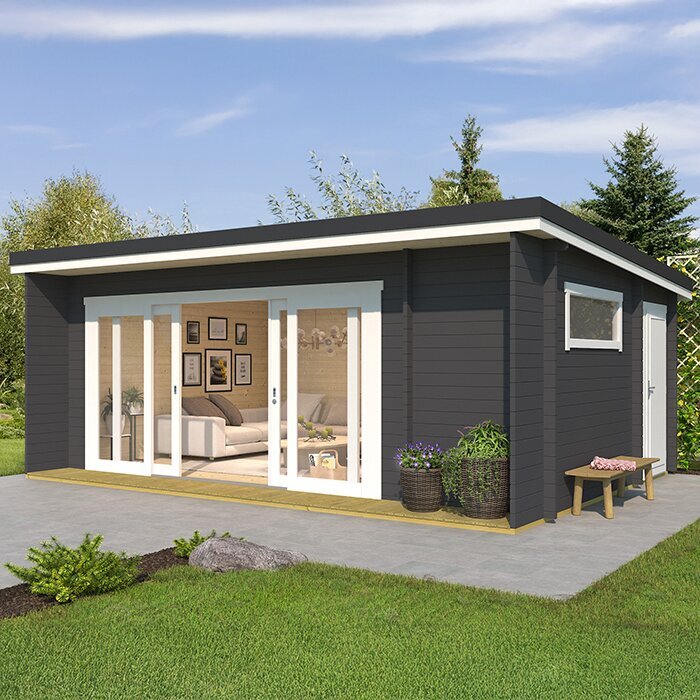
Put the information in one simple site record: photographs from the proposed entrance and roof sides, the marked shed outline, visible roots, nearby branch positions and the places where debris collects. Record the season and recent weather as well, since that helps explain why the ground or roof looks as it does. If known, note the tree species and any previous pruning or ground work; do not guess when you are unsure. Add the confirmed dimensions of each shortlisted shed, including roof projections, and mark details that still need confirmation. A single plan makes it easier to compare options on the same basis.
Where possible, revisit the site in different parts of the year. A quiet season may hide a heavy leaf or fruit drop, while a dry day may conceal places where water gathers. If a full seasonal check is not practical, ask a gardener, previous owner or arborist about the tree’s usual pattern and mark any uncertainty in your notes. The aim is not to forecast every falling twig; it is to see which assumptions remain unverified before committing to a shed and its location. Keep notes specific enough that the supplier or installer can respond to the actual site, rather than to a general description.
When to move the shed or seek professional advice
Move the proposed site or reconsider the chosen dimensions if the base conflicts with visible roots, a branch would touch the roof, or debris makes safe maintenance impractical. There is no universal gap that resolves every case: the tree’s size and condition, underground roots, shed outline and installation method all matter. For a difficult site, ask an arborist and the shed installer to review the same marked plan. The tree professional can assess the tree; the installer can explain the product and ground-preparation needs. If you choose another patch, check nearby trees there as well rather than assuming a move automatically removes the same concerns.
Place the order only after the intended model, confirmed dimensions, entrance, cleaning access and site preparation have been considered together. If a relevant product or installation detail is unclear, ask the supplier before arranging delivery or assembly. If an assessment says a root should not be disturbed or a branch should not be pruned, revise the location rather than proceeding on an untested assumption. A well-chosen garden shed is one that can be kept clear and inspected without making routine care impractical or putting the tree at unnecessary risk. Keep a note of what the installer and supplier have confirmed so the plan stays clear when arrangements are made.
Frequently asked questions
How close can a garden shed be to a tree?
There is no single distance that works for every tree or shed. Root spread, the mature canopy, branch condition, roof overhang, ground preparation and the model’s dimensions all matter. Compare a confirmed shed plan with the actual tree, and ask an arborist and installer to review it if roots or branches could conflict.
Can I build a garden shed over tree roots?
Do not assume it is safe because roots are underground or the base seems shallow. Roots may be affected by excavation, levelling or other preparation, and the right approach depends on the tree and installation. Have a qualified arborist and shed installer assess the exact position before work, and do not cut or cover roots without their advice.
Do roots stop at the edge of a tree canopy?
No. The canopy edge is not a dependable guide to the extent of underground roots. Their spread varies with the tree, soil and site history, and roots may not be visible at the surface. Treat visible roots as clues, not a boundary; their absence does not establish that the ground is clear for excavation.
What tree debris should I consider when choosing a site?
Look for leaves, needles, twigs, flowers, seed pods, cones, fruit and any sticky material the tree produces. Note where it lands—on the roof, near gutters or drains if fitted, at the door or around the base—and when. The timing and clean-up pattern matter as much as the amount.
Should I prune a branch to make room?
Do not assume pruning is appropriate. An arborist can assess the branch and advise whether work is suitable; cutting will not resolve root or base concerns. If the shed only fits after unassessed pruning, pause the order or consider another position until the tree and installation have been reviewed.
Being near a tree is not, by itself, a reason to rule out a garden shed. The workable position is one where the base can be prepared without unreviewed root damage, branches have room as the tree grows and debris can be removed safely. Match those site conditions to the exact shed outline and installation needs before ordering. A careful choice avoids relying on a guessed distance or a future pruning job, and gives you a location that remains practical through the tree’s changing seasons.
