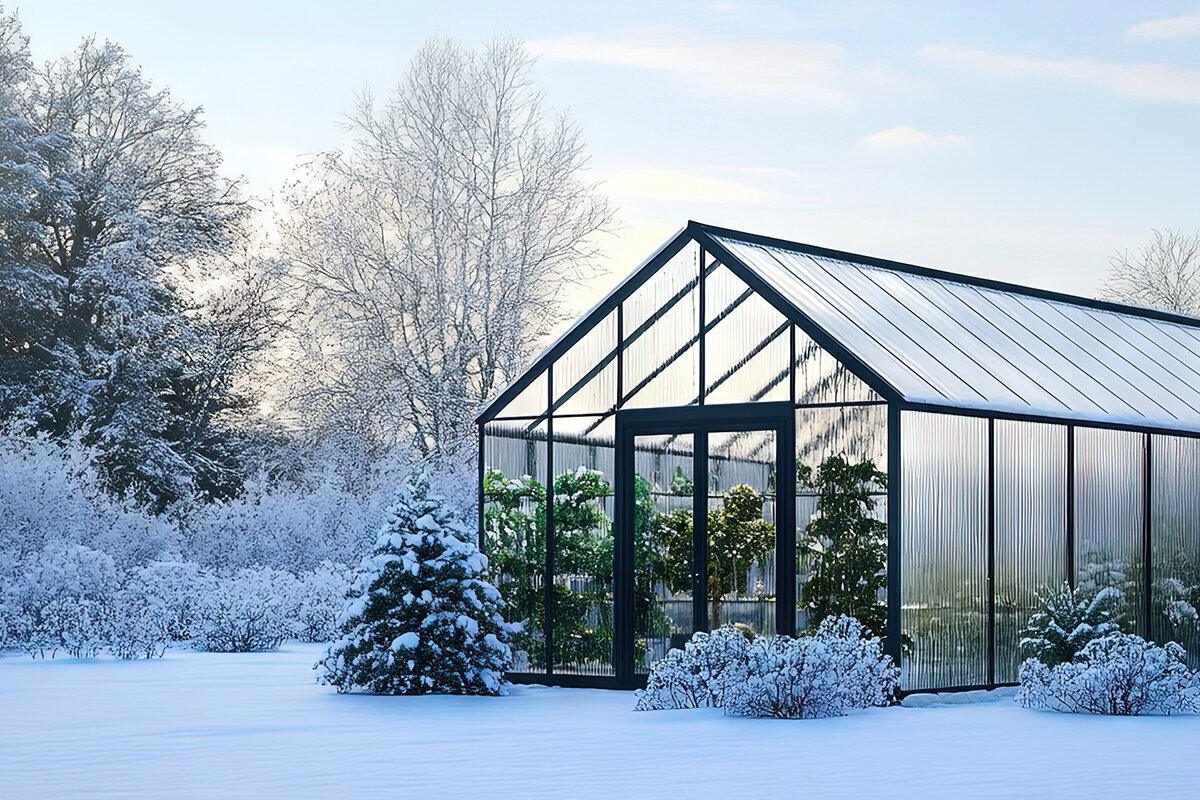
Malta’s winter is milder than northern Europe’s, but cooler nights, wind, rain and humidity still call for careful greenhouse preparation. A well-maintained greenhouse protects crops from cold spells, supports a healthier growing environment and can remain productive through the season. This guide explains how to prepare your greenhouse for winter, whether you own a premium aluminium greenhouse or a traditional model. These practical steps help safeguard your investment and make the most of year-round growing.
1. Clean and Clear Out
- Remove dead plants and debris: Clear away spent plants, leaves and debris that can harbour pests or encourage disease.
- Clean every surface: Wash walls, glazing and worktops with warm, soapy water.
- Check for pests: Inspect the greenhouse for insects or other pests and address infestations promptly.
2. Inspect and Repair
- Look for cracks and gaps: Check frames, panels and seals carefully for signs of damage.
- Strengthen weak points: Repair or reinforce loose fixings and any damaged panels.
- Replace damaged glazing: Replace broken glass or polycarbonate sheets to reduce heat loss.
3. Improve Insulation
- Use bubble insulation: Fit specialist bubble insulation to interior surfaces.
- Seal doors and vents: Use weatherstripping to limit unwanted draughts.
- Fit a thermal curtain: This provides extra insulation, especially in larger greenhouses.
4. Provide Suitable Heating
- Choose a heater: Consider electric, gas or paraffin greenhouse heaters for colder periods.
- Use a thermostat: Monitor and regulate the temperature efficiently.
- Maximise solar warmth: Keep glazing clean to admit as much daylight as possible.
5. Improve Ventilation
- Install automatic vents: They help manage temperature and humidity.
- Use fans: Fans circulate air more evenly and help discourage mould.
6. Grow Winter Vegetables
- Rotate crops: This helps prevent soil-borne diseases.
- Use raised beds: They give roots added protection during cooler weather.
7. Protect Your Plants
- Use fleece or cloches: Protect sensitive plants on cooler nights.
- Group plants together: A shared microclimate can help retain warmth.
- Avoid overwatering: It helps prevent root rot.
8. Consider Lighting
- Install grow lights: LED or fluorescent lights can supplement natural daylight.
- Position lights correctly: Ensure even coverage for healthy plant growth.
9. Organise Tools and Supplies
- Store tools cleanly: Keep sharp, clean tools in a dry place.
- Restock supplies: Keep seeds, fertiliser and suitable plant-protection products ready.
10. Consider Winter Equipment
- Storm protection: Reduce roof strain during severe weather and strong winds.
- Heat mats: They can support seed germination.
- Use cold frames: They provide extra insulation inside the greenhouse.
11. Carry Out Regular Maintenance
- Monitor temperature and humidity: Use a thermometer and hygrometer.
- Clear roof debris: This helps avoid unnecessary structural strain.
- Reduce condensation: Wipe down wet surfaces regularly.
12. Plan for Emergencies
- Backup power: Keep a generator available for power cuts.
- Spare insulation: Keep extra bubble insulation within reach.