
Replace windows and doors before selling your home?
Planning the sale decision
The viewing date is approaching, but the finish is peeling from several windows, the patio door sticks and the entrance looks older than the freshly painted stairwell. Replacement may make a sale easier, but it is not automatically the best investment. What matters is not whether windows and doors look new, but whether their condition unsettles prospective buyers, whether the scale and design suit the house, and whether installation can be completed properly before marketing begins. Ideally, replacing before a sale presents a coherent overall impression rather than isolated new components. If you do not replace, explain defects clearly, set a realistic price and avoid creating a half-finished building site. This guide helps you choose between targeted renewal, repair and selling in the existing condition.
Pre-replacement check 1
The sales question starts with visible condition and function
Not every older window is a barrier to sale. Buyers often distinguish between well-kept, demonstrably maintained fittings and components whose condition suggests future expense or inconvenience. Walk around the house outside and inside in daylight: are frames, finishes and sealing areas tidy? Do sashes and doors operate evenly? Are there conspicuous discolouration, cracks, signs of moisture around the connection or improvised repairs? Record not only damage, but also the areas that stand out on arrival, in living spaces or towards the garden. A single stiff basement window usually matters differently for marketing than an entrance door that seems unreliable at first contact.
Then separate three situations. With a small defect that can clearly be remedied, repair is often more sensible than replacement. Several similar, highly visible or functionally relevant problems can justify planned replacement. If the elements are old but uniform and usable, selling the property with them in place may be the more honest solution. Avoid the reflex that new is always better. New elements that do not suit the façade, other openings or the way they are operated create fresh questions. The aim is not maximum modernisation, but a property whose condition buyers can understand during the viewing. Keep photographs and a room-by-room list of your observations; they form the basis for quotations and discussions with estate agents.
From an isolated issue to a coherent project
A replacement is convincing only when planned as part of the house. Start with an opening schedule: room, width and height of the existing element, opening direction, number of leaves, reveal details, existing sun protection and intended use. Add which views will appear in sales photographs and which elements lie in the same sightline. This shows whether two new windows beside three visibly different old ones improve the impression or emphasise the differences. With fixed glazing, for example, decide from the outset how ventilation and cleaning will work; a fixed-glazed window first describes fixed glazing, not automatically the right solution for every opening.
Coordinate the trades rather than ordering windows or doors in isolation. Replacement affects wall and window-sill junctions, possible plastering and painting, internal linings, floor junctions at doors and, where applicable, shutters or shading. Ask the contractor what preparation is required, how the areas will be protected and which work will remain visible after fitting. Agree who is responsible for measurement, removal, installation, junction work and resolving outstanding items. Before a sale, a clear division of responsibilities matters more than a long product list. Only once these points are settled can you decide whether the scope is manageable before marketing begins.
Pre-replacement check 2
Which buyers you want to appeal to
The right approach also depends on the story the house should tell. A buyer wishing to move in immediately pays particular attention to a well-kept first impression and trouble-free daily use. A buyer planning alterations may see older but documented elements as part of their own project. Do not try to serve both groups with an arbitrary mixture. A new entrance area, several old patio doors and one conspicuous special window can suggest that only the most urgent issues were concealed. A limited, logically justified scope is better: for example, the street elevation and entrance, or heavily used garden openings.
Discuss with your marketing adviser which rooms and sightlines are likely to shape the buying decision. The front door, living-room window and transition to the terrace often receive more attention than secondary rooms. A panelled front door opening outwards is a configuration worth considering only where the opening direction, space in front of the entrance, existing junctions and desired appearance suit the property. Do not use product names as a substitute for planning. Buyers ultimately want to see that access, daylight, views and transitions work well. A plausible choice can reinforce that impression, but it cannot replace clean workmanship or transparent information about the remaining original elements.
Schedule effort, timing and marketing launch realistically
The critical date is not the order date, but the point at which the house is fully presentable again. Bloomcabin delivery takes 4 to 6 weeks, subject to order confirmation. Allow additional time for selection, final measurement, installation coordination and possible remedial work. Do not therefore leave only a narrow buffer before photography or the first viewing. If a junction detail is delayed, a cover is missing or a damaged wall area needs repair, the listing should not show an unfinished situation. Set your preferred marketing start date first, then plan backwards from it.
A sensible sequence is condition assessment, a decision on scope and configuration, measurement and placing the order, installation planning, execution, inspection, and only then professional presentation. Selling during a small project can be possible, but the building work must be communicated openly and tidily. Avoid adjusting hardware or reworking connection seals yourself immediately before viewings. After fitting, check every element: opening, closing and locking, surfaces, visible transitions, number and location of keys, and completeness of documentation. The manufacturer guarantee from Bloomcabin for windows and doors is 5 years, subject to its terms. Keep the relevant order and guarantee documents organised, without inferring features that were not agreed.
Pre-replacement check 3
Compare windows: let use decide before appearance
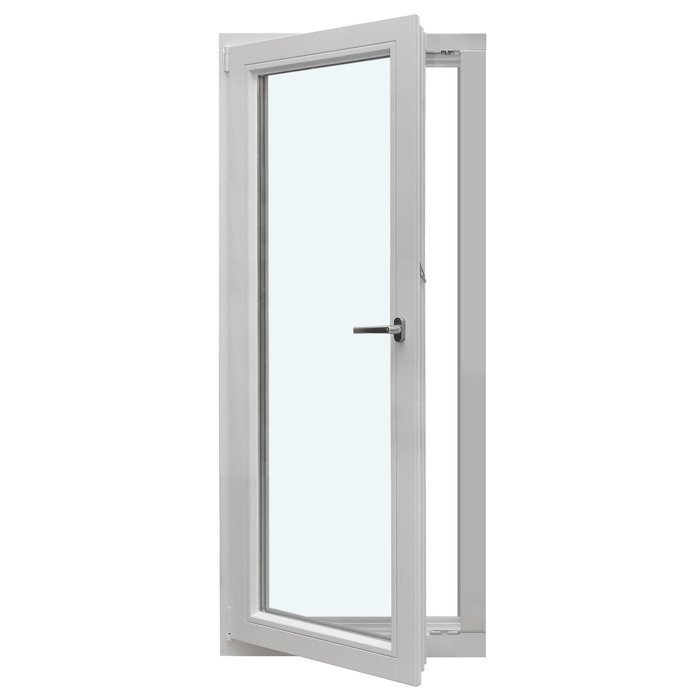
When replacing, the opening type is a daily-use decision. Consider for each room who uses the window, how often, what furniture stands in front of it and whether cleaning should be possible from inside. A single-leaf window opening inwards may suit an opening if the swing area inside remains clear. Outward-opening versions, by contrast, change the situation outside at the façade, path or terrace. The question is not which version is generally better, but which operation remains clear and conflict-free in that exact location. Also note whether a window really needs to open or whether light and views are the priority. If unsure, draw the sash swing to scale on a simple room plan. Mark furniture, curtains, radiators and frequently used routes. Also check that the handle and locking mechanism are comfortably accessible for intended users. This brief simulation reveals use conflicts before a visually suitable selection becomes an irritating everyday compromise.
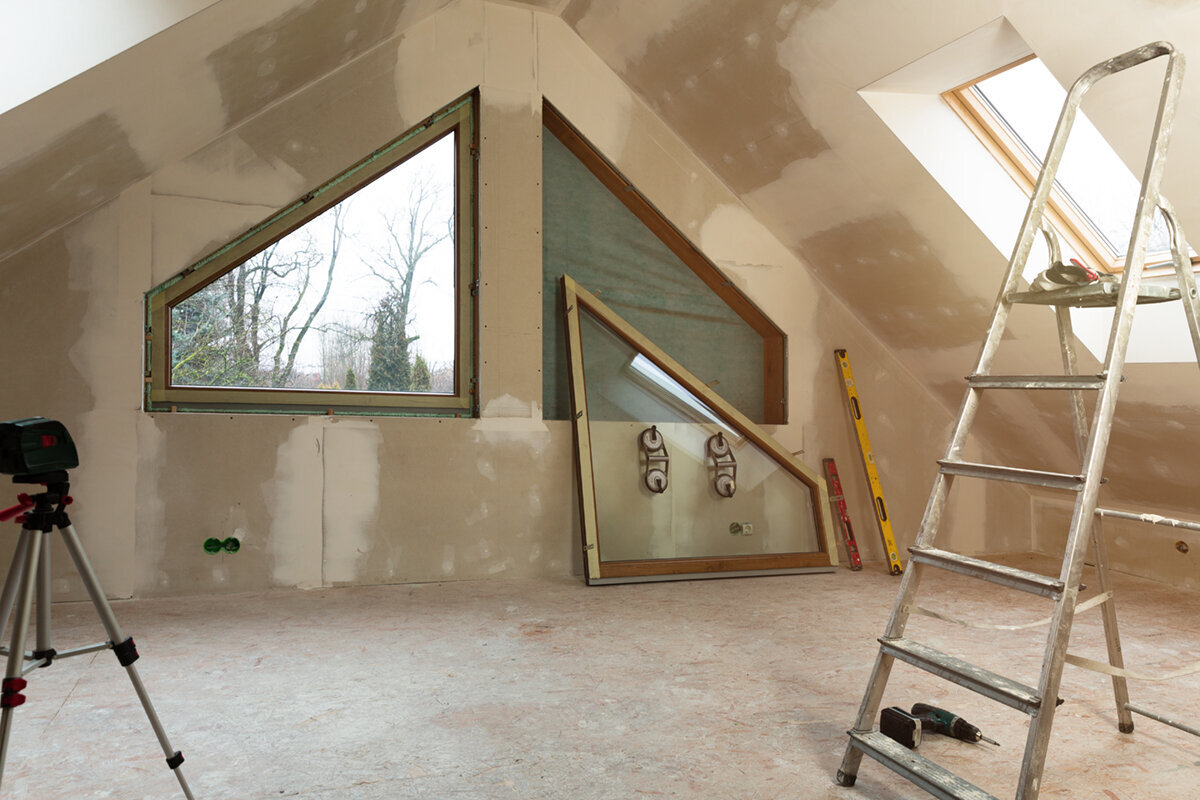
For large or unusual openings, do not choose the shape solely for photographs. A triangular and sloping fixed-glazed window describes sloping or triangular fixed glazing; before choosing it, however, check the exact building form, junction details and the element’s role in the room. In a gable, a striking shape can echo the architecture. On a busy façade, it may distract from the house. Ask the quotation to show visible elevations, divisions, opening directions and the dimensions of every individual element. This prevents a combined quotation from leaving room for differing interpretations later.
Plan doors as transitions, not merely façade details
Patio and balcony doors have a particularly strong influence on both viewings and use. First check how the transition works today: where does the leaf swing, where is furniture placed, how is the outdoor area reached, and how does the floor junction look? A single-leaf patio door opening inwards describes a single-leaf inward-opening version. Whether it suits the living room depends, among other things, on clear internal space and the desired circulation route. At a viewing, the door should be shown without moving furniture; an attractive garden access loses impact when the leaf hits seating.
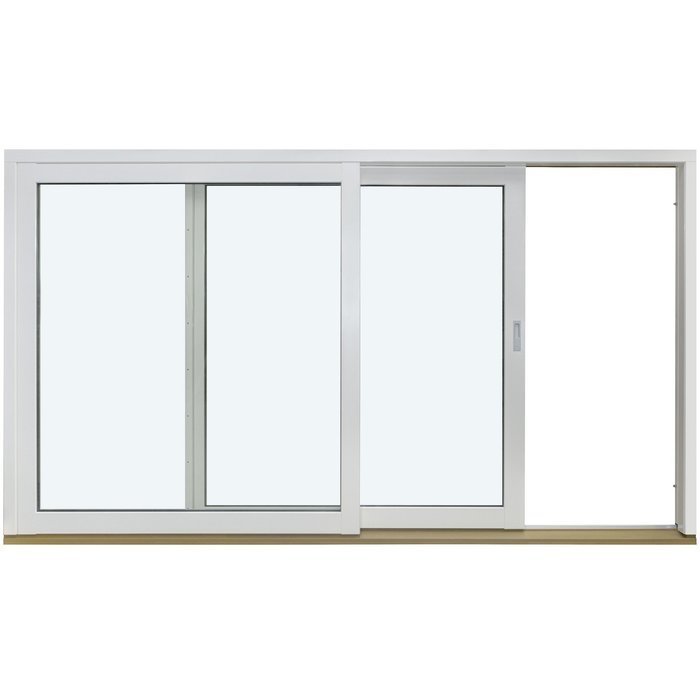
Wider openings need equally careful assessment. Patio Life lift-and-slide doors are a product configuration for a lift-and-slide transition, not a general recommendation for every large opening. Compare the desired clear passage, operation, sightline widths and space requirement with a double-leaf or other alternative. Consider the condition of adjoining floor finishes and outdoor surfaces: a new door frame draws more attention to uneven junctions than consistently maintained existing fabric. Ask the professional which dimensions will be measured definitively on site and how the existing opening will be protected during removal. These details matter more to a smooth project than choosing the most spectacular door solution.
Pre-replacement check 4
Preserve character without creating a style clash
For homes with defining window formats, divisions or traditional details, replacement can be especially sensitive. Before choosing, document sightline widths, sash divisions, glazing-bar pattern, colour and the effect from the street. Glazing bars are not necessarily glazing-dividing bars; use the correct term in discussions and ask for the visible design to be shown clearly. A historic-style “Kombi” casement window opening outwards describes a historic style and opening direction, but not automatically the right design for every older home. Match new and old on important façade axes instead of judging details in isolation. Do not rely on a single sample for selection. Compare existing and proposed views in the same perspective and view them from the distance at which the house is photographed or seen from the street. Pay attention to sash proportions, glazing-bar arrangement and recurring lines. A detail that looks appealing on a sample can appear disproportionately dominant across a full façade row.
A style clash can also arise when only one element is replaced and its proportions differ markedly from its neighbours. This does not mean everything must be replaced together. Treating a connected window group consistently while retaining less visible elements may work better. For distinctive homes or unusual façades in Malta, ask a perit to review the design, junctions, Planning Authority classification and project suitability early, especially for scheduled properties or buildings with conservation value. Any planning route remains separate from required third-party consent. Do not rely on broad claims in sales literature. Buyers generally value a deliberately selected result: consistent divisions and colours, coherent transitions and no decorative choices that merely draw attention to the replacement.
Request quotations so comparisons are possible
Do not obtain quotations solely on the basis of a window count. Provide a standardised list with photographs, approximate location of each element, opening direction, desired views and the work you want included. Ask whether dimensions will be taken definitively before ordering, which items cover removal and disposal, and how junctions and internal and external work are defined. With a single-leaf patio door opening outwards for example, name not only the door, but also the threshold, opening side, existing finish and situation immediately in front of it. This makes quotations more comparable and later additions less likely.
Then compare more than the total. Check that every window and door is listed clearly, that the operating direction is correct and that visible design features are described precisely. Ask explicitly about exclusions: which connection works are not included? Who undertakes possible plastering, painting or flooring work? Which documents will you receive on completion? An item that initially appears cheaper can be incomplete if necessary peripheral work remains open. For a sale, a completed result matters. A clear scope also helps you explain factually to prospective buyers what was done, without making assumptions about undocumented properties.
Pre-replacement check 5
When repair or selling as-is is the better choice
Replacement is not the only professional decision. If an element is fundamentally in good order and the problem is limited to one area, a competent repair can be the more suitable preparation. This applies especially where replacement would trigger further plaster, lining or floor work that you cannot coordinate properly before marketing starts. Even with a uniform older window group, a selective replacement can sometimes look less attractive than care and transparent presentation. Have the condition assessed professionally before concluding from a stiff handle that full replacement is necessary.
Selling in the existing condition works best with a consistent strategy. Remedy small loose or neglected-looking details, clean frames and glazing carefully, and avoid cosmetic measures intended to conceal a defect. Prepare information: what was repaired and when, which elements work properly, and which matters should buyers include in their planning? Do not make promises about future costs, values or technical characteristics if you have no reliable documents for them. A buyer can deal with an older component; an unclear situation is harder. Honesty creates more trust here than an incomplete replacement shortly before the deed is signed.
Final checks before photographs, listing and handover
After installation comes the often underestimated stage of presenting the house as a home again. Remove protective films and building-site debris only after agreement with the contractors, check every sash and door individually, and photograph any outstanding items. Inspect the appearance in daylight from several perspectives. If incomplete edge work, protective marks, unsuitable covers or cleaning needs become apparent, have them addressed before the photo date. Do not open every element at once for photographs and viewings; instead, demonstrate the key functions deliberately and keep passages clear. A calm, tidy impression conveys confidence in the planning.
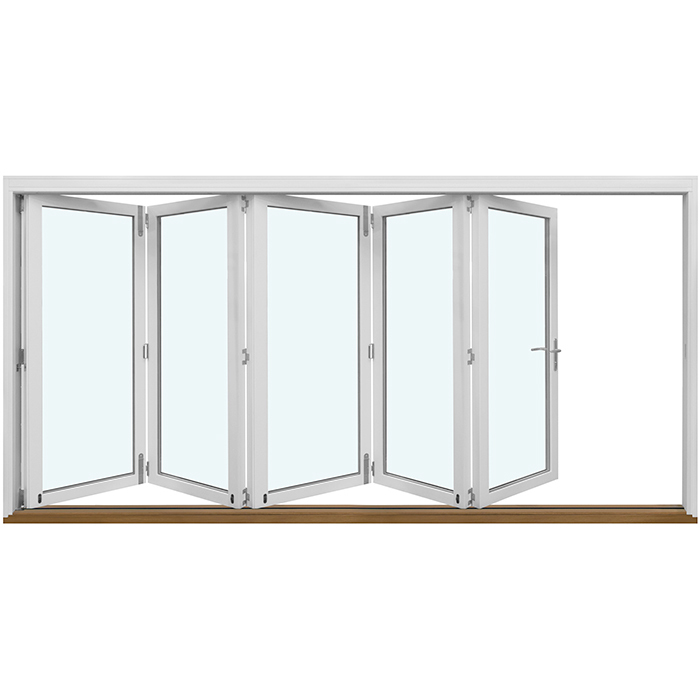
Prepare a small handover folder: order confirmation, invoices, guarantee documents, operating information and, where available, care guidance. The manufacturer guarantee from Bloomcabin for windows and doors is 5 years; the documents for your order are authoritative. List keys and accessories separately so nothing remains unclear at sale. With outward-opening folding doors, for example, the later handover should make the actual operation of the fitted configuration understandable, not merely show the product name on an invoice. Assign each document to a room or position number from your opening schedule. Record which accessories are handed over and whether any work was completed after acceptance. That way, a buyer does not have to reconstruct which component is meant from several invoice lines. Demonstrate the operation of important doors together rather than merely describing their function verbally. This organisation is not a sales promise, but it makes questions easier and shows that replacement was treated as a completed project.
Frequently asked questions
Will replacing windows and doors definitely increase the sale price?
No. Replacement can improve condition and presentation, but it guarantees neither a particular price nor a faster sale. Scope, workmanship, location, overall condition and buyer expectations all matter. Treat the measure as part of your marketing strategy, not as an automatically profitable standalone investment.
Should I replace only the front door or all windows at once?
Start with elements that are visibly damaged, difficult to operate or crucial to the first impression. Then check whether a partial project remains visually coherent. A new front door can make sense if the entrance benefits, but its colour, proportions and junction with the façade must fit.
How much time should I allow before selling?
Plan selection, measurement, ordering, installation, possible peripheral work and final inspection as one connected phase. Bloomcabin delivery takes 4 to 6 weeks, subject to order confirmation. Schedule photographs and first viewings only after all visible outstanding work has been completed.
Must I tell buyers about older or repaired elements?
Prepare understandable information about condition and work carried out. Do not make unsupported statements about technical values, remaining service life or future costs. For specific information in the sales process and contract, consult the relevant qualified professionals.
Which documents should I keep after replacement?
Keep the order confirmation, invoice, guarantee documents, operating and care information, plus documents for fitted accessories. Add a list of elements and keys. This allows prospective and later owners to understand what was actually fitted and which documents belong to each order.
Next steps
Do not replace windows and doors before selling your home solely because of their age. The strongest decision comes from a sober condition assessment, clear buyer focus and a schedule that includes junctions and remedial work. Prioritise visible, functionally important elements and avoid an inconsistent rushed refurbishment. If replacement is chosen, configuration, measurement, installation and documentation should fit together as one project. If repair or selling as-is is more suitable, communicate the condition in an orderly way without unsupported promises. This creates a credible basis for photographs, viewings and handover.
